
Head of Christ — History & Facts
The first thing that holds the eye in Head of Christ is the hush of emotion that lingers between pain and resignation. The face, framed by the sharp crown of thorns, is rendered with a softness that draws the viewer close, as if invited to witness a private moment of sorrow. Light glances across the brow and cheek, picking out the gentle texture of the skin and the dampness in the eyes, while the shadows gather beneath the crown and around the mouth, deepening the sense of inward struggle.
The artist’s careful modeling of flesh and hair gives the figure a presence that feels almost tangible, and the muted palette of reds and browns keeps the focus on the expression. Every detail—the parted lips, the furrowed brow, the downward gaze—serves to heighten the sense of quiet suffering. Works like this, painted in the early sixteenth century, were often intended for private devotion, inviting the viewer to contemplate Christ’s humanity and sacrifice in solitude. In the years around 1525–1530, artists across Italy were exploring new ways to evoke empathy and spiritual reflection, moving away from the distant, iconic faces of earlier centuries.
Antonio da Correggio was among those who brought a new tenderness to religious imagery, blending the ideals of the High Renaissance with the intimate mood of Lombard painting. While little is recorded about the specific journey of this painting, now preserved in the digital collection EAHD_h6ji0zWUA, its quiet intensity speaks to a world in which faith was both a public and a deeply personal affair. The longer you look, the more the image seems to ask: what does it mean to witness suffering, and to respond?
More Artworks by Antonio da Correggio

Virgin and Child with the Young Saint John the Baptist
Antonio da Correggio
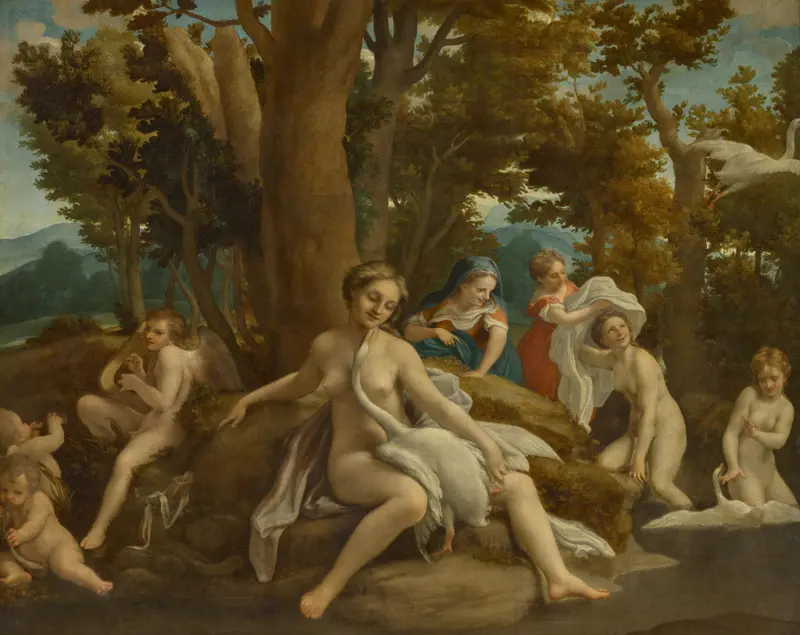
Leda and the Swan
Antonio da Correggio
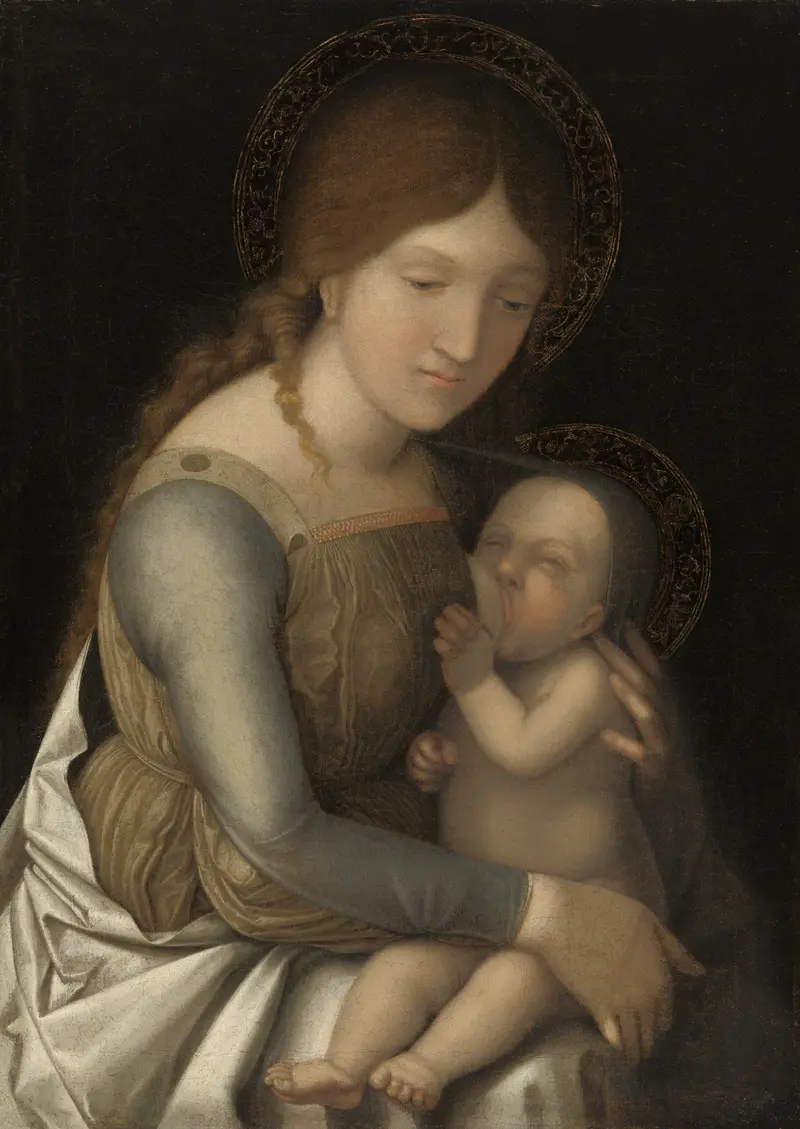
Madonna and Child
Antonio da Correggio
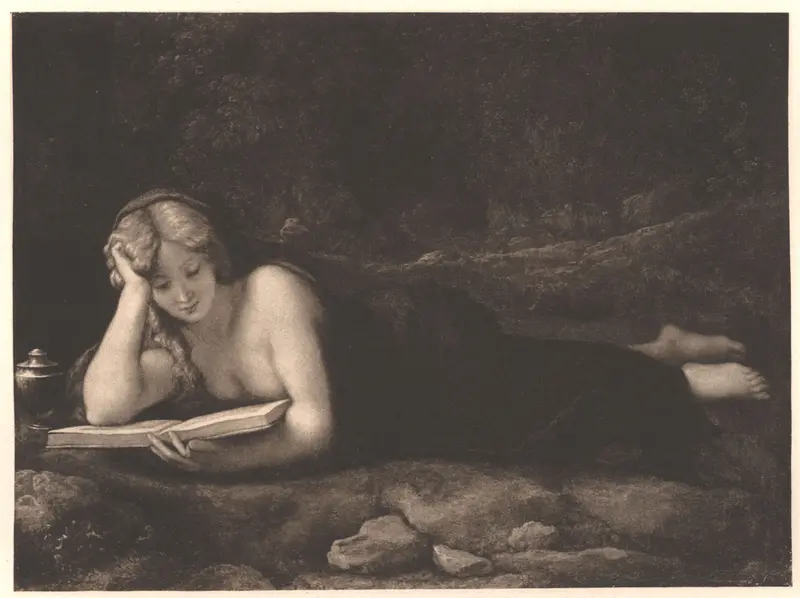
Penitent Magdalene
Antonio da Correggio
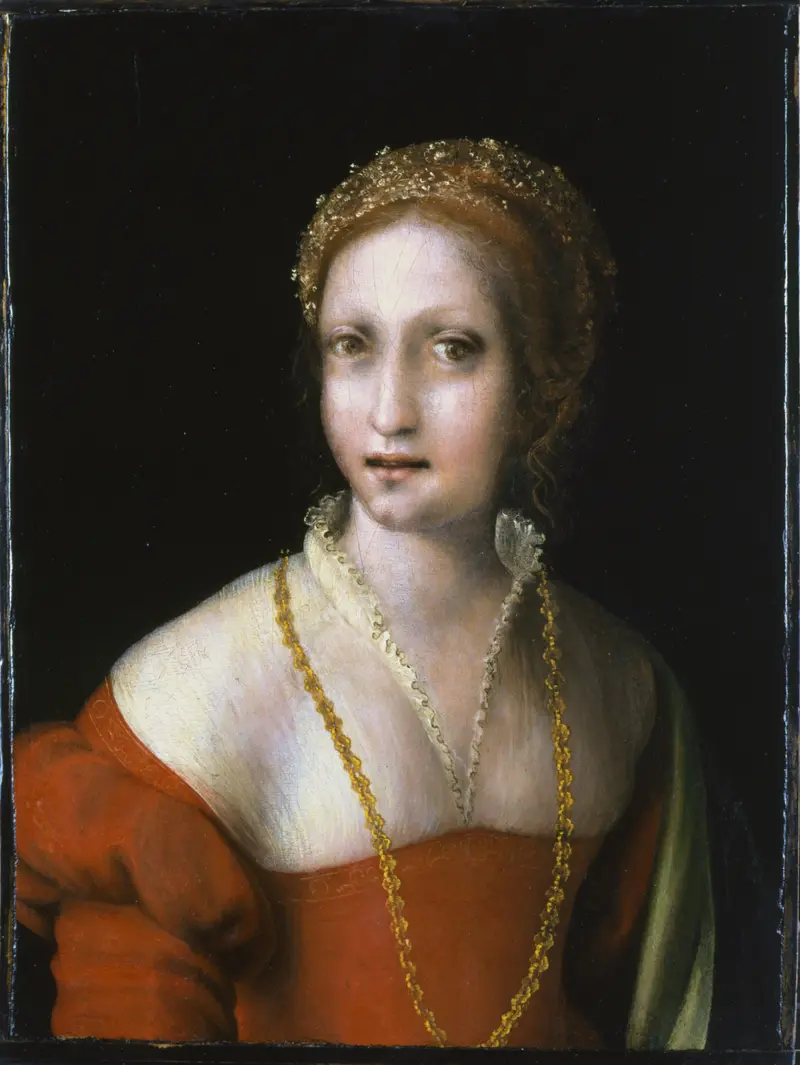
Portrait of a Young Girl
Antonio da Correggio
Christ in the Temple
Antonio da Correggio

Nativity
Antonio da Correggio
Saints Peter, Martha, Mary Magdalen, and Leonard
Antonio da Correggio
The Loves of Jupiter
Antonio da Correggio

Study for the "Madonna della Scodella" [recto]
Antonio da Correggio





