
Study for the Odyssey — History & Facts
When Jean Auguste Dominique Ingres began his Study for the Odyssey in 1826, he was in the midst of a passionate debate with the Parisian art world over the future of history painting. Critics and supporters alike watched closely as Ingres, already famous for his precise draftsmanship, sought to fuse the clarity of ancient Greek art with the dramatic intensity of modern painting. This study, a preparatory work for an unrealized larger composition, stands as a rare glimpse into Ingres’s private process—an artist wrestling with how to bring Homer’s epic to life for a new generation. The moment Ingres chose to capture is one of longing and homecoming: Odysseus, battered by years of wandering, stands at the threshold of his long-lost Ithaca.
His gaze is fixed on the distant shore, his posture tense with anticipation and uncertainty. The figure’s draped garments recall antique sculpture, while the subtle play of light across his face hints at the dawn of recognition. Unlike Arnold Böcklin’s later, dreamlike Odysseus and Calypso, Ingres’s study is anchored in restraint and clarity, emphasizing the hero’s solitary resolve rather than the surrounding mythic drama.
Every detail—the staff, the windswept cloak, the careful delineation of muscle—serves to focus the viewer on the inner journey of the hero. The precise medium of Study for the Odyssey remains uncertain, as does its early provenance; it may have been intended for a major Salon canvas that Ingres never completed. The work has survived as part of a small group of studies and sketches that reveal the artist’s ongoing fascination with Homeric themes throughout his career. Today, it is valued not only as a preparatory piece but also as a statement of Ingres’s ambitions during a formative period.
Its presence in the museum collection offers a window into the creative laboratory of one of the 19th century’s most influential painters, bridging the worlds of antiquity and modernity through the hand of Ingres.
More Artworks by Jean Auguste Dominique Ingres
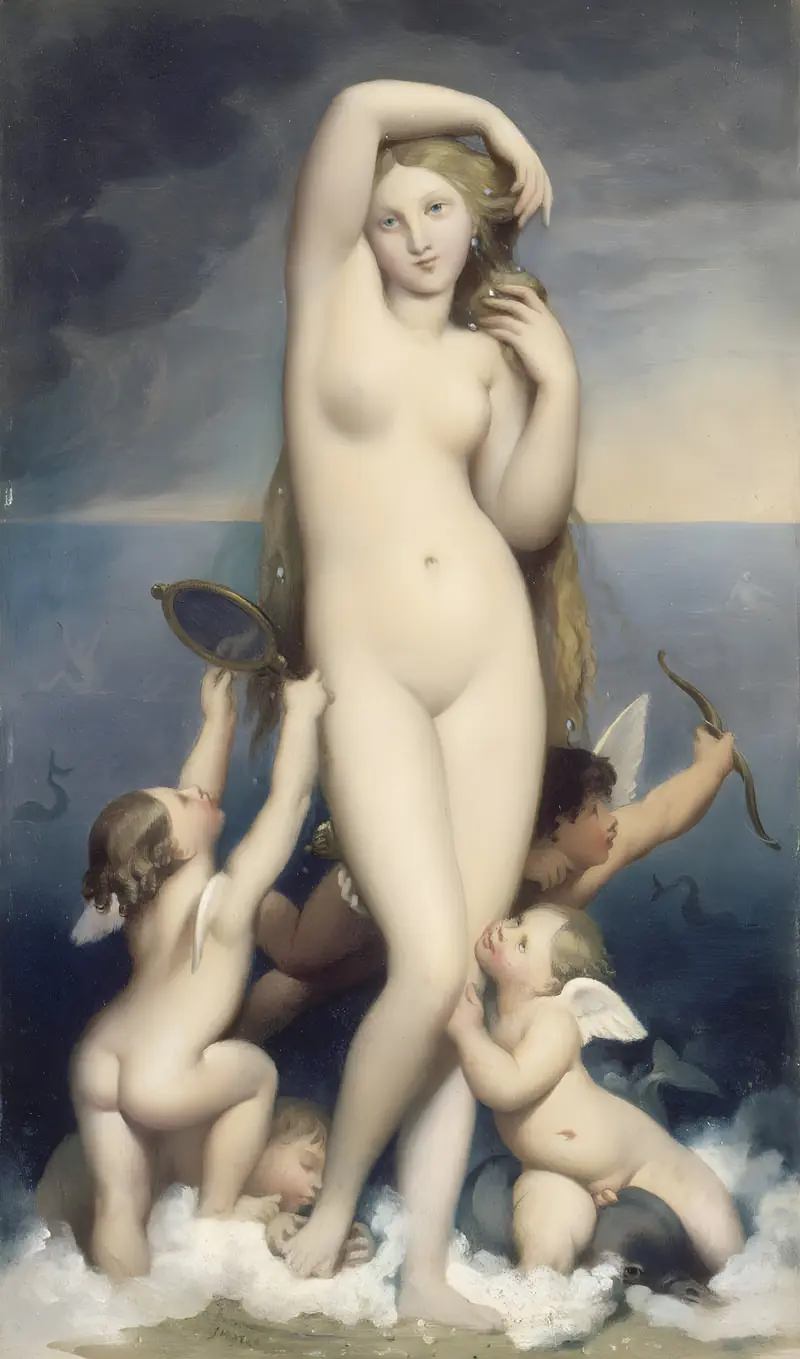
Vénus anadyomène
Jean Auguste Dominique Ingres
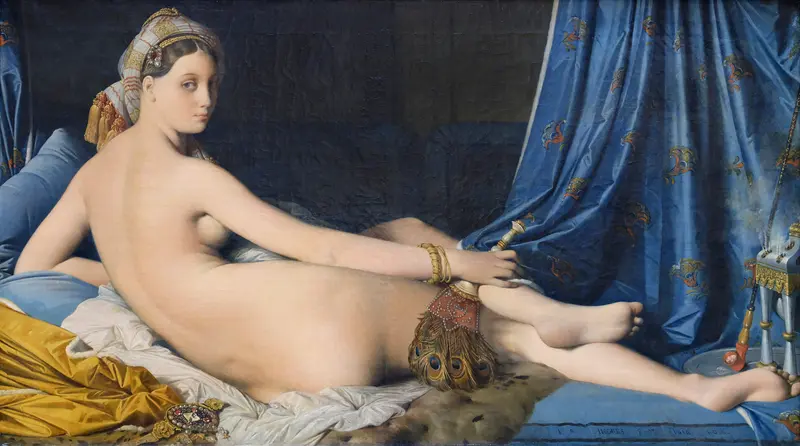
Grande Odalisque
Jean Auguste Dominique Ingres
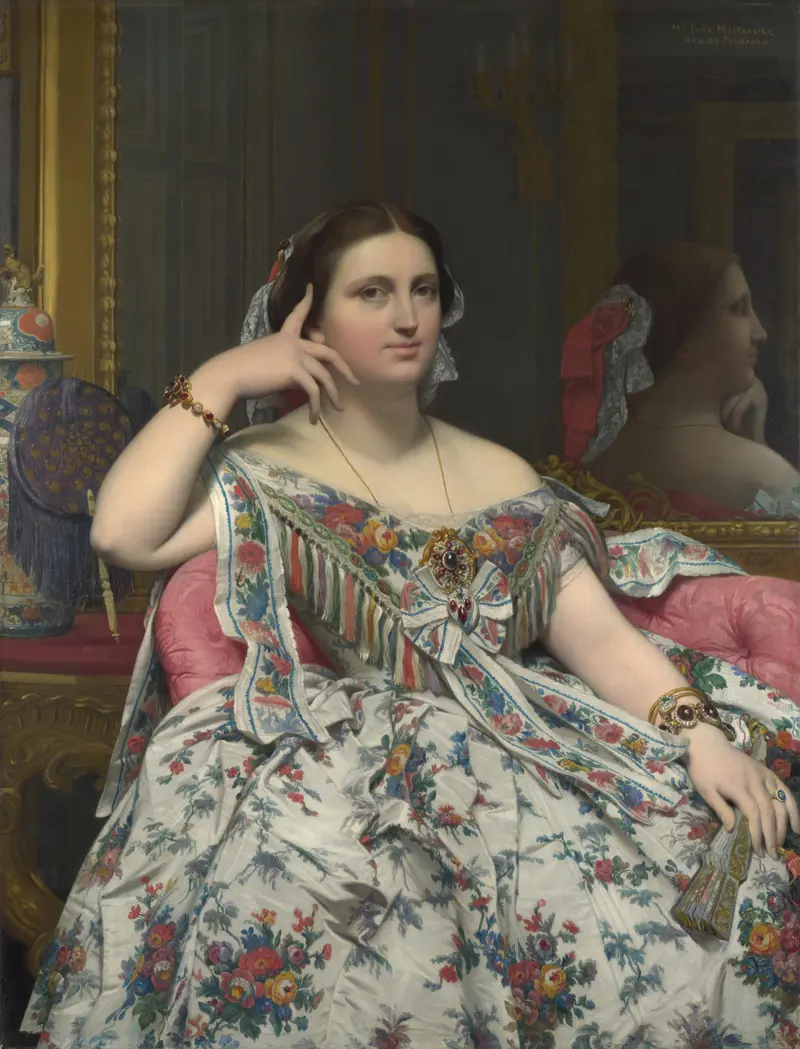
Madame Moitessier (seated)
Jean Auguste Dominique Ingres
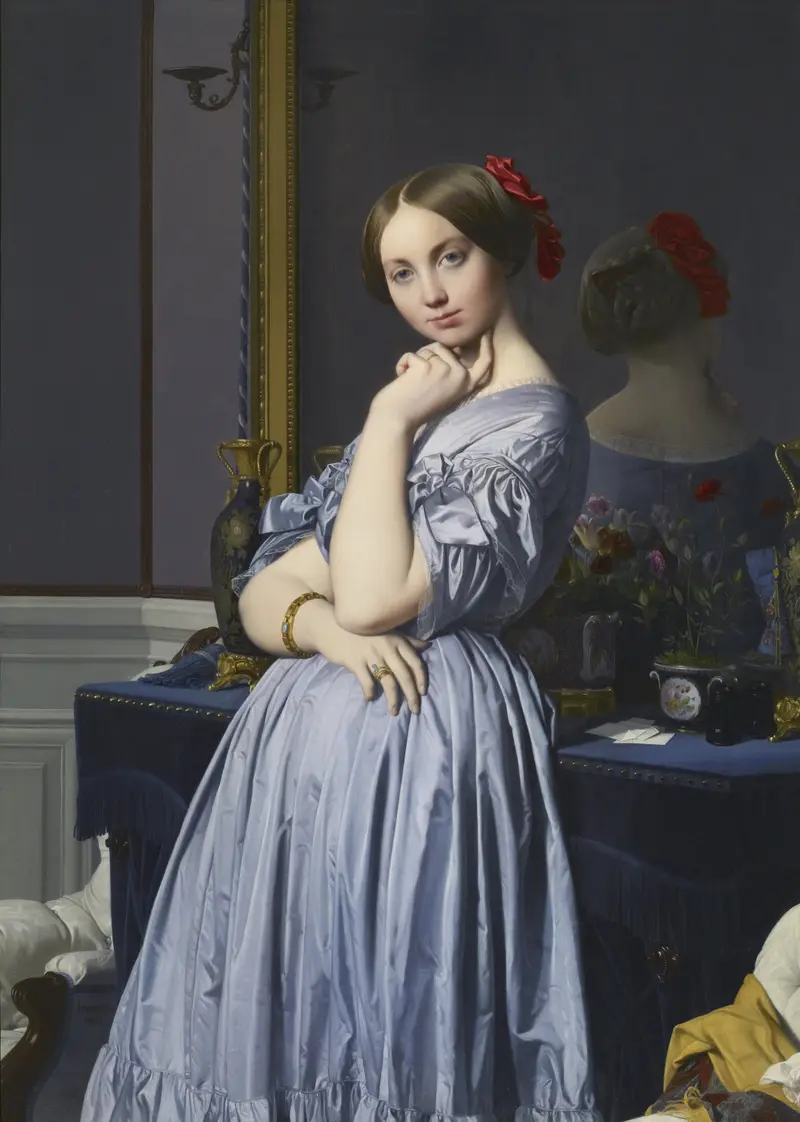
Portrait of Comtesse d’Haussonville
Jean Auguste Dominique Ingres
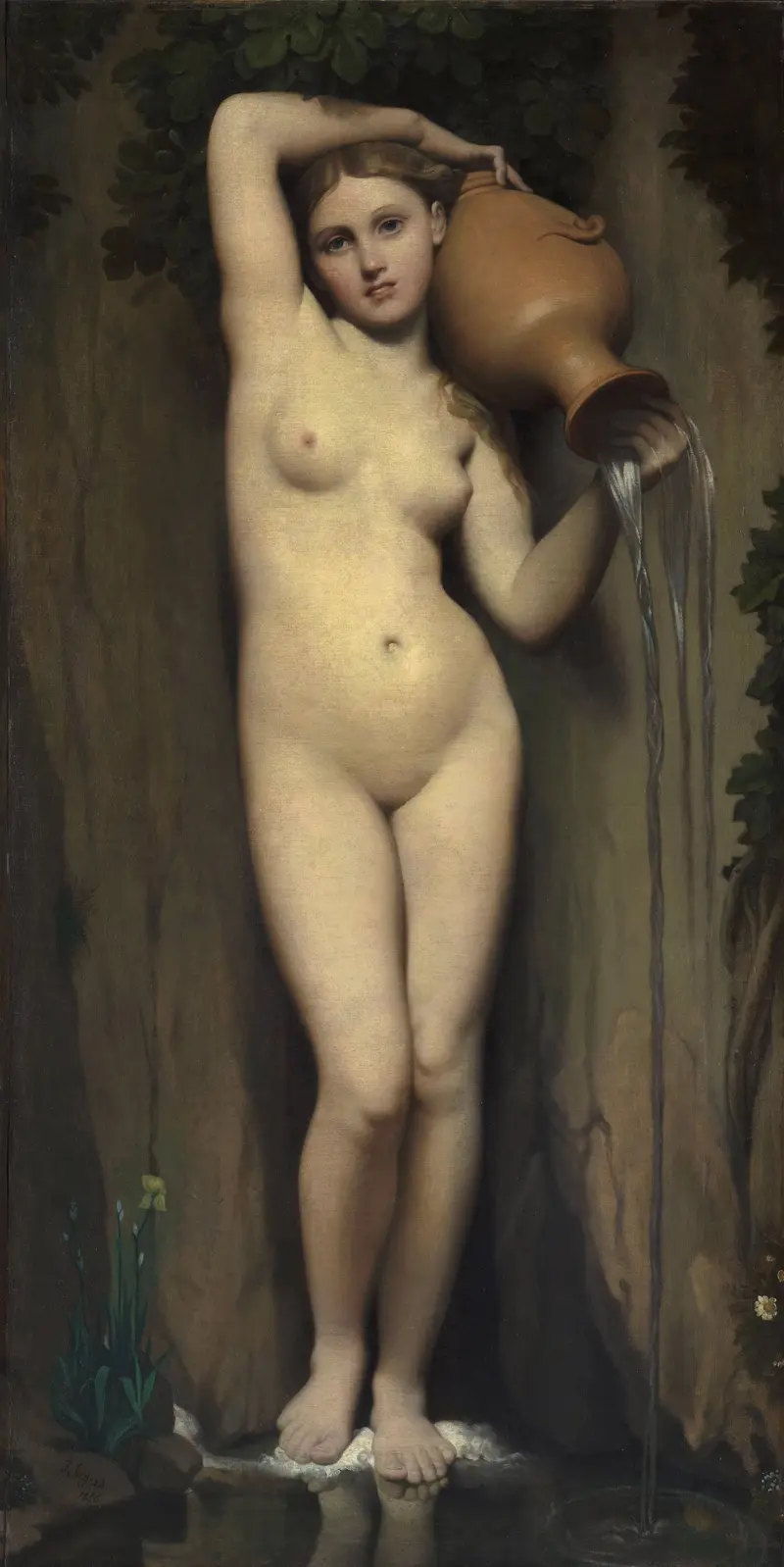
The Source
Jean Auguste Dominique Ingres
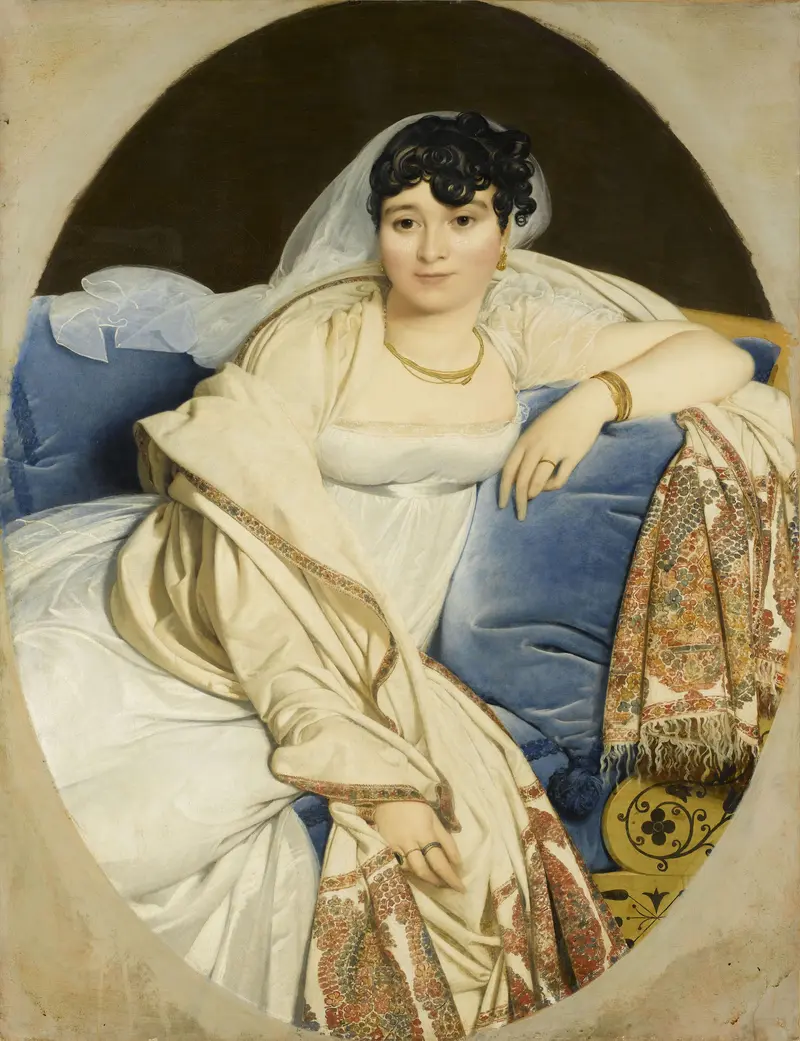
Madame Rivière
Jean Auguste Dominique Ingres

Madame Jean-Auguste-Dominique Ingres, née Madeleine Chapelle
Jean Auguste Dominique Ingres

Portrait of a Lady
Jean Auguste Dominique Ingres
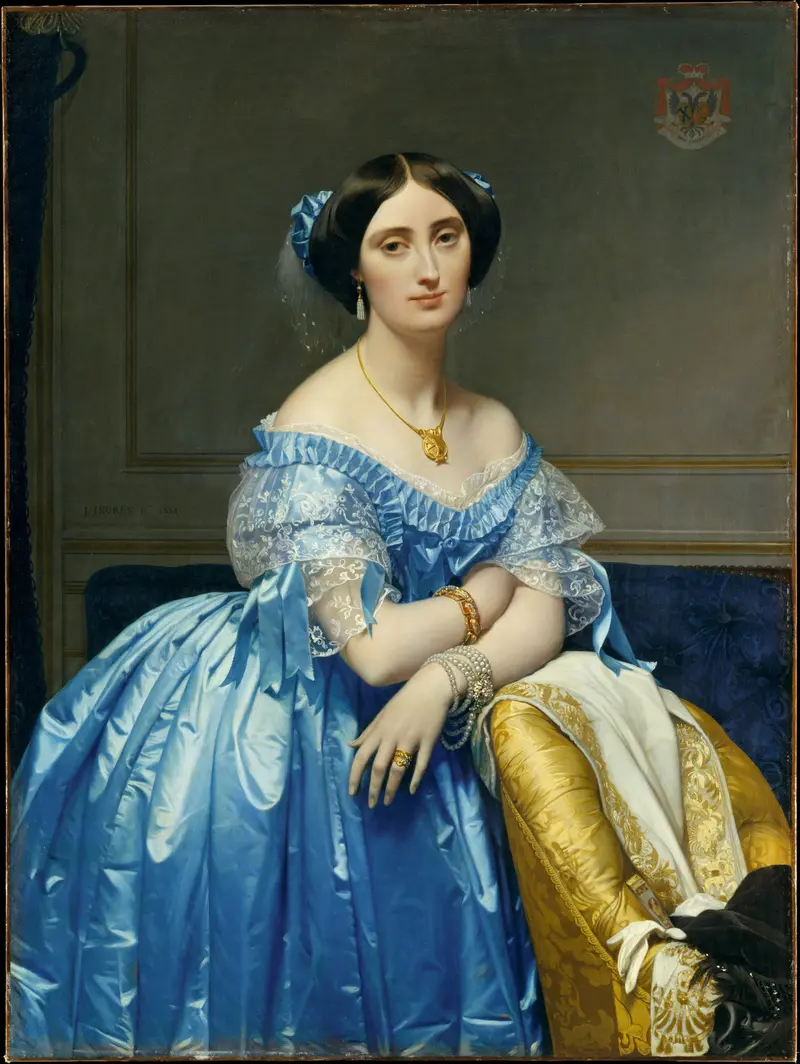
Joséphine-Éléonore-Marie-Pauline de Galard de Brassac de Béarn (1825–1860), Princesse de Broglie
Jean Auguste Dominique Ingres
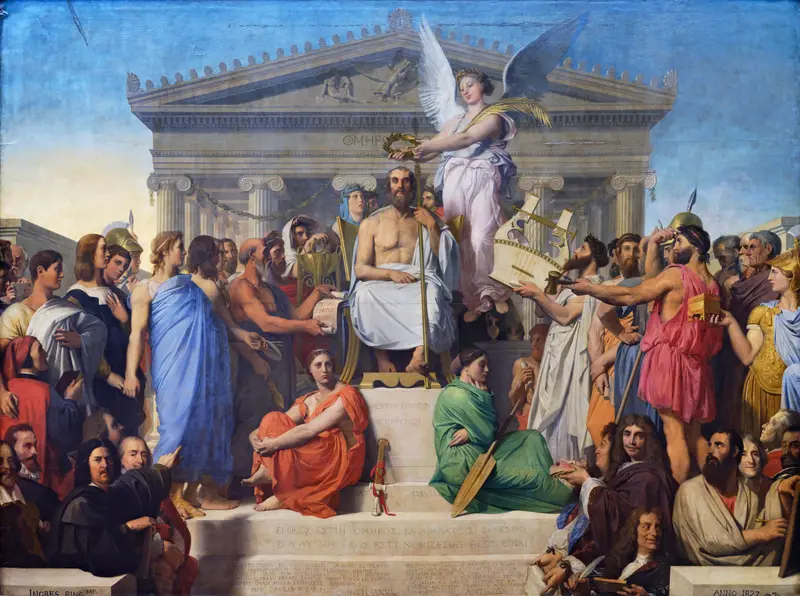
The Apotheosis of Homer
Jean Auguste Dominique Ingres





