
Study of a Nude Boy, Partial Figure Study — History & Facts
No one knows for certain why Pontormo created Study of a Nude Boy, Partial Figure Study, but the drawing’s survival is remarkable: many such preparatory sketches were routinely discarded or lost in the workshops of Renaissance Florence. This sheet, with its searching lines and unfinished form, offers a rare glimpse into the working process of one of the most original artists of the early Mannerist movement. Unlike finished paintings, drawings like this were seldom intended for public eyes, making their preservation a matter of chance and the changing tastes of collectors. The boy’s body, rendered in swift, energetic strokes, is captured in a moment of stillness and vulnerability.
His torso twists, arm raised, as if pausing mid-motion—a pose that might have served for a saint, an angel, or a mythological figure in a larger composition. The lack of background or narrative context focuses attention on the study of anatomy itself: the tension in the muscles, the curve of the spine, the weight balanced on one leg. Where Michelangelo would often idealize the male form, Pontormo’s hand is more restless, probing, searching for the expressive potential in each contour.
The unfinished quality invites viewers to imagine the artist’s next move, the transformation from sketch to story. The precise origins and purpose of this drawing remain uncertain, as do the details of its early history. It likely began life in Pontormo’s Florentine studio, perhaps as a preparatory study for a now-lost altarpiece or fresco. Over centuries, such sheets were often dispersed, traded among collectors who valued the immediacy of the artist’s hand.
Today, Study of a Nude Boy, Partial Figure Study is prized not only as a teaching tool but as a testament to Pontormo’s restless creativity, bridging the gap between the private world of the Renaissance workshop and the public gaze of the museum.
More Artworks by Pontormo (Jacopo Carucci)
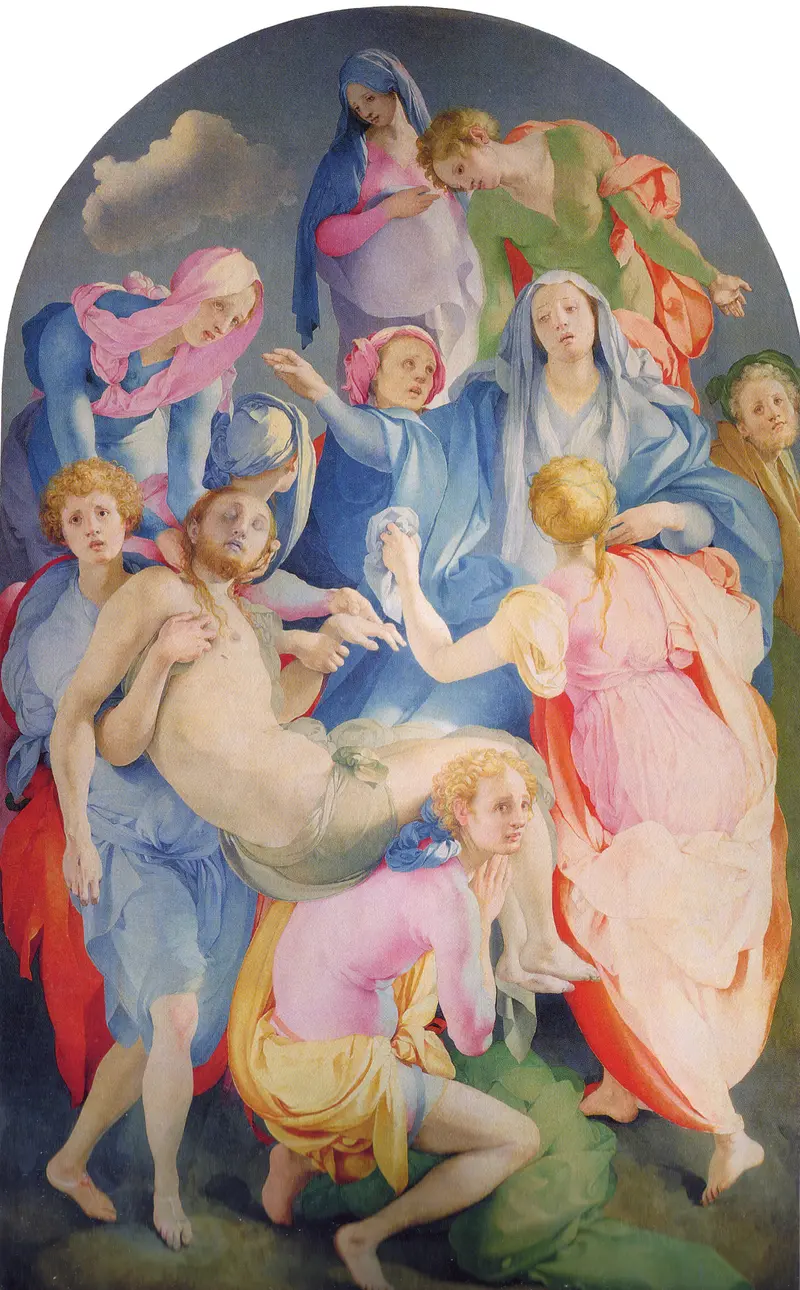
The Deposition from the Cross
Pontormo (Jacopo Carucci)
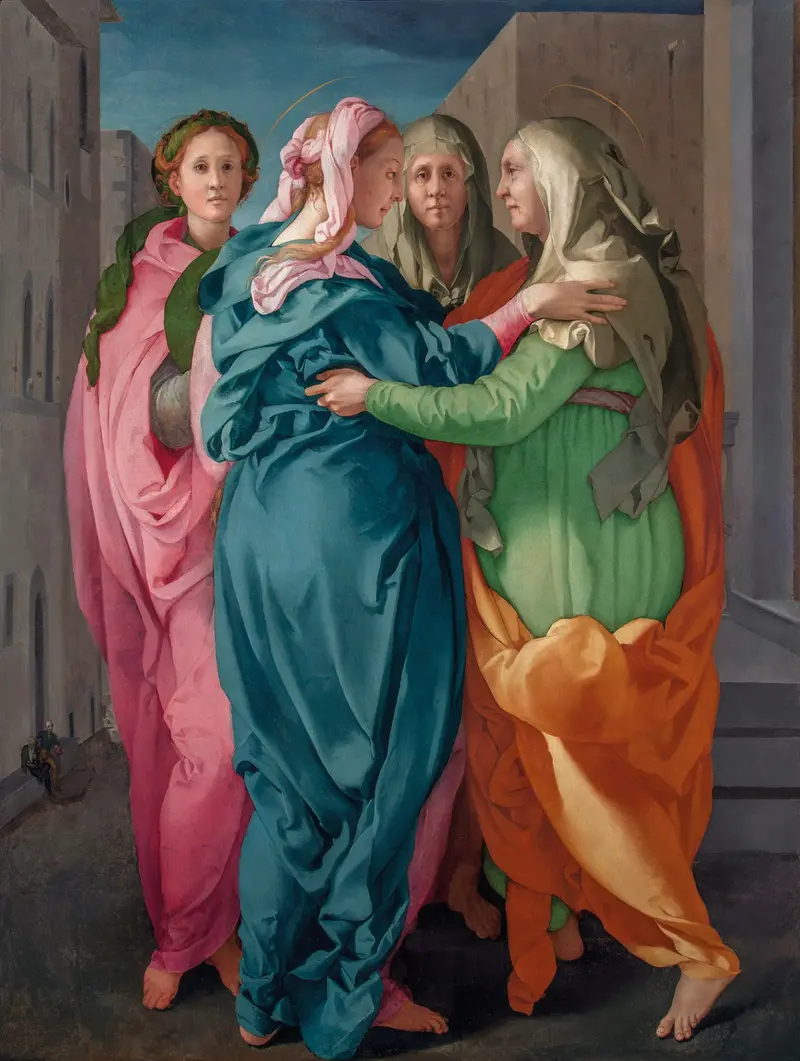
The Visitation (Carmignano)
Pontormo (Jacopo Carucci)
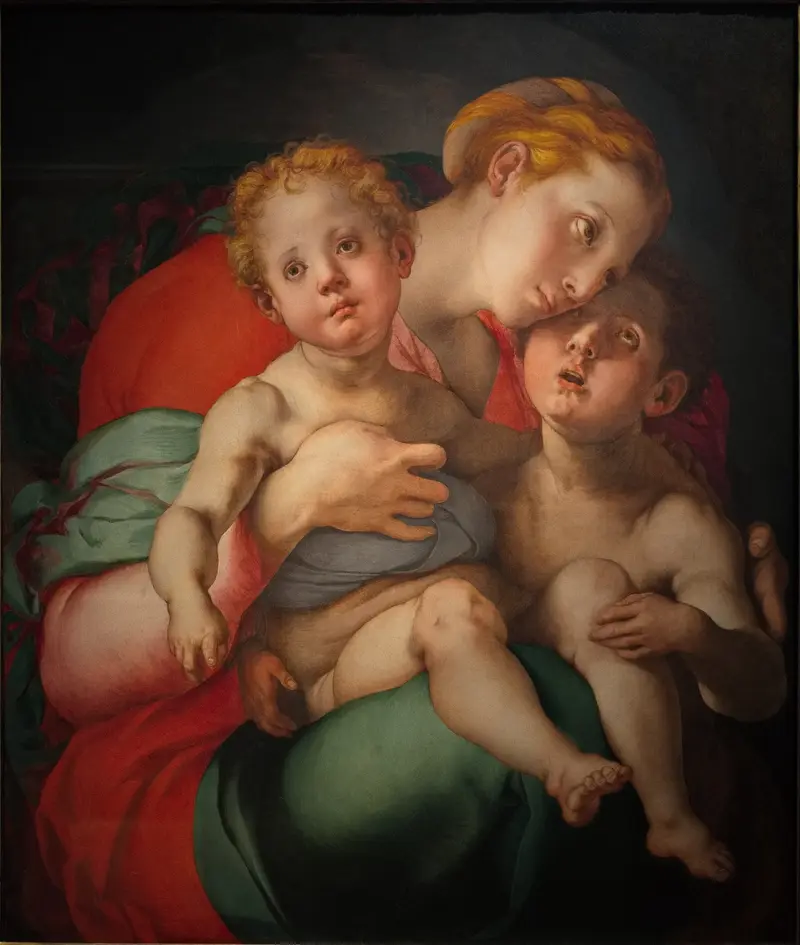
Madonna with Child and the young Saint John
Pontormo (Jacopo Carucci)
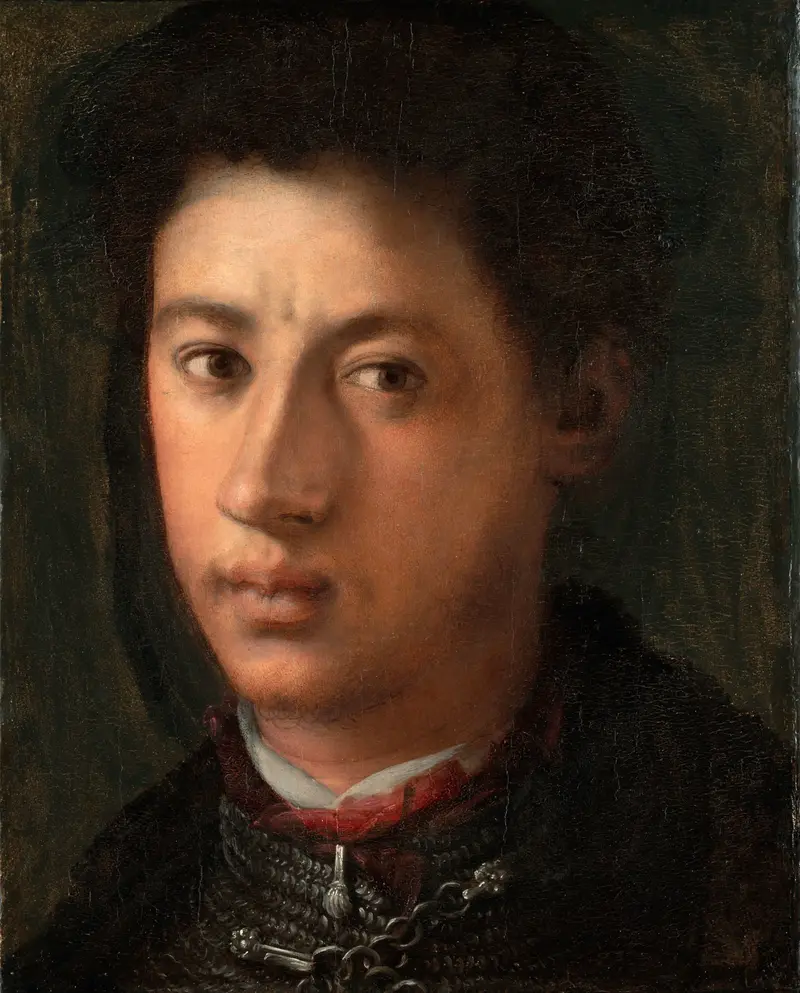
Alessandro de’ Medici
Pontormo (Jacopo Carucci)
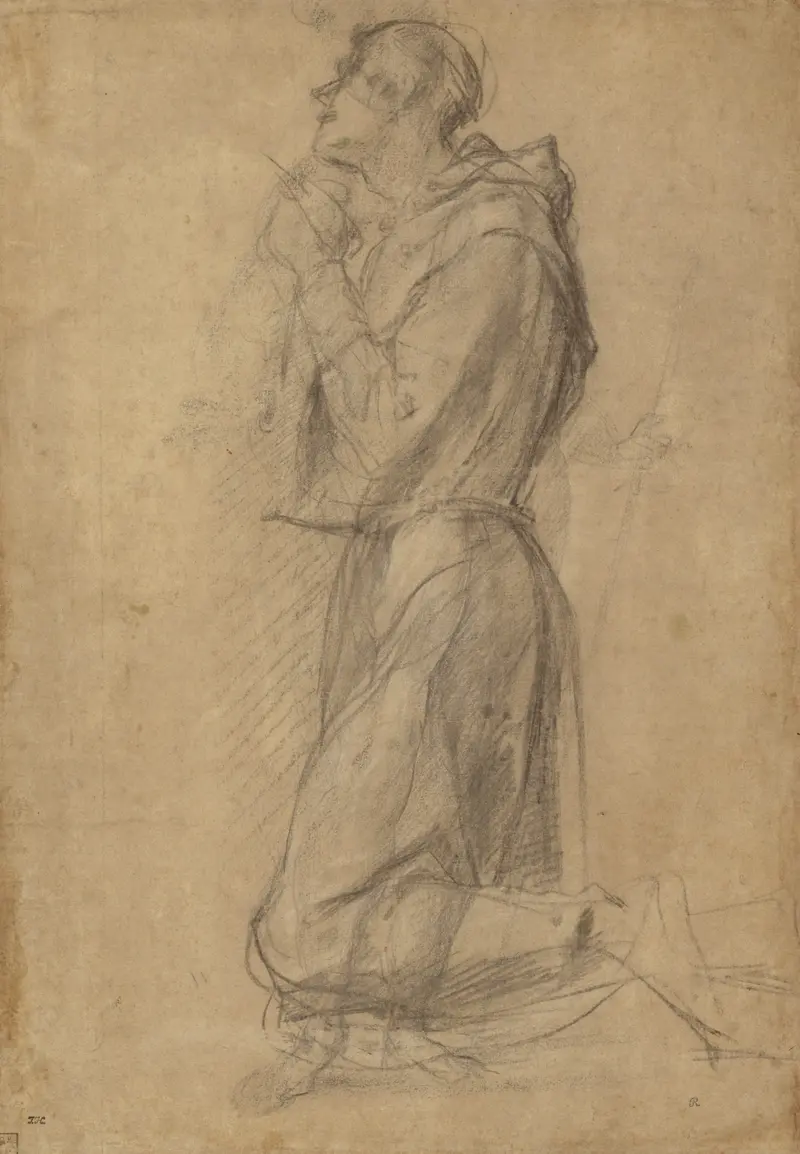
Saint Francis
Pontormo (Jacopo Carucci)
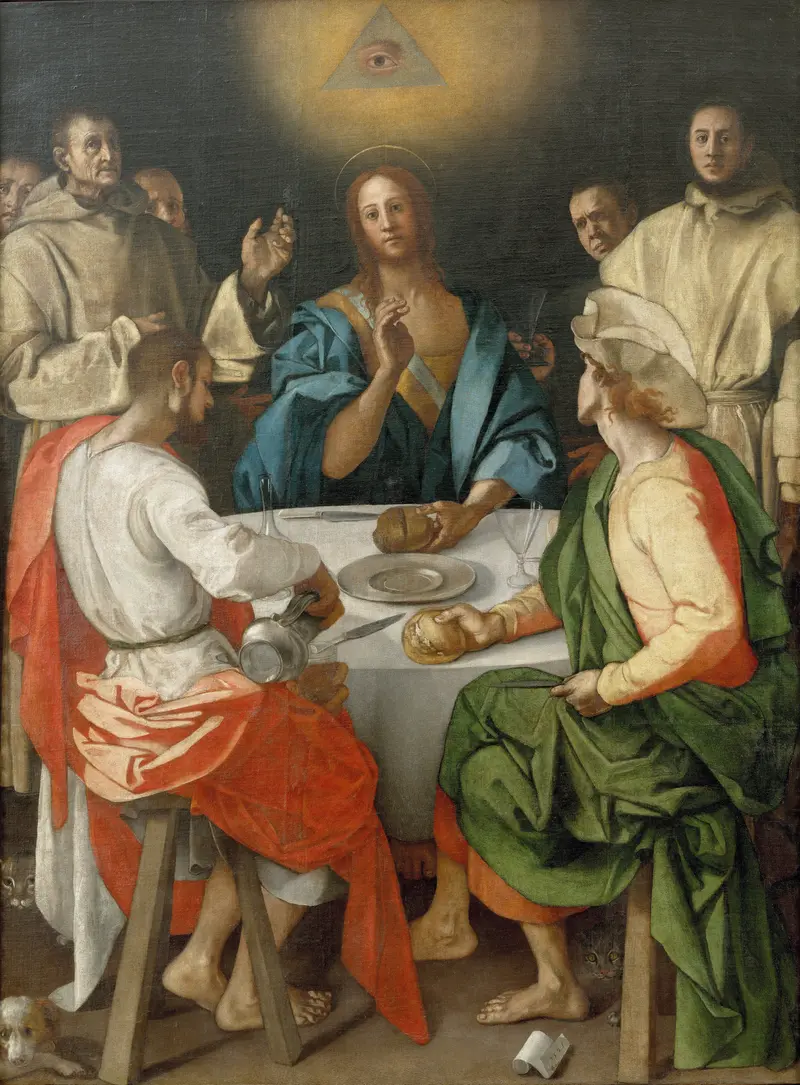
Supper at Emmaus
Pontormo (Jacopo Carucci)
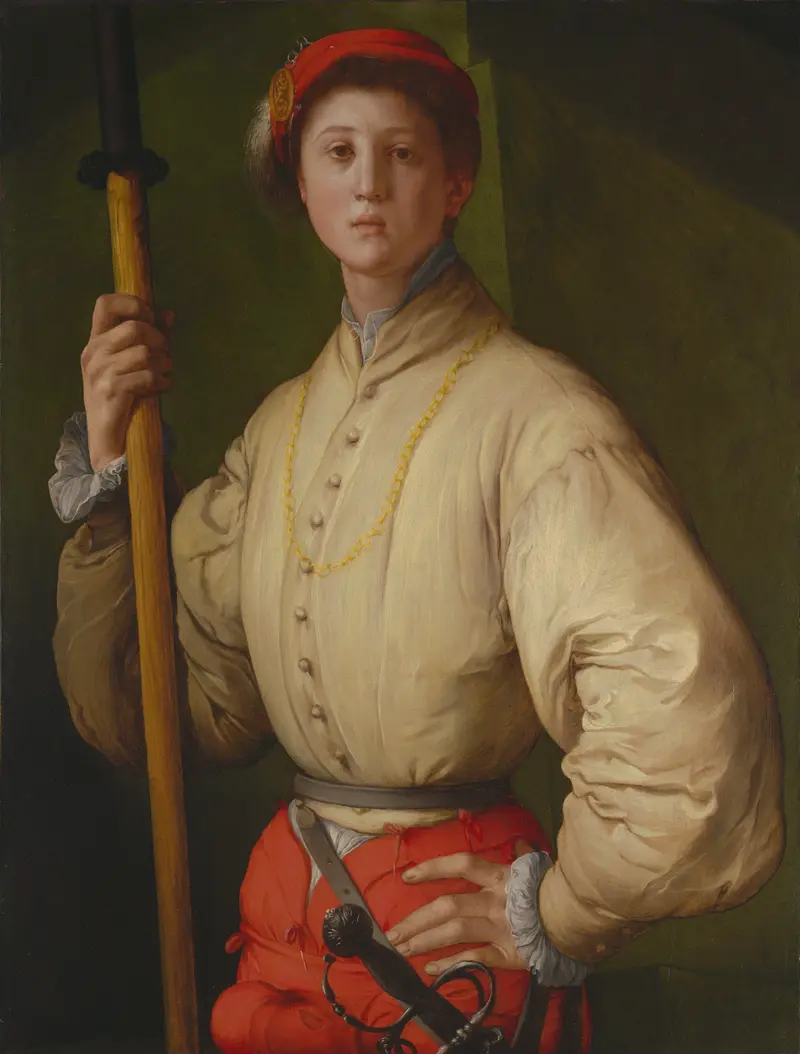
Portrait of a Halberdier
Pontormo (Jacopo Carucci)
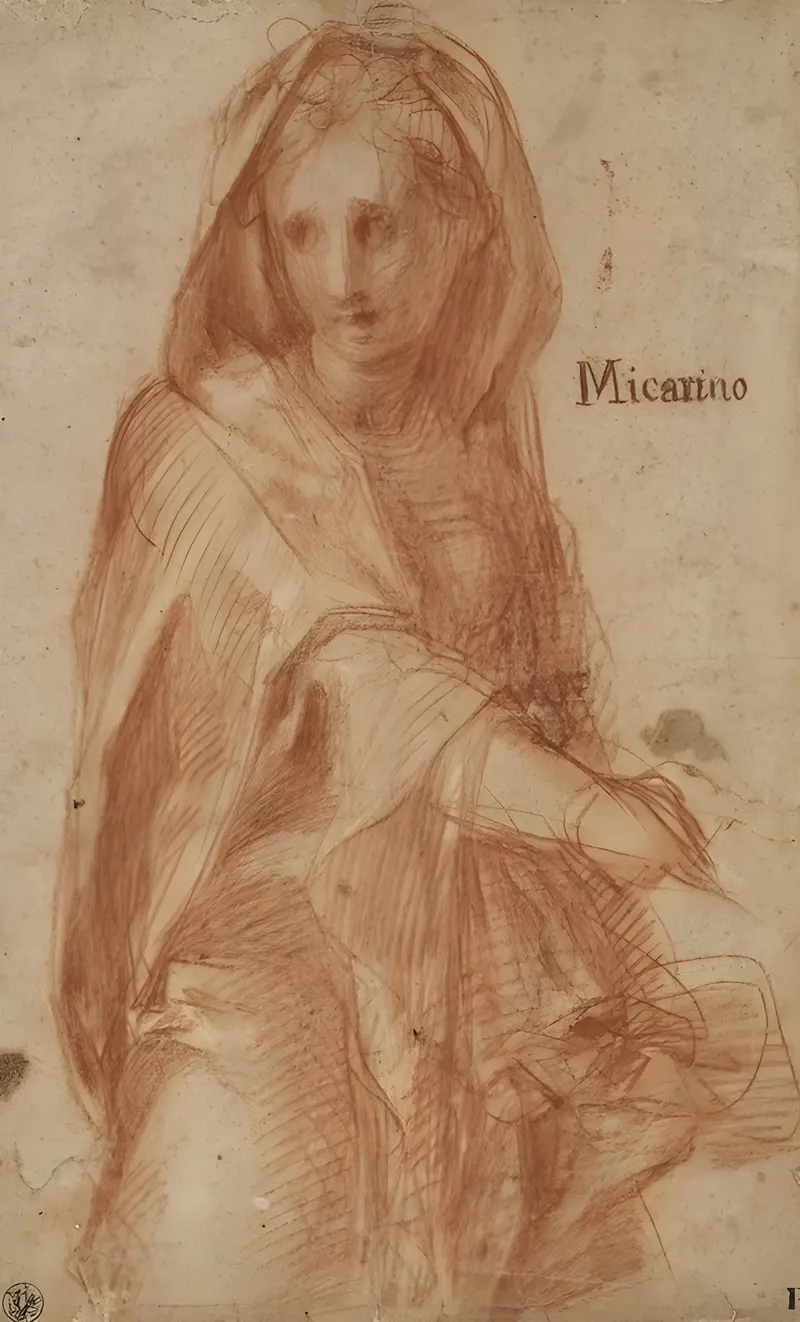
Female figure with covered head (study for a figure in the fresco of the Visitation in Santissima Annunziata)
Pontormo (Jacopo Carucci)
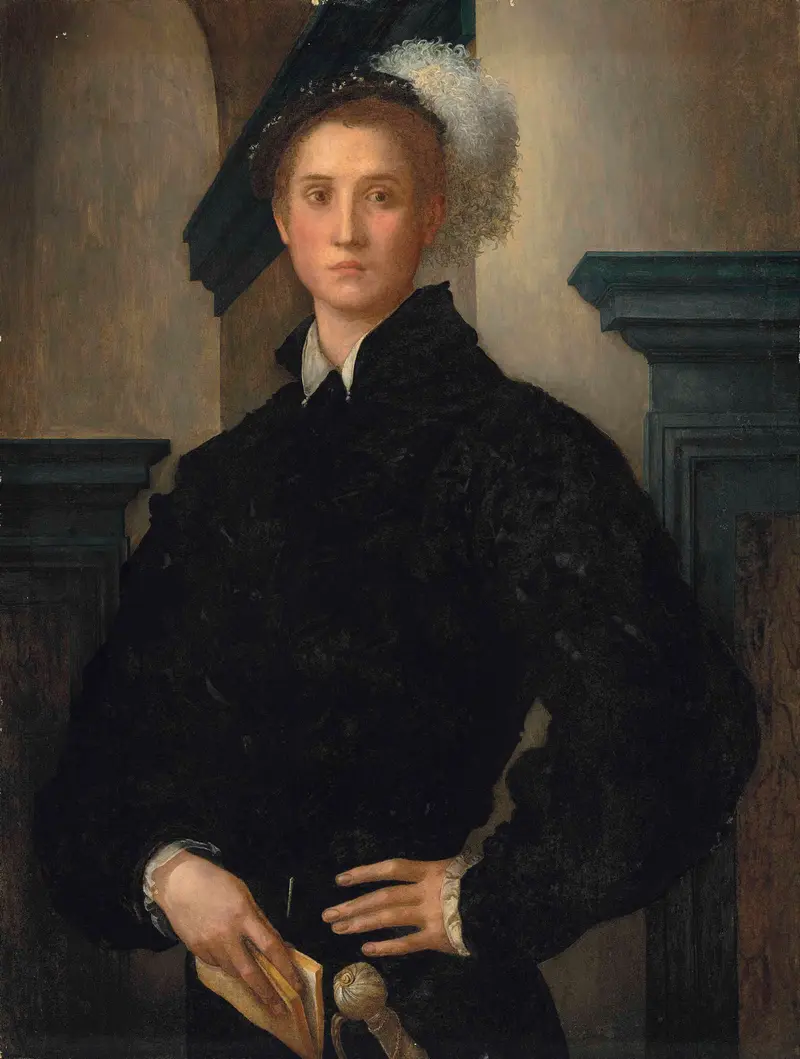
Portrait Of Cosimo I De Medici
Pontormo (Jacopo Carucci)
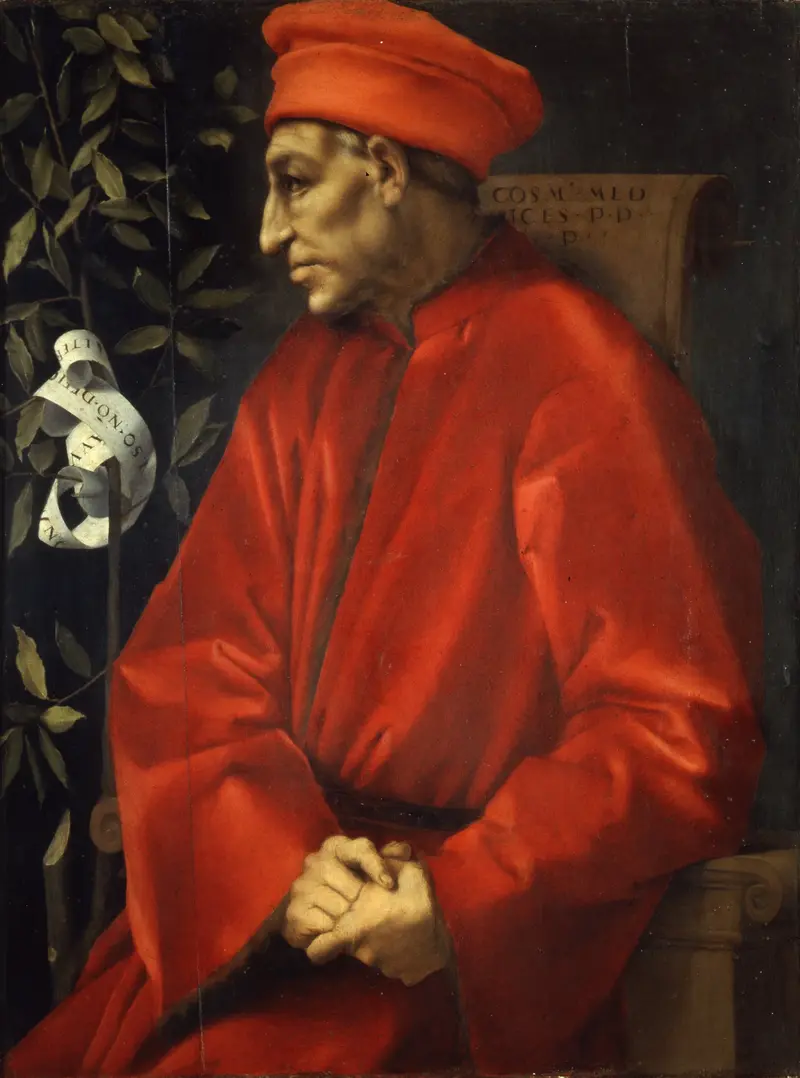
Portrait of Cosimo de’ Medici the Elder
Pontormo (Jacopo Carucci)




