
Study of a Nymph from the Fountain of the Innocents, after Jean Goujon — History & Facts
In Study of a Nymph from the Fountain of the Innocents, after Jean Goujon, we see a delicate figure of a nymph, rendered in soft lines and gentle curves. The colors are muted, with a palette that emphasizes flesh tones and subtle shadows. The setting appears to be a classical environment, hinting at the origins of the nymph's inspiration.
This artwork captures the grace and beauty typical of Neoclassical art. The drawing is executed in ink on paper, showcasing Ingres' meticulous attention to detail. The lines are smooth and precise, reflecting his training in the classical tradition. Viewers can observe the intricate details of the nymph's hair and drapery, which are characteristic of Ingres' style.
This study serves as a preparatory work, highlighting Ingres' process of capturing the ideal form. Jean Auguste Dominique Ingres was a prominent figure in the Neoclassical movement, known for his commitment to classical beauty. This particular study is based on the original sculpture by Jean Goujon, illustrating Ingres' admiration for classical antiquity. An interesting fact about this work is that it reflects Ingres' ability to blend drawing with a sculptural approach, making it a significant piece in his oeuvre.
It demonstrates his influence on later artists who sought to revive classical themes.
More Artworks by Jean Auguste Dominique Ingres
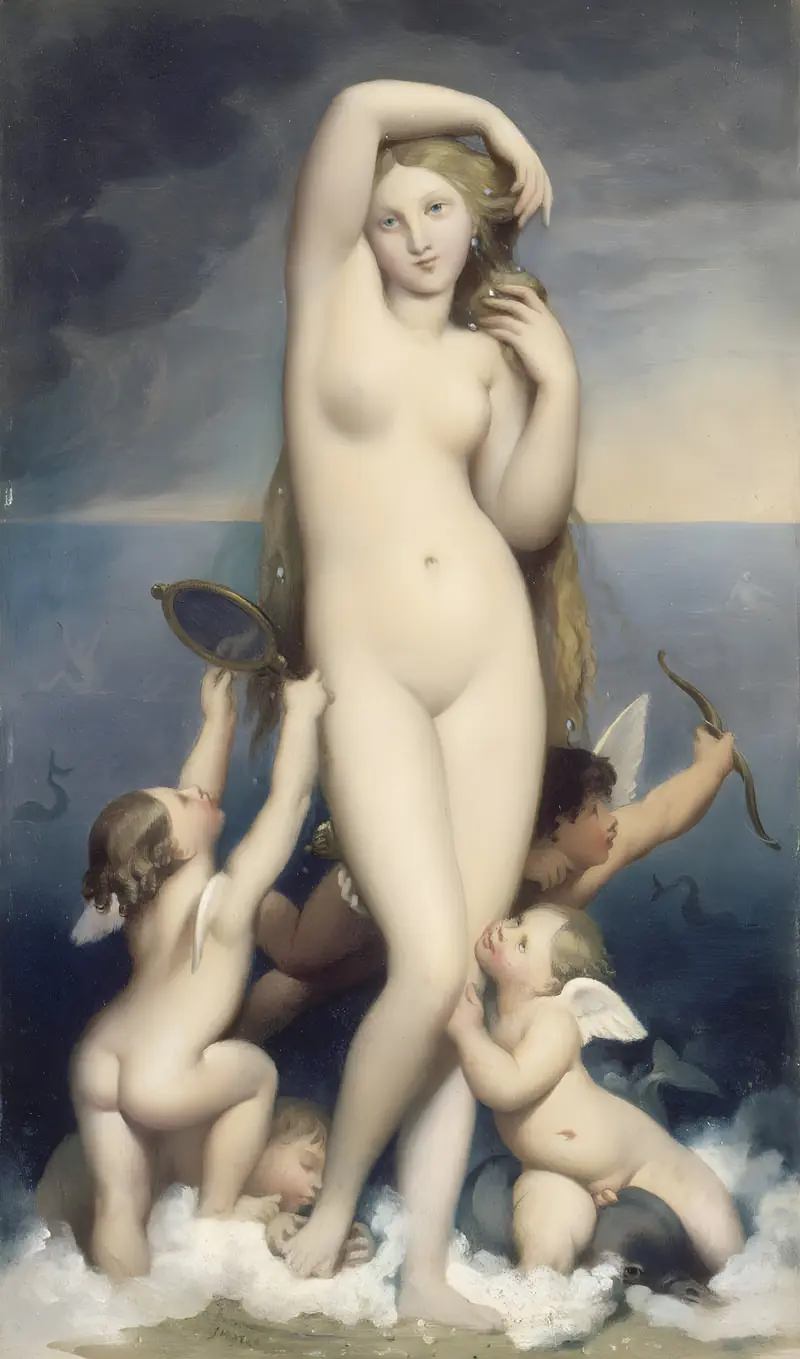
Vénus anadyomène
Jean Auguste Dominique Ingres
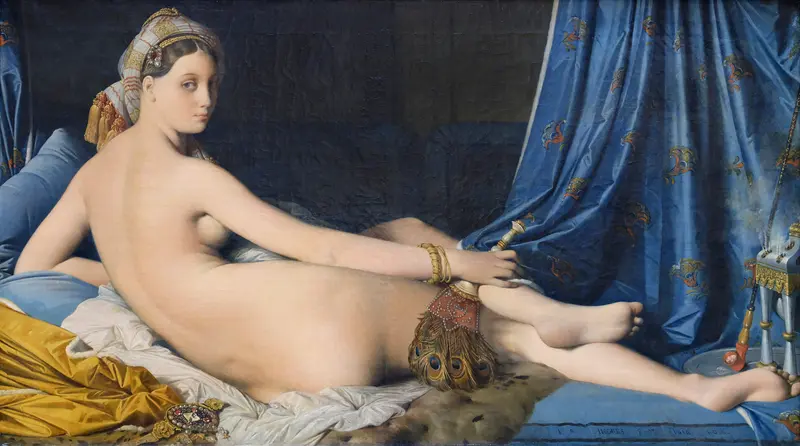
Grande Odalisque
Jean Auguste Dominique Ingres
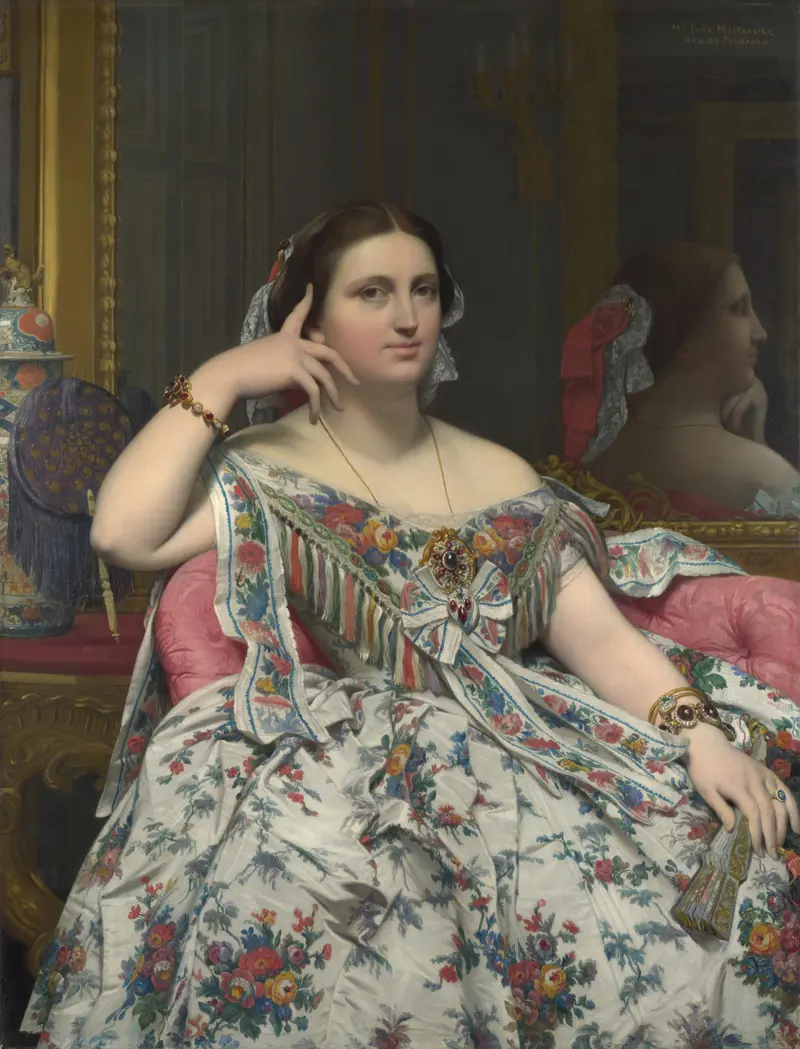
Madame Moitessier (seated)
Jean Auguste Dominique Ingres
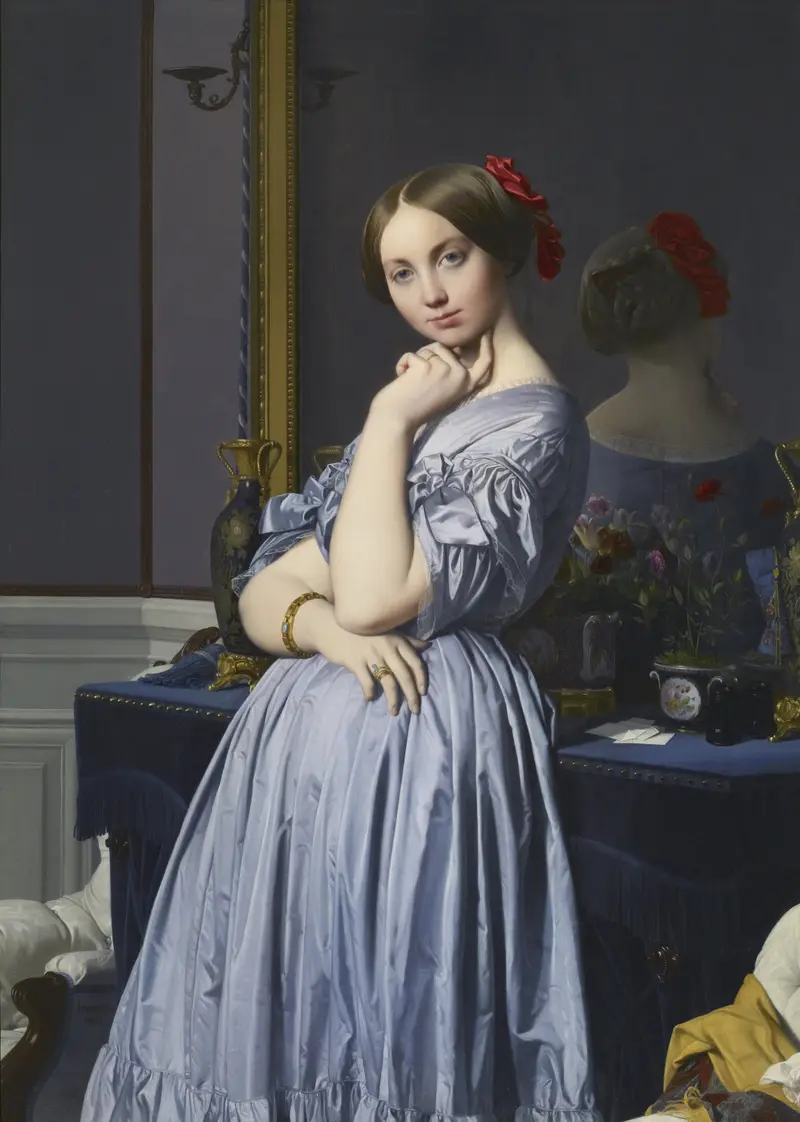
Portrait of Comtesse d’Haussonville
Jean Auguste Dominique Ingres
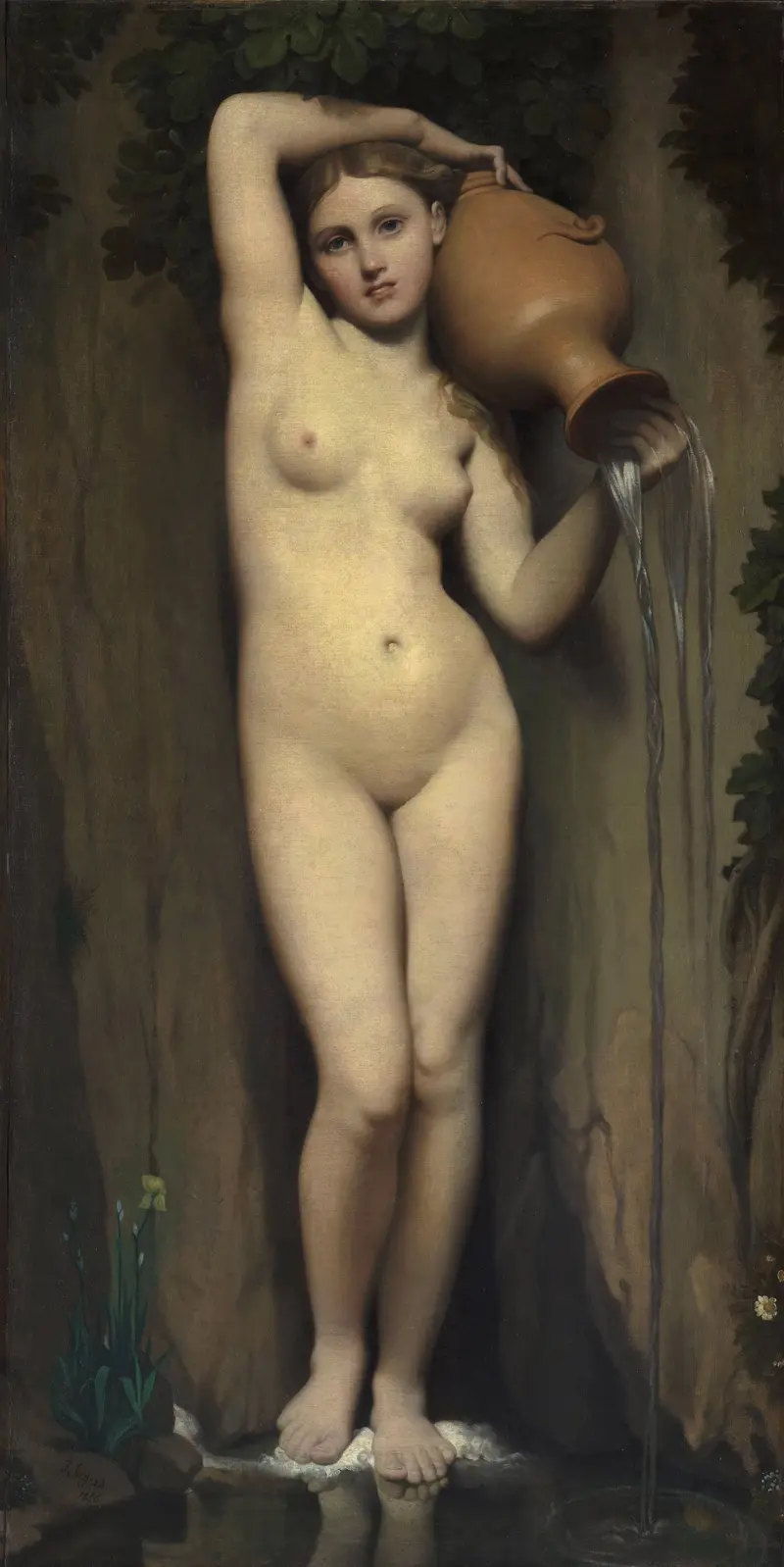
The Source
Jean Auguste Dominique Ingres
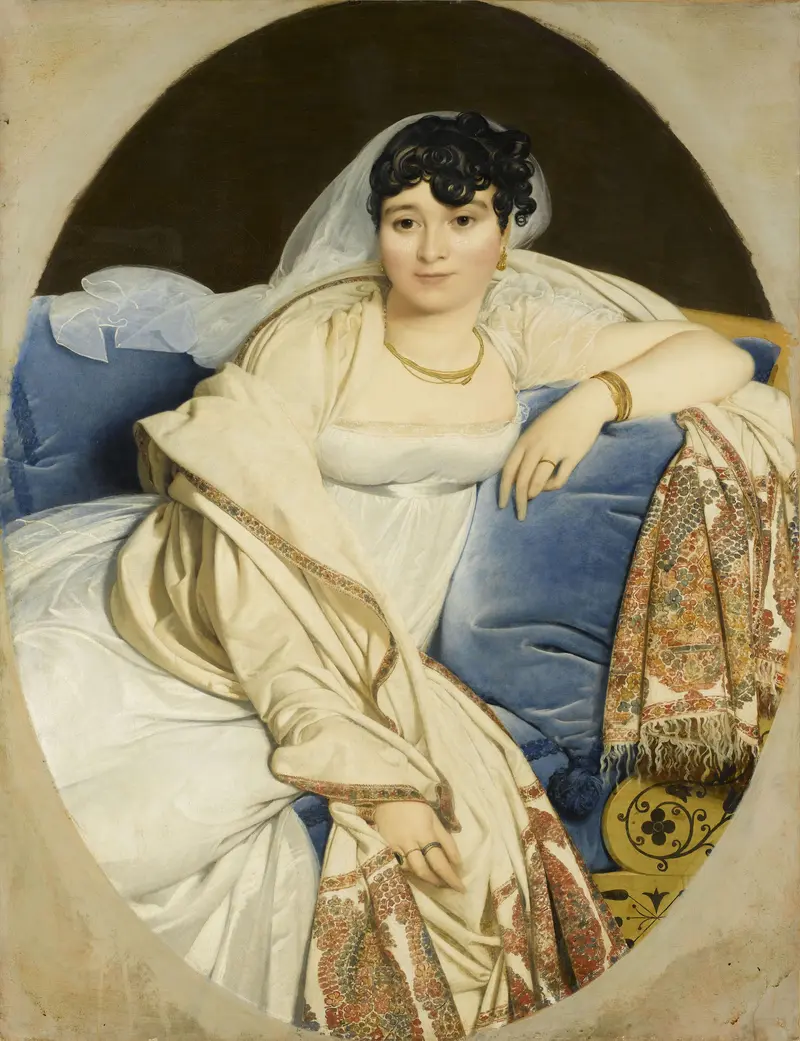
Madame Rivière
Jean Auguste Dominique Ingres

Madame Jean-Auguste-Dominique Ingres, née Madeleine Chapelle
Jean Auguste Dominique Ingres

Portrait of a Lady
Jean Auguste Dominique Ingres
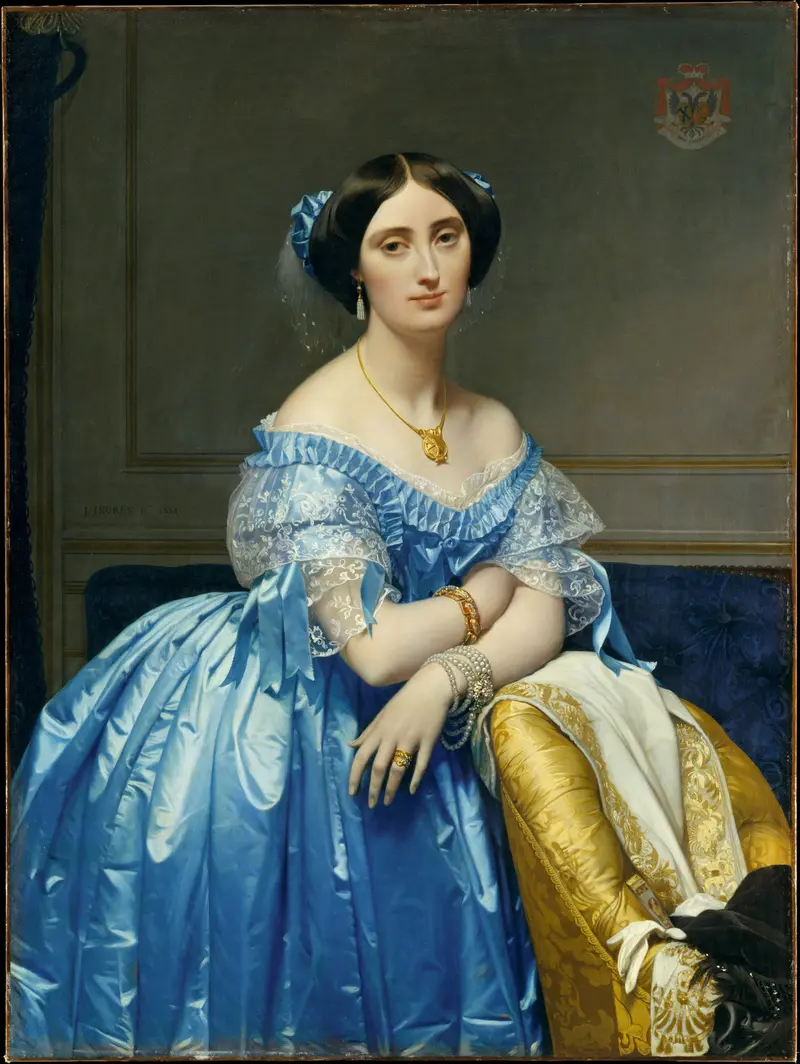
Joséphine-Éléonore-Marie-Pauline de Galard de Brassac de Béarn (1825–1860), Princesse de Broglie
Jean Auguste Dominique Ingres
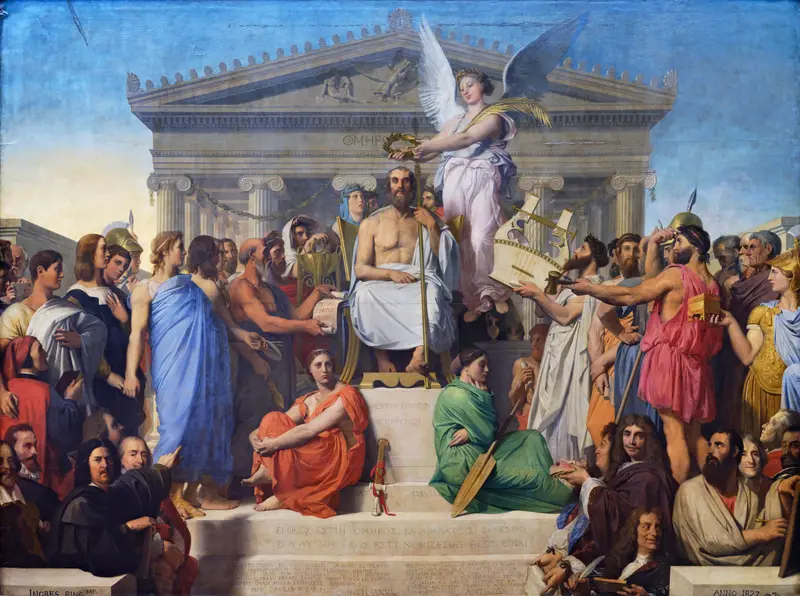
The Apotheosis of Homer
Jean Auguste Dominique Ingres





