
Study of Rocks — History & Facts
What secret hides in the quiet of the canvas? Beneath the surface of stone, there lies a world of innocence, waiting to be discovered. Look to the upper left, where fractured rocks emerge from a soft, muted background, their textures rendered with painstaking detail. The artist’s brushstrokes dance across the surface, creating a delicate interplay of light and shadow that brings the stones to life. Notice how the earthy palette—deep browns, gentle greys, and hints of mossy green—evokes a sense of calm, while the uneven contours of the rocks suggest hidden stories beneath their rugged exteriors. Within this stillness, contrasts emerge.
The solidity of the rocks, often seen as symbols of permanence, juxtaposes with the delicate whispers of nature that surround them. Tiny flecks of light reflect off the surfaces, hinting at the passage of time and the subtle changes that weathering brings. The piece invites contemplation, serving as a reminder that even in the most unyielding forms, there exists a softness—a vulnerability that speaks to the fragility of life itself. During the years 1900 to 1930, Ľudovít Čordák focused on capturing the essence of the natural world in his works, often returning to the theme of rocks and landscapes.
Living in Slovakia, Čordák was influenced by the burgeoning modernist movements in art. This period was marked by a shift towards exploring the relationships between nature and humanity, encapsulating both the strength and fragility found within the elements of the earth.
More Artworks by Ľudovít Čordák
Browse all →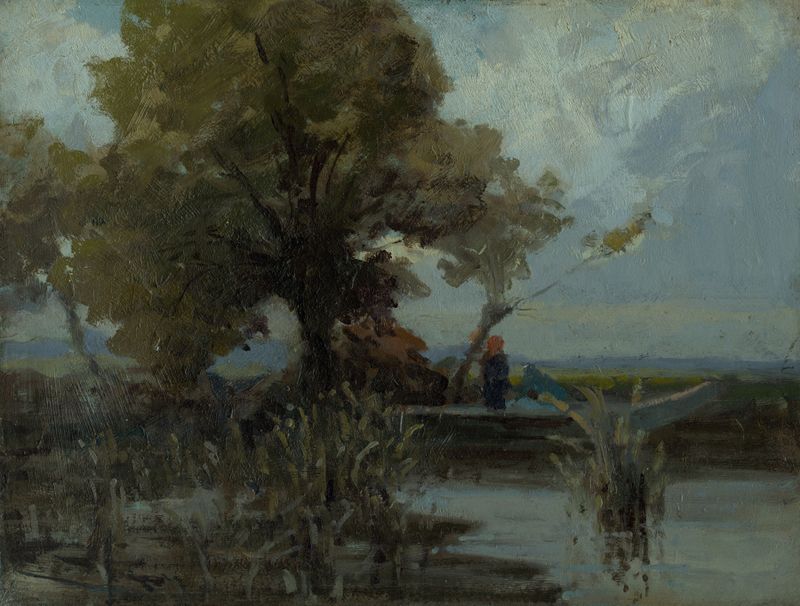
Košatý strom pri jazere
Ľudovít Čordák
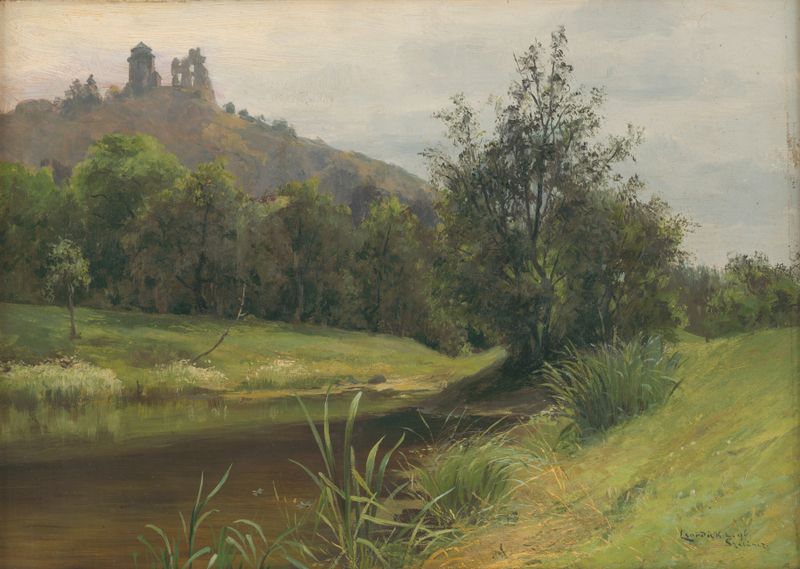
Močarina pod Slaneckým hradom
Ľudovít Čordák
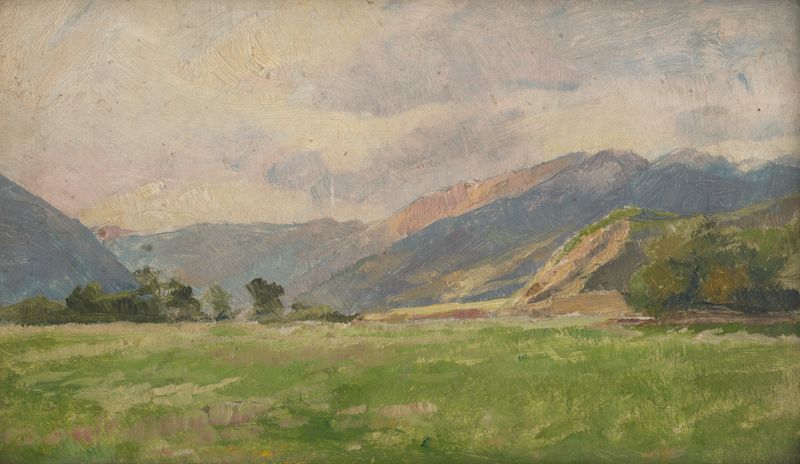
Mountain Meadow
Ľudovít Čordák
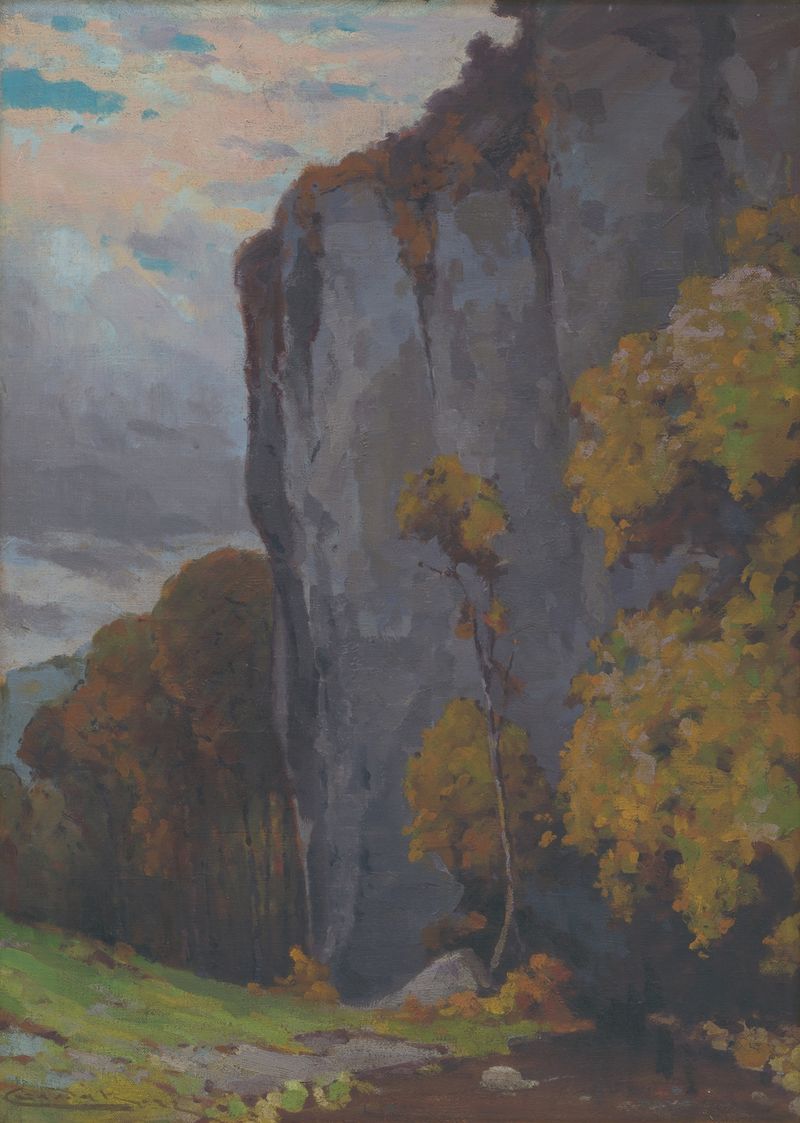
Zádiel
Ľudovít Čordák
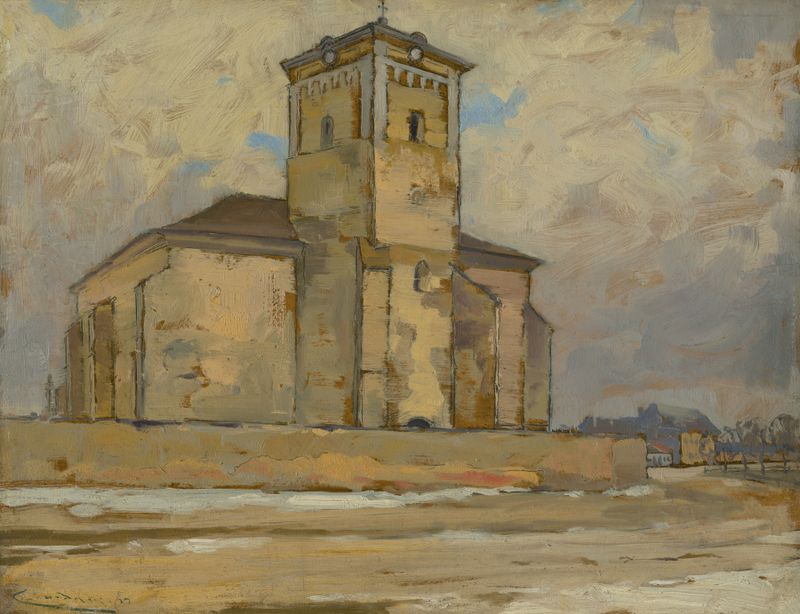
Church in Moldova
Ľudovít Čordák
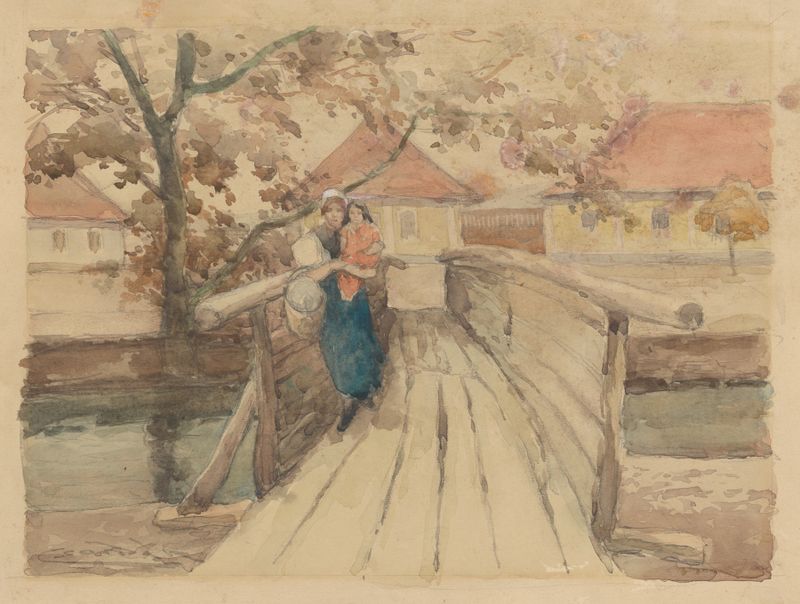
Wooden bridge
Ľudovít Čordák
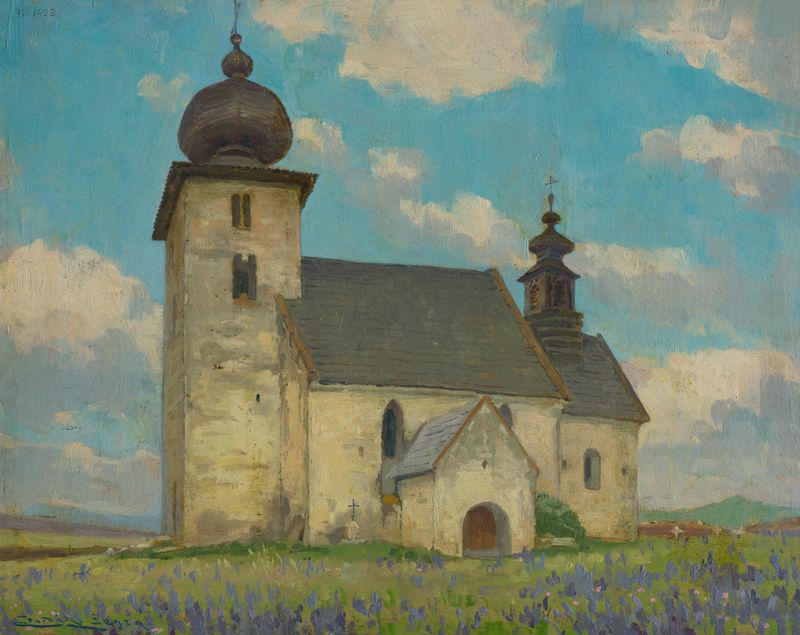
Gothic church in Žehra
Ľudovít Čordák
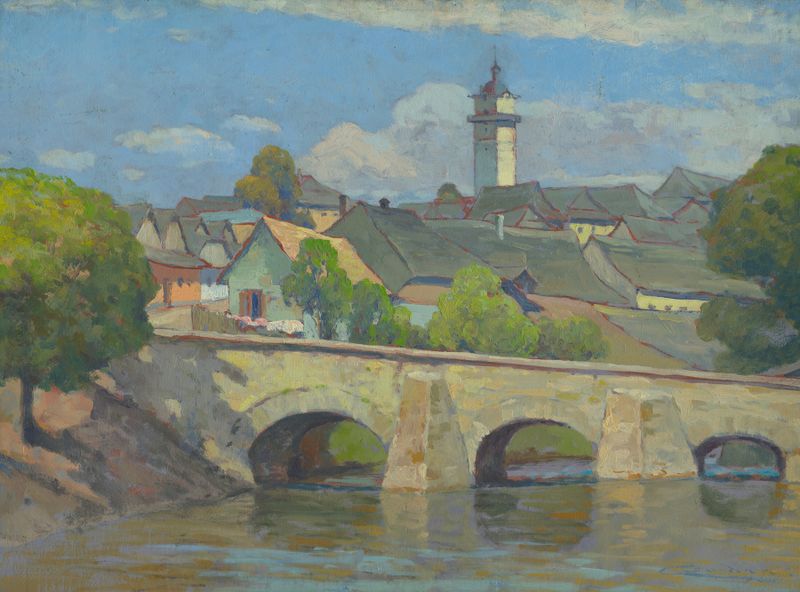
A small town in Spiš
Ľudovít Čordák
At Sunset
Ľudovít Čordák
Forest
Ľudovít Čordák





