
Summer landscape with birches — History & Facts
Could beauty survive in a century of chaos? The answer lies in serene landscapes, where nature whispers its timeless truths amidst the turmoil of human existence. Look to the left at the elegant birch trees, their white trunks rising like graceful sentinels against a lush green backdrop. The artist employs gentle brushstrokes that create a sense of movement in the leaves, as if they dance with the warm summer breeze. Notice how the light cascades through the canopy, casting dappled shadows on the ground, inviting the viewer to step into this tranquil haven.
The palette is dominated by soft greens and golden hues, evoking warmth and a sense of peace. Beneath this surface beauty, there are tensions that hint at deeper layers of meaning. The contrast between the delicate birches and the vibrant, untamed grass speaks to the balance of fragility and resilience in nature. The stillness of the scene belies an undercurrent of the chaos of the world outside the canvas, a silent reminder that tranquility can exist even when surrounded by unrest.
Each element contributes to a greater narrative of survival and harmony amid the chaos of the early 20th century. In 1915, Ľudovít Čordák painted this work during a tumultuous period marked by World War I, which rattled the foundations of society. Living in Hungary, he was influenced by the changing art movements of his time, blending impressionist techniques with local themes. This painting reflects both his personal aspiration for peace and the collective yearning for beauty amidst the global upheaval, capturing a fleeting moment of serenity that resonates through time.
More Artworks by Ľudovít Čordák
Browse all →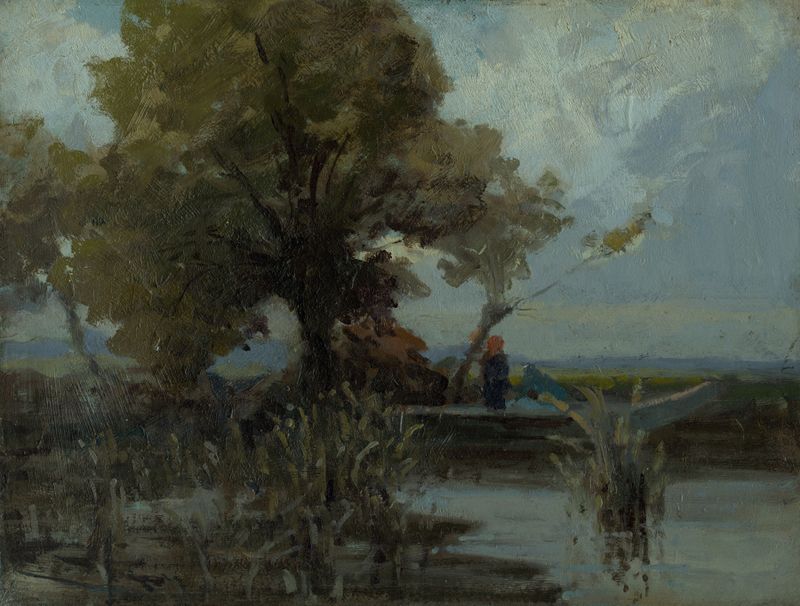
Košatý strom pri jazere
Ľudovít Čordák
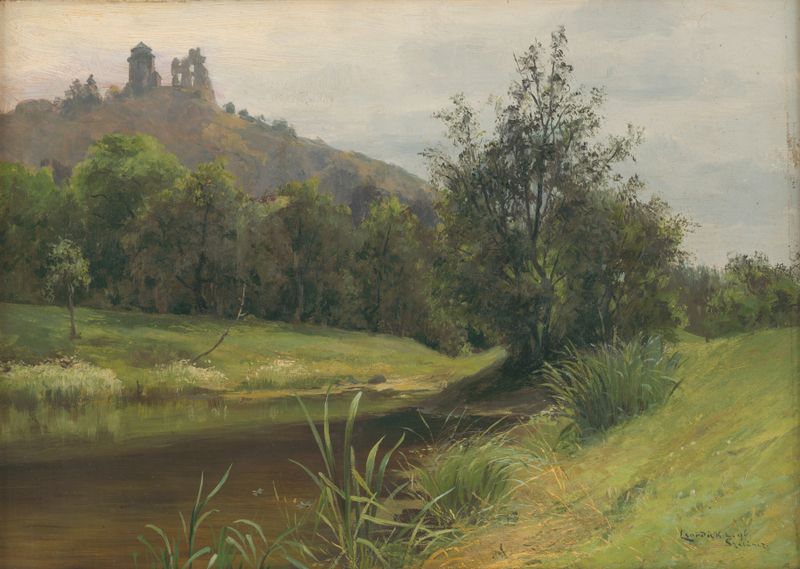
Močarina pod Slaneckým hradom
Ľudovít Čordák
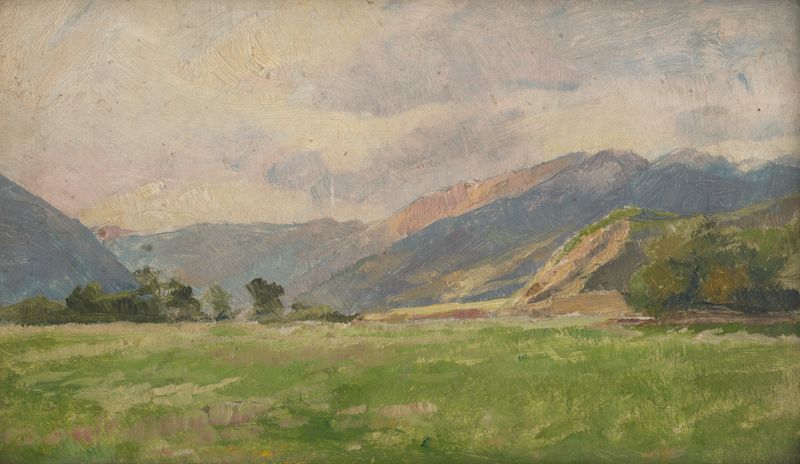
Mountain Meadow
Ľudovít Čordák
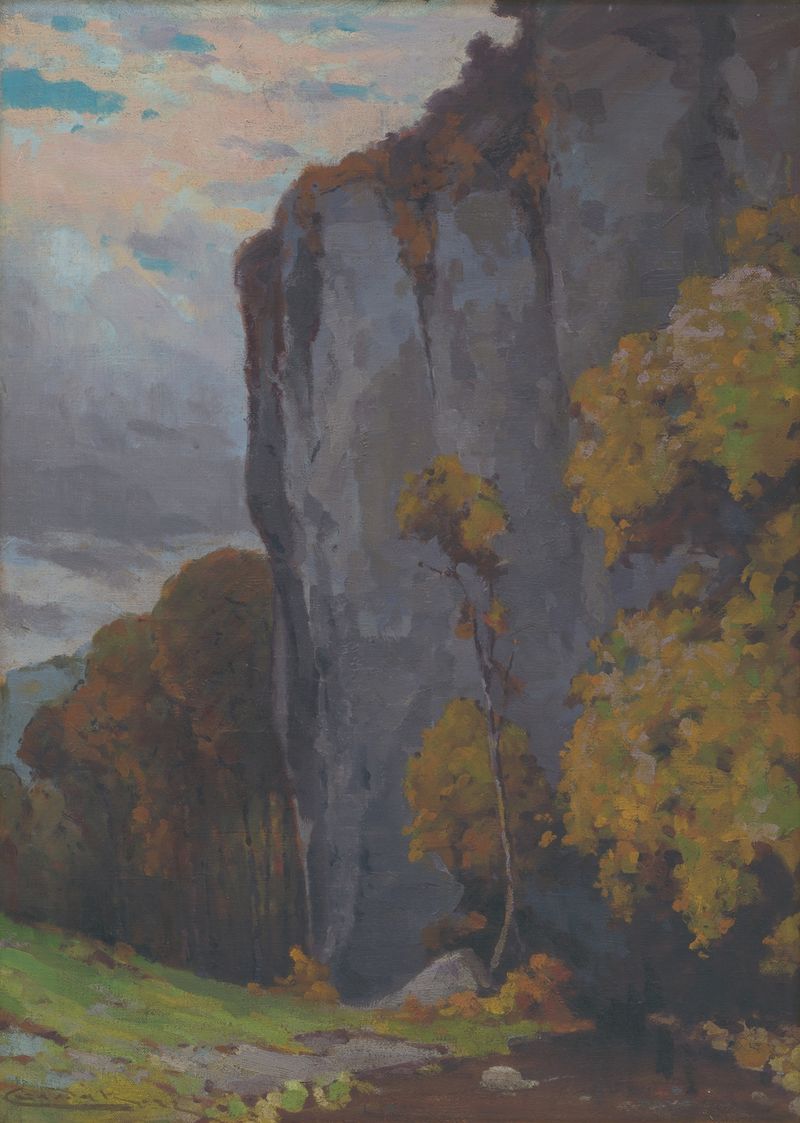
Zádiel
Ľudovít Čordák
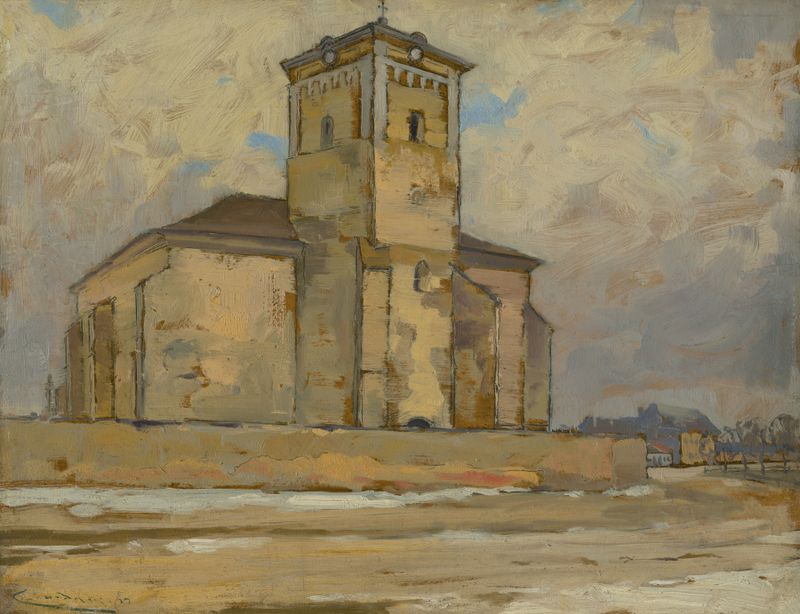
Church in Moldova
Ľudovít Čordák
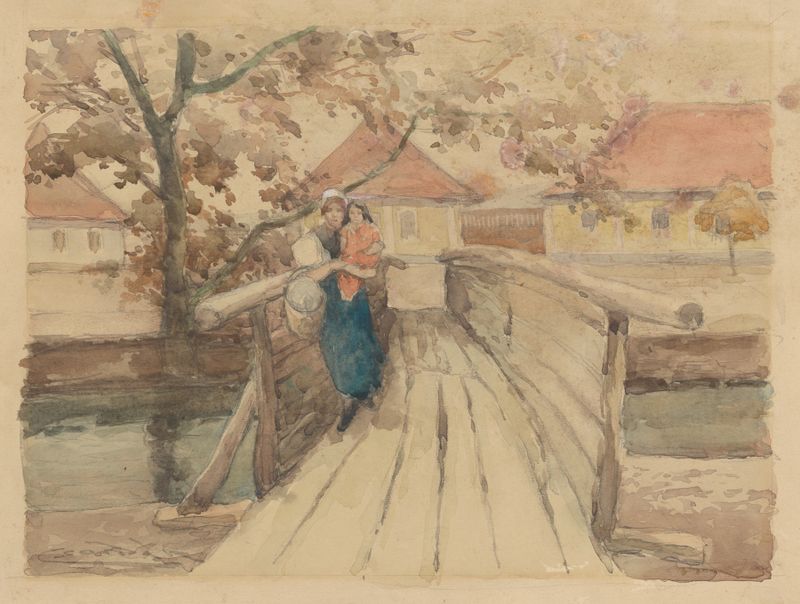
Wooden bridge
Ľudovít Čordák
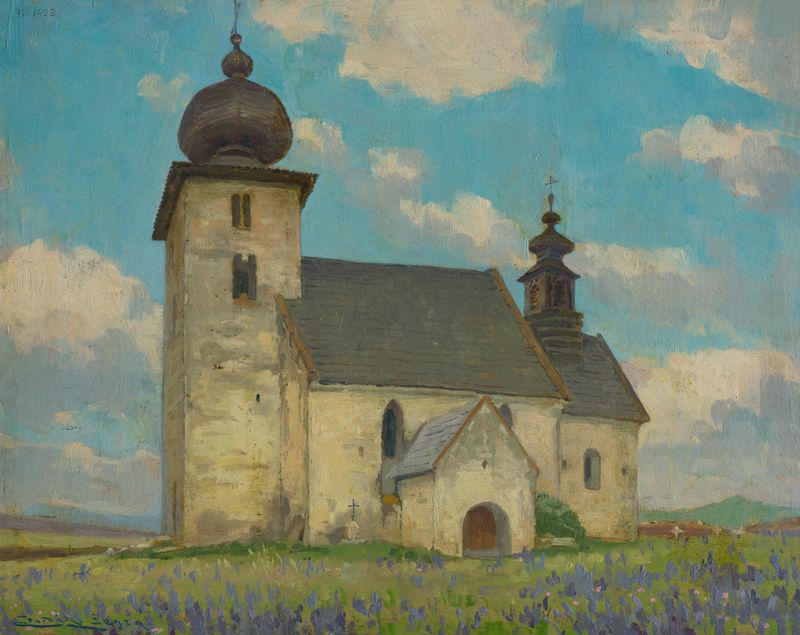
Gothic church in Žehra
Ľudovít Čordák
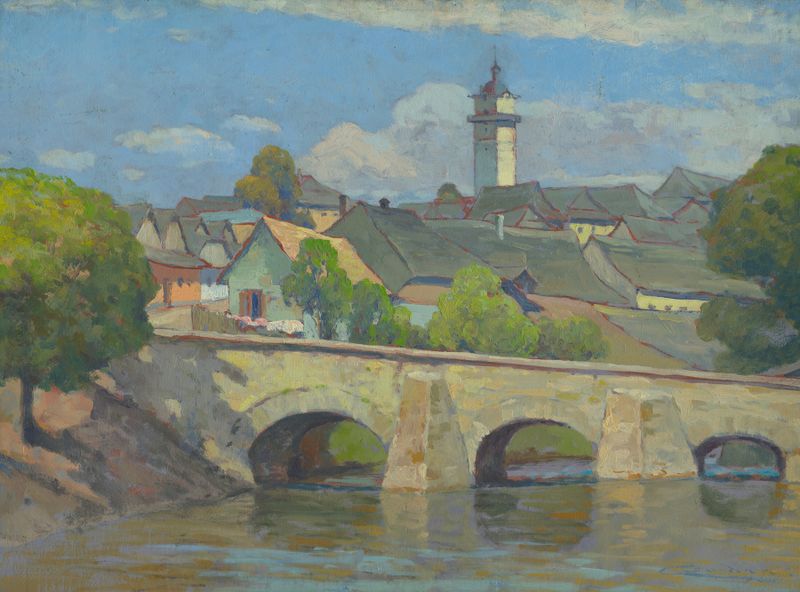
A small town in Spiš
Ľudovít Čordák
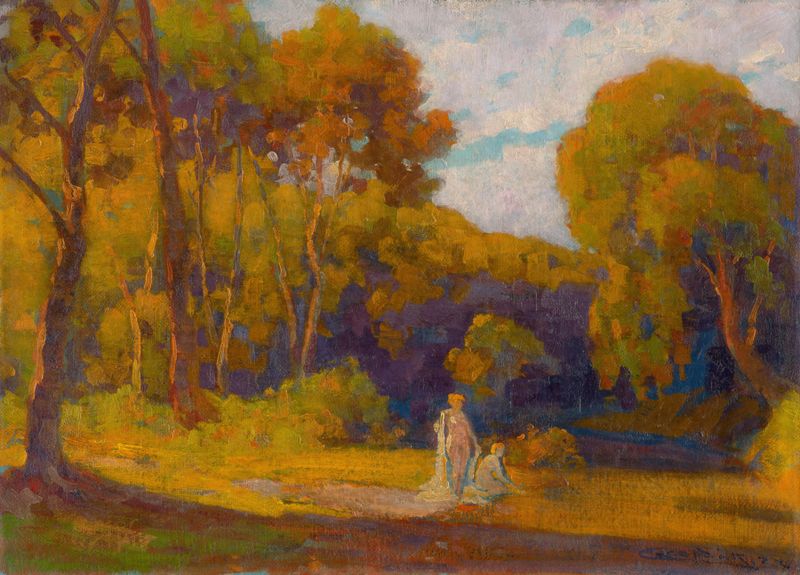
At Sunset
Ľudovít Čordák
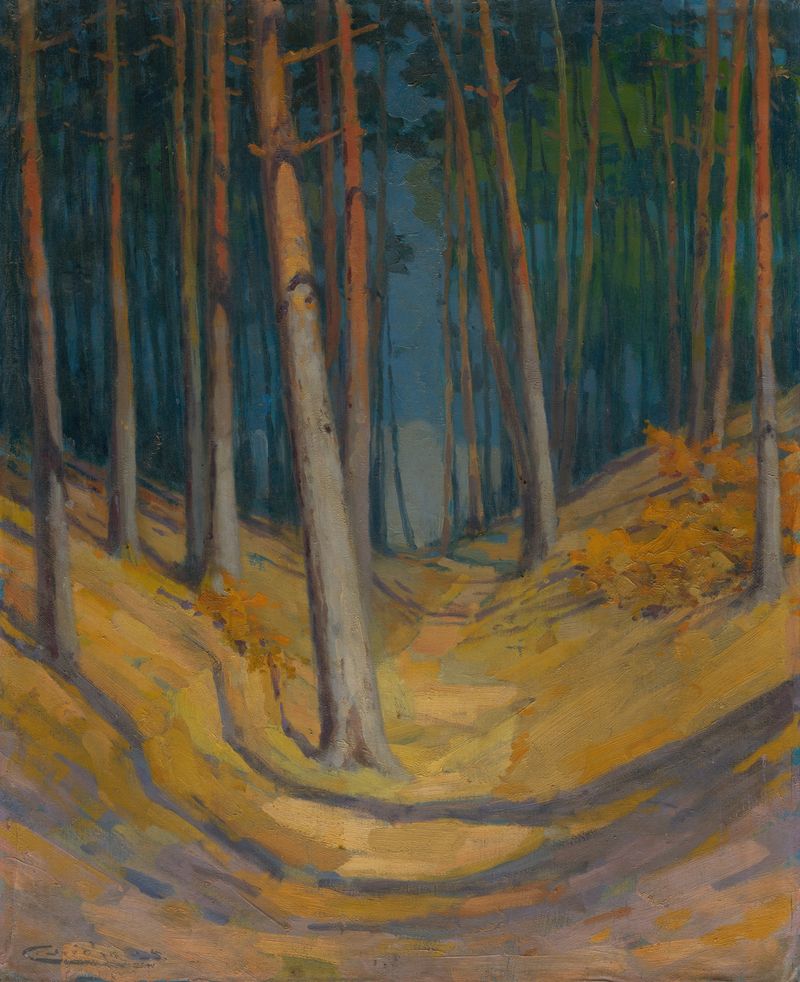
Forest
Ľudovít Čordák





