
Summer Snow on the Peaks — History & Facts
What first arrests the eye in Summer Snow on the Peaks is the quiet drama of light: sunlight brushes the uppermost ridges and snowfields, while the valleys below sink into a cool shadow. The mountain’s jagged silhouette rises abruptly from the darkened foothills, its snow patches catching the last gold of day or perhaps the first light of morning. The painter leads the viewer upward, from the indistinct, almost formless foreground, through rolling shadowed hills, to the crisp, geometric clarity of the peaks.
The contrast between the sharp, illuminated summits and the brooding lower slopes hints at a world where weather and time are always in flux, and where the mountain’s grandeur is both inviting and remote. Painted by Albert Bierstadt sometime between circa 1870 and 1880, this work belongs to a period when American artists turned their gaze westward, seeking to capture the vastness and wildness of the continent. Such landscapes were often created for collectors eager to bring the majesty of distant places into their homes, or for exhibitions that promised viewers a vicarious journey into the unknown. The painting now resides in the Whitney Gallery of Western Art, a fitting home for a work that reflects both the ambitions and the anxieties of an era fascinated by nature’s scale.
History has kept few traces of this particular canvas’s journey, but its luminous peaks still invite us to stand at the foot of a mountain and look up, wondering what lies beyond the next ridge.
More Artworks by Albert Bierstadt

A Storm in the Rocky Mountains, Mt. Rosalie
Albert Bierstadt
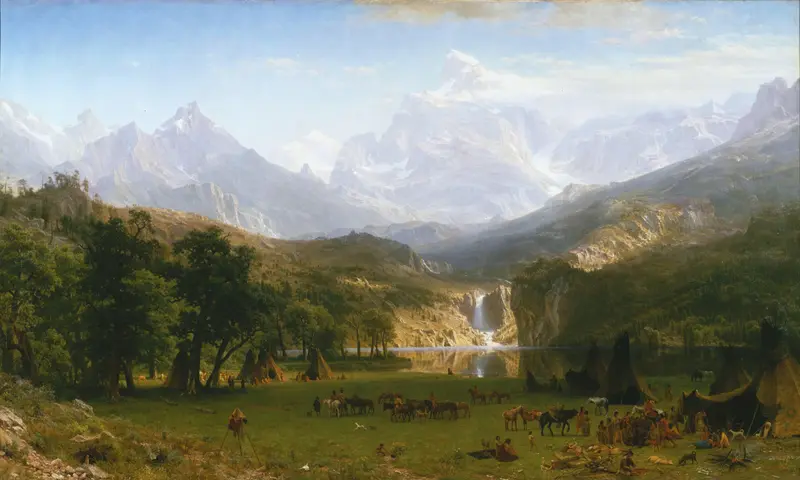
The Rocky Mountains, Lander's Peak
Albert Bierstadt
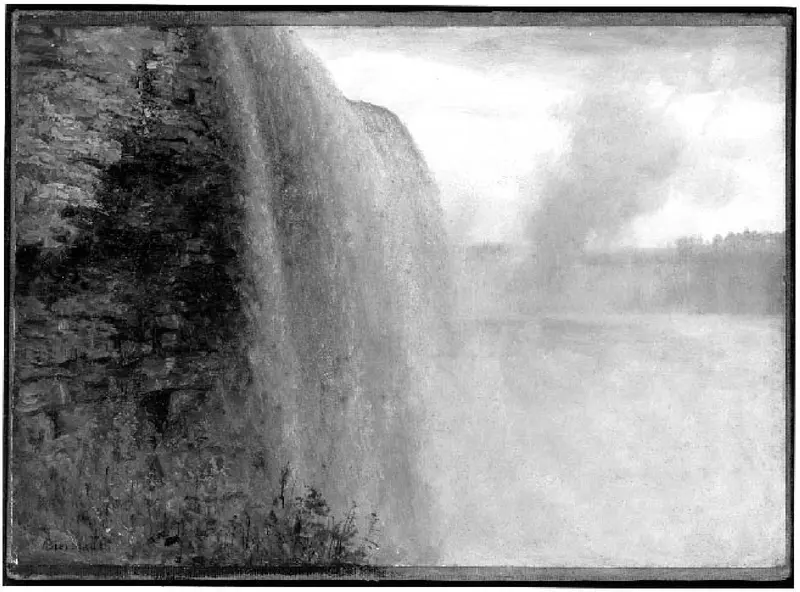
Niagara from the American Side
Albert Bierstadt
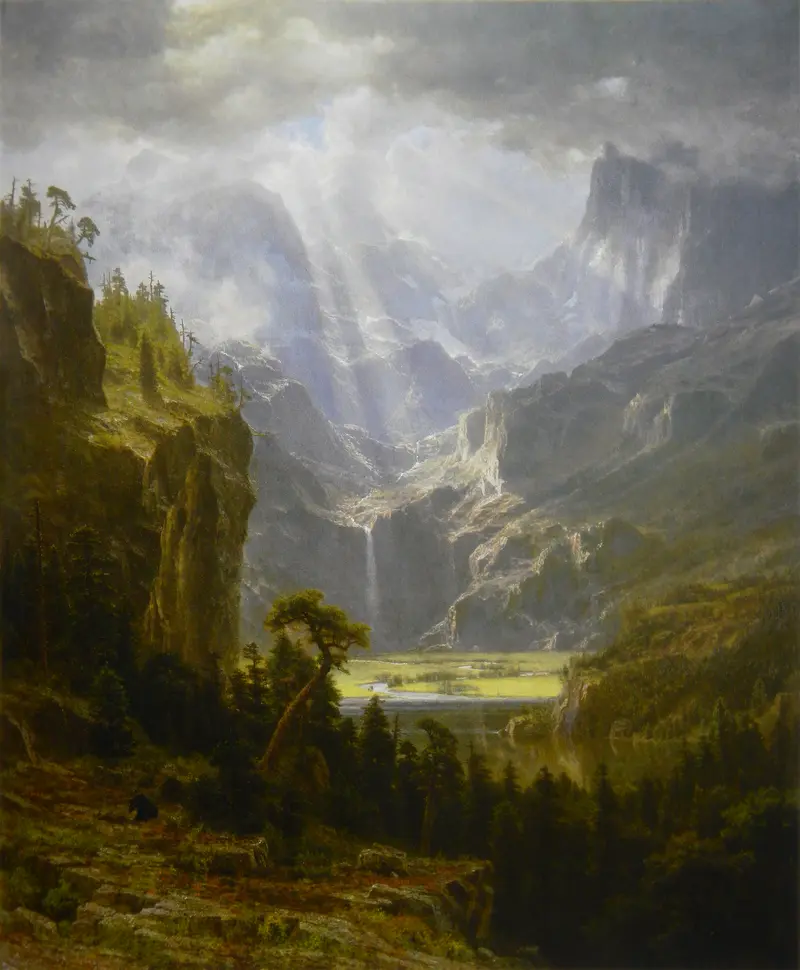
Rocky Mountains, Lander’s Peak
Albert Bierstadt

Valley of the Yosemite
Albert Bierstadt
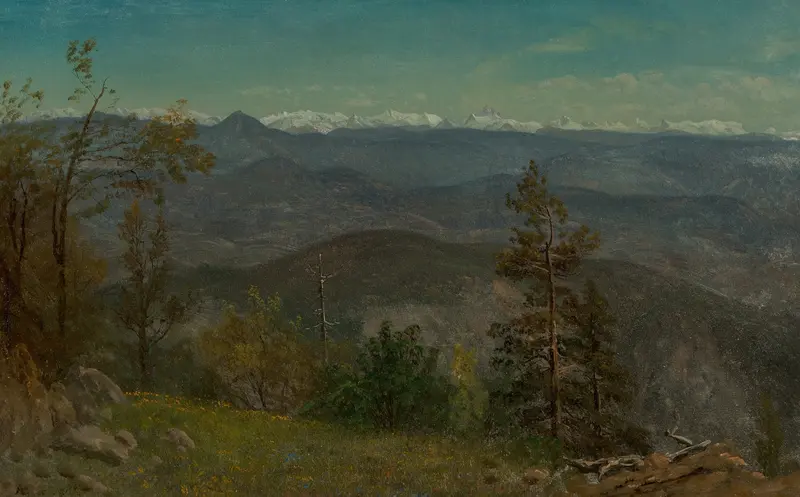
Yosemite Valley, California
Albert Bierstadt
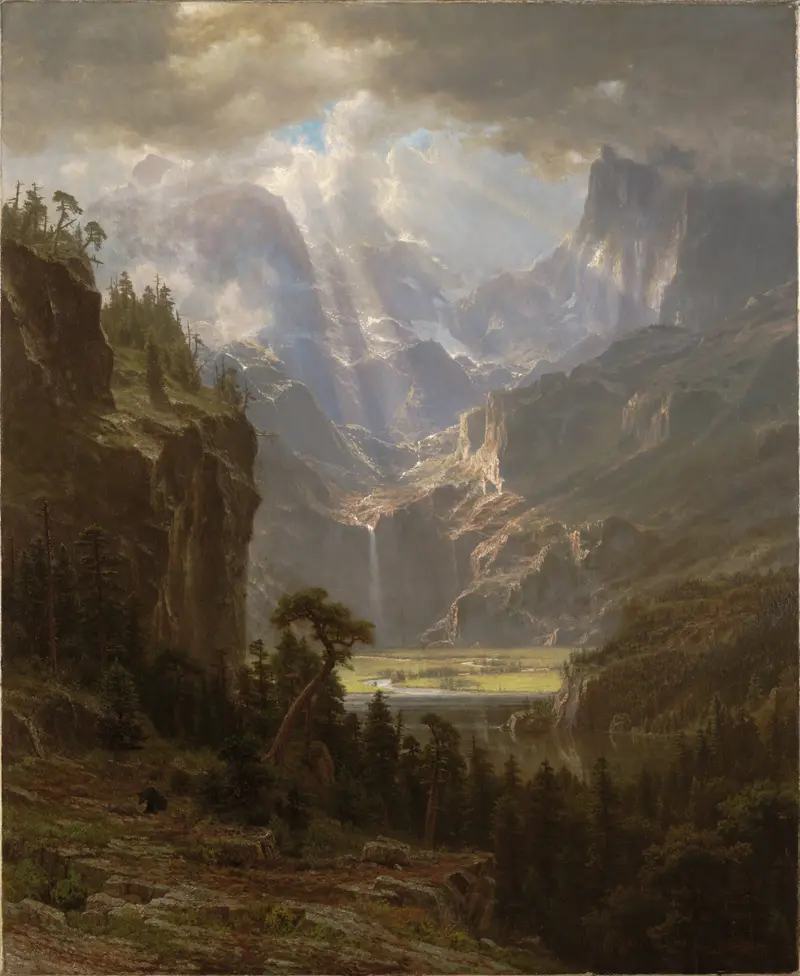
Rocky Mountains, "Lander's Peak"
Albert Bierstadt

Laramie Peak
Albert Bierstadt
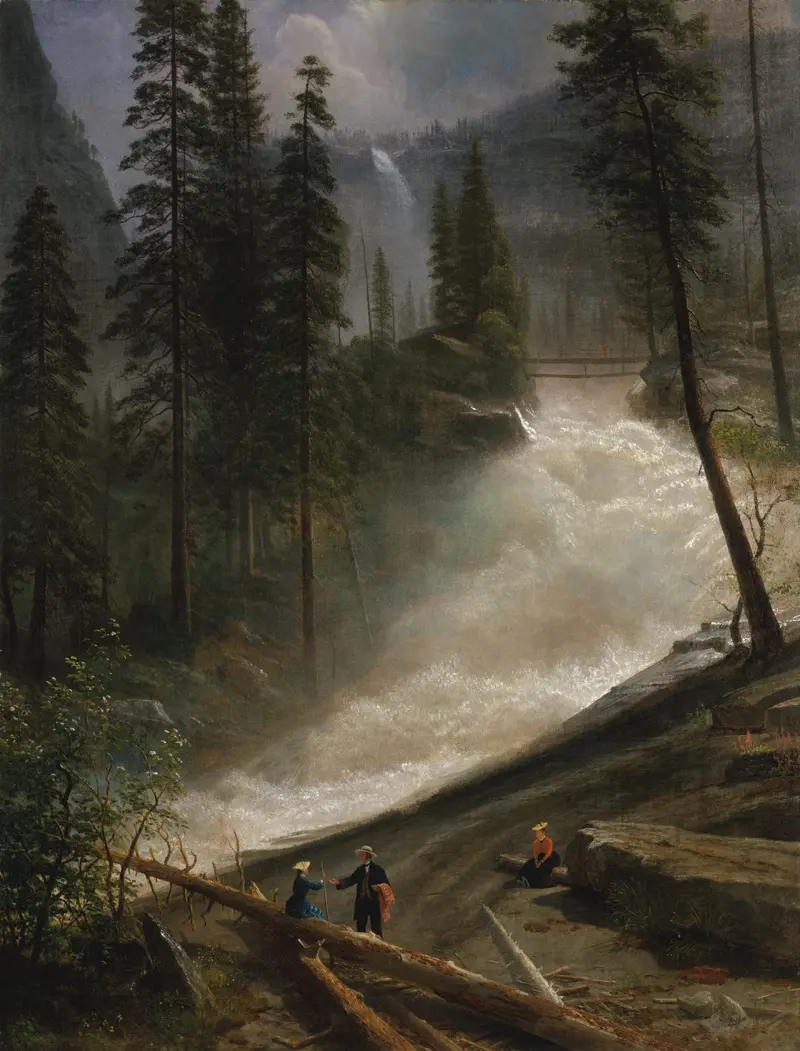
Nevada Falls, Yosemite
Albert Bierstadt
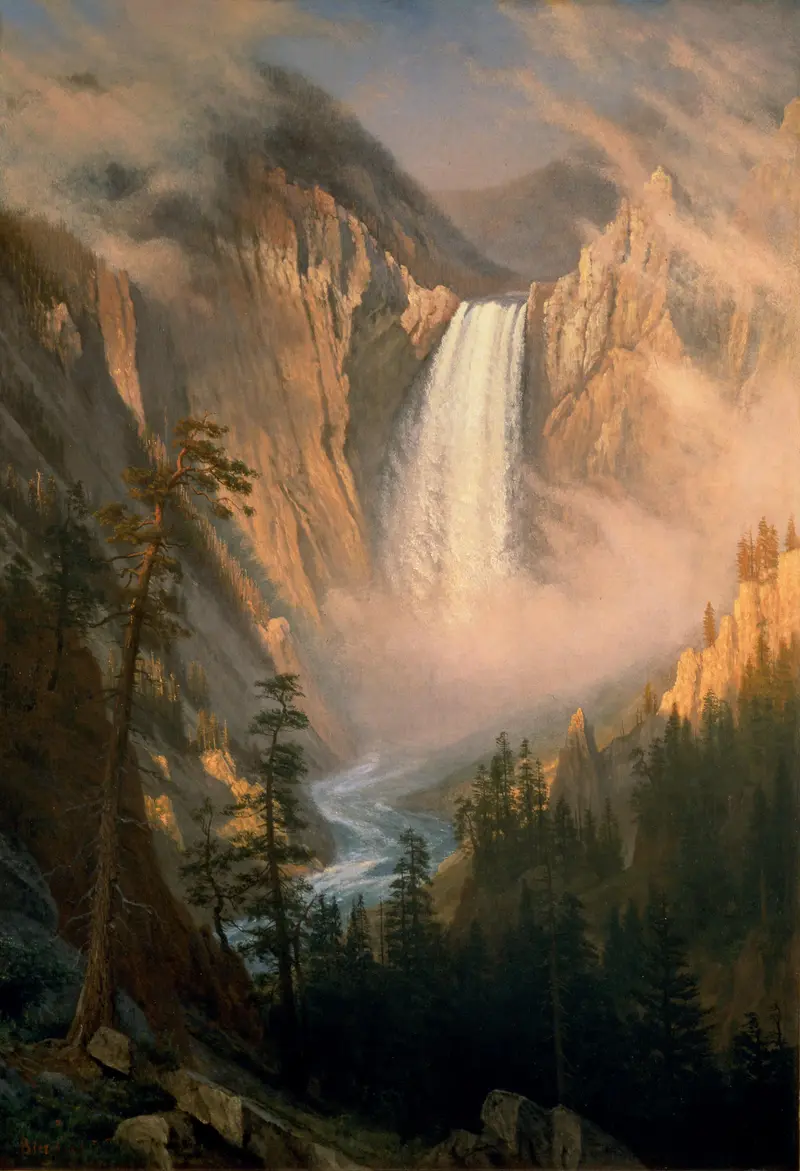
Yellowstone Falls
Albert Bierstadt
More Landscape Art

The Starry Night
Vincent van Gogh

View of Delft
Johannes Vermeer

Water Lilies
Claude Monet

The Grand Canal, Venice, looking north-west from the Ca' Corner to the Ca' Contarini degli Scrigni, with the campanile of Santa Maria della Carità
Canaletto

Windsor Castle
Canaletto

The Grand Canal looking North-East from the Palazzo Dolfin-Manin to the Rialto Bridge
Canaletto