
Sunset — History & Facts
Can paint confess what words never could? In Sunset, Samuel Palmer captures a celestial transition, inviting the viewer into a realm that blurs the lines between the earthly and the divine. The lush landscape, bathed in golden hues, whispers of a world imbued with mystical light and enigmatic beauty. Focus first on the horizon where the sun descends, casting warm oranges and soft pinks across the sky. Notice how the delicate strokes create a sense of movement, allowing the colors to blend seamlessly as they embrace the encroaching twilight.
To the left, shadowy trees frame the scene, their dark forms offering a compelling contrast to the radiant sky, while a tranquil river reflects the vivid light, guiding the eye across the canvas. This artwork is rich with emotional tension; it speaks of transience and the sacred nature of a fleeting moment. The juxtaposition of light and dark not only enhances the drama of the sunset but also symbolizes the eternal dance between hope and despair. The ethereal quality of the light suggests a divine presence, compelling the viewer to consider the mysteries that lie beyond the visible world. Samuel Palmer painted Sunset during a period of profound exploration in his career, likely in the mid-19th century while living in London.
At this time, he was influenced by Romanticism, seeking to convey spiritual themes through landscape art. His innovative use of color and emotion reflects a broader artistic movement that sought to capture the sublime, as well as his personal quest for meaning amidst the changing artistic landscape.
More Artworks by Samuel Palmer
Browse all →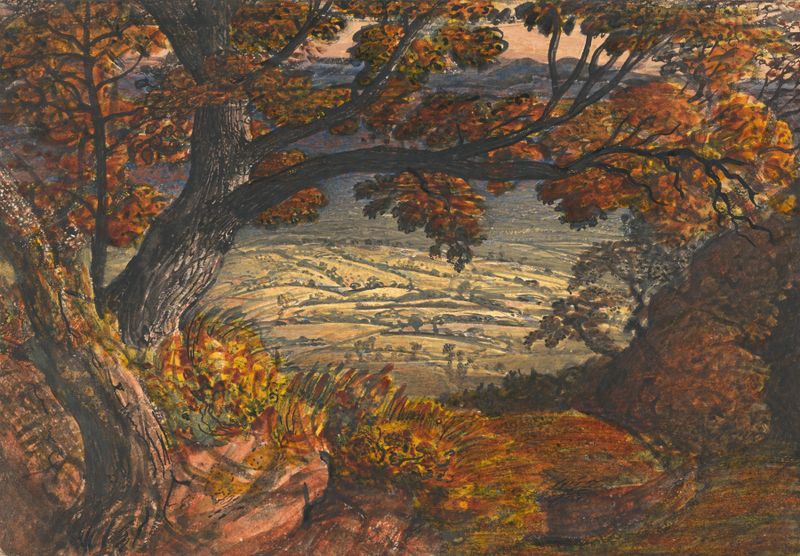
The Weald of Kent
Samuel Palmer
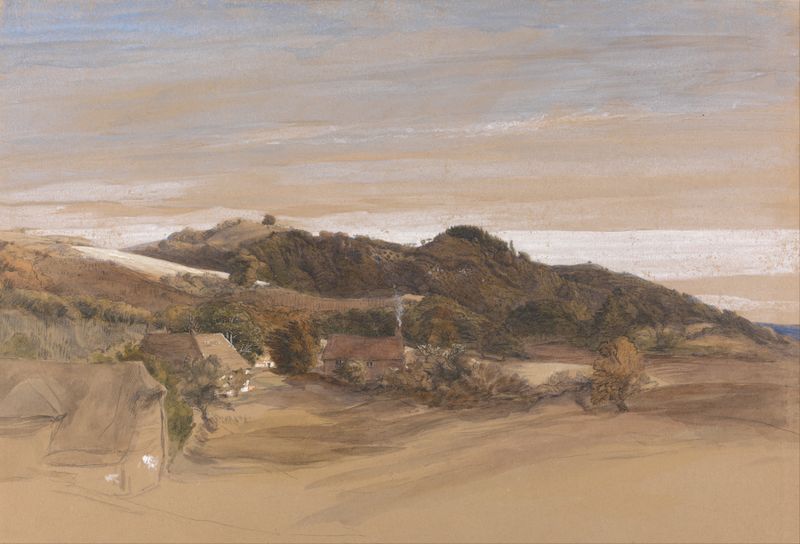
Underriver Hills, near Sevenoaks, Kent, from the Grounds of J. Herries, Esq.
Samuel Palmer
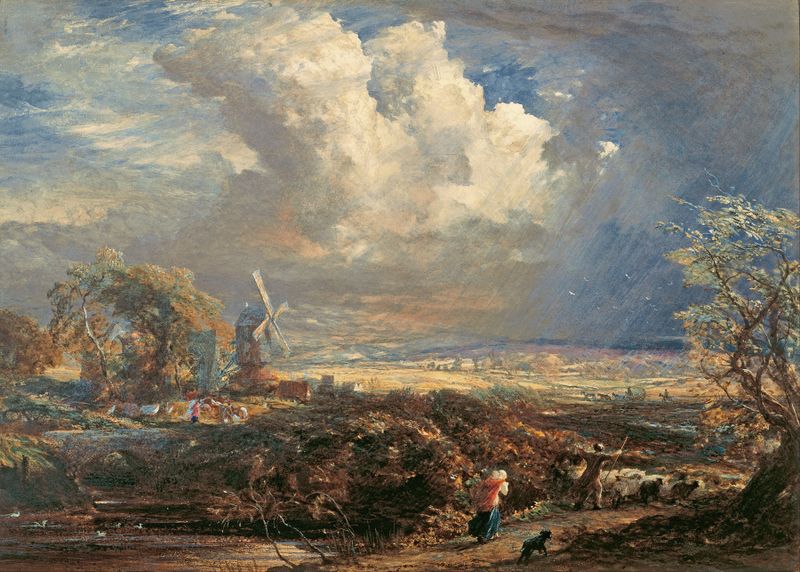
Summer Storm near Pulborough, Sussex
Samuel Palmer
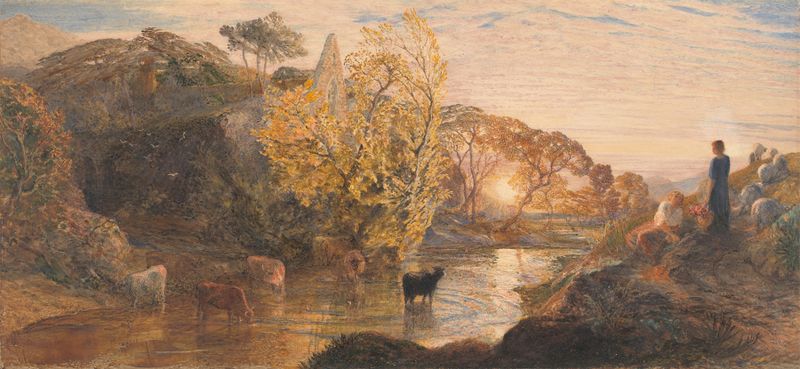
Tintern Abbey at Sunset
Samuel Palmer
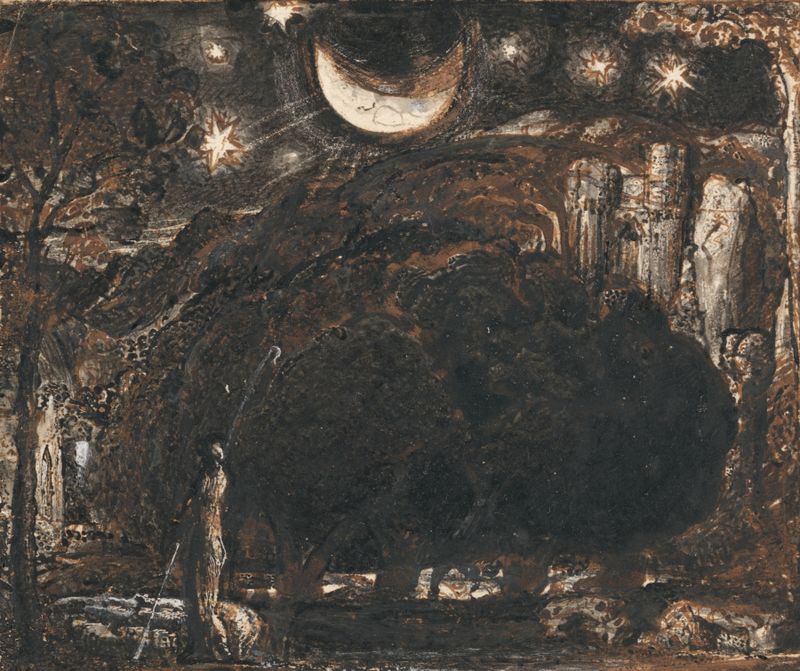
A Shepherd and his Flock under the Moon and Stars
Samuel Palmer
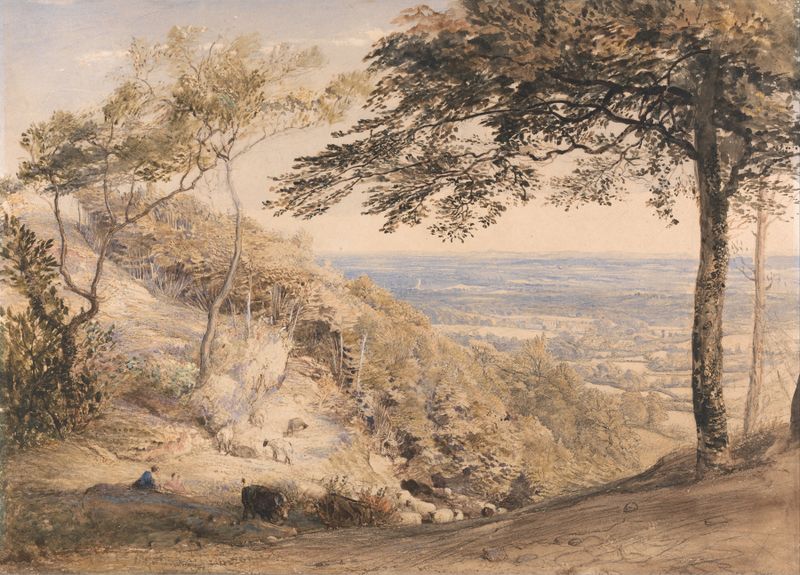
Wilmot’s Hill, Kent
Samuel Palmer
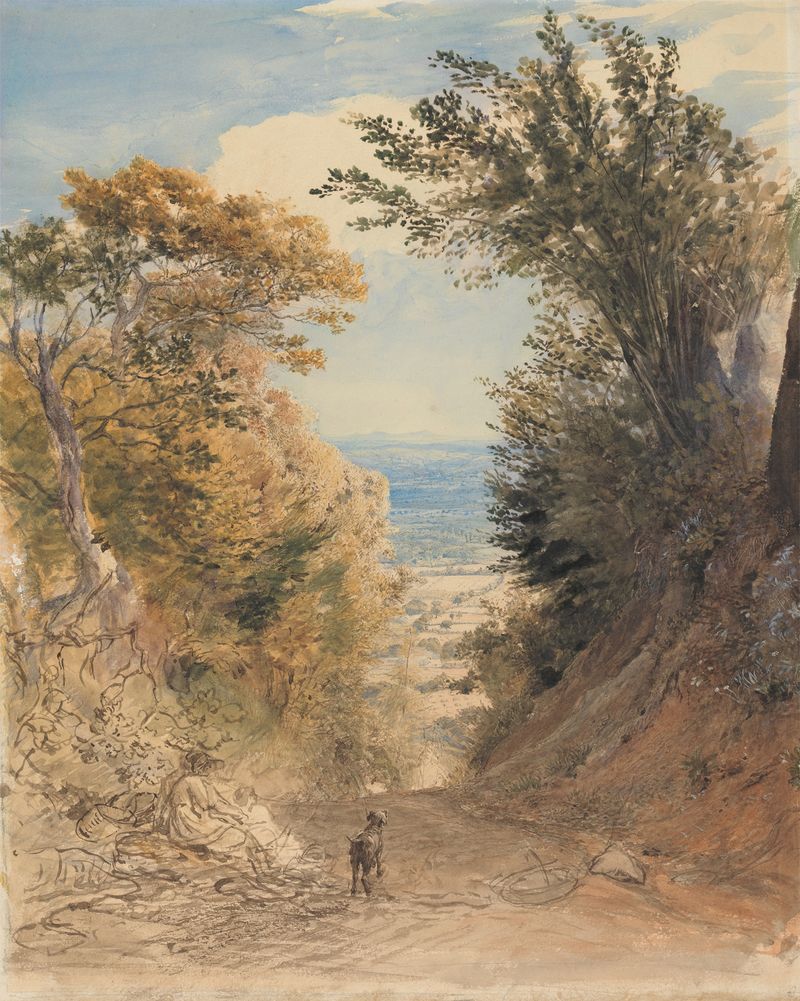
View from Rook’s Hill, Kent
Samuel Palmer
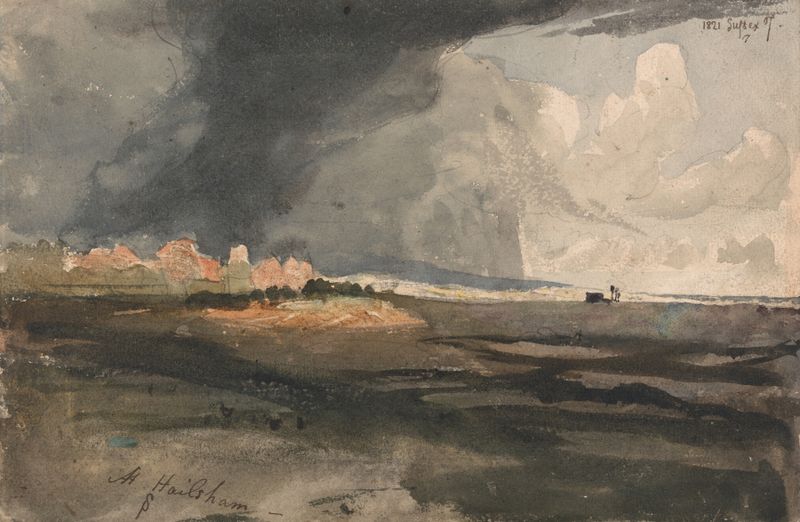
At Hailsham, Sussex; a Storm Approaching
Samuel Palmer
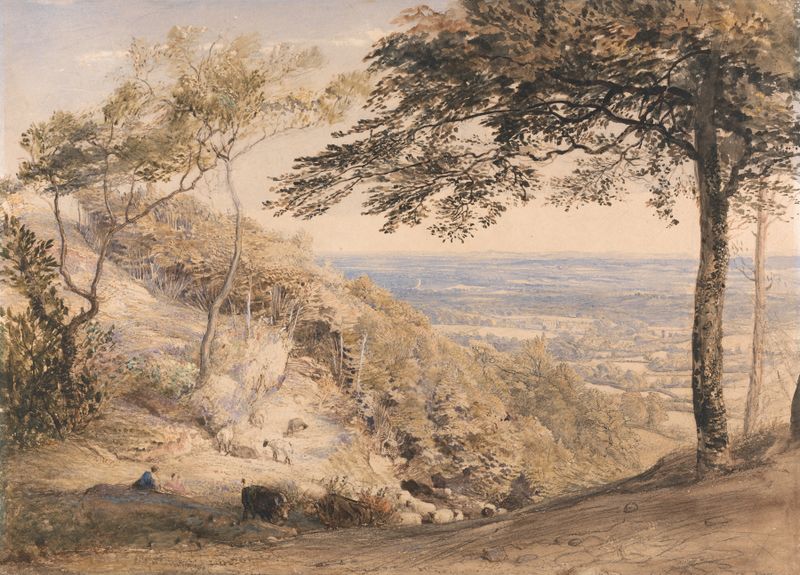
Wilmot’s Hill, Kent
Samuel Palmer
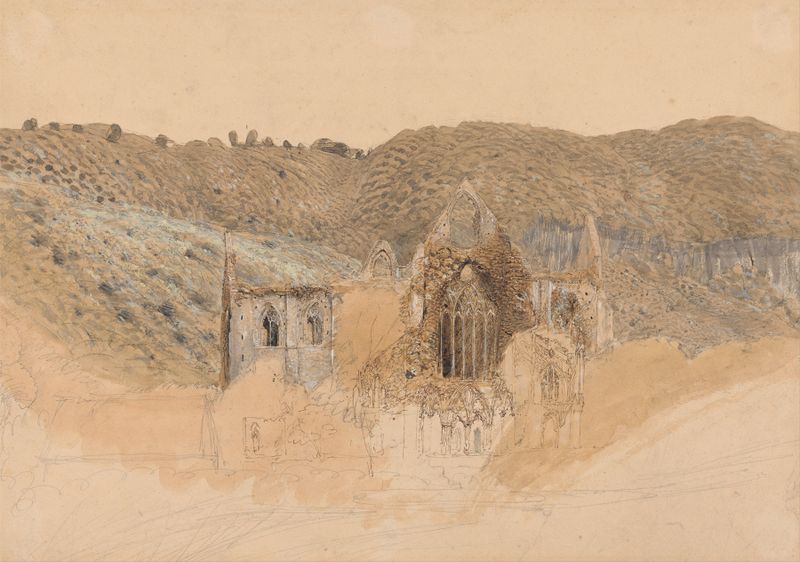
Tintern Abbey
Samuel Palmer





