
Sunset Over the Hill — History & Facts
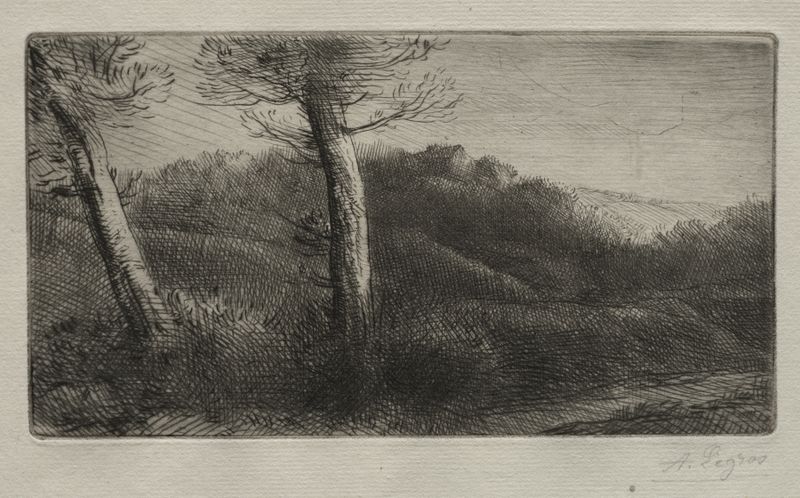
When did color learn to lie? The hues of sunset can deceive, draping the world in beauty while cloaking the relentless march of time beneath their vibrant embrace. Look to the left at the soft blend of oranges and purples that bleed into the horizon, casting a warm glow over the rolling hills. Notice how the gentle strokes of paint create a texture that evokes the fleeting nature of dusk, inviting the viewer to linger just a moment longer. The subtle variations in color draw the eye across the canvas, guiding us through the serene landscape where day yields to night with a tranquil dignity. Beneath the surface beauty lies a tension between permanence and transience.
The sun sets not only as a daily ritual but as a reminder of life’s impermanence, where every sunset marks an end but also promises a new dawn. The silhouettes of distant trees stand resolutely against the fading light, suggesting resilience in the face of inevitable change—a poignant echo of the artist’s own reflections on time and existence. In the 1800s, Alphonse Legros created this piece during a period marked by transition in both his life and the art world. Immersed in the rich cultural milieu of Paris, he grappled with his identity as an artist amidst the rise of Impressionism, striving to find his voice within the evolving landscape.
It was a time when nature's depiction was shifting, and this painting reflects not just the beauty of the moment, but also a deep contemplation of time’s passage and the artist’s place within it.
More Artworks by Alphonse Legros
Browse all →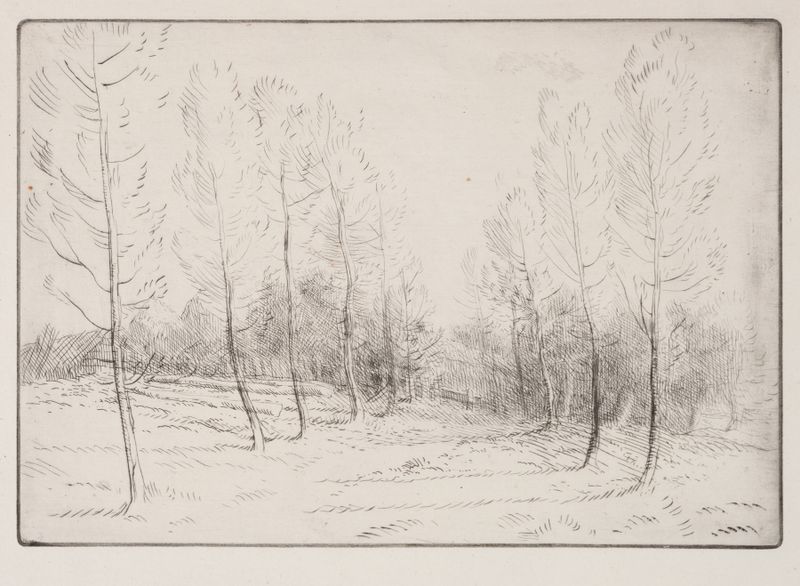
Avenue of Poplars
Alphonse Legros
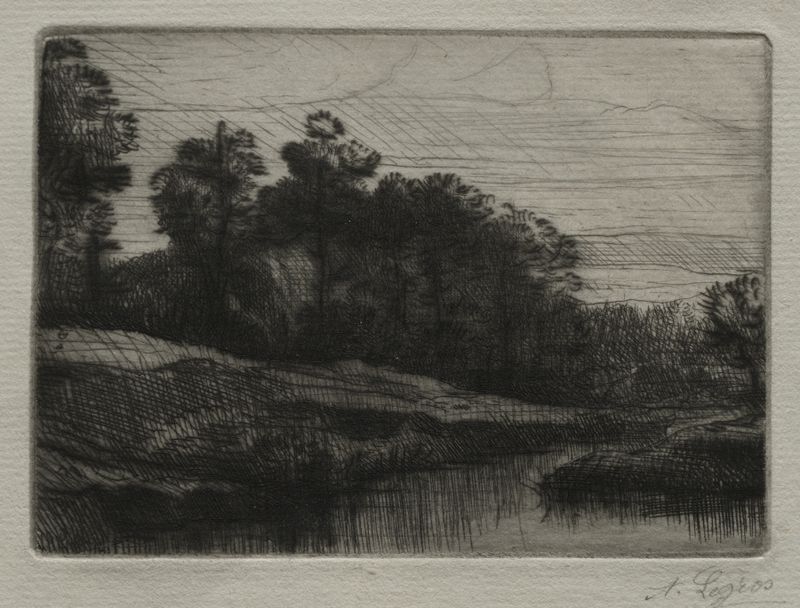
Evening
Alphonse Legros

The Fish in the Hoop Net
Alphonse Legros

The Little Beggar
Alphonse Legros
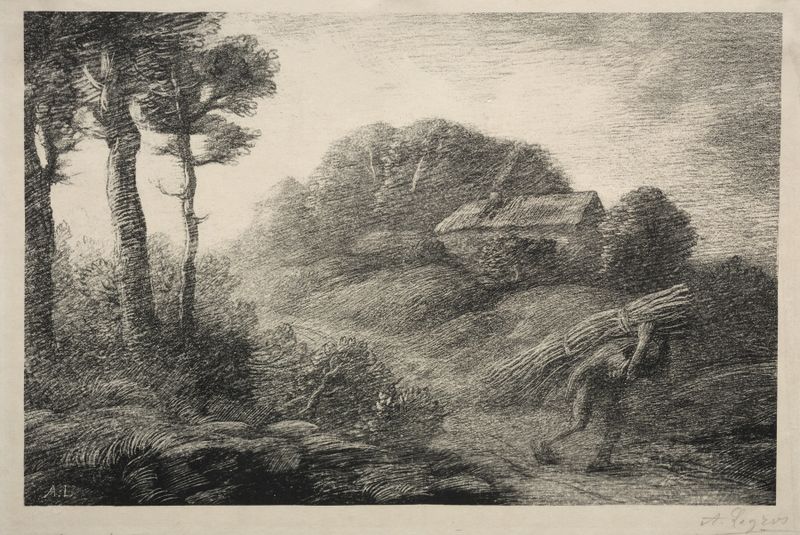
The Return of the Fagot Gatherer
Alphonse Legros

Storm
Alphonse Legros
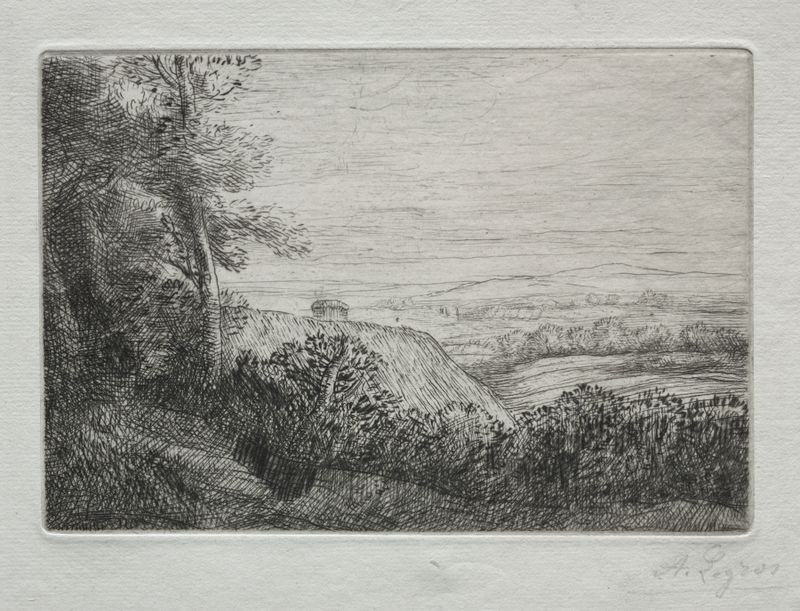
Les dernière Rayons de Soleil
Alphonse Legros
The Traveler Stretched out on the Grass
Alphonse Legros
Guard House
Alphonse Legros

Death of a Vagabond
Alphonse Legros





