
Susanna vastgepakt door twee oudsten — History & Facts
In the delicate balance of destiny, the viewer finds themselves drawn into an emotional conundrum that unfolds quietly within the confines of the canvas. A profound tension whispers between the figures, hinting at the poignant narrative of choice, violation, and societal judgment—a moment suspended in time, yet heavy with unspoken implications. Focus on the central figure, Susanna, who stands gracefully, exuding both vulnerability and strength. Her expression, caught between fear and defiance, compels us to look deeper.
Notice how the light bathes her in a soft glow, illuminating her form and contrasting against the darker, shadowy presence of the two elders who grasp her, their intentions cloaked in obscurity. The muted palette enhances the somber atmosphere, with rich earth tones grounding the scene while silvery highlights accentuate the tension. Delve into the subtle contrasts at play: the delicate flowers surrounding Susanna symbolize purity, yet they starkly juxtapose the impending threat looming above her. The elders' hands, almost claw-like, illustrate their predatory nature, evoking discomfort as they invade her space.
This conflict between innocence and corruption, caught in a moment of fate, resonates with viewers, compelling them to contemplate the fragility of agency against societal pressures. Created between 1530 and 1534, this work emerged during a time when moralistic themes pervaded art, reflecting the anxieties of a society grappling with human frailty. Georg Pencz, operating within the context of the Northern Renaissance, sought to explore complex narratives through his intricate compositions. This period marked a shift toward more human-centered stories, as artists began to emphasize individual experiences, setting the stage for the emotional depth we witness today.
More Artworks by Georg Pencz
Browse all →
Parabel van de zaaier
Georg Pencz

Parabel van de arbeiders in de wijngaard
Georg Pencz
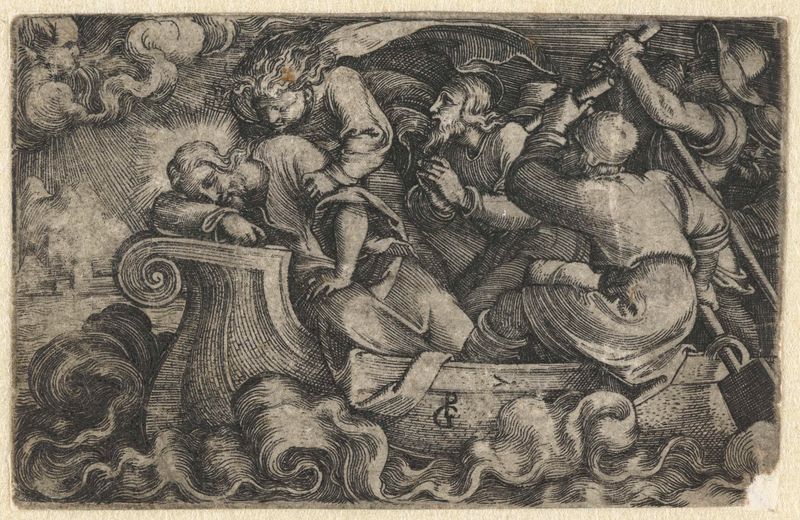
Discipelen wekken slapende Christus tijdens storm op Meer van Galilea
Georg Pencz

Afgunst (Invidia)
Georg Pencz
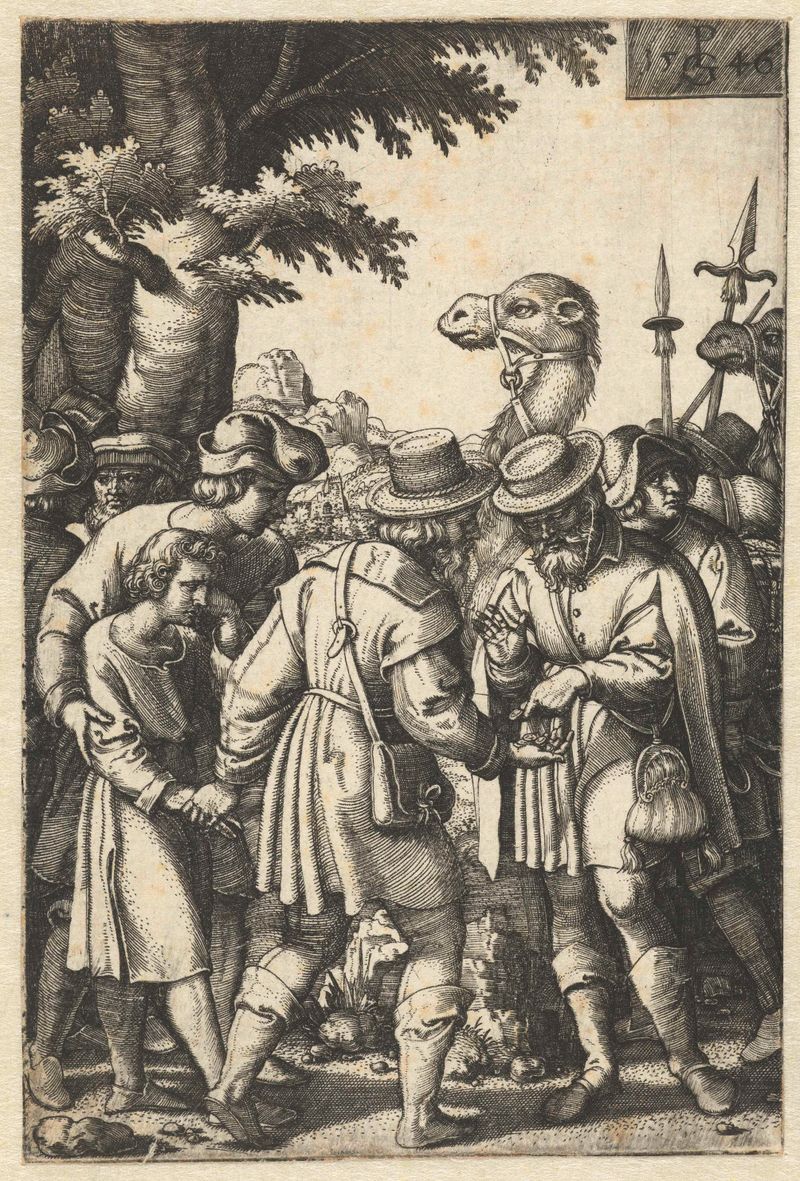
Jozef wordt verkocht aan kooplieden op weg naar Egypte
Georg Pencz

Aanbidding der koningen
Georg Pencz
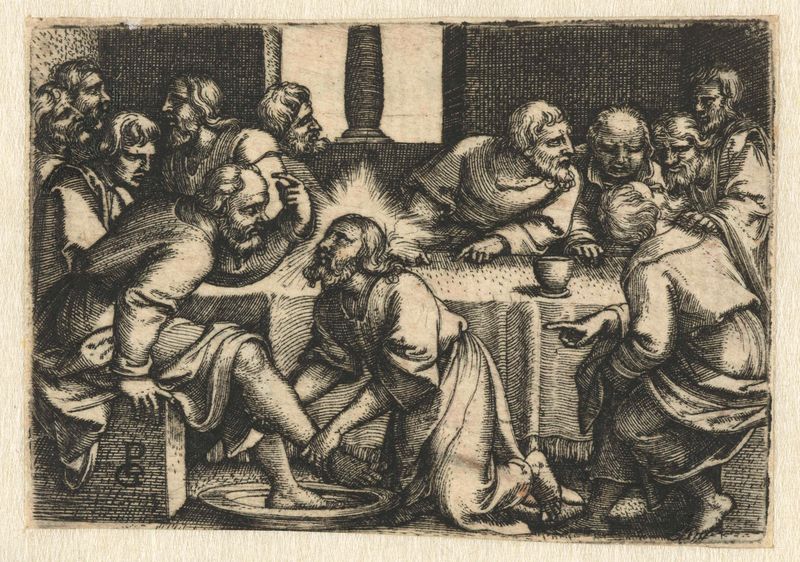
Petrus protesteert als Christus zijn voeten wast
Georg Pencz
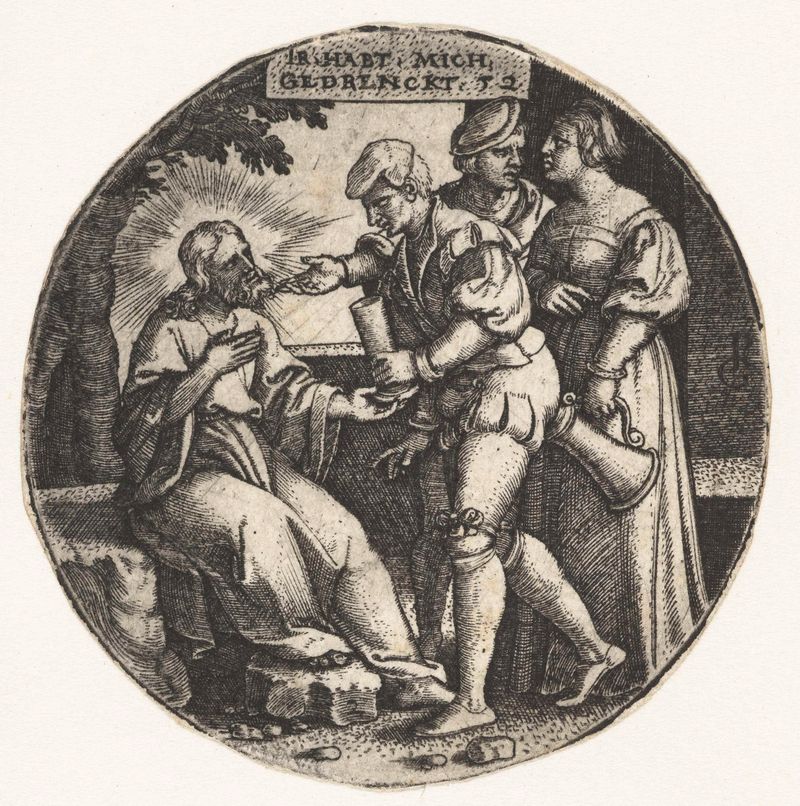
Christus heeft dorst en krijgt drinken aangeboden
Georg Pencz
Ongelovige Thomas raakt wonden Christus aan
Georg Pencz

Offer van Abraham van Isaak
Georg Pencz





