Suvemaastik — History & Facts
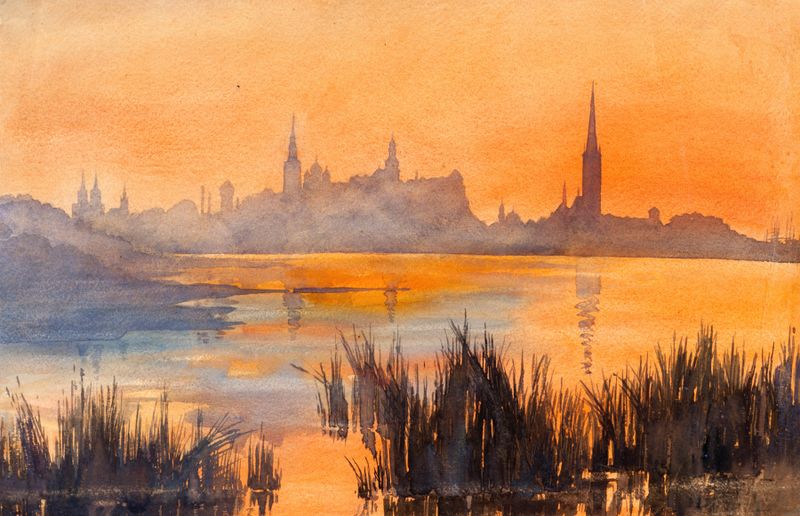
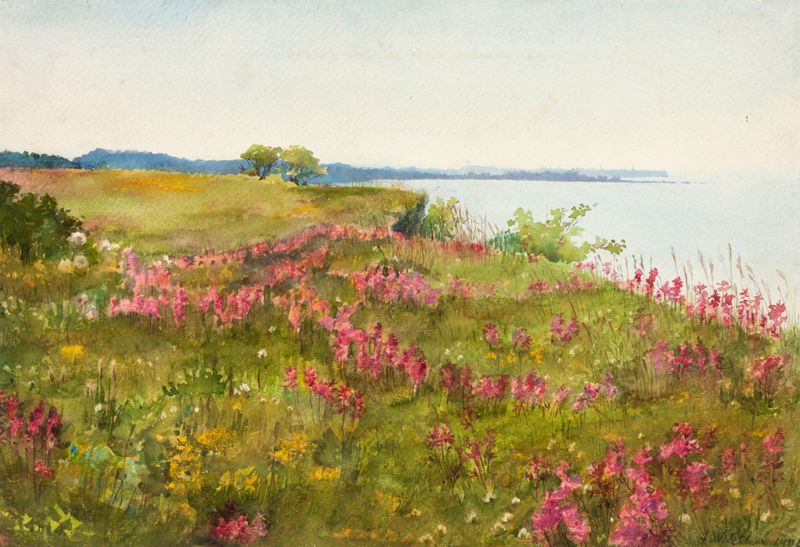
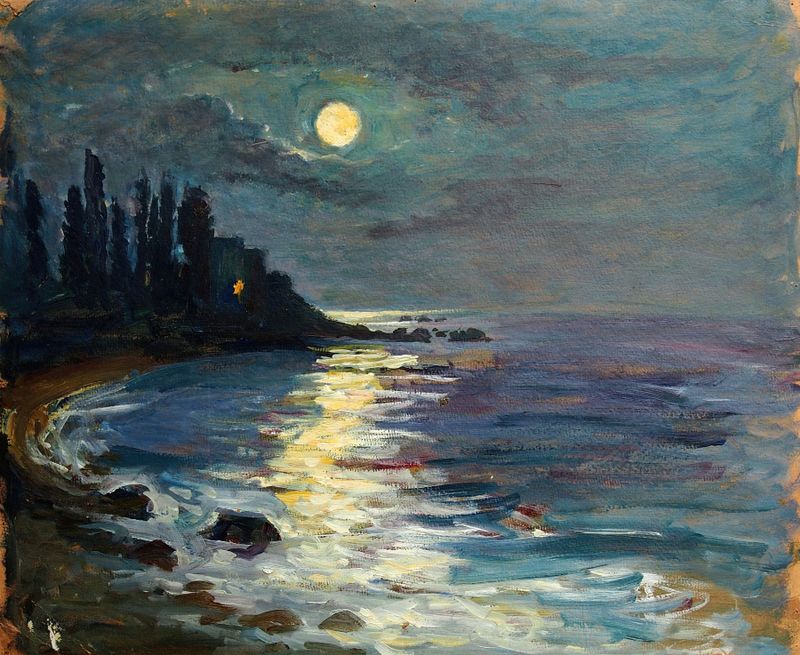
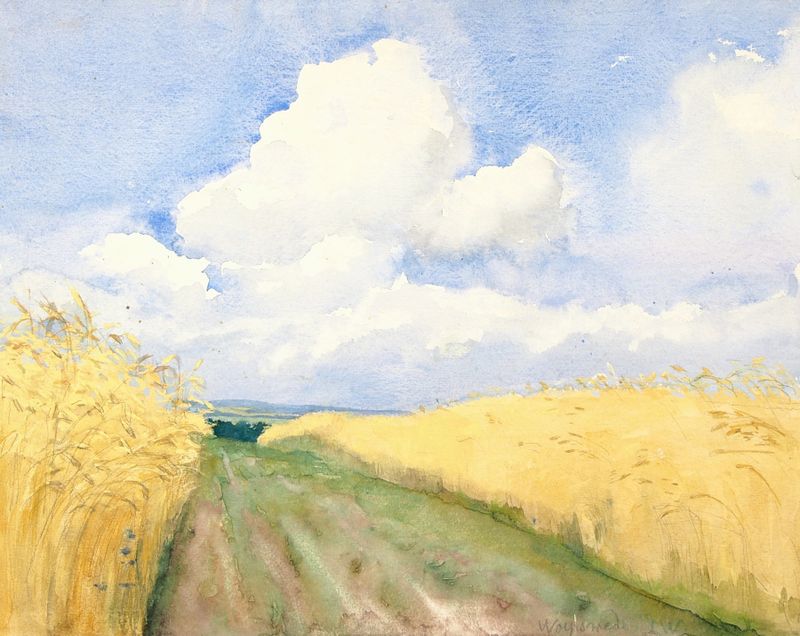
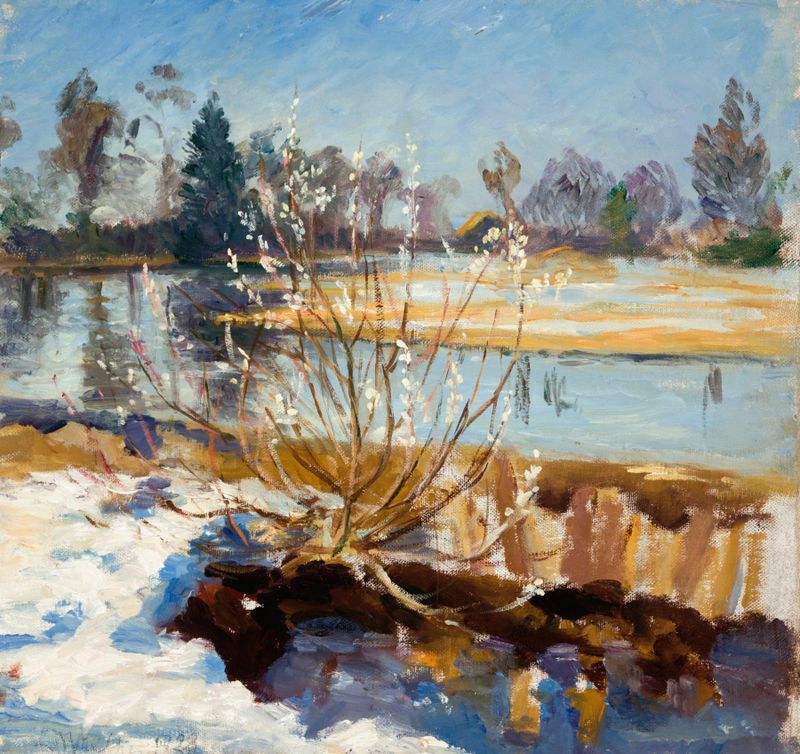
What secret hides in the quiet of the canvas? The silence of Suvemaastik invites us to contemplate the depths of faith and introspection, coaxing us into a stillness that resonates with the soul. Look to the center of the piece, where soft hues of green and earth mingle, creating a harmonious landscape that feels both familiar and elusive. The gentle strokes evoke a sense of movement, as if the essence of nature is breathing within the confines of the canvas. Notice how the light filters through the abstract forms, illuminating different textures that suggest both life and decay, a duality that reflects the complexity of belief. In this artwork, the contrast between light and shadow speaks volumes about the struggle between hope and despair.
The layers of color whisper hidden narratives—each brushstroke a meditation on the fragility of faith, and how it ebbs and flows like the changing tides. The subtle hints of gold and indigo invite contemplation of the divine, while the darker elements evoke a sense of longing, urging the viewer to confront their own beliefs and uncertainties. Lilly Walther painted Suvemaastik in 1936, during a turbulent time in Europe marked by political upheaval and cultural transformation. Living in a world grappling with the weight of impending conflict, she sought to capture the essence of her inner landscape, blending her experiences with her artistic vision.
This piece emerged as a reflection of her search for meaning, showcasing her unique perspective within the modernist movement and her quest for spiritual understanding through art.