Suvine maastik — History & Facts
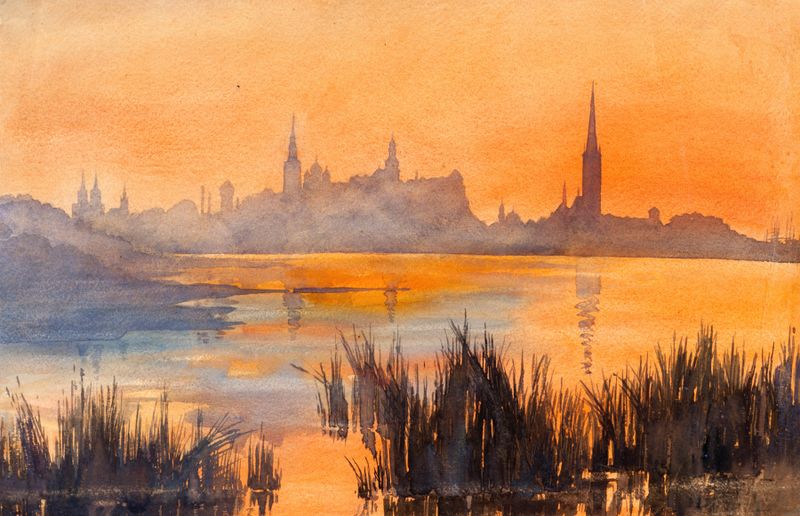
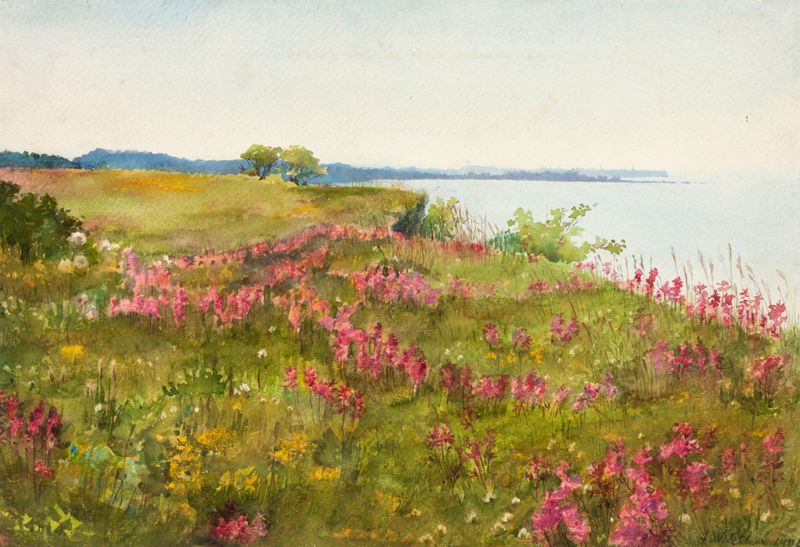
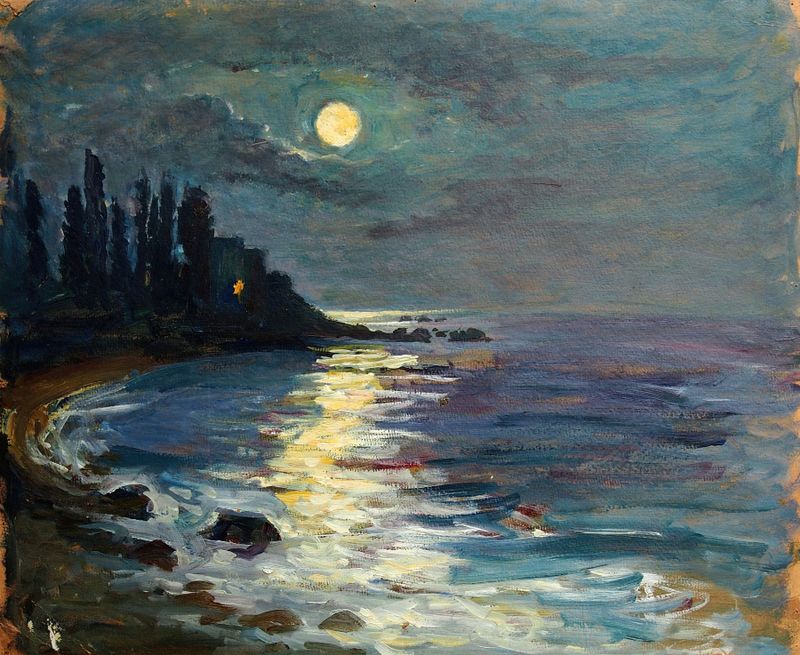
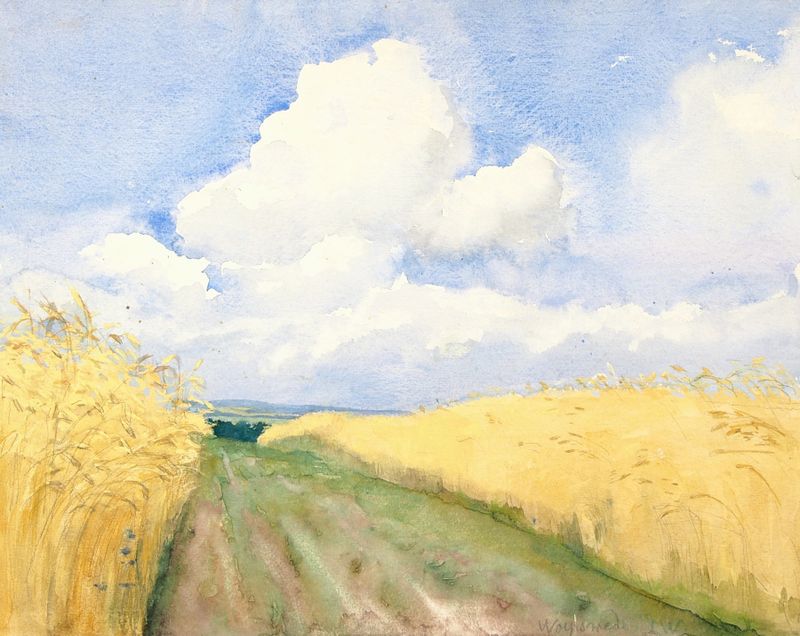
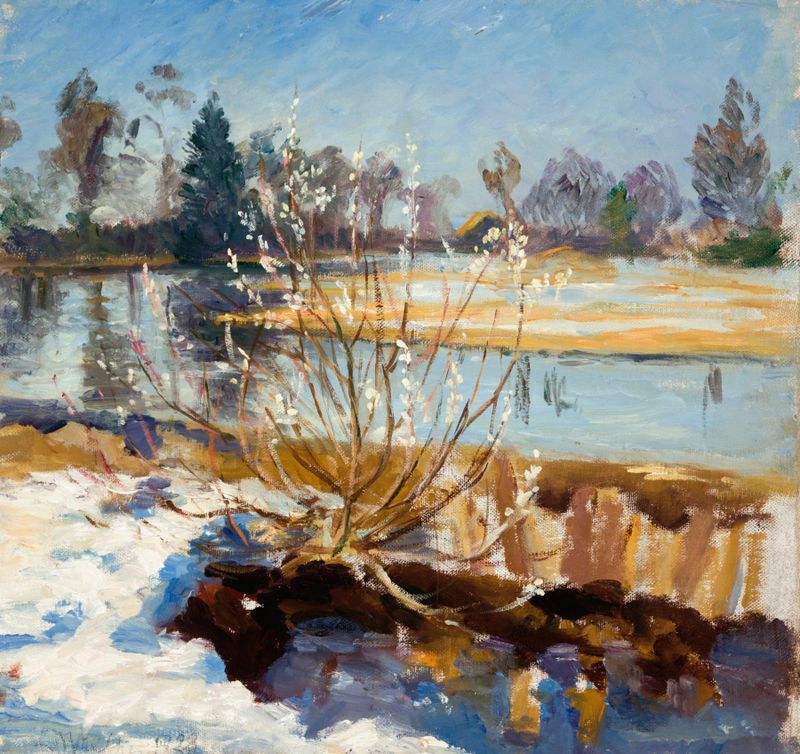
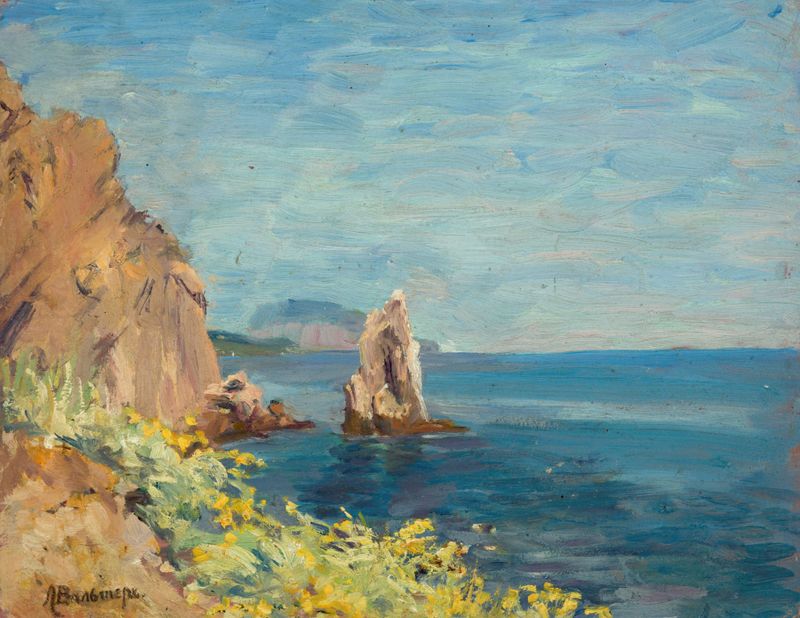
In the stillness of a landscape, layers of truth unfold, revealing the hidden narratives of nature and human experience intertwined. Focus on the vibrant greens and deep blues that create a serene atmosphere, guiding the viewer’s gaze toward the horizon where the earth and sky whisper secrets. Notice how the brushwork dances with spontaneity, allowing the colors to blend and pulse with life. The soft strokes convey a sense of tranquility, while the occasional bold mark hints at the untamed spirit of the terrain.
The composition draws you in, inviting contemplation and connection. Within this idyllic setting, an emotional tension brews beneath the surface. The expansive sky, both comforting and ominous, suggests the vastness of thoughts unexpressed, while the quiet earth below roots us in a shared reality. Small details, such as the delicate interplay of light and shadow, carry deeper significance: they speak to the fleeting nature of truth and the weight of silence.
Each element in the artwork encapsulates an unfulfilled longing, urging us to confront what lies beneath the surface of our own lives. Lilly Walther created Suvine maastik in 1906 while living in Estonia, a period marked by a burgeoning national identity and a return to folk traditions in art. Amidst this evolving cultural landscape, she sought to capture the essence of her homeland through the lens of personal experience. This painting emerged during a time of artistic exploration and experimentation, reflecting both her individual vision and the broader currents of change in the art world.