Symphony in Violet and Blue — History & Facts
The horizon in Symphony in Violet and Blue by James McNeill Whistler is set daringly low, granting the sky a sweeping dominance that immediately draws the viewer upward. The first thing to catch the eye is not the ships themselves, but the restless interplay of color and brushwork in the clouds and sea. Whistler’s palette is all cool restraint—muted violets, deep blues, and a touch of white cresting the waves—yet the scene hums with quiet tension.
The sails, barely more than silhouettes, are dwarfed by the vastness above and below, their fragility underscored by the thick, rolling water and the heavy, shifting sky. Every brushstroke seems to weigh the smallness of human endeavor against the immensity of nature. Painted in 1893, this work belongs to a moment when artists were reimagining the possibilities of landscape and seascape. Whistler, known for his pursuit of harmony and mood over narrative, was part of a generation that sought to capture sensation rather than story.
Such paintings were rarely grand commissions; instead, they often found homes with collectors attuned to the new languages of color and abstraction. The title’s musical reference is no accident—Whistler believed painting could aspire to the condition of music, where arrangement and tone mattered more than subject. Today, as we look at this canvas through the lens of its era and its place in the Google Arts & Culture collection, we are invited to lose ourselves in its atmosphere, letting the eye drift across the horizon as if listening to a distant, unending chord.
More Artworks by James McNeill Whistler
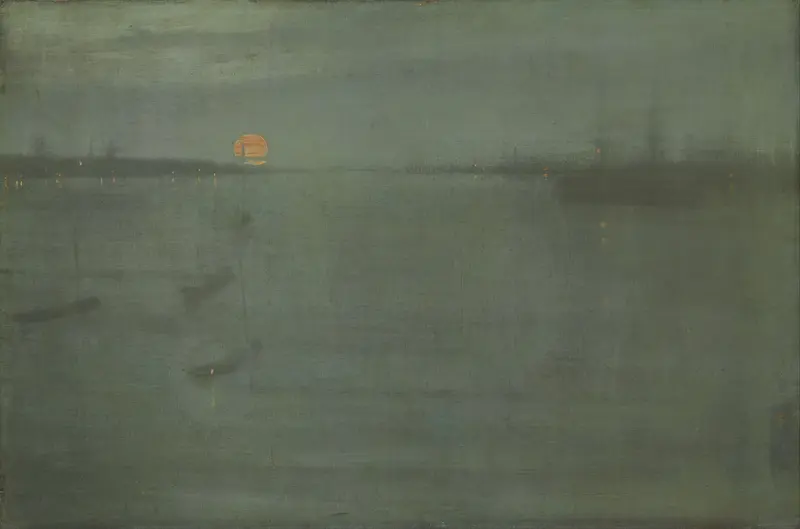
Nocturne: Blue and Gold—Southampton Water
James McNeill Whistler
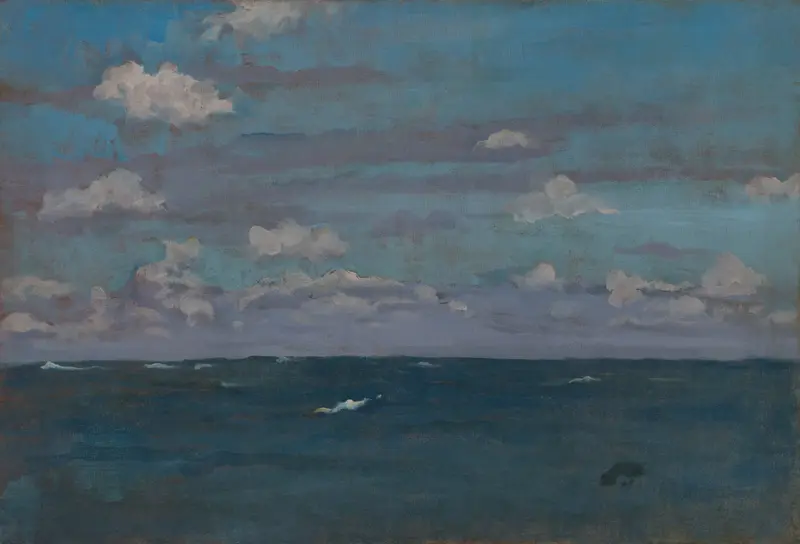
Violet and Silver—The Deep Sea
James McNeill Whistler
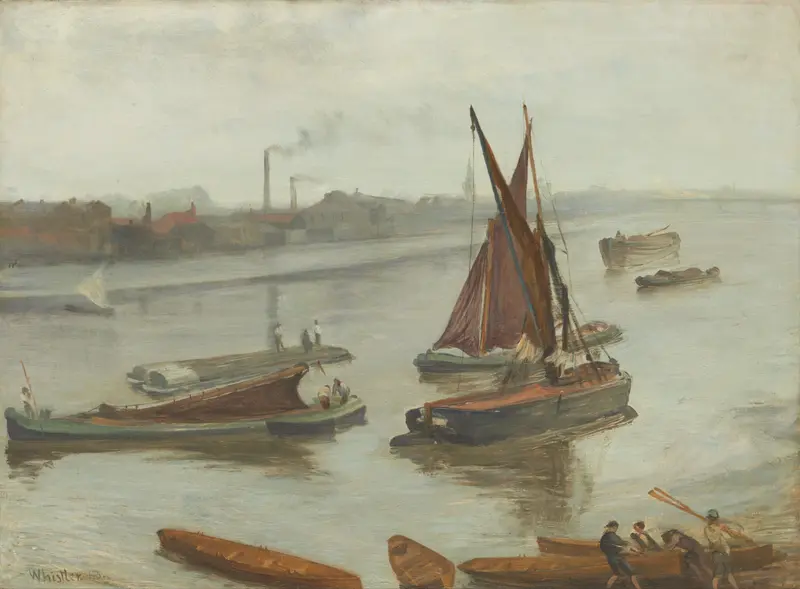
Grey and Silver: Old Battersea Reach
James McNeill Whistler
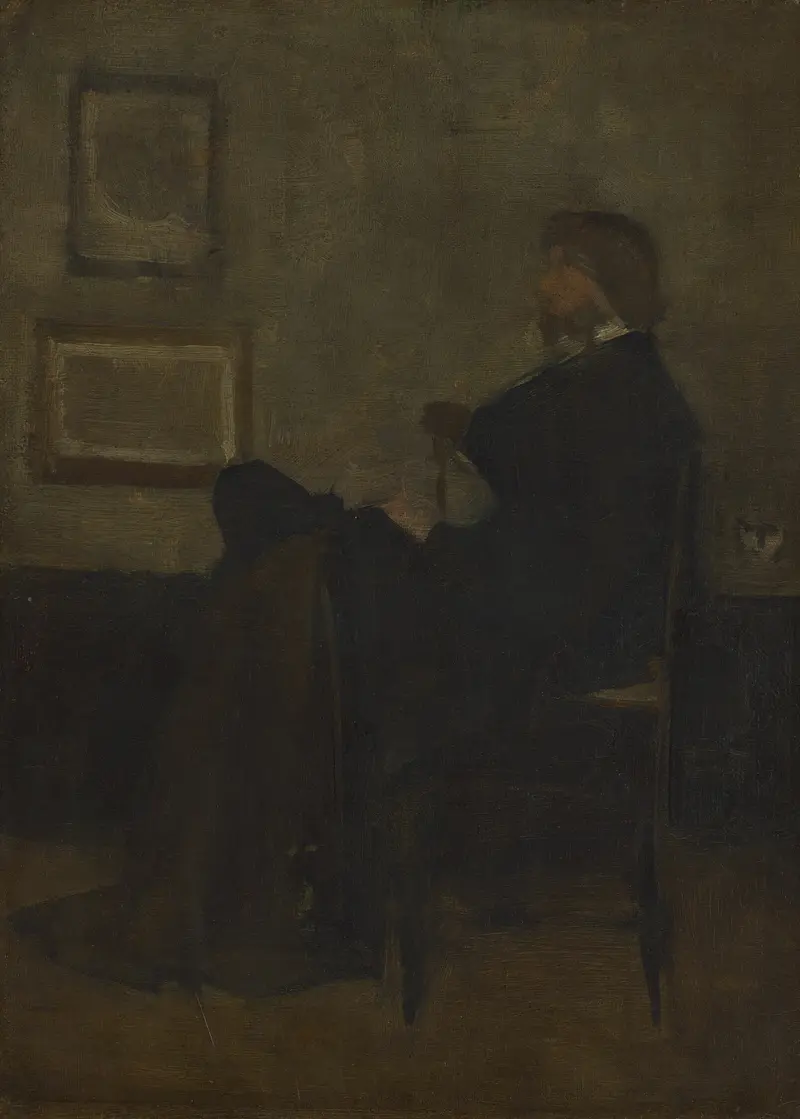
Study for "Arrangement in Grey and Black, No. 2: Portrait of Thomas Carlyle"
James McNeill Whistler
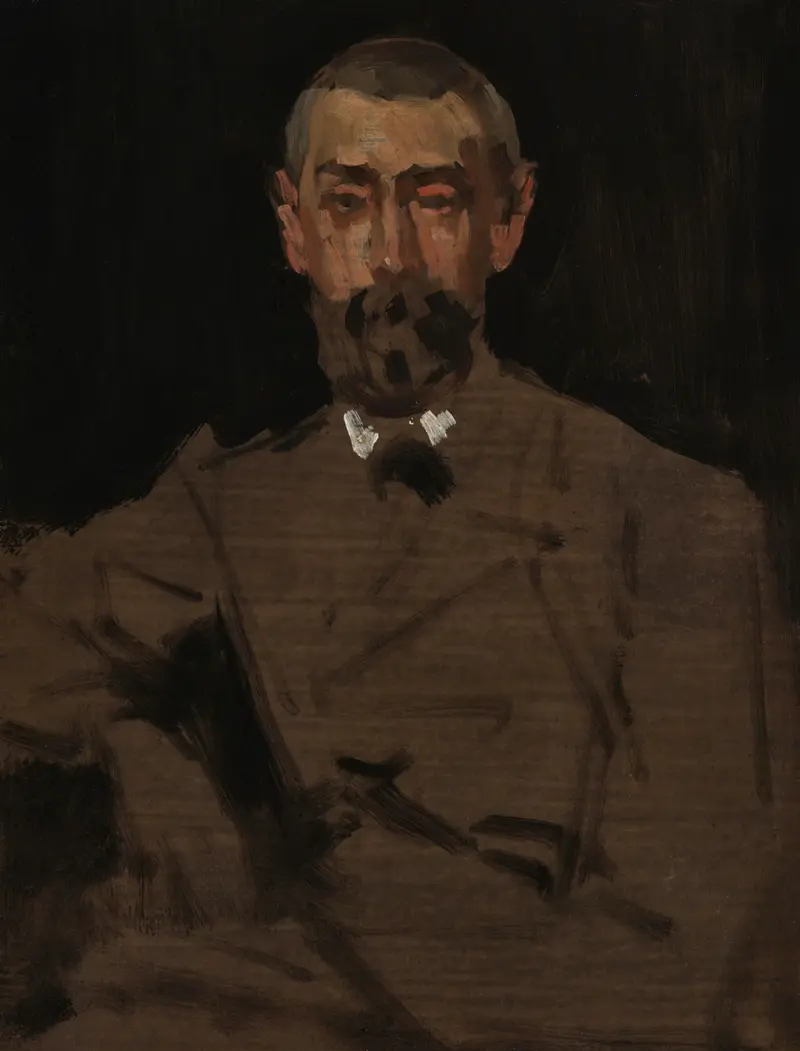
Portrait of M. R. Elden
James McNeill Whistler
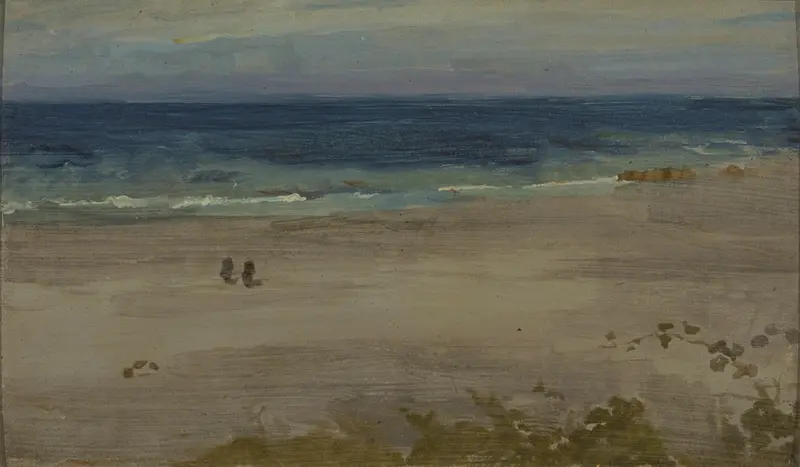
The Blue Sea
James McNeill Whistler
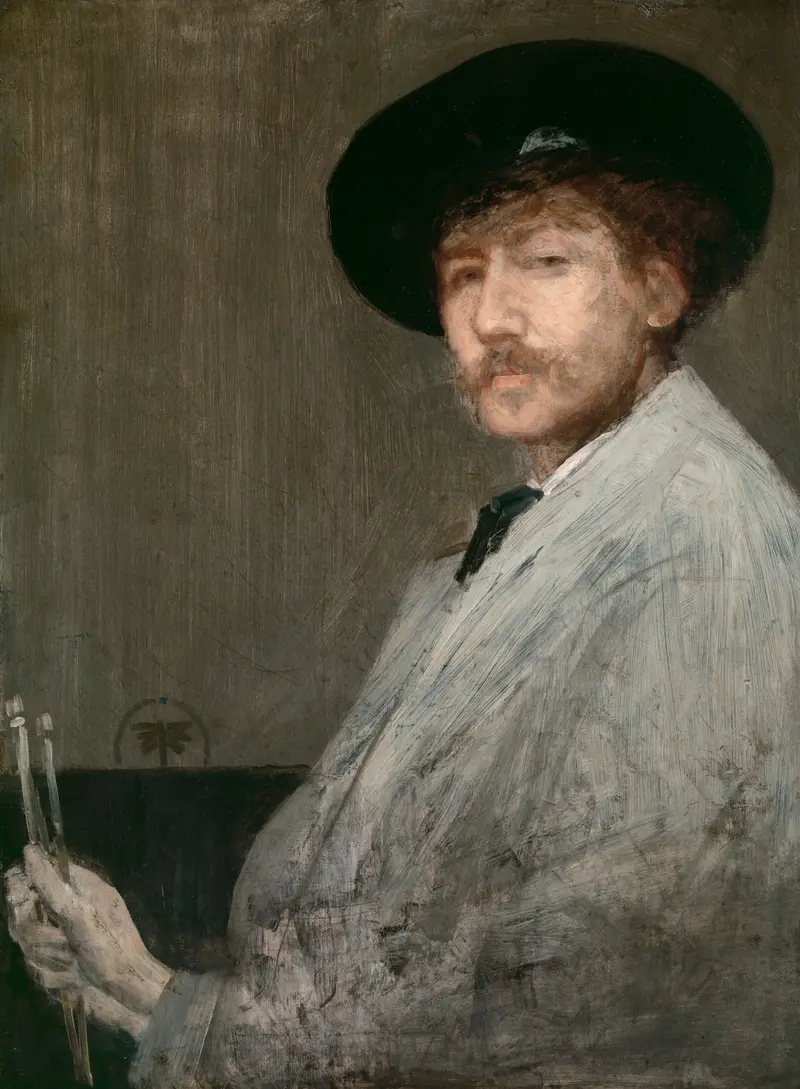
Arrangement in Gray: Portrait of the Painter
James McNeill Whistler
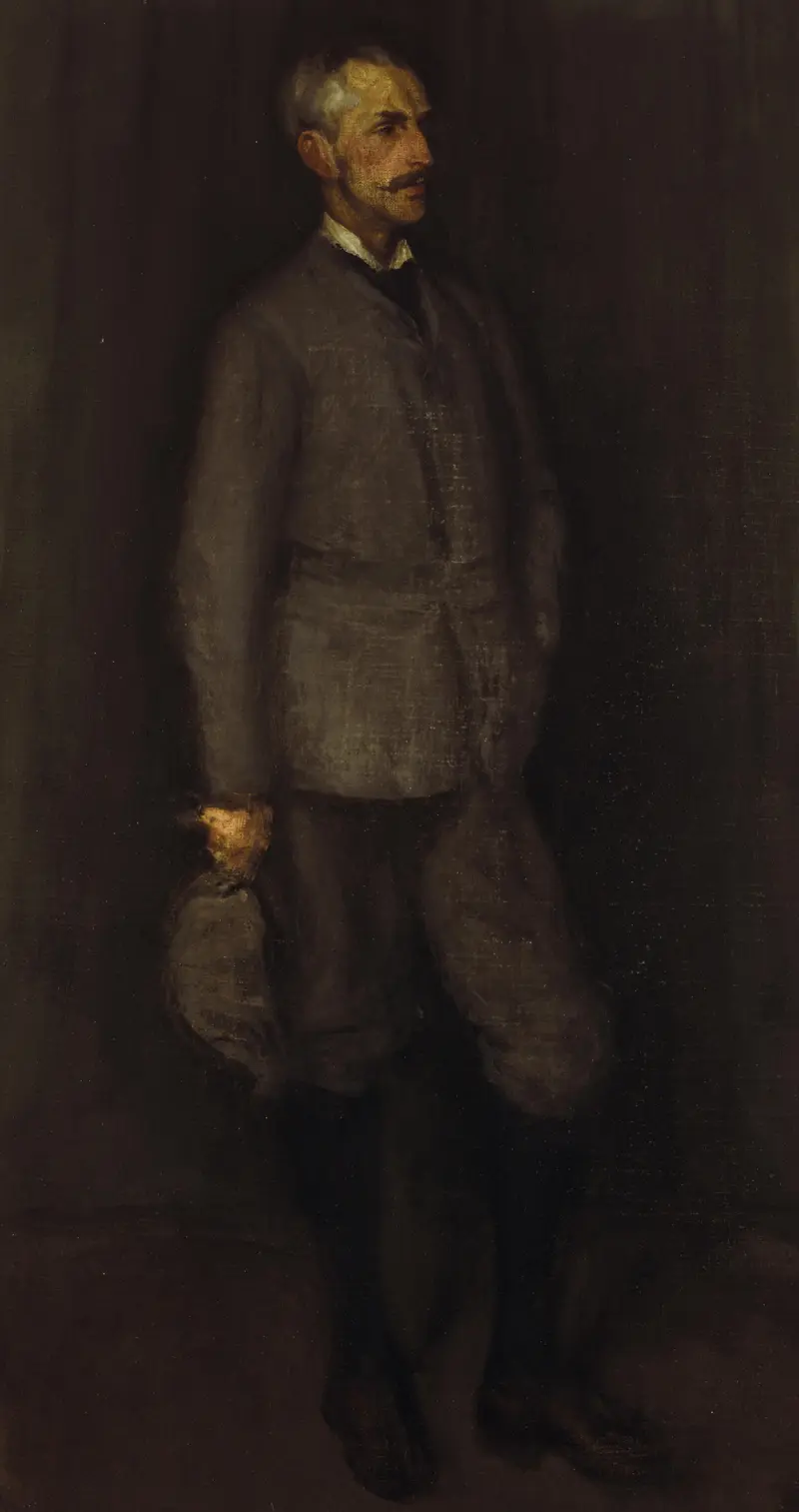
Arrangement in Grey and Green. Portrait of John James Cowan
James McNeill Whistler
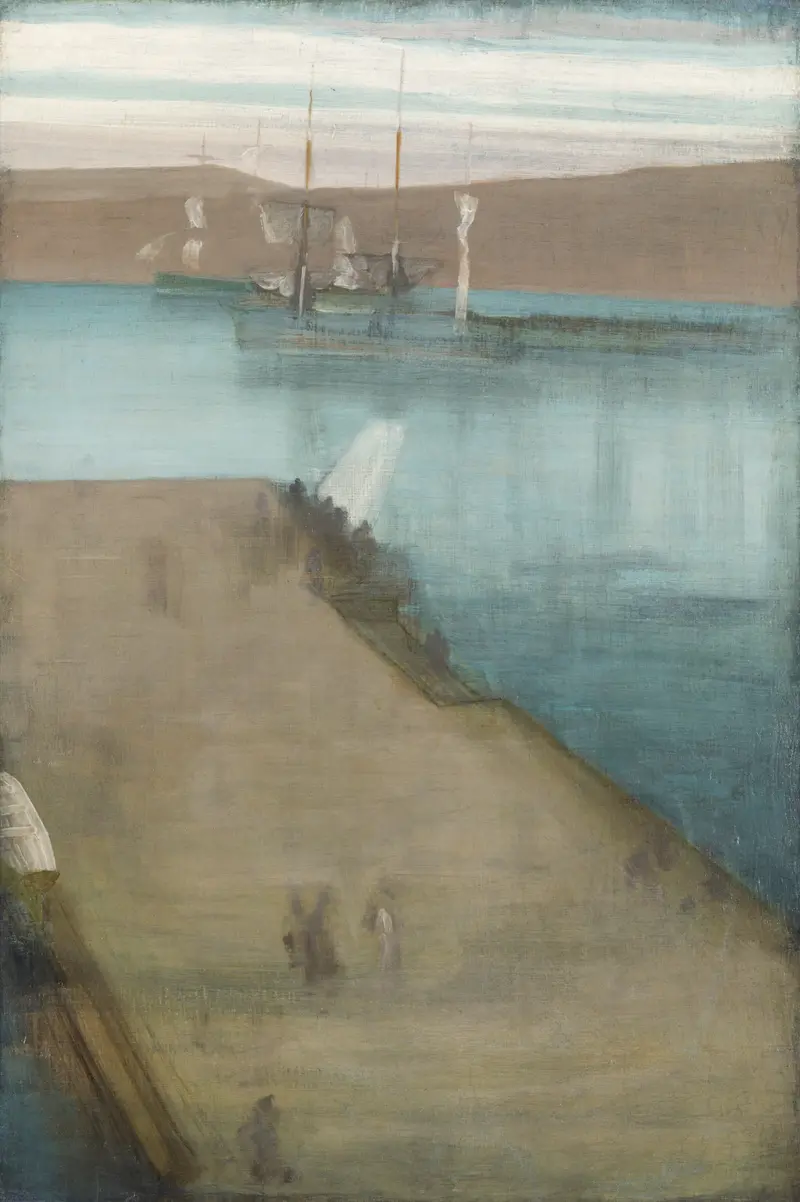
Valparaiso Harbor
James McNeill Whistler
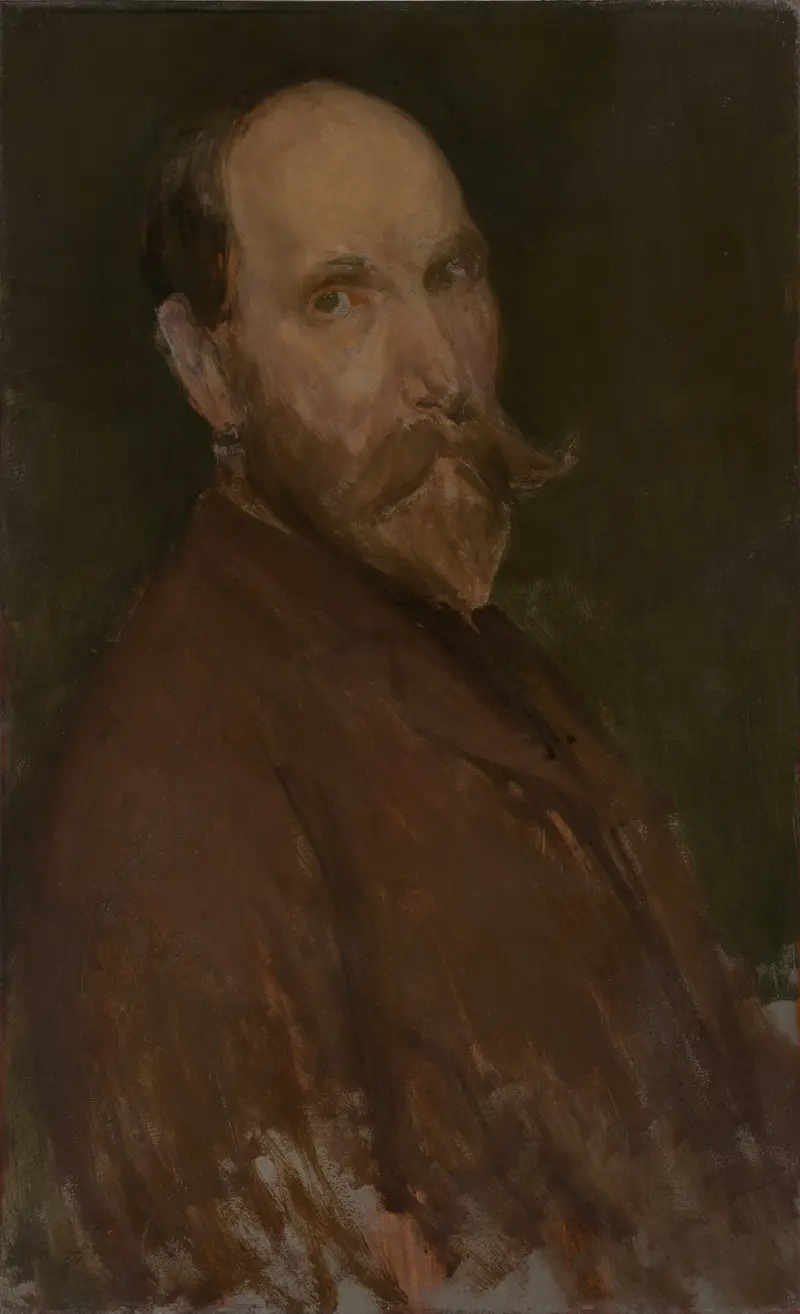
Charles Lang Freer
James McNeill Whistler