Symphony in White, No. 3 — History & Facts
The first thing that draws the eye in Symphony in White, No. 3 is the hush between two women—one reclining, one seated on the floor—caught in a moment that feels both private and suspended. The woman on the divan gazes out, her head propped on her hand, while the other, half-hidden by a spray of delicate flowers, reaches languidly across the pale expanse of fabric.
The white dresses are not simply garments but the very architecture of the scene, their folds and shadows orchestrating a play of light that is echoed in the soft blue carpet and the blush of a discarded fan. The space between the figures is charged with a quiet tension: a conversation just ended, or perhaps never begun. Painted between 1865 and 1867, this work belongs to a moment when artists like James McNeill Whistler were challenging the old hierarchies of subject and meaning, insisting that color and arrangement could carry as much weight as narrative. In the mid-nineteenth century, such pictures were often made for private homes, intended to delight the eye and provoke contemplation rather than to recount grand historical events.
The unknown provenance of this particular painting only adds to its sense of mystery—history has kept few traces of its early journey, leaving us to puzzle over its silent drama. Notice how the cool palette and the careful placement of every gesture invite you to linger, searching for a story in the stillness.
More Artworks by James McNeill Whistler
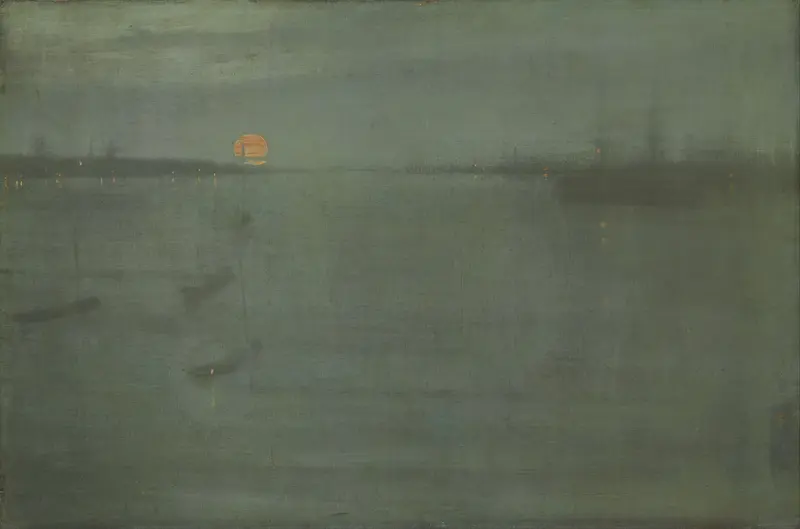
Nocturne: Blue and Gold—Southampton Water
James McNeill Whistler
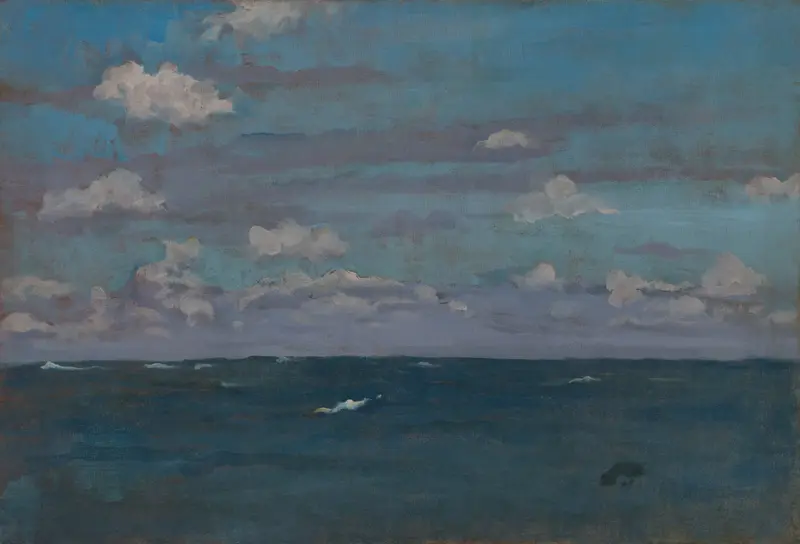
Violet and Silver—The Deep Sea
James McNeill Whistler
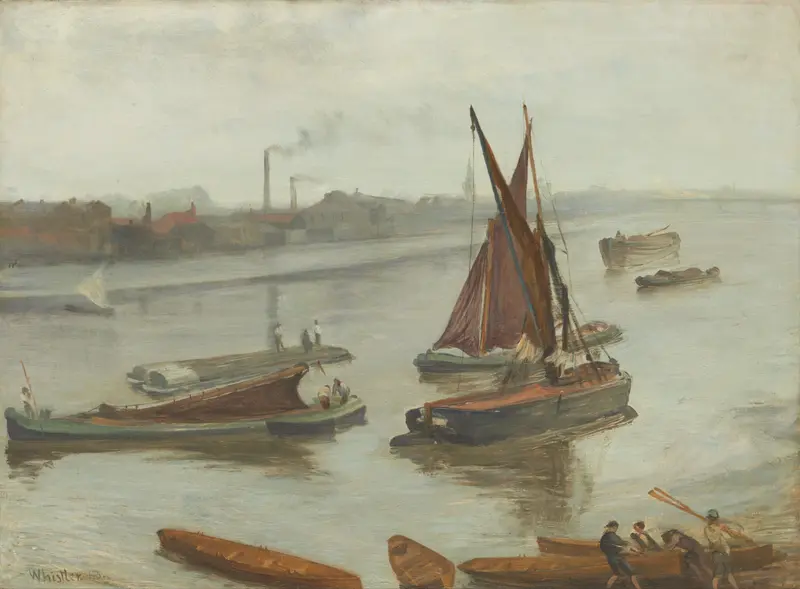
Grey and Silver: Old Battersea Reach
James McNeill Whistler
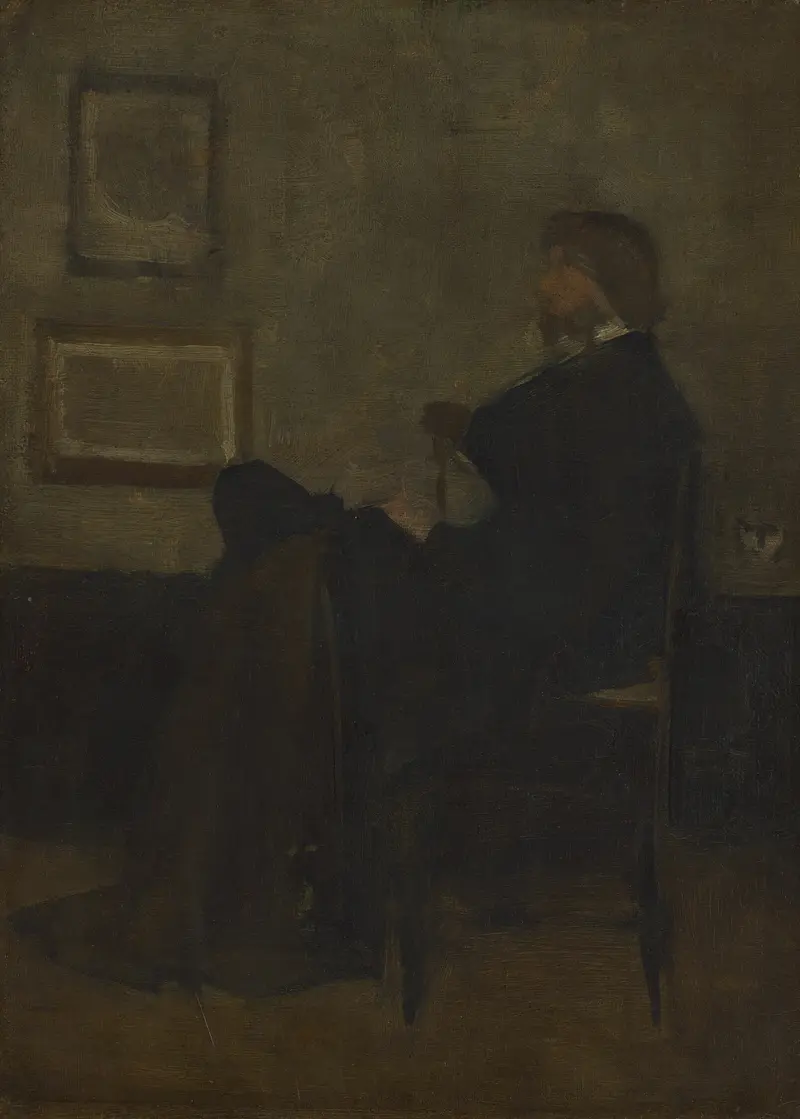
Study for "Arrangement in Grey and Black, No. 2: Portrait of Thomas Carlyle"
James McNeill Whistler
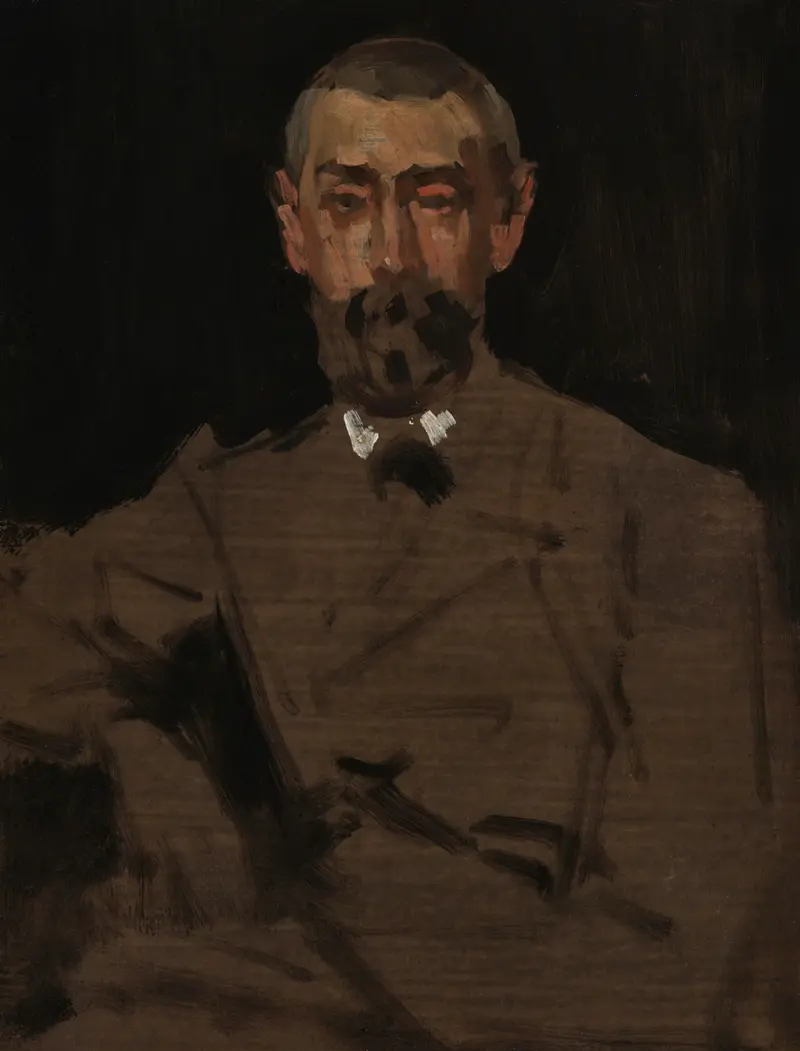
Portrait of M. R. Elden
James McNeill Whistler
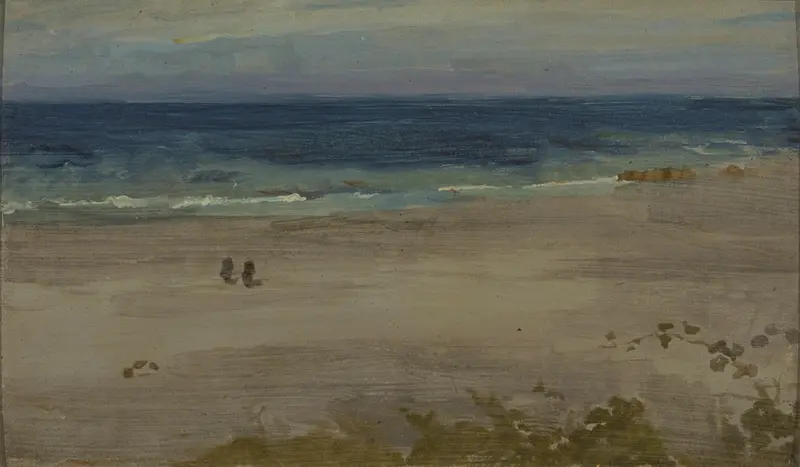
The Blue Sea
James McNeill Whistler
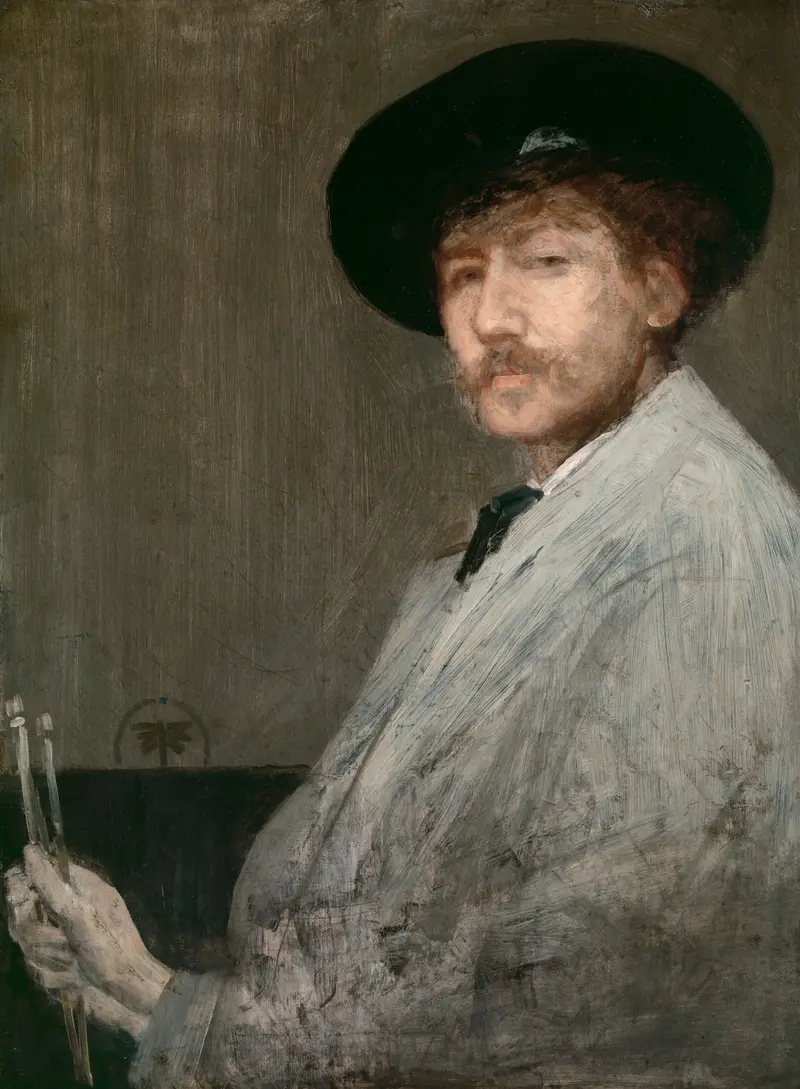
Arrangement in Gray: Portrait of the Painter
James McNeill Whistler
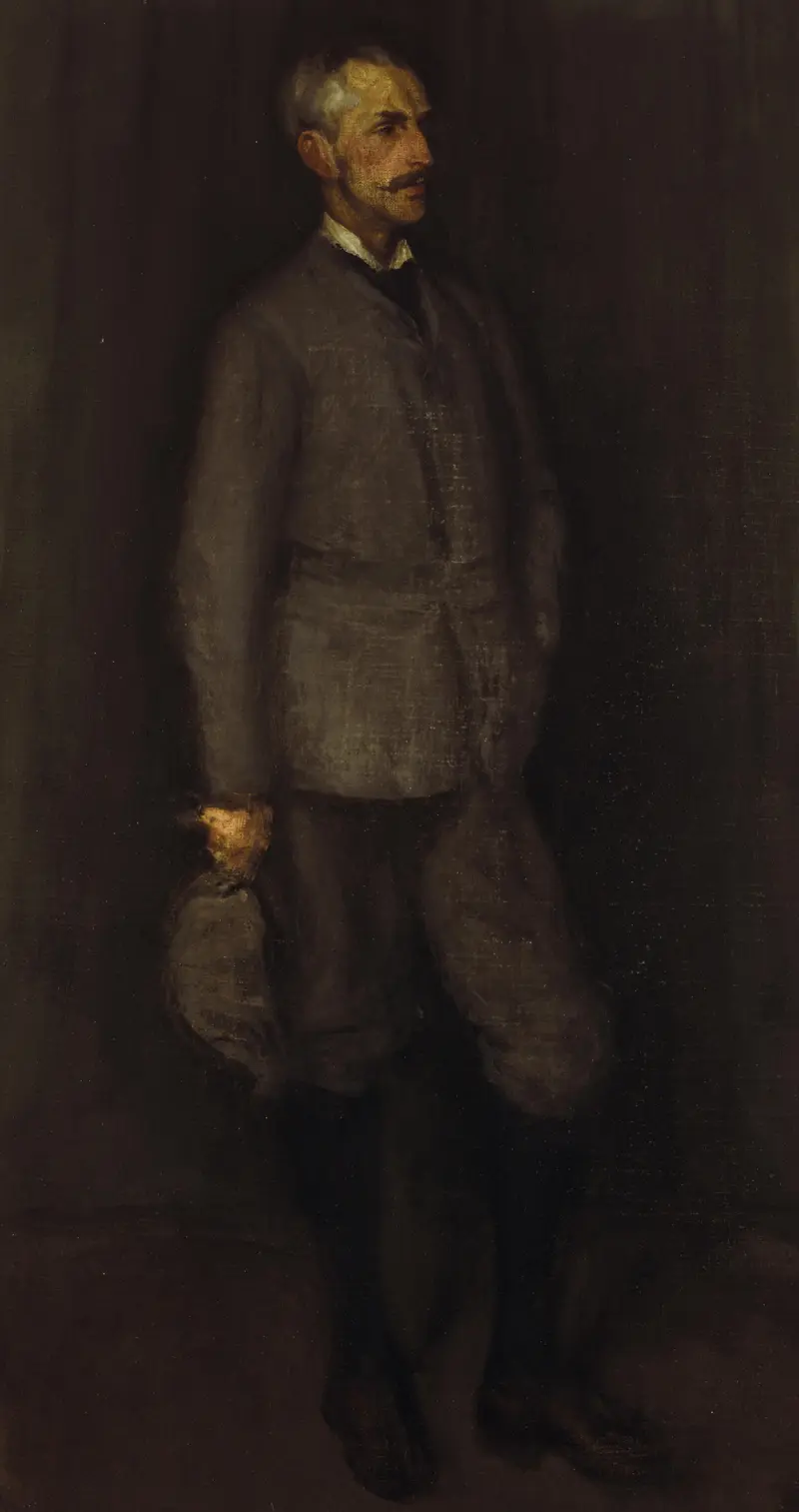
Arrangement in Grey and Green. Portrait of John James Cowan
James McNeill Whistler
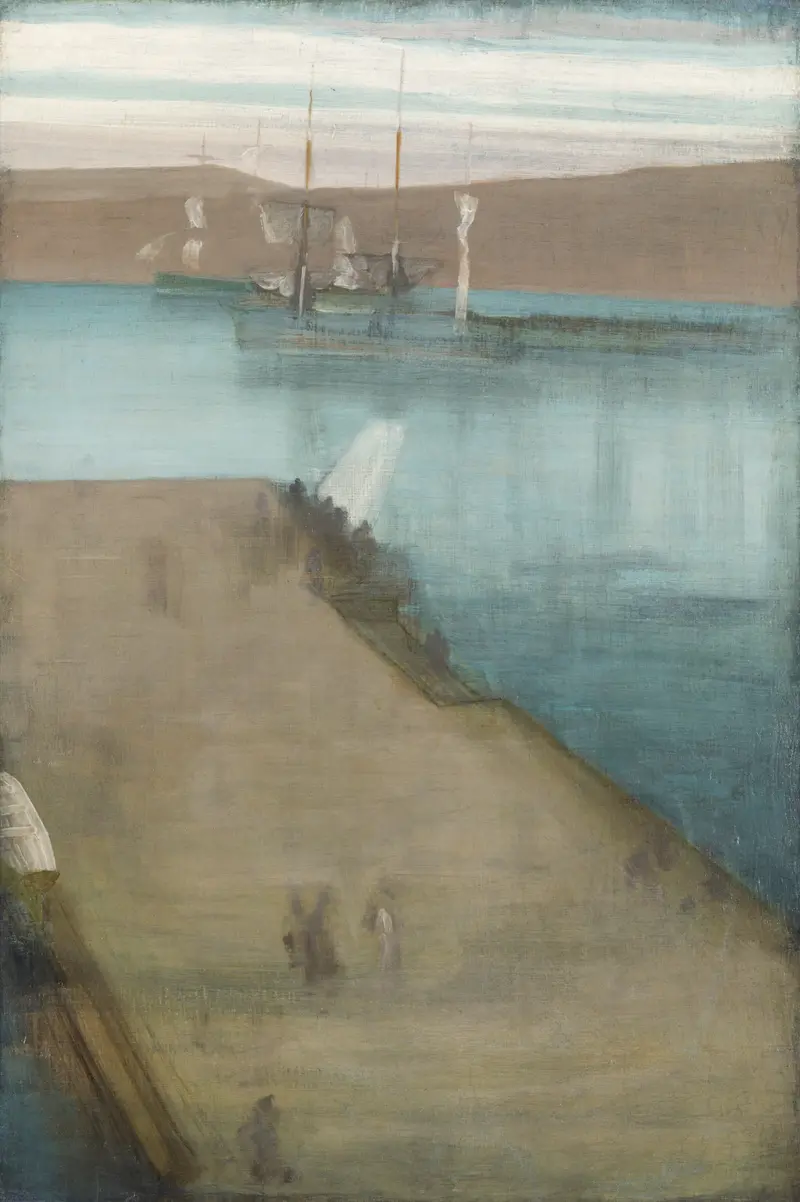
Valparaiso Harbor
James McNeill Whistler
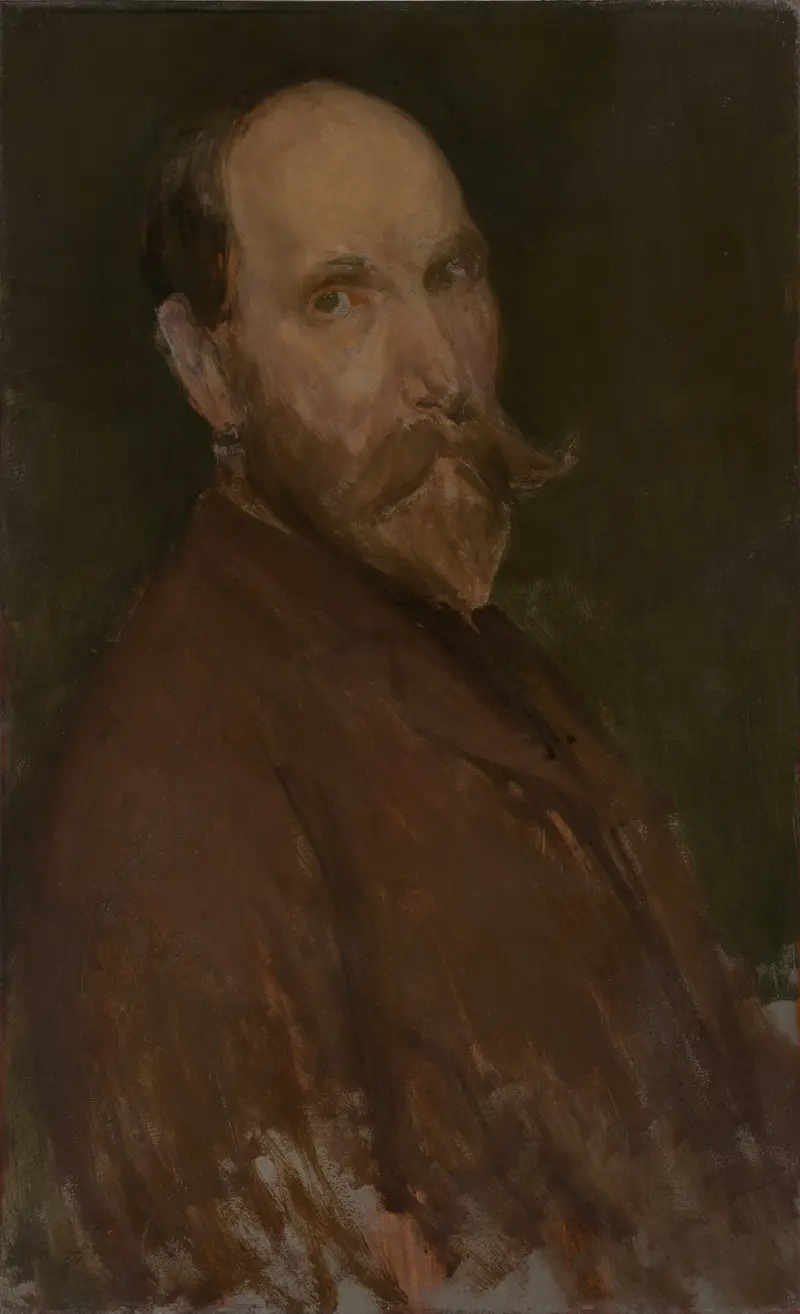
Charles Lang Freer
James McNeill Whistler