
Tablettes Brunet — History & Facts
Bold promise meets bright spectacle in Tablettes Brunet, where the viewer is greeted by a declaration in thunderous yellow: “Vous ne tousserez jamais en prenant des Tablettes Brunet.” The eye is drawn first to the sheer size and energy of the text, but soon it is the playful vignette—set like a jewel in a field of blue—that takes over. Here, a woman in a pale blue dress gathers poppies in a golden wheat field, her parasol tumbled in the grass, while a jovial gentleman in rustic attire approaches, caught mid-cough. The contrast is immediate: she is serene, untroubled, while he is animated, almost comic in his struggle.
The palette is all sun and summer, the red of the poppies and parasol echoing the urgent red of the product name. This is the world of late nineteenth-century French advertising, where posters were not only commercial but cultural events, designed to seize attention on the bustling boulevards of Paris. Created in 1889, when lithographic printing flourished and artists like Théophile Alexandre Steinlen lent their talents to commerce, such works blurred the line between art and everyday life. The promise of health—no more coughing, a perennial concern in an era before antibiotics—was packaged with wit and color, targeting the urban middle class who flocked to pharmacies for the latest remedies.
Preserved today in the Bibliothèque nationale de France, Tablettes Brunet stands as a lively witness to the optimism, ingenuity, and visual flair of its time. The next time you look, let your eye wander through the wheat and imagine the laughter of a Parisian crowd pausing before this very poster.
More Artworks by Théophile Alexandre Steinlen

Village et charrette
Théophile Alexandre Steinlen
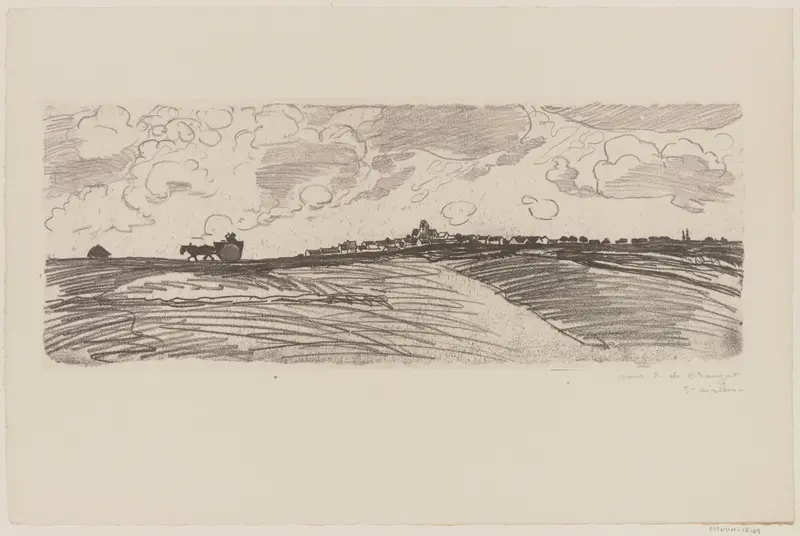
Village et charrette
Théophile Alexandre Steinlen
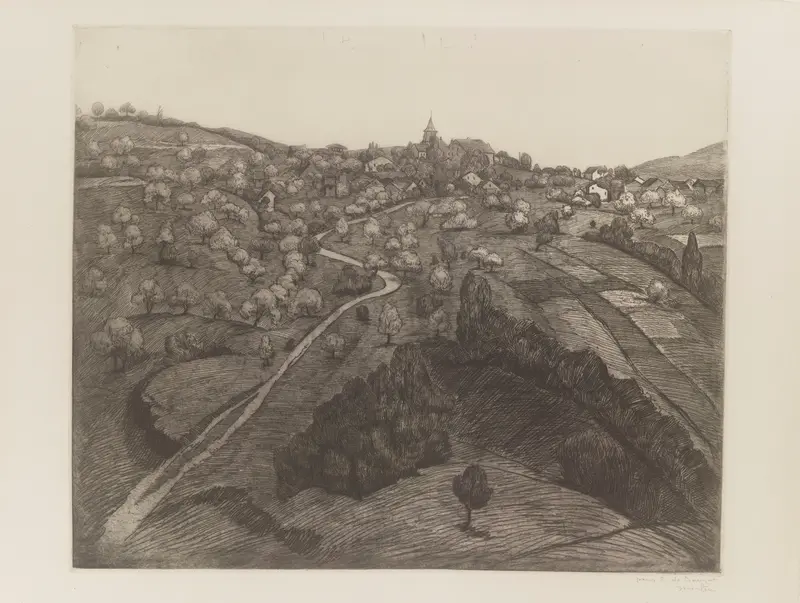
Vue de Belmont, près de Lausanne
Théophile Alexandre Steinlen
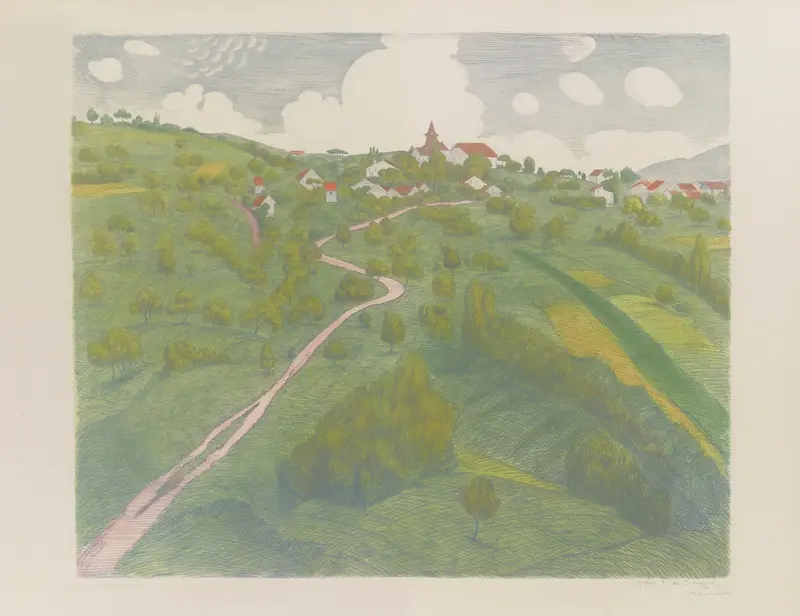
Vue de Belmont, près de Lausanne
Théophile Alexandre Steinlen
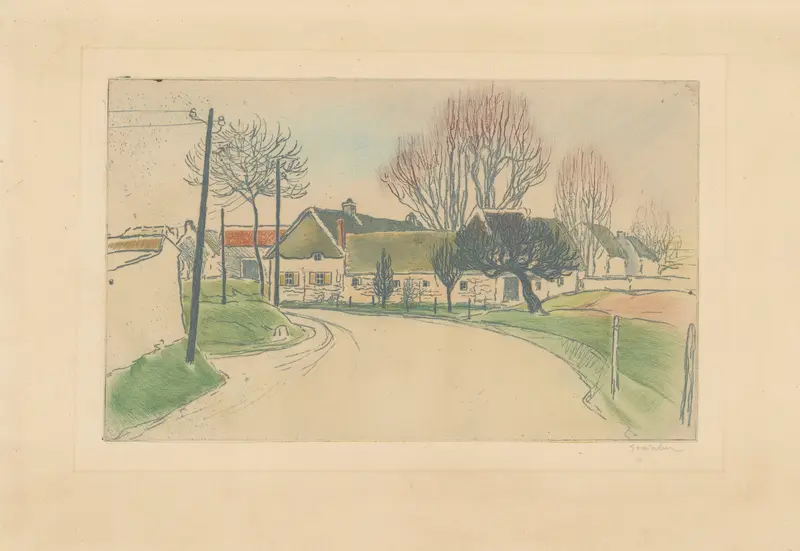
La maison à l’entrée du village
Théophile Alexandre Steinlen
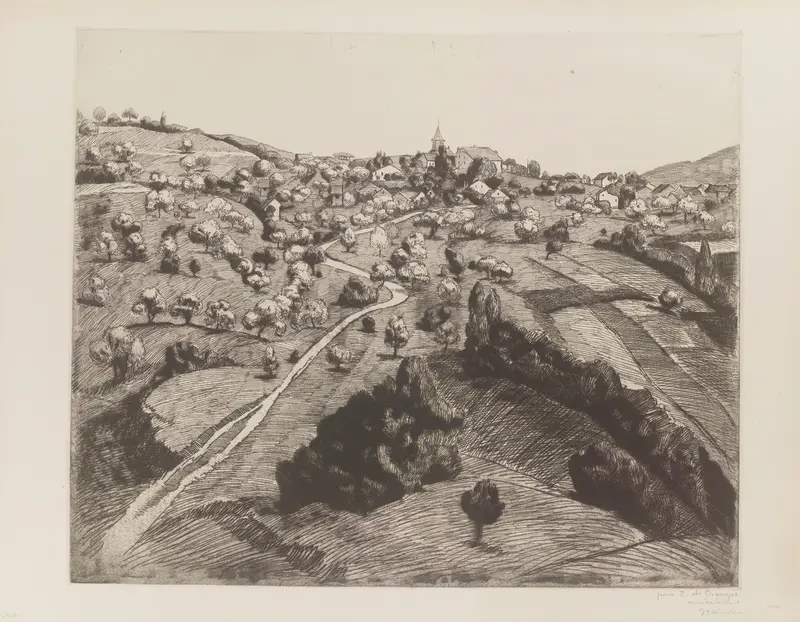
Vue de Belmont, près de Lausanne
Théophile Alexandre Steinlen
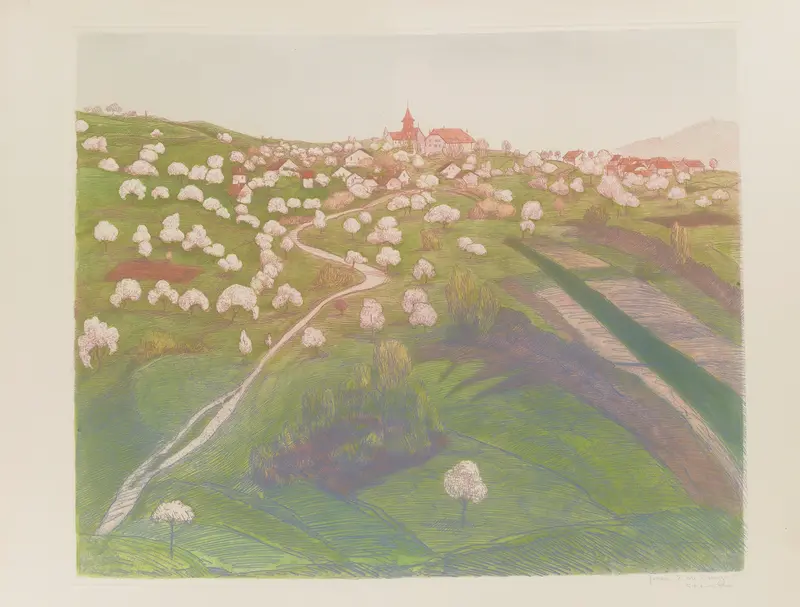
Vue de Belmont, près de Lausanne, n° 2
Théophile Alexandre Steinlen
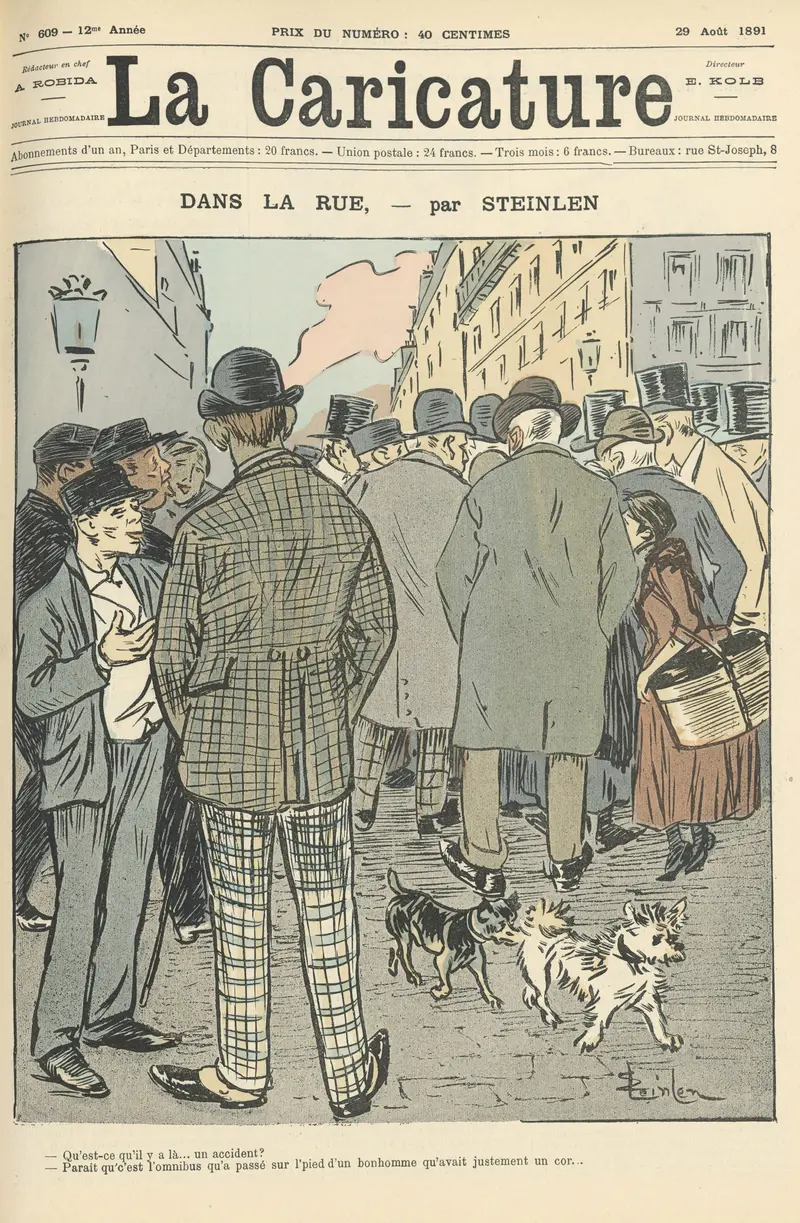
Dans la rue (La Caricature, 29 août 1891)
Théophile Alexandre Steinlen
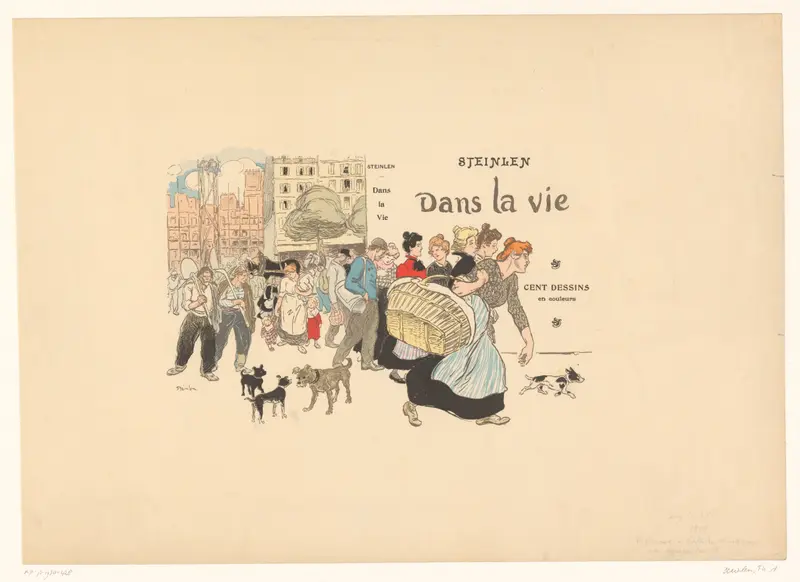
Dans la vie
Théophile Alexandre Steinlen
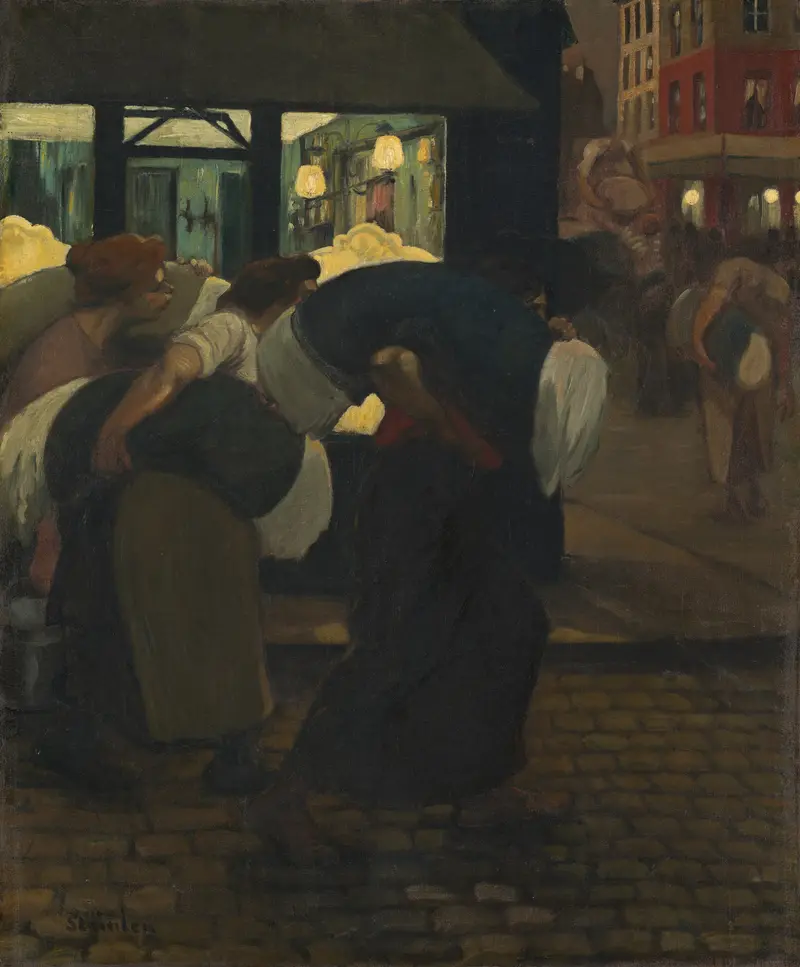
The Laundresses
Théophile Alexandre Steinlen
More Genre Scene Art

Banquet of the Officers of the St George Civic Guard
Frans Hals

Rembrandt and Saskia in the Scene of the Prodigal Son
Rembrandt van Rijn

Bal du moulin de la Galette
Pierre-Auguste Renoir

Quadrille at the Moulin Rouge
Henri de Toulouse-Lautrec

A Burial at Ornans
Gustave Courbet

When Will You Marry?
Paul Gauguin