
Tatra Motif — History & Facts
In moments of grief and loss, we often find ourselves wrestling with the emotions that swirl within us, seeking clarity amidst the turmoil. Focus on the delicate interplay of colors sprawled across the canvas, where muted earth tones blend seamlessly into vibrant bursts of natural hues. Notice how the strokes create a rhythmic movement, as if the landscape breathes, swelling and contracting with the weight of unspeakable loss. The composition draws the eye toward a distant horizon, hinting at both the beauty and the ache of remembrance in its depth. Beneath this serene surface lies a tension that echoes the artist's own struggles.
The juxtaposition of calm blues against fierce, aggressive reds suggests a dichotomy between hope and despair. Each brushstroke is laden with unexpressed feelings, as if what is painted captures not only the scene but also the heaviness of sorrow itself. The viewer can sense an undercurrent of longing, reflecting on the connection between the beauty of the Tatra Mountains and the fragility of human emotion. In 1935, Ľudovít Čordák was deeply immersed in the exploration of Slovak identity through his art, having recently returned from Paris, where he had encountered modernist influences.
The socio-political atmosphere in Europe was fraught with change, and artists like Čordák were beginning to blend traditional themes with contemporary styles. This was a pivotal time in his career, as he sought to convey both the splendor of the landscape and the complexities of the human experience intertwined within it.
More Artworks by Ľudovít Čordák
Browse all →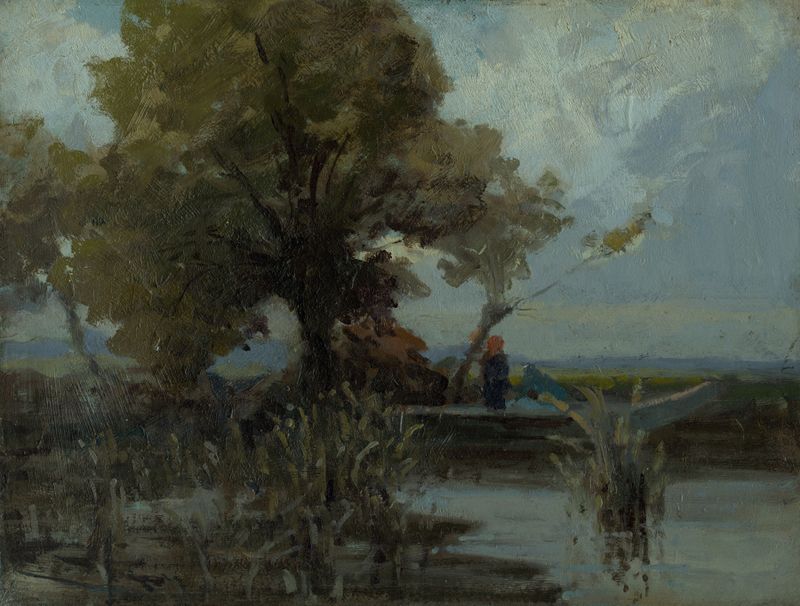
Košatý strom pri jazere
Ľudovít Čordák
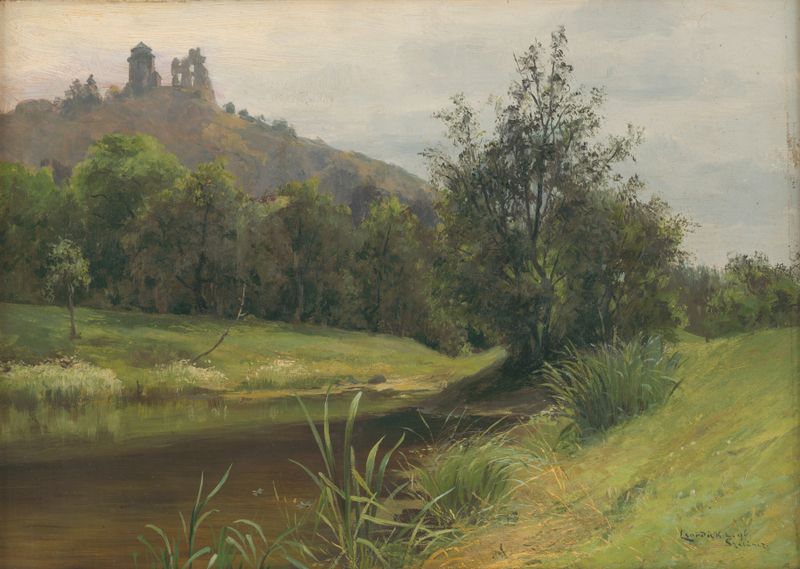
Močarina pod Slaneckým hradom
Ľudovít Čordák
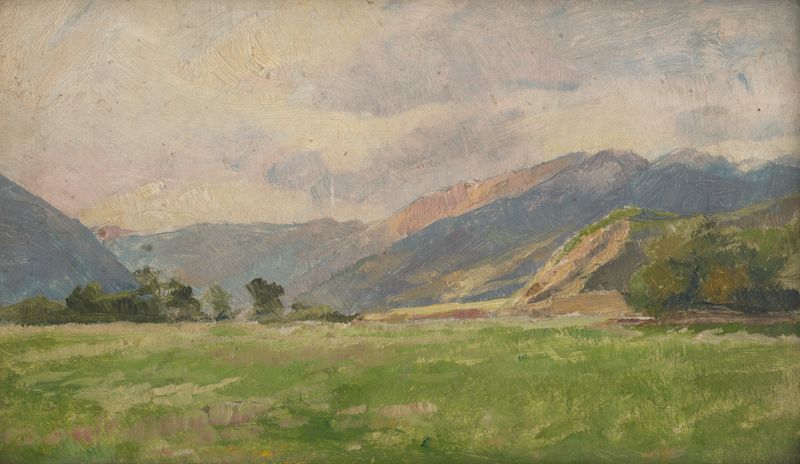
Mountain Meadow
Ľudovít Čordák
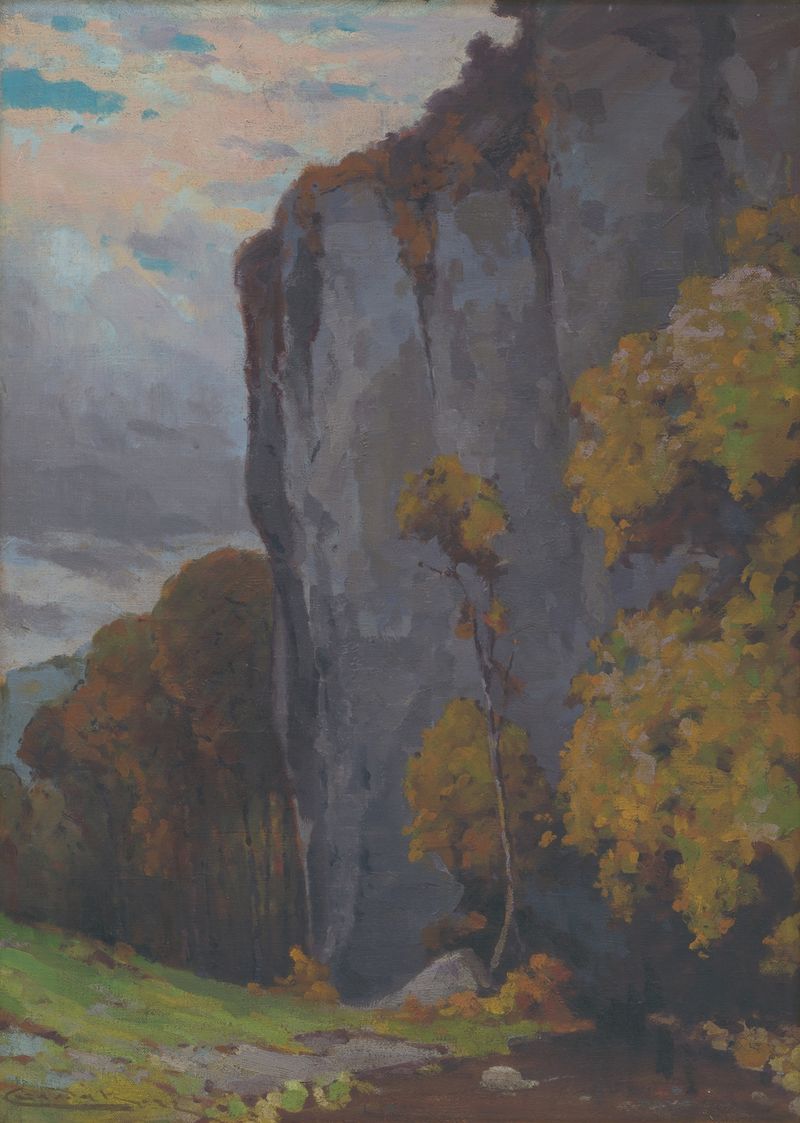
Zádiel
Ľudovít Čordák
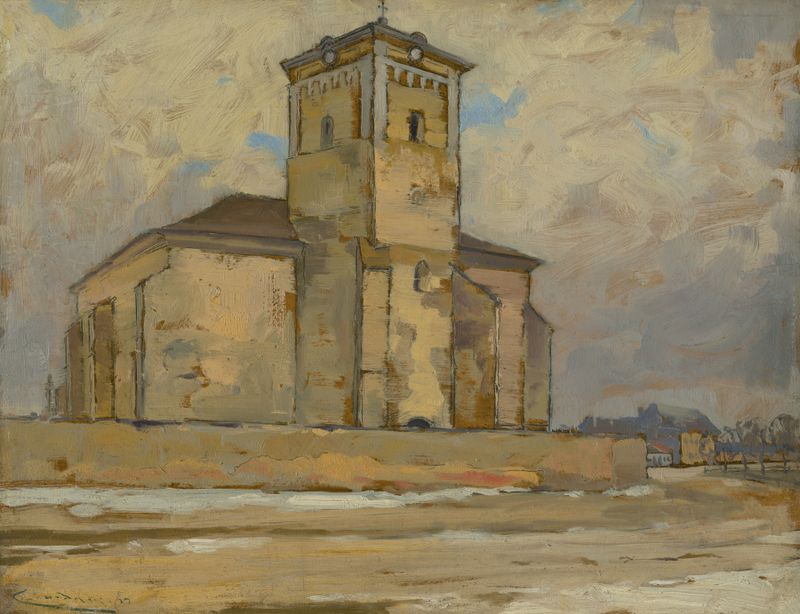
Church in Moldova
Ľudovít Čordák
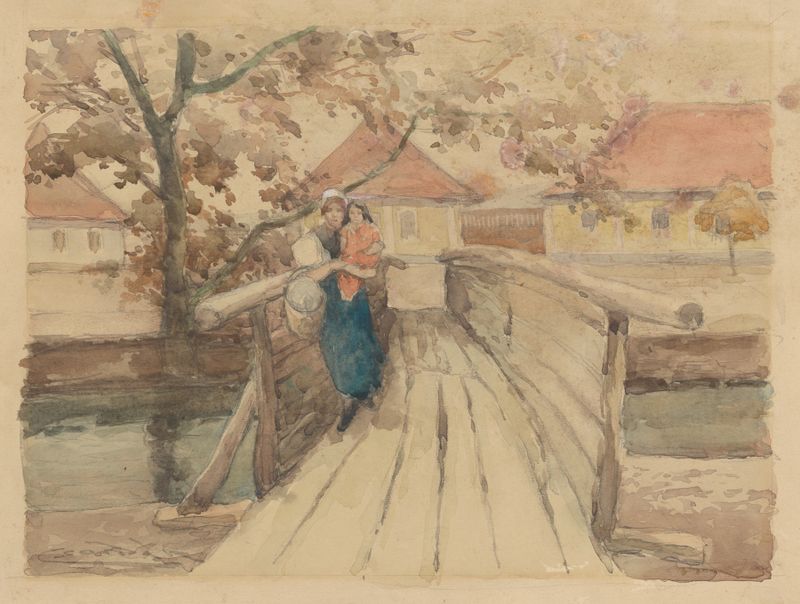
Wooden bridge
Ľudovít Čordák
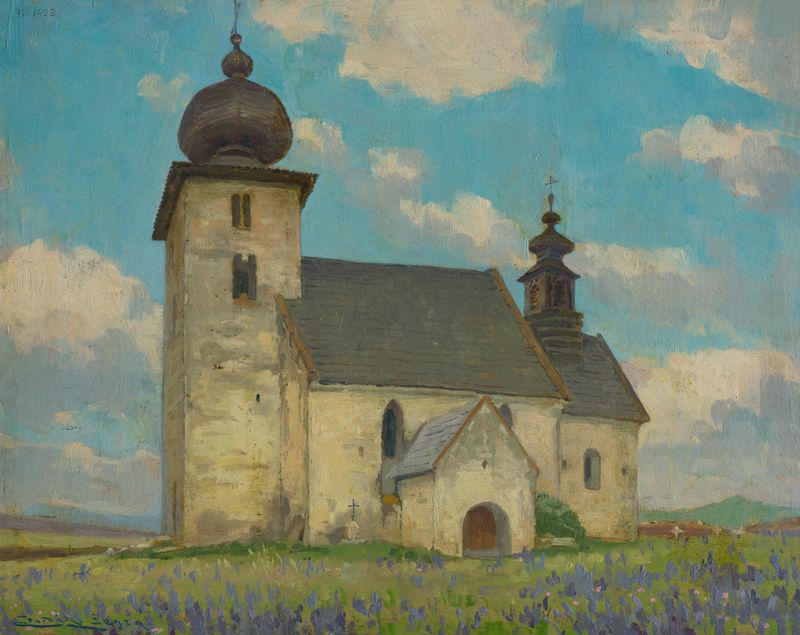
Gothic church in Žehra
Ľudovít Čordák
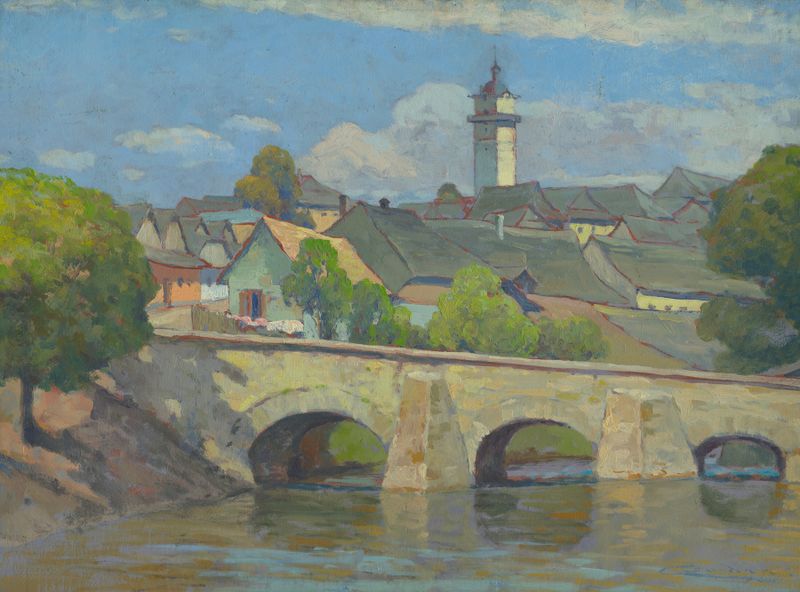
A small town in Spiš
Ľudovít Čordák
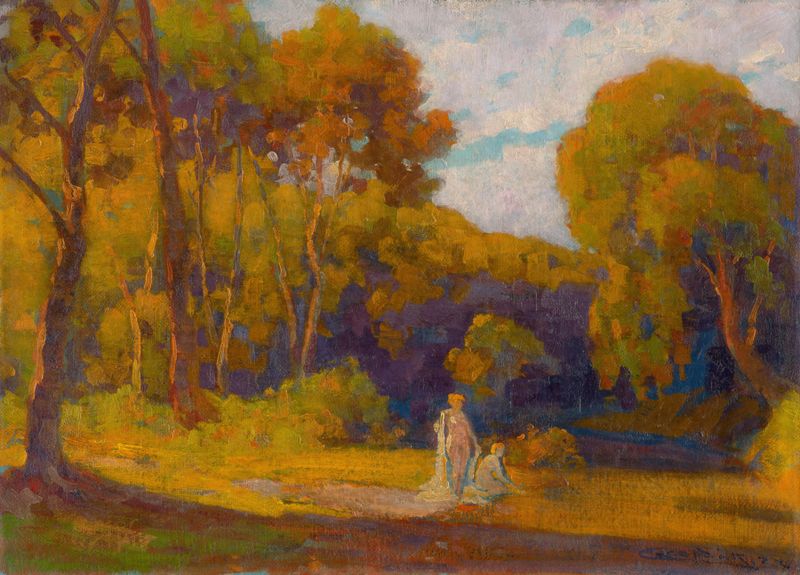
At Sunset
Ľudovít Čordák
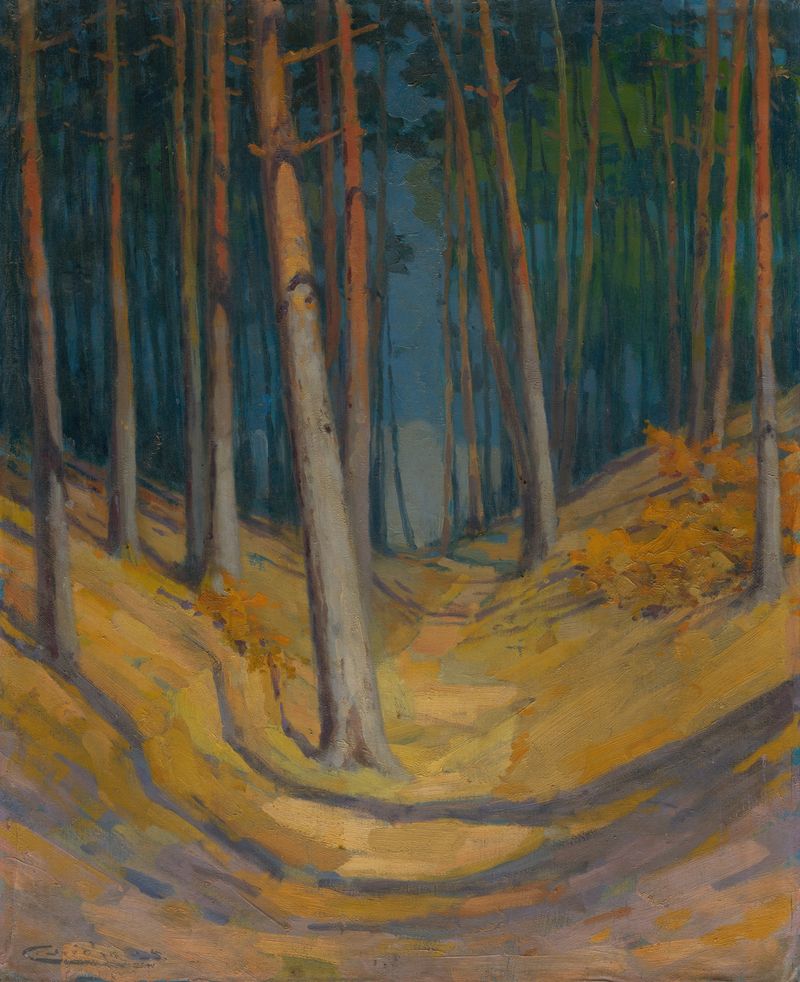
Forest
Ľudovít Čordák





