
Tête de femme — History & Facts
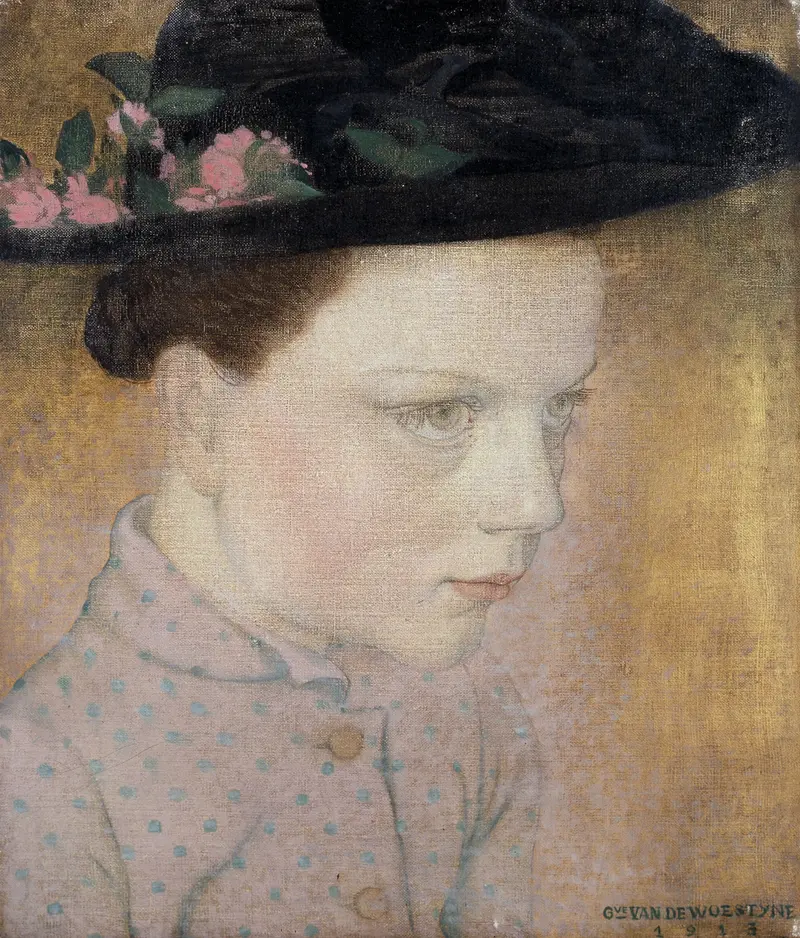
No one knows for certain when or why Gustave Van de Woestijne painted Tête de femme, and this uncertainty has made the work a quiet riddle among his admirers. Unlike his more monumental religious scenes or rural portraits, this painting stands apart for its anonymity: the sitter’s name is lost, the date unrecorded, and even the medium is a matter of speculation. What is clear is that Tête de femme has drawn attention for its haunting directness—viewers and critics alike have remarked on the intensity of the woman’s gaze, which seems to hold secrets just out of reach.
The work’s elusive origins only add to its intrigue, inviting endless questions about the identity of both artist and subject. The woman in Tête de femme meets the viewer’s eyes with a look at once reserved and searching. Her face, rendered with the quiet restraint typical of Van de Woestijne’s mature period, is set against a neutral background, allowing every nuance of her expression to emerge. The painter’s careful modeling of her features—soft shadows under the eyes, the gentle arch of her brow—suggests both vulnerability and resolve.
Unlike the idealized faces of Renaissance portraiture or the psychological probing of Van Gogh’s self-portraits, Van de Woestijne offers a moment of silent confrontation: the sitter is neither saint nor allegory, but a real woman, present and unguarded. The absence of symbolic objects or narrative clues leaves her identity suspended, focusing all attention on the intensity of her presence. Little is known of Tête de femme’s early history; it does not appear in the artist’s surviving correspondence or exhibition records, and its provenance before the twentieth century remains undocumented. This anonymity is not unusual for Van de Woestijne’s more intimate works, many of which were painted for private collectors or remained in the artist’s family for decades.
Today, the painting is recognized as a quietly powerful example of Van de Woestijne’s ability to capture the inner life of his sitters, and it stands as a testament to his place within the Symbolist movement in Belgium. Whether displayed in a museum or studied in reproduction, Tête de femme continues to invite viewers into its silent, unresolved dialogue.
More Artworks by Gustave Van de Woestijne
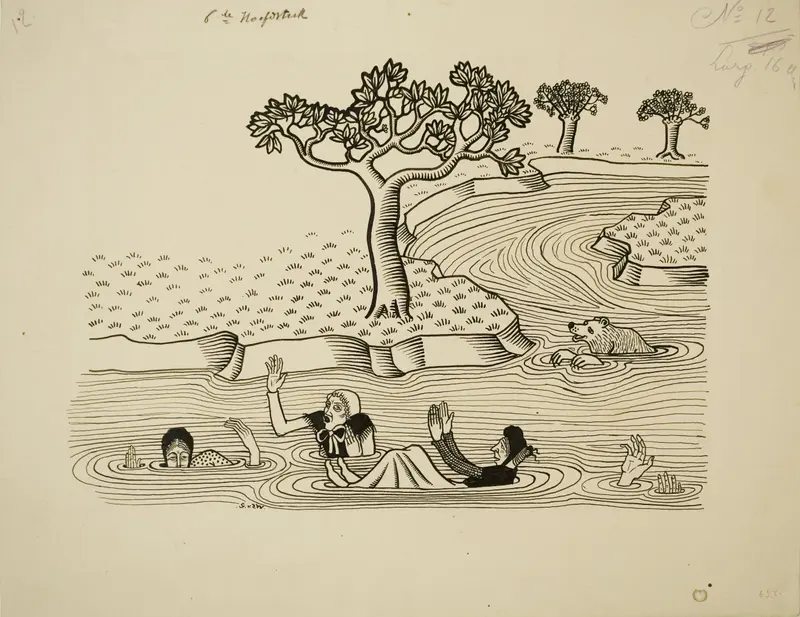
How Brown went out with Reynard where he thought he was eating honey and how he was caught by head and feet and suffered further misfortune
Gustave Van de Woestijne
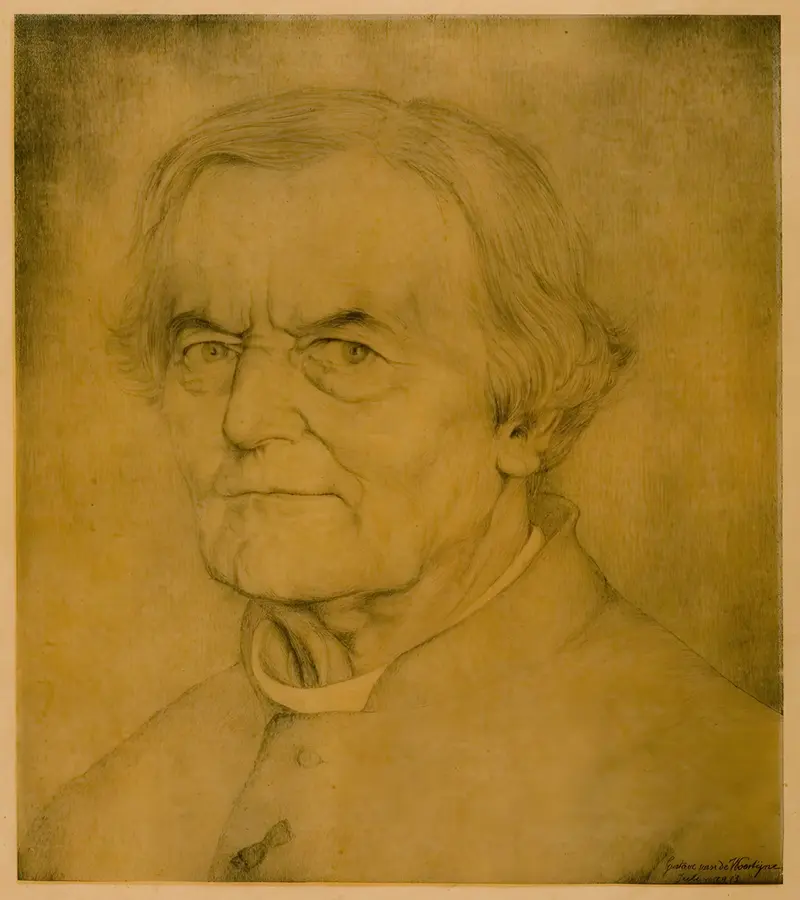
Portrait of Hugo Verriest
Gustave Van de Woestijne
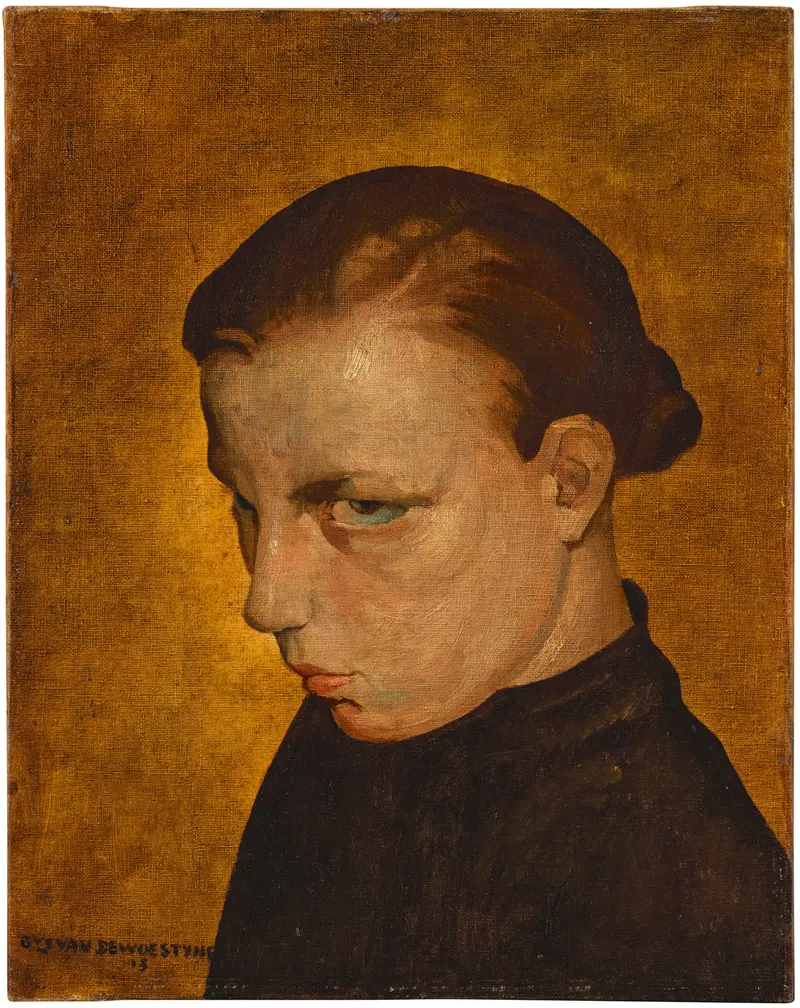
Angèle
Gustave Van de Woestijne
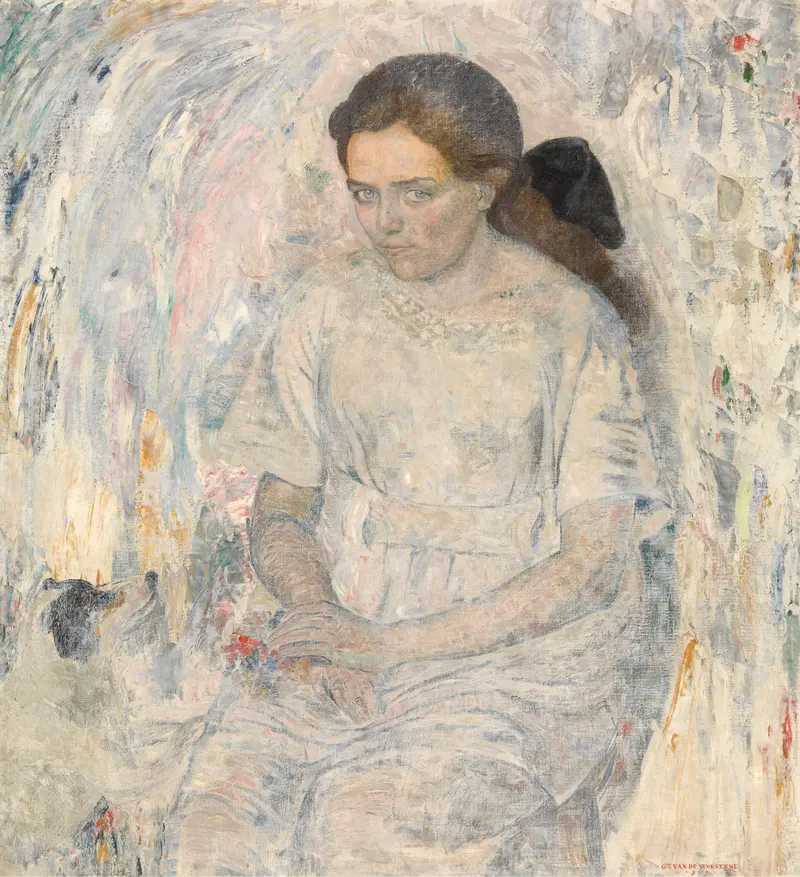
Adrienne
Gustave Van de Woestijne
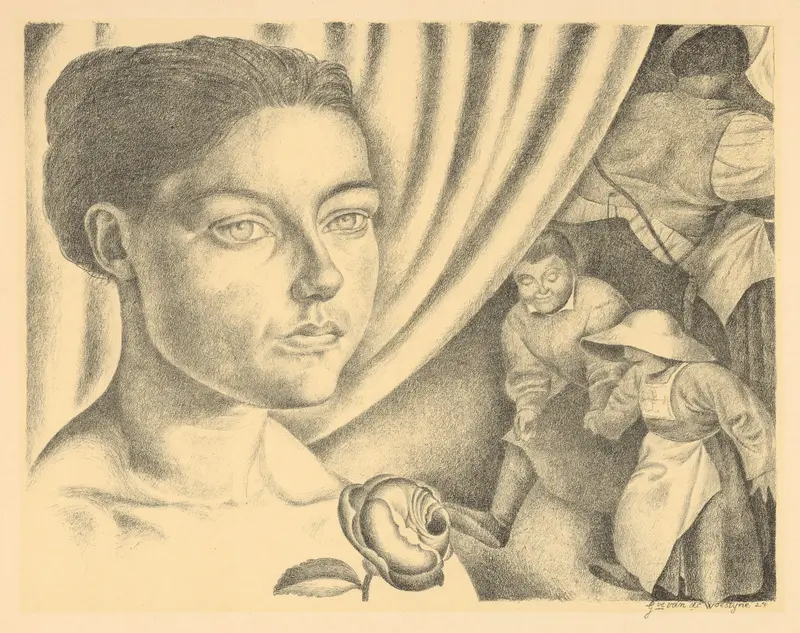
Jeune Femme
Gustave Van de Woestijne
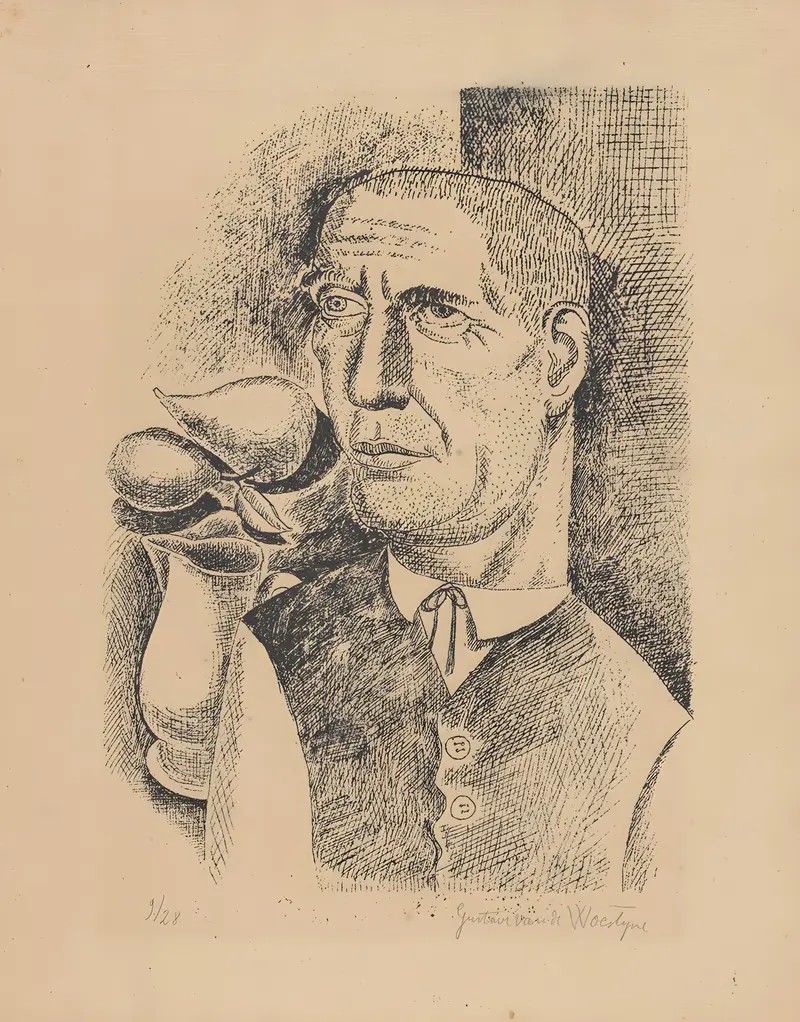
Boer op zijn zondags (Paysan endimanché)
Gustave Van de Woestijne
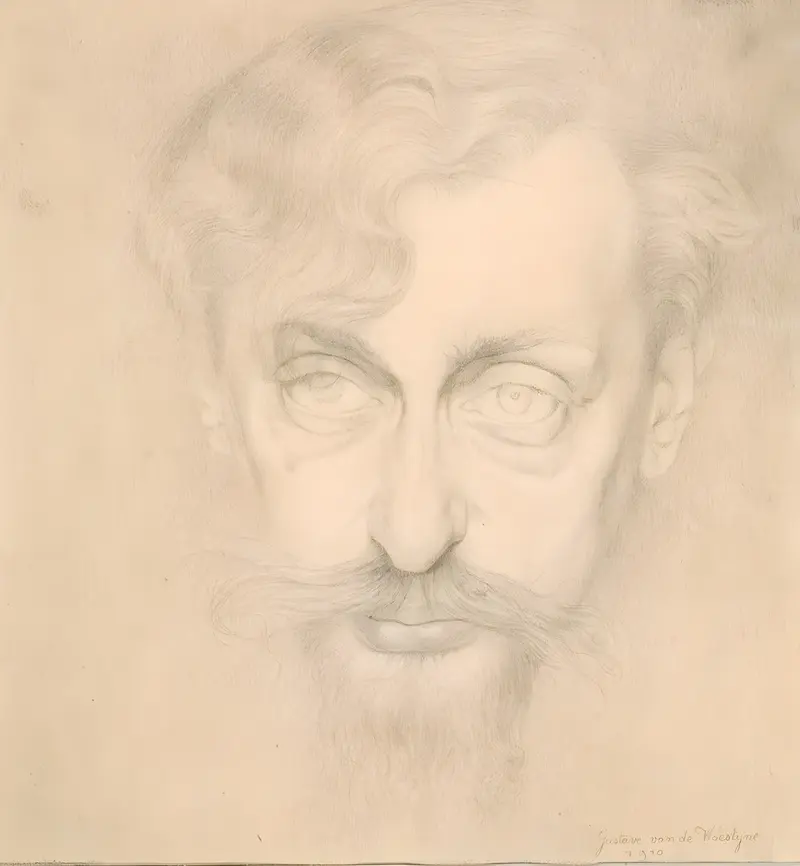
Portrait of the Writer Karel van de Woestijne
Gustave Van de Woestijne
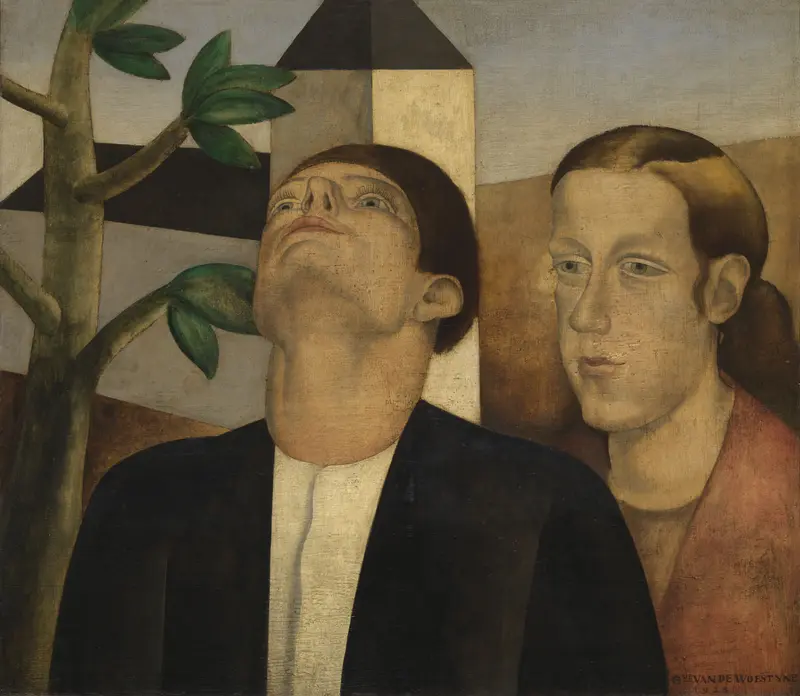
Azure
Gustave Van de Woestijne
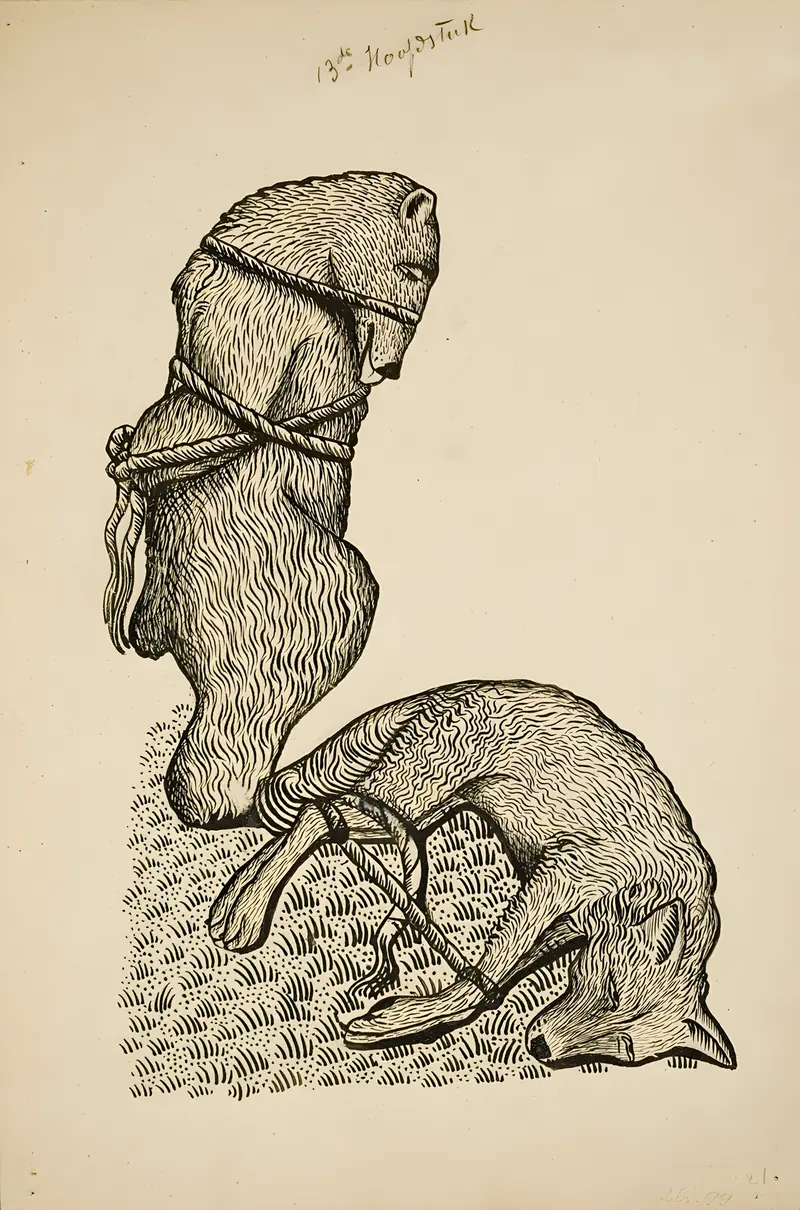
How Reinaert devises a new trick to get free and exterminate his enemies
Gustave Van de Woestijne
Country Girl
Gustave Van de Woestijne





