
Tête de paysanne — History & Facts
In Tête de paysanne, Camille Pissarro captures a peasant woman with a gentle expression. The colors are soft, featuring earthy tones of browns and greens that reflect her rural surroundings. The background is somewhat blurred, emphasizing the figure in the foreground.
The woman's attire is simple, showcasing the everyday life of a peasant during the late 19th century. This painting is executed in oil on canvas, a common medium for Pissarro. The brushwork is characteristic of Impressionism, with visible strokes that create a sense of movement and life. The dimensions are approximately 50 x 60 cm, making it a modest-sized portrait.
The composition draws the viewer's eye directly to the subject's face, inviting a connection. Camille Pissarro was a key figure in the Impressionist movement, known for his depictions of rural life. Tête de paysanne reflects his interest in the working class and their daily experiences. An interesting fact about this work is that it showcases Pissarro's ability to blend realism with impressionistic techniques, capturing both the likeness and the essence of his subject.
This painting is part of the collection at the Musée d'Orsay in Paris.
More Artworks by Camille Pissarro
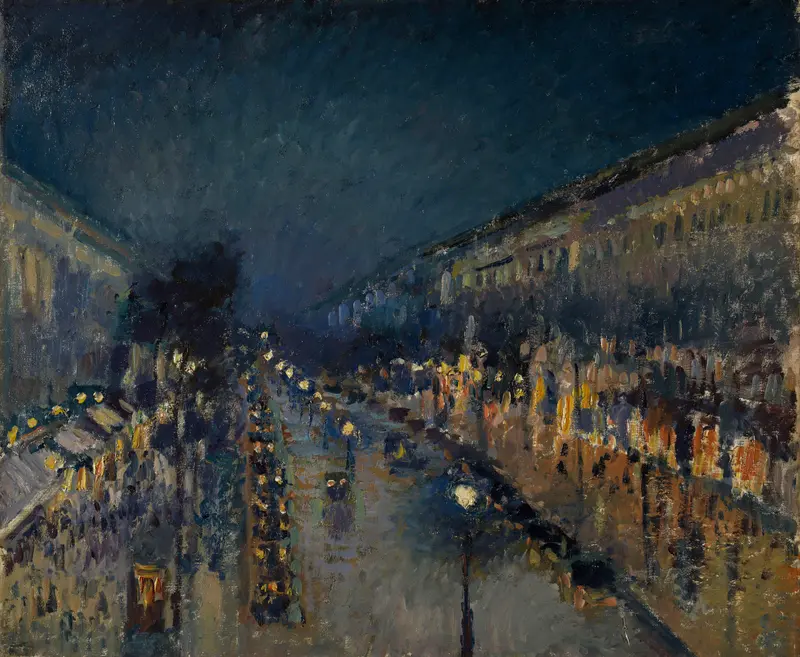
The Boulevard Montmartre at Night
Camille Pissarro

Boulevard des Italiens,Morning_Sunlight
Camille Pissarro

Boulevard Montmartre, Spring
Camille Pissarro
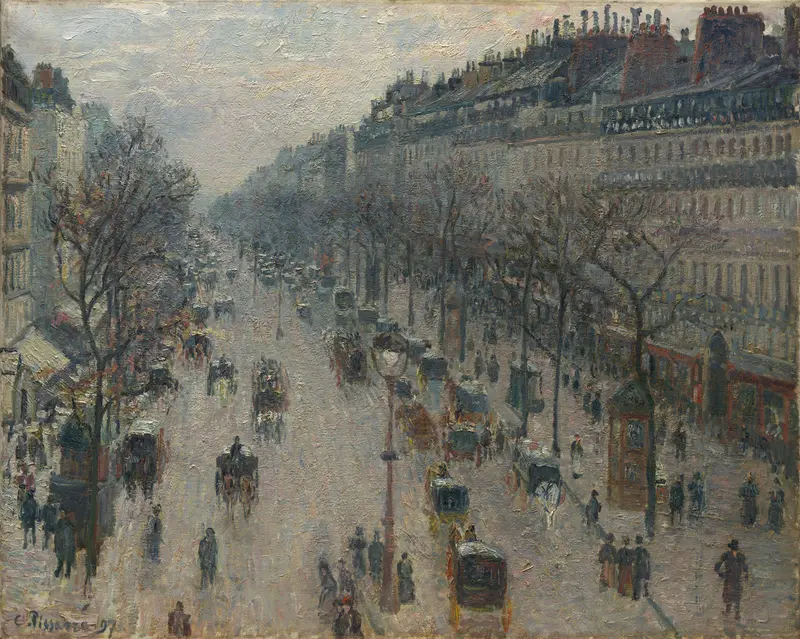
The Boulevard Montmartre on a Winter Morning
Camille Pissarro
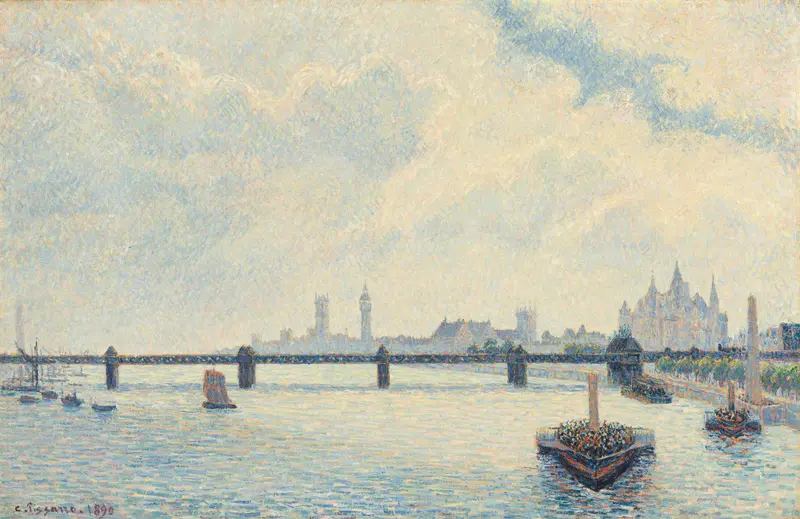
Charing Cross Bridge,London
Camille Pissarro
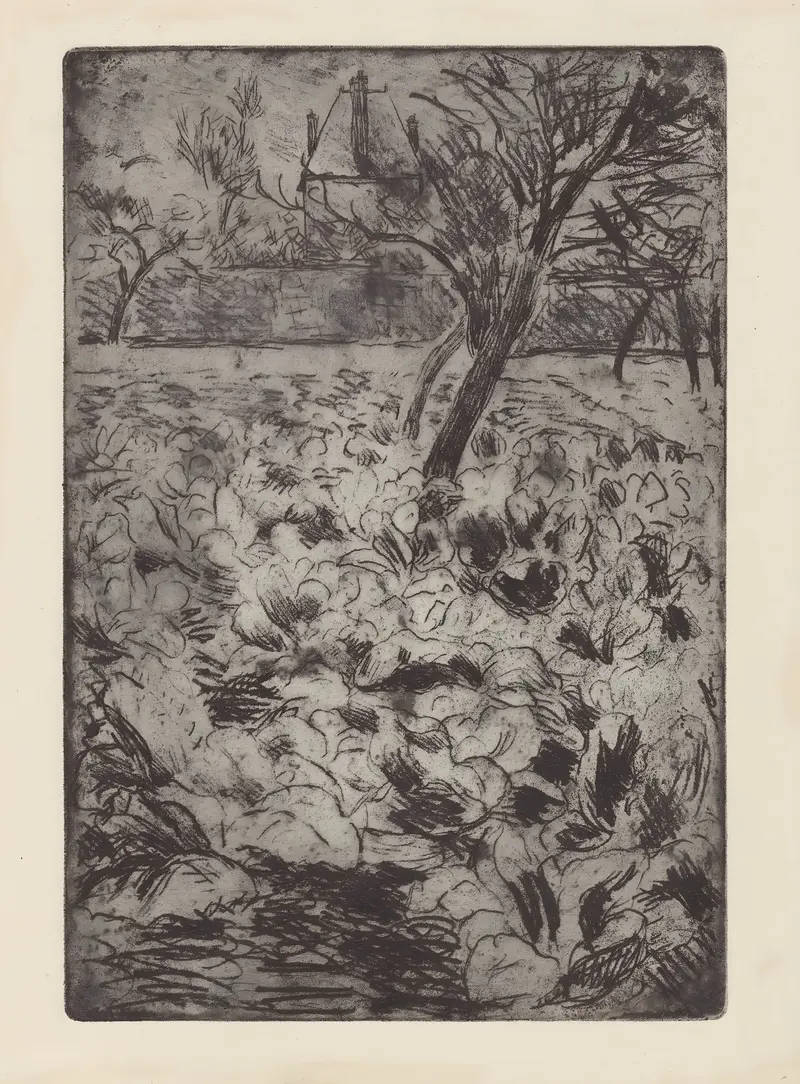
Le champ de choux
Camille Pissarro
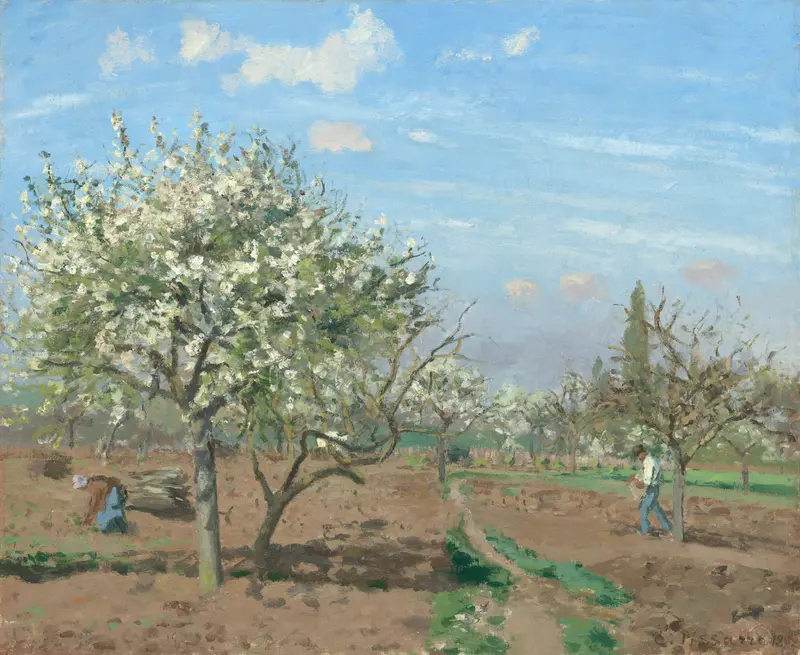
Orchard in Bloom,Louveciennes
Camille Pissarro
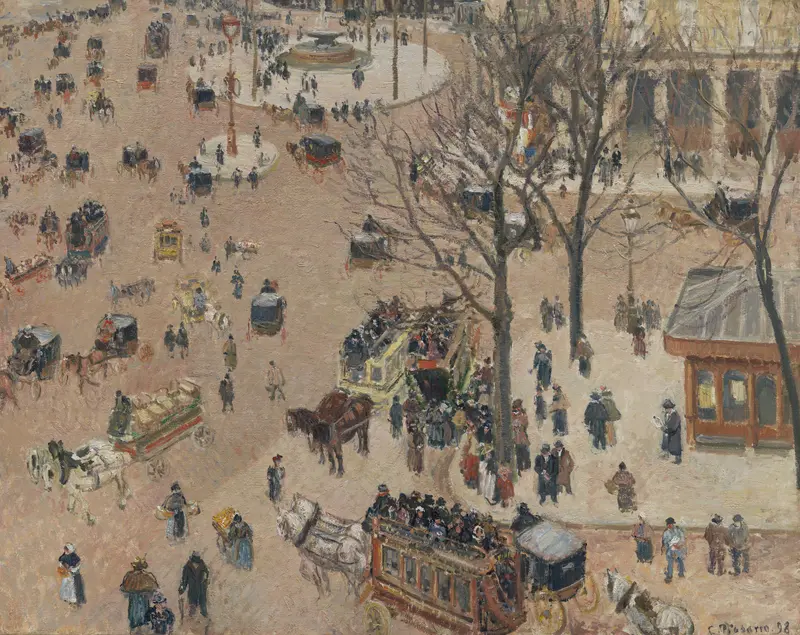
La Place du Théâtre Français
Camille Pissarro

The Pond at Montfoucault, Effect of Winter
Camille Pissarro
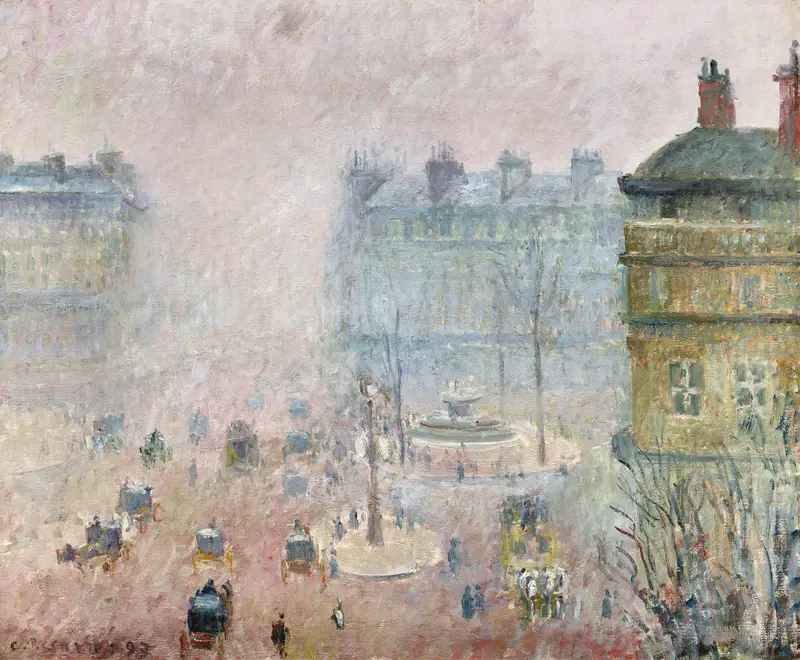
Place du Theatre Francais,Fog Effect
Camille Pissarro





