
The Abandoned Village — History & Facts
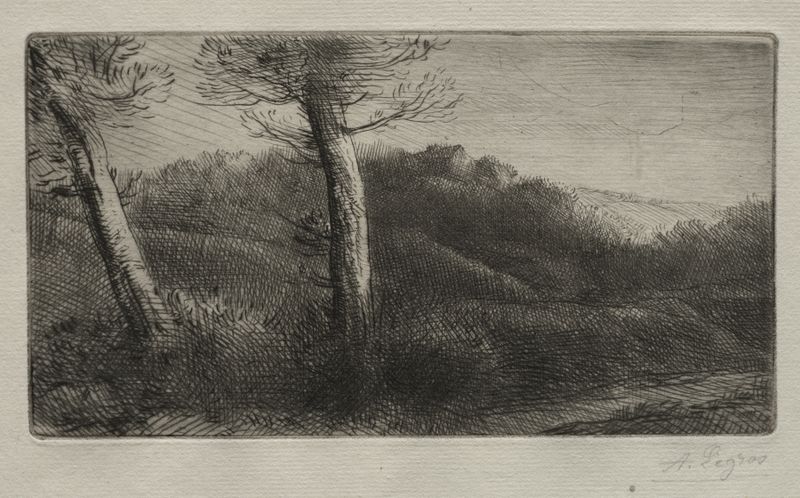
In The Abandoned Village, the remnants of a deserted place shimmer under the weight of light, revealing a haunting beauty that invites contemplation on loss and nostalgia. Focus on the delicate interplay of light and shadow that dances across the dilapidated buildings. Notice how the warm hues of golden sunlight illuminate the crumbling facades, casting long shadows that deepen the sense of abandonment. The color palette feels almost ethereal, as if the village itself is caught in a dream, evoking a longing for what once was.
The artist masterfully uses detail to guide your eye, drawing you first to the broken windows that seem to gaze back at the viewer, while the overgrowth hints at nature’s quiet reclamation. As you explore further, the emotional tension rises. Each disused pathway and vacant doorway tells a story of lives once lived, intertwined with the silence that envelops the scene. These contrasts—the vibrancy of the light against the sorrow of decay—speak to the fragility of human existence.
The village, while still standing, is a poignant reminder of time’s passing, where beauty becomes a vessel for collective memory and mourning. During the period from 1857 to 1911, Alphonse Legros was navigating his artistic journey, moving through influences that shaped the realism of his works. Living in England after leaving France, he was immersed in a world of industrial change, which profoundly affected his perception of landscape and human existence. This painting was created in a time marked by both social upheaval and a growing appreciation for the sublime in nature, reflecting the artist's own exploration of beauty amid desolation.
More Artworks by Alphonse Legros
Browse all →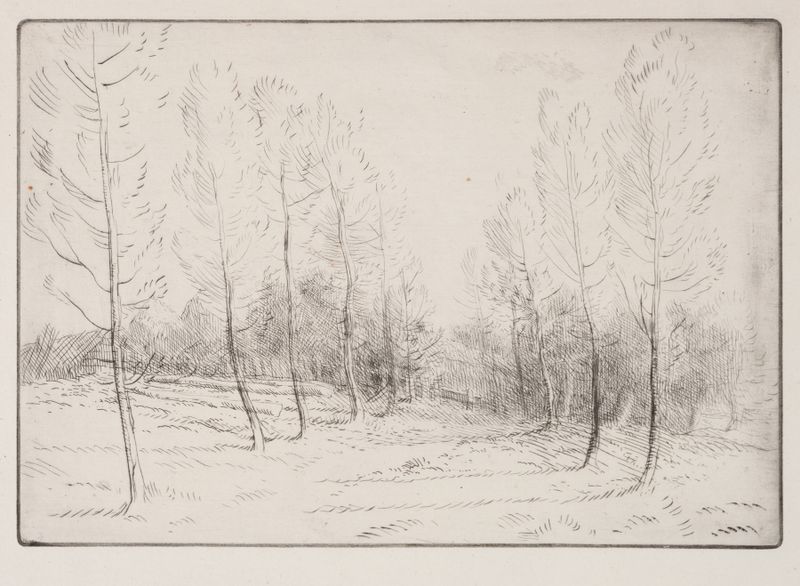
Avenue of Poplars
Alphonse Legros
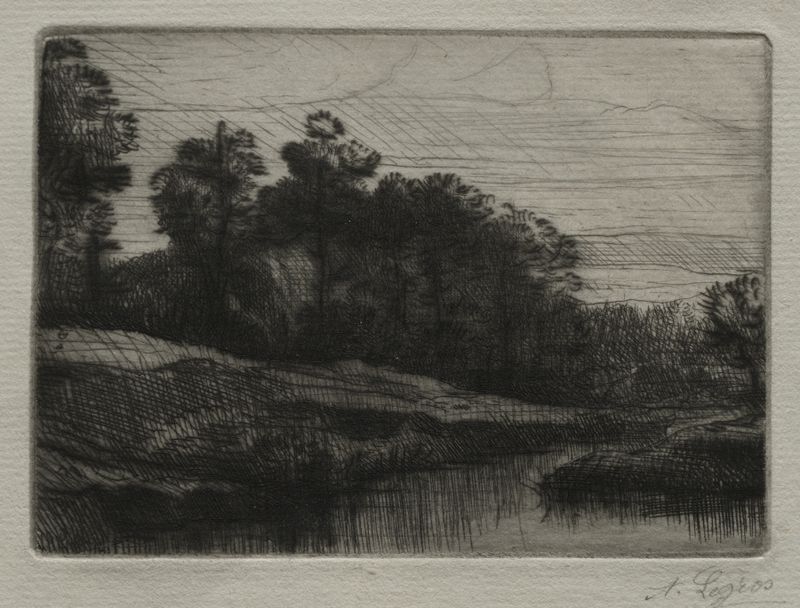
Evening
Alphonse Legros

The Fish in the Hoop Net
Alphonse Legros

The Little Beggar
Alphonse Legros
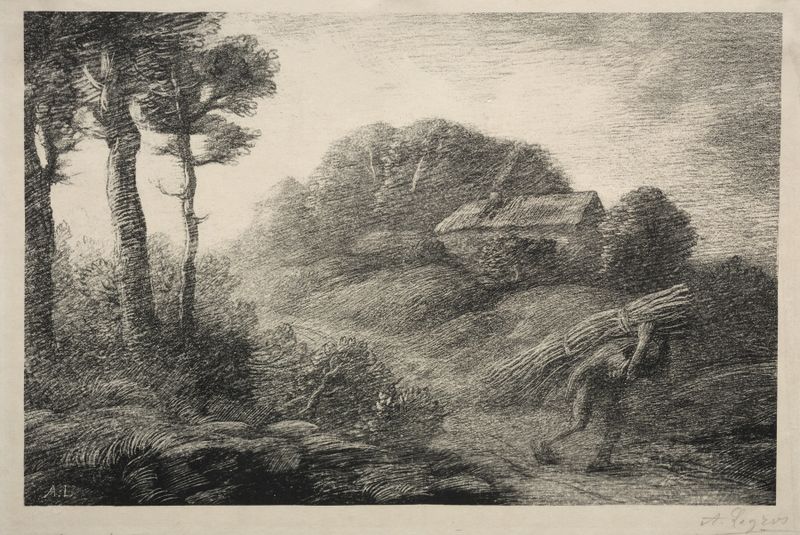
The Return of the Fagot Gatherer
Alphonse Legros

Storm
Alphonse Legros
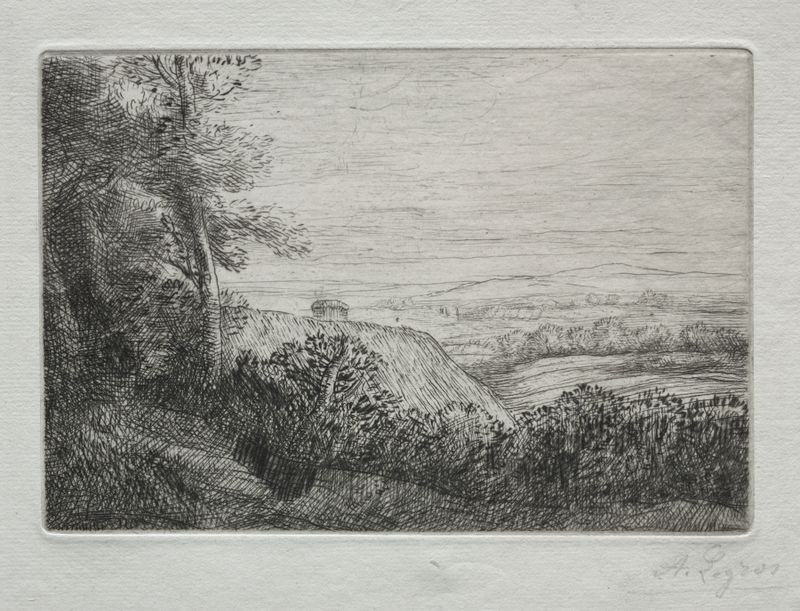
Les dernière Rayons de Soleil
Alphonse Legros
The Traveler Stretched out on the Grass
Alphonse Legros
Guard House
Alphonse Legros

Death of a Vagabond
Alphonse Legros





