
The Aeroplegasus (Anzani Engines) (Der Aeroplegasus (Motor Anzani)) — History & Facts
A sky of pure, unbroken blue becomes a stage for invention and fantasy in The Aeroplegasus (Anzani Engines) by Moriz Jung. Here, the eye is caught first by the impossible machine-creature: a winged green horse, its hindquarters powered by a whirring propeller, its wings stretched wide and mechanical. Astride this hybrid marvel sits a figure in formal dress, clutching a lyre as if orchestrating a flight of myth and modernity.
Above, a triumphant woman floats on a golden cloud, her orange scarf streaming behind her, arm raised in a gesture of victory with a laurel wreath. The composition brims with playful energy, the crisp outlines and bold colors guiding the viewer upward, from the mechanical Pegasus to the radiant muse. Created in 1911, this print belongs to a world intoxicated by the possibilities of flight and the rapid advances of technology. The title’s nod to Anzani engines—a pioneering force in early aviation—anchors the fantasy in the feverish innovation of the era.
Such images were often commissioned for posters, magazines, or advertisements, celebrating the marvels of new machinery with humor and style. Moriz Jung, working in the vibrant circles of Viennese graphic art, was known for blending wit, myth, and the visual language of modern life. History has kept few traces of this particular print’s journey, but its presence in the Metropolitan Museum of Art’s collection ensures that its exuberant vision of progress and imagination continues to invite wonder.
More Artworks by Moriz Jung
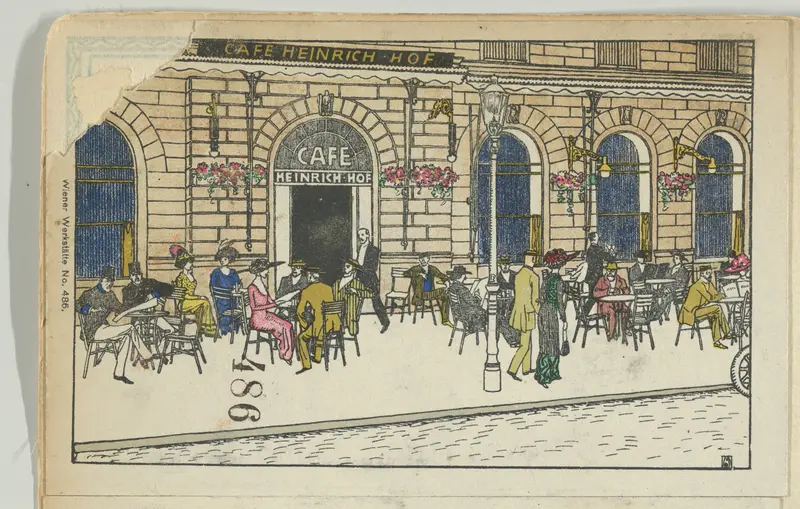
Café Heinrichhof
Moriz Jung

Moriz Jung Porträt
Moriz Jung
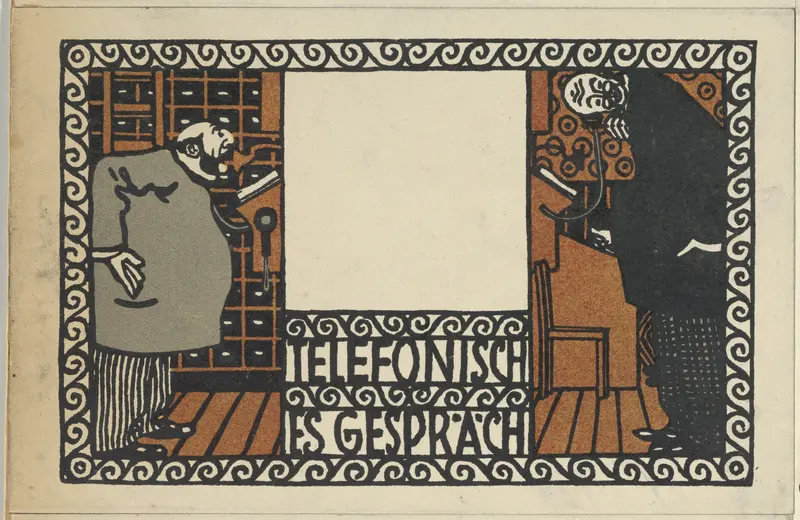
Telephone Conversation (Telefonisches Gespräch)
Moriz Jung
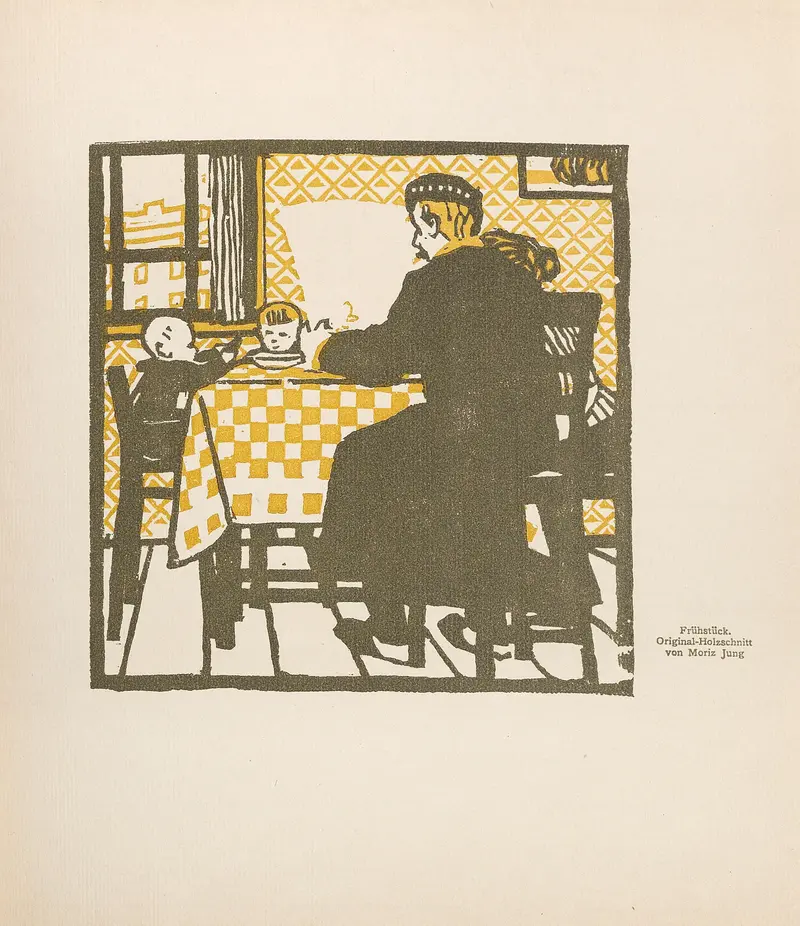
Moriz Jung Frühstück
Moriz Jung
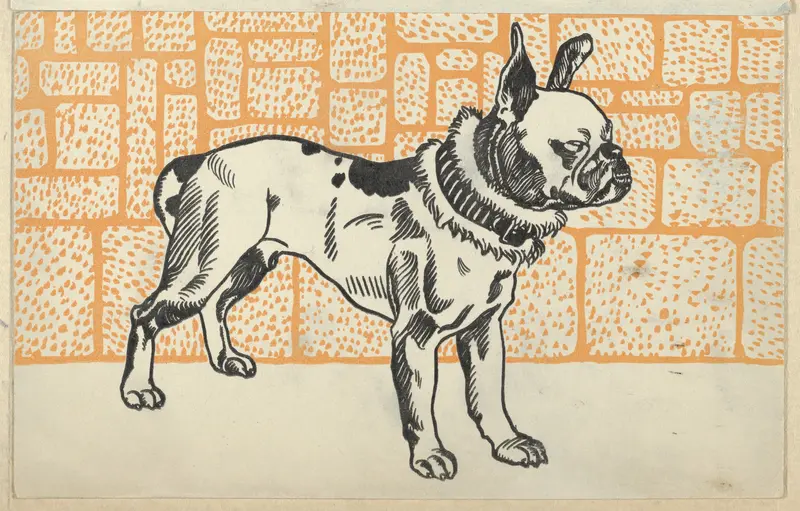
Pitbull Terrier
Moriz Jung
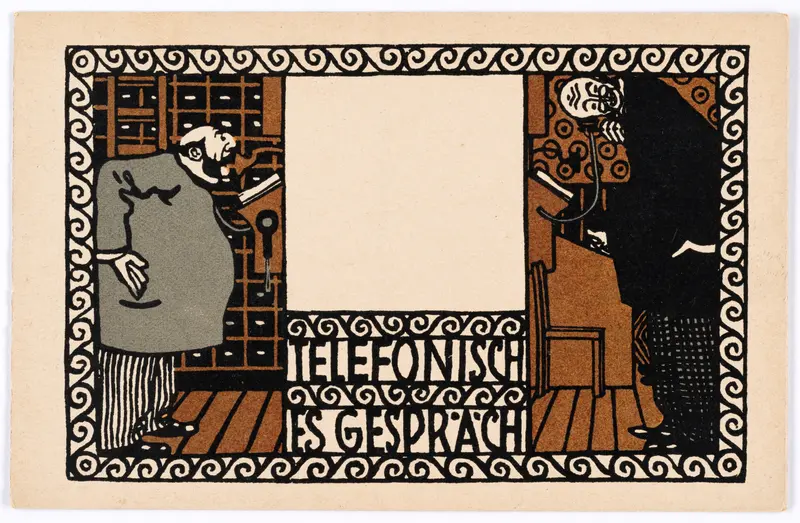
Postkarte der Wiener Werkstätte Nr. 58 - Telefonisches Gespräch
Moriz Jung
Postkarte der Wiener Werkstätte Nr. 58 - Telefonisches Gespräch - verso
Moriz Jung
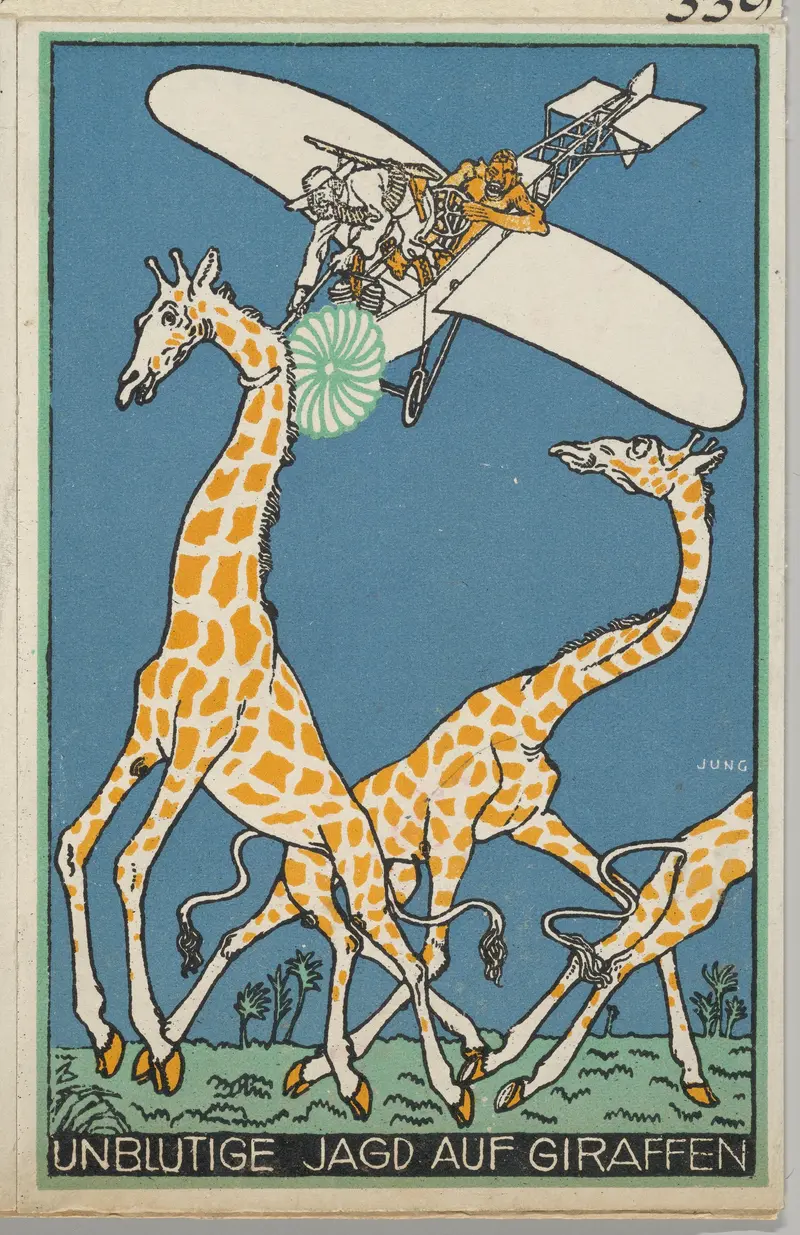
Bloodless Giraffe Hunt (Unblutige Jagd auf Giraffen)
Moriz Jung
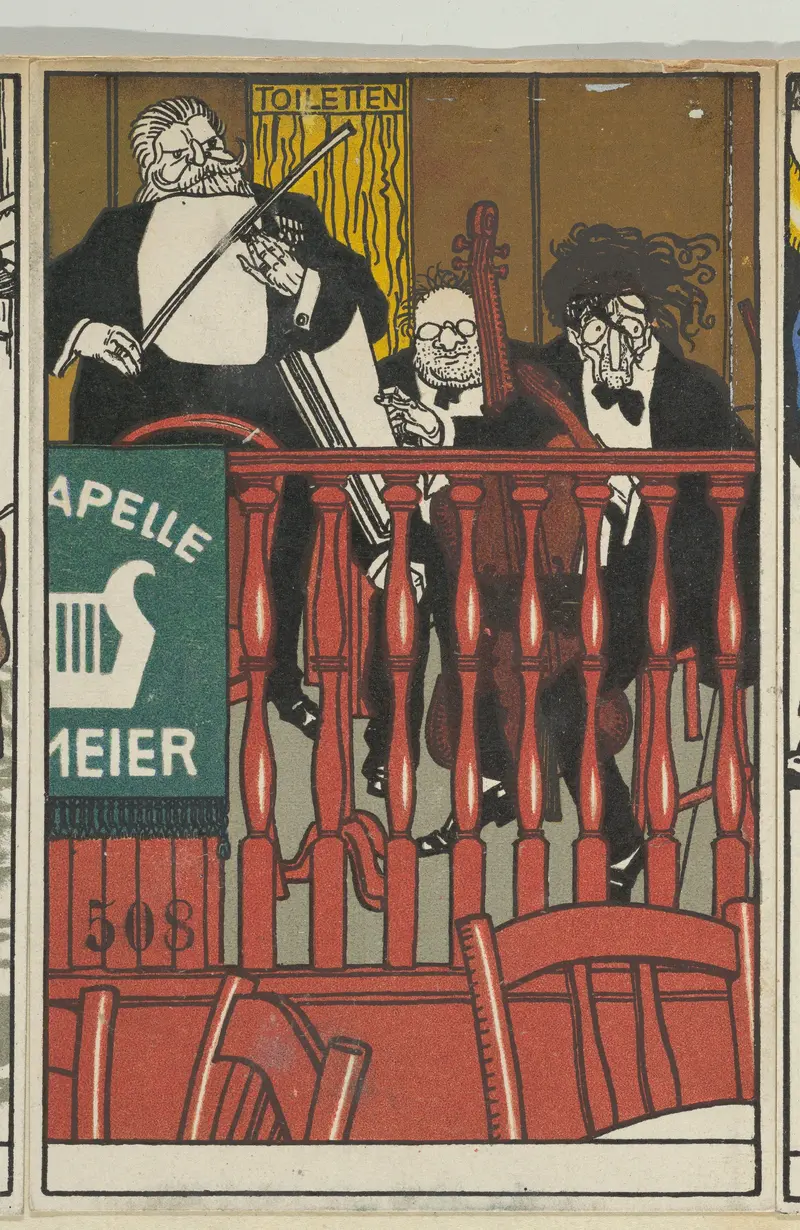
Salon Orchestra Meier
Moriz Jung
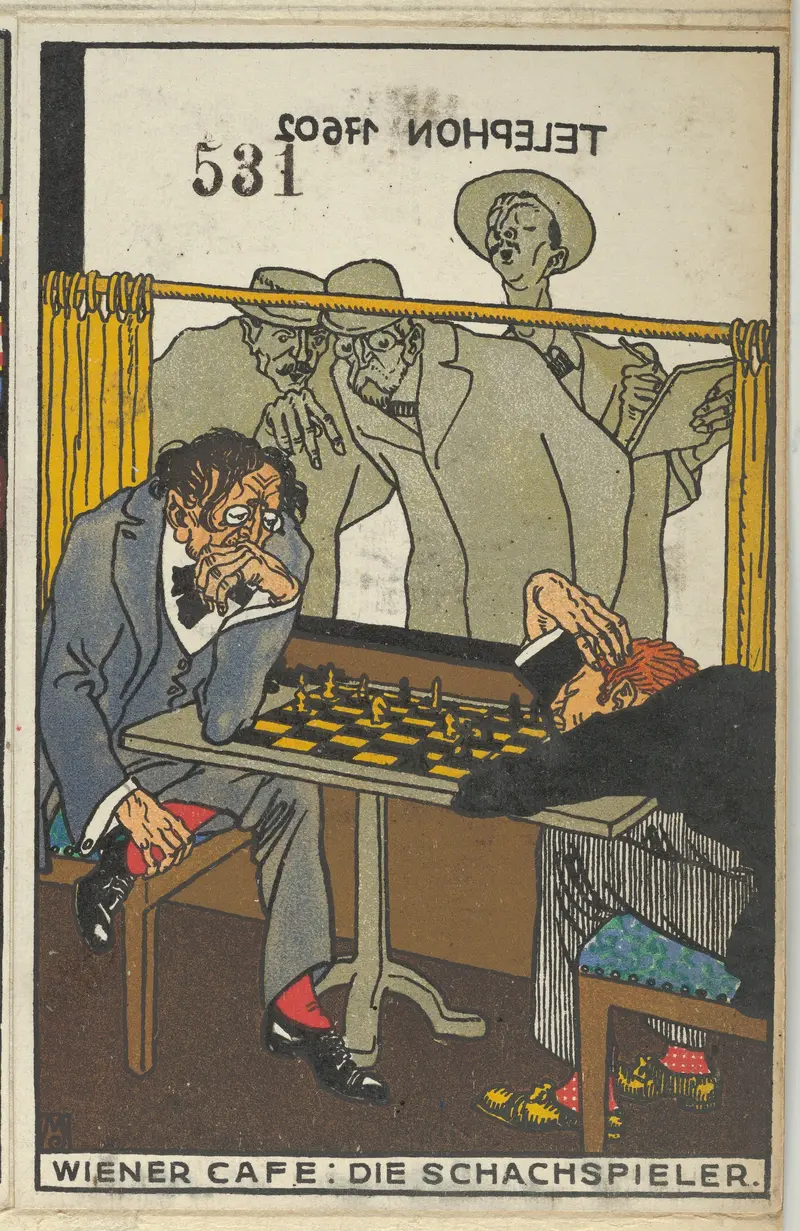
Wiener Café: Die Schachspieler
Moriz Jung





