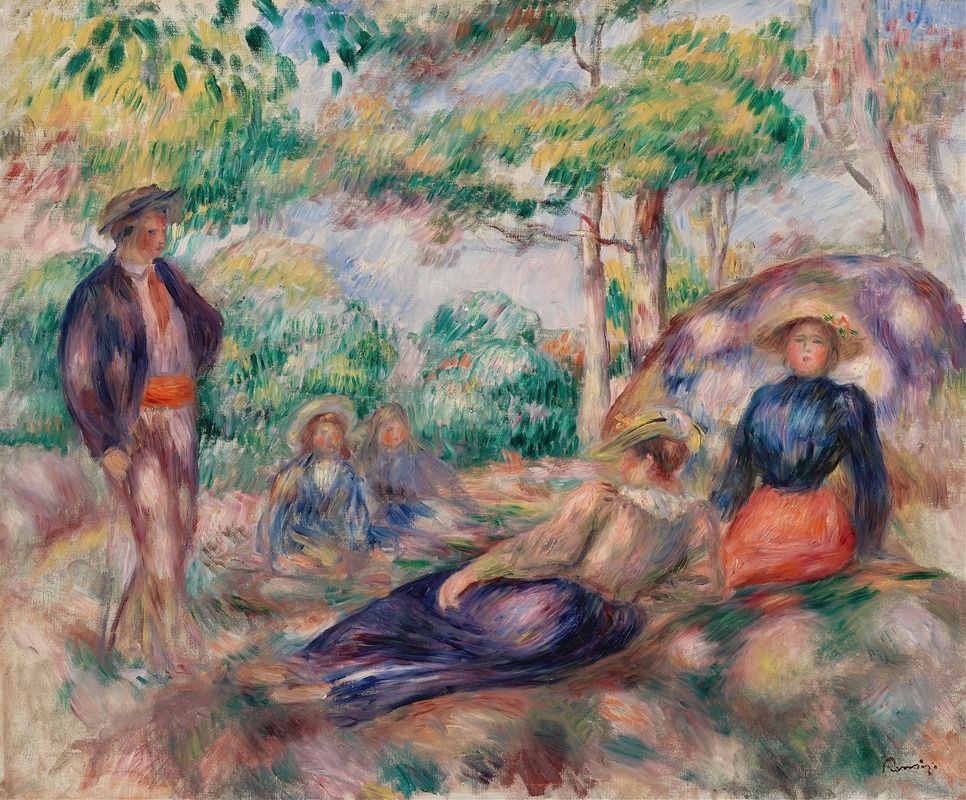
Discover insights about this artwork
The Angelus — History & Facts
The Angelus by Jean-François Millet depicts two peasant figures in a field, standing with their heads bowed in prayer. The colors are muted, dominated by earthy tones of browns and greens, reflecting the rural setting. The sky is painted in soft hues, suggesting dusk, which adds a serene atmosphere to the scene.
The figures are dressed in simple, traditional clothing, emphasizing their humble lifestyle. The painting is an oil on canvas, measuring approximately 82.5 x 66 cm. Millet employs a realistic style, capturing the details of the figures and their surroundings with precision. The composition is balanced, with the figures positioned centrally against the expansive field.
The use of light and shadow enhances the depth and realism of the scene. Jean-François Millet was a leading figure in the Realism movement, focusing on the lives of rural workers. The Angelus was painted around 1857 and reflects his deep empathy for the peasant class. An interesting fact about this work is that it became one of Millet's most famous pieces, symbolizing the connection between labor and spirituality.
The painting has been widely reproduced and is often referenced in discussions about the dignity of labor.
More Artworks by Jean-François Millet

Gleaners
Jean-François Millet

Starry Night
Jean-François Millet
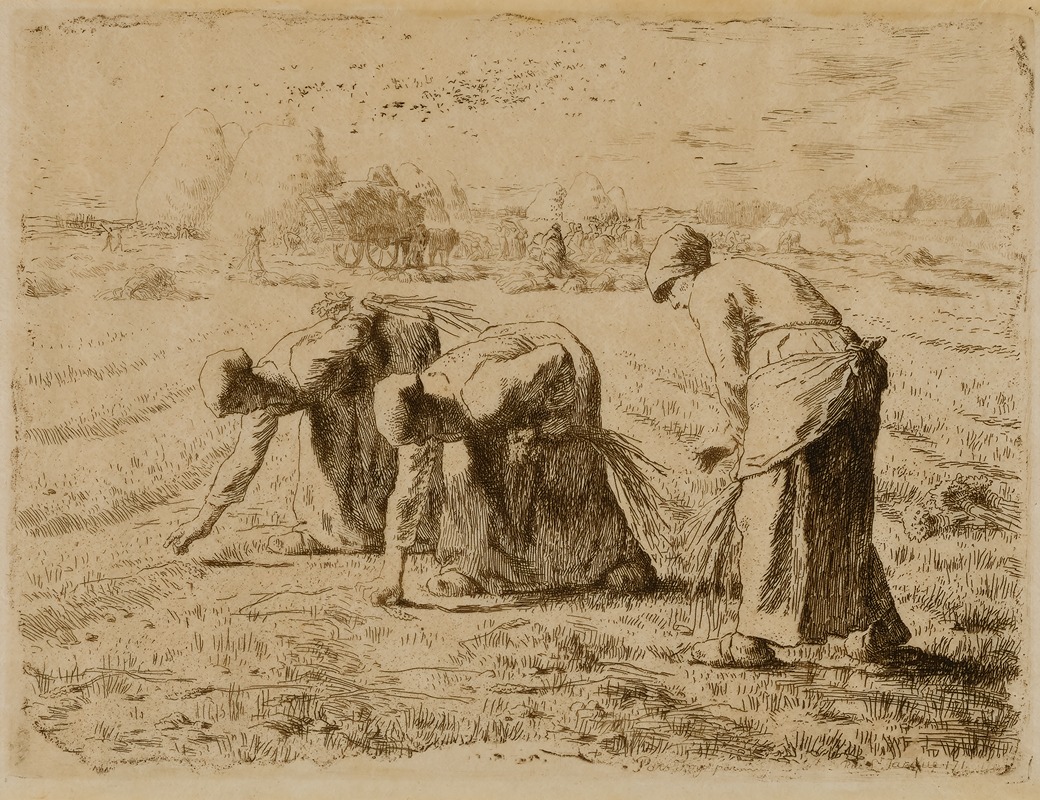
The Gleaners
Jean-François Millet
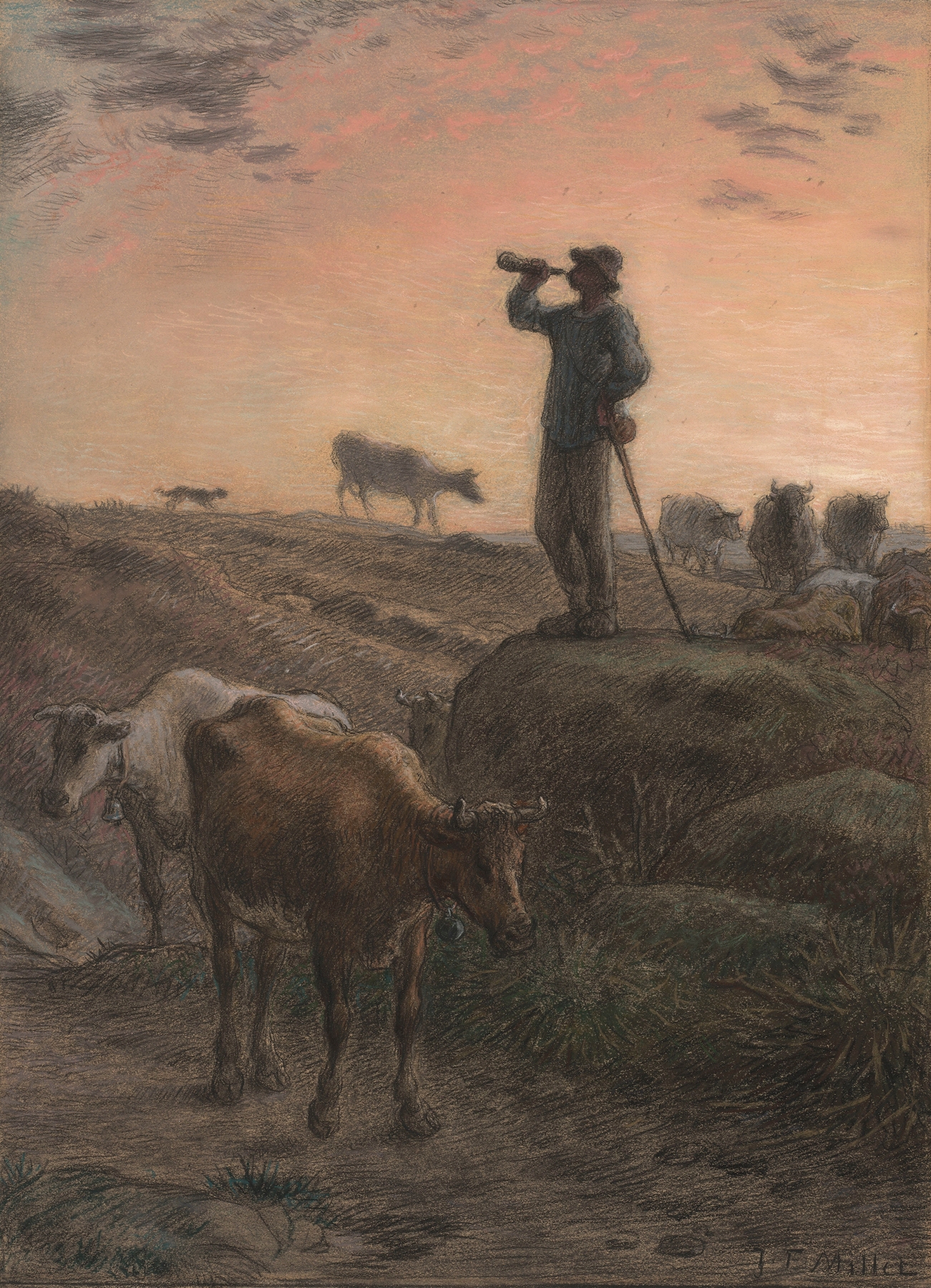
Calling Home the Cows
Jean-François Millet
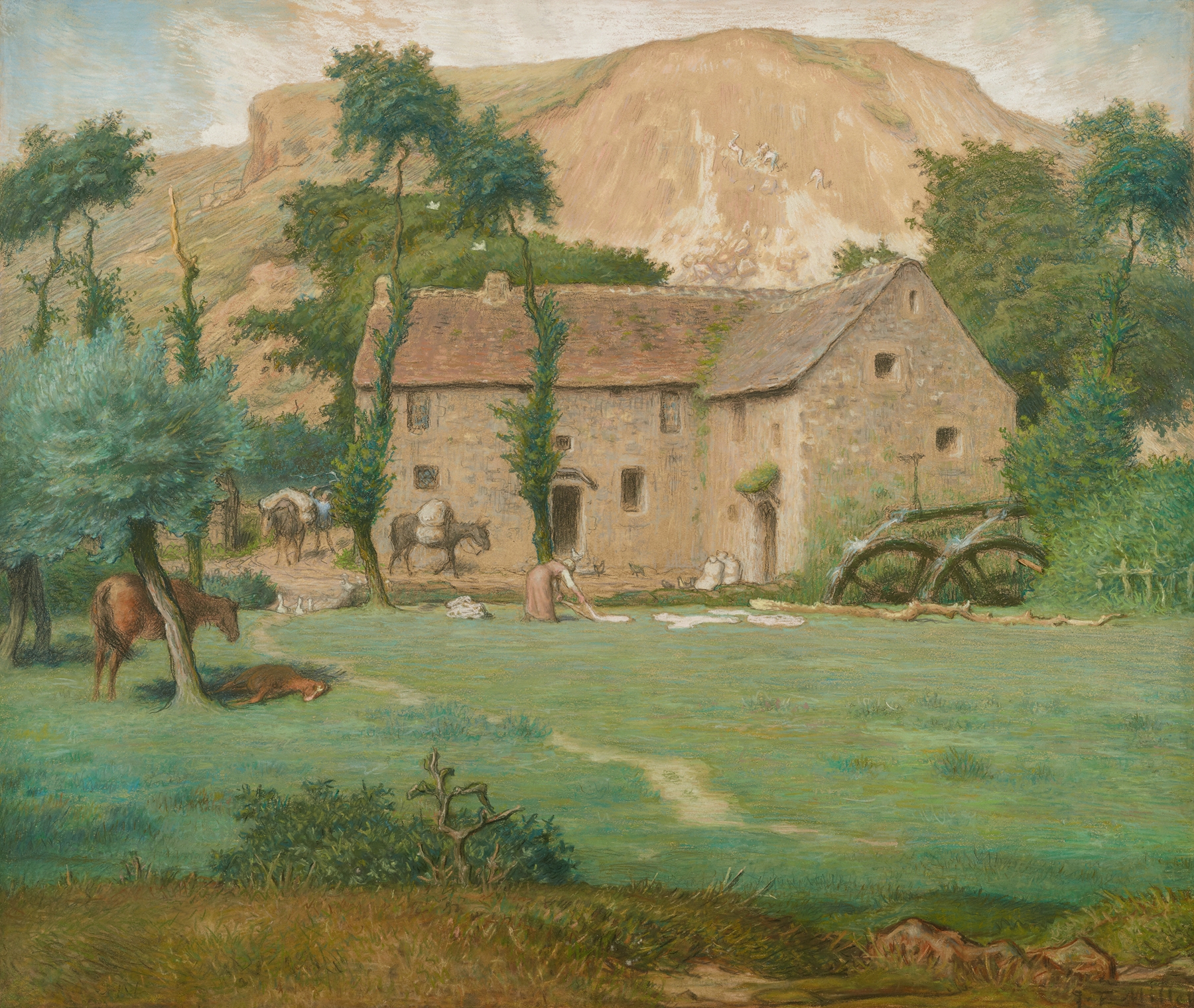
Watermill at the Foot of a Mountain, Allier
Jean-François Millet
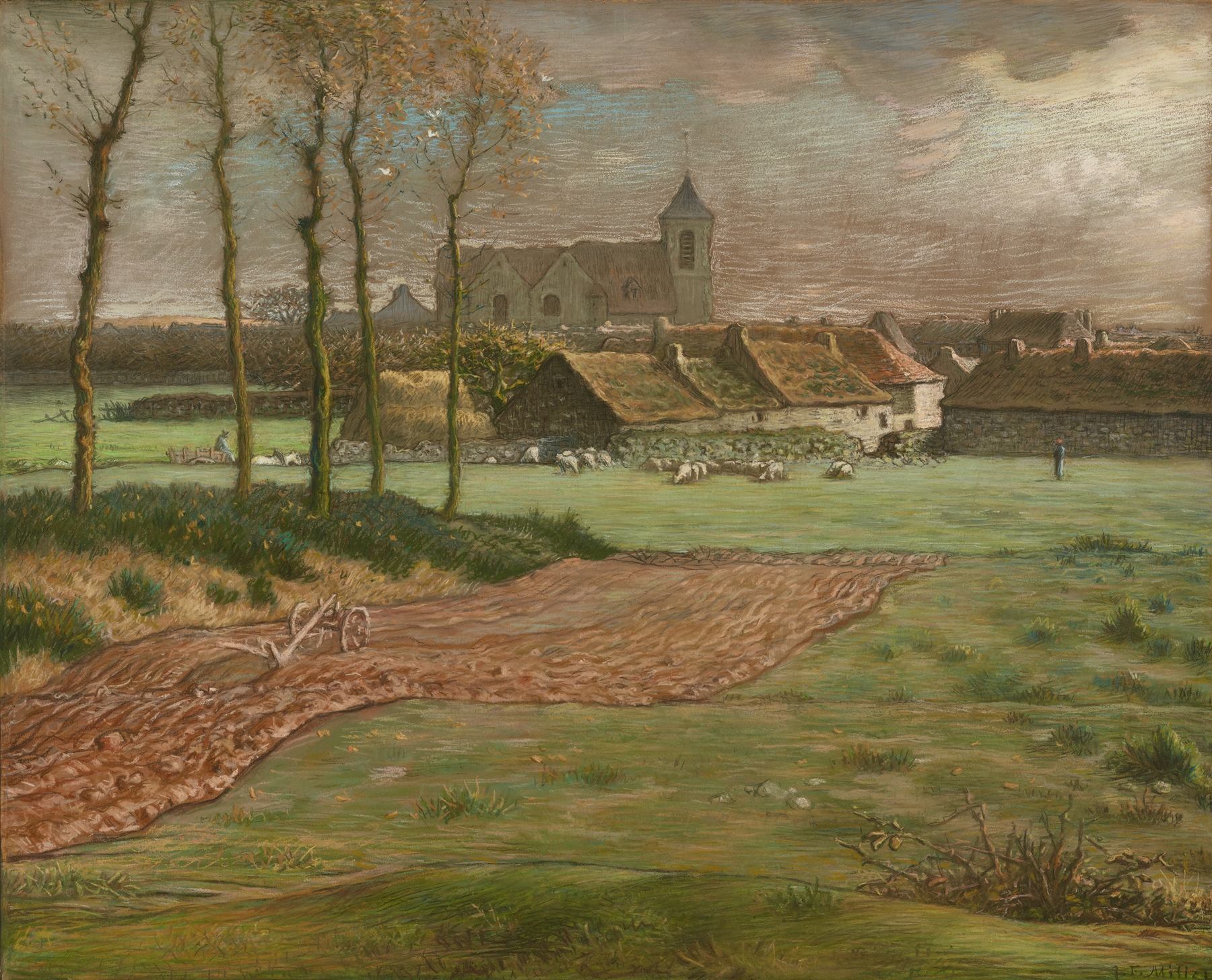
The Church at Chailly
Jean-François Millet
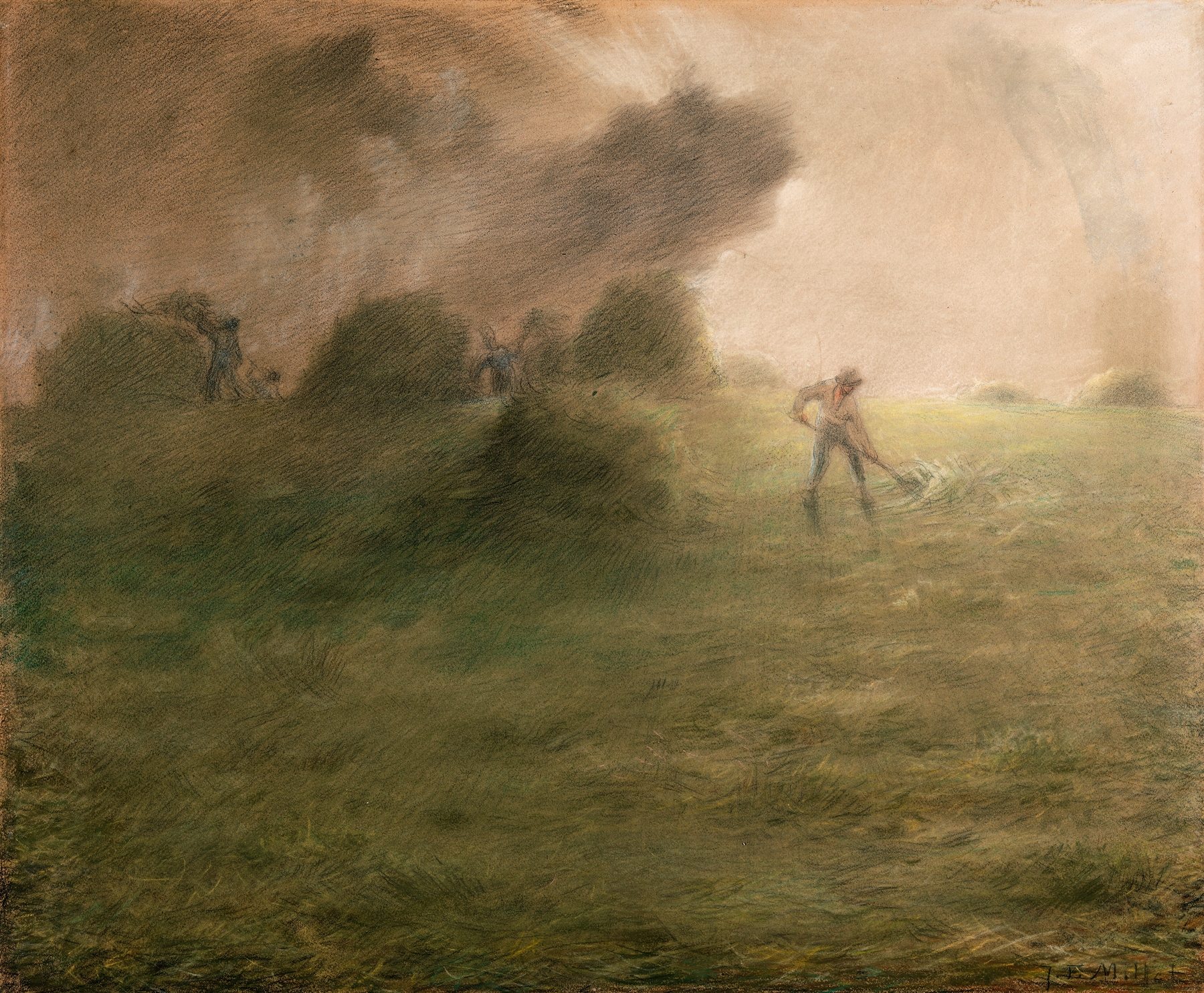
A Storm during Haymaking
Jean-François Millet
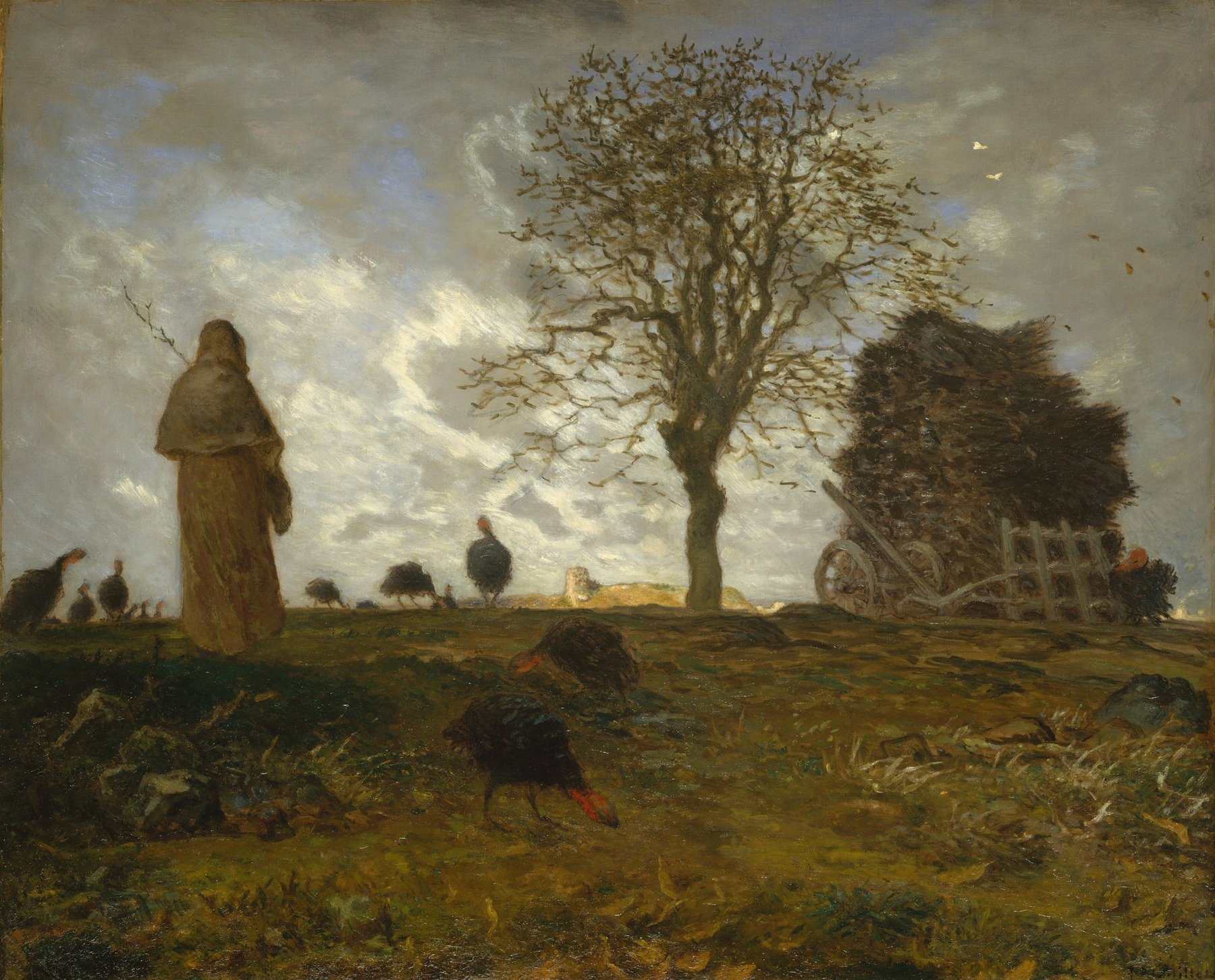
Autumn Landscape with a Flock of Turkeys
Jean-François Millet
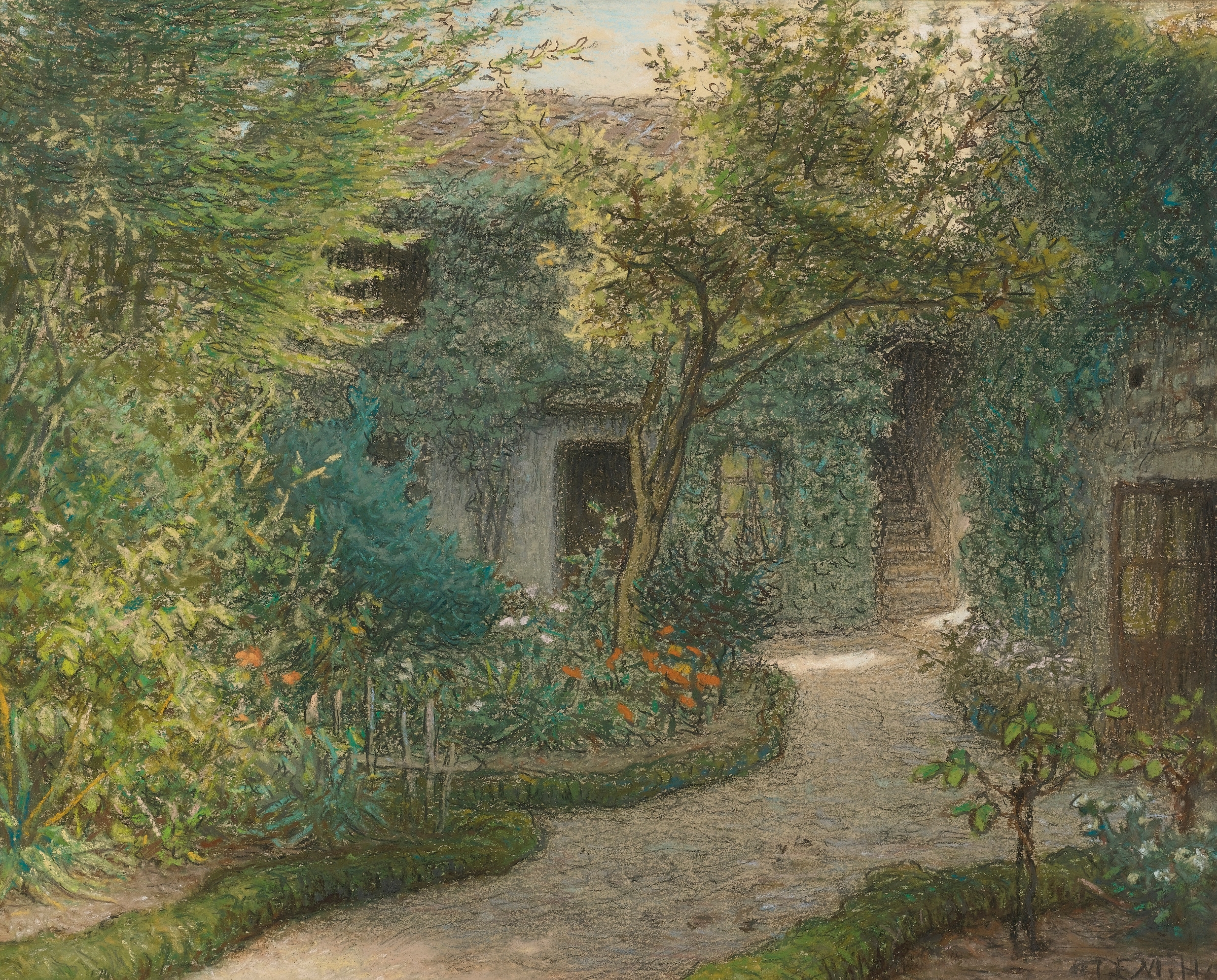
Théodore Rousseau’s House In Barbizon
Jean-François Millet
Peasant Children at Goose Pond
Jean-François Millet