Discover insights about this artwork
Starry Night — History & Facts
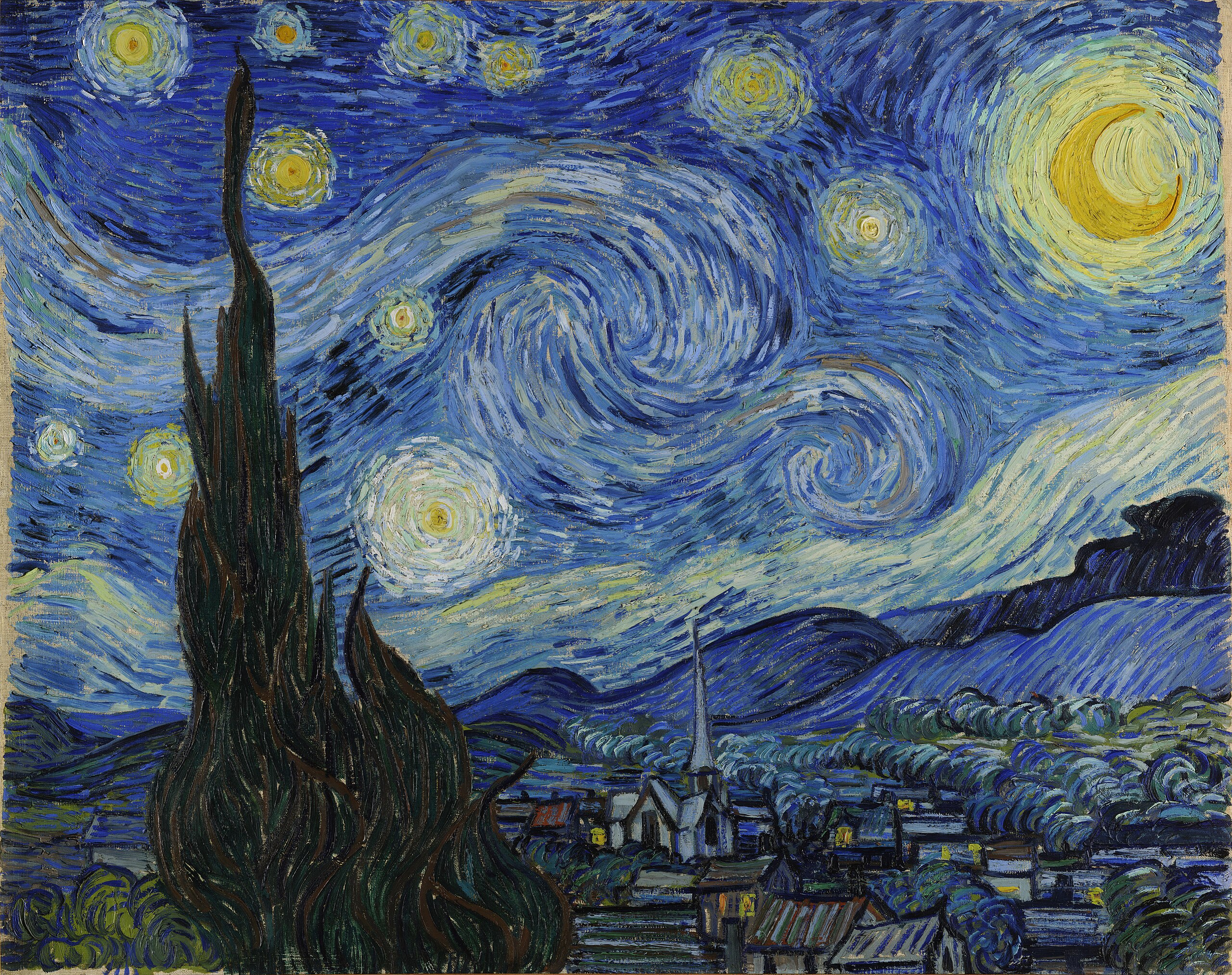
In Starry Night, the viewer is greeted by a vibrant swirl of blues and yellows. The sky is filled with swirling stars and a bright crescent moon. Below, a quiet village rests under the dynamic sky, with cypress trees reaching upwards.
The contrast between the calm village and the energetic sky creates a striking visual effect. The painting is executed in oil on canvas, showcasing Van Gogh's signature brushwork and bold color palette. The dimensions are approximately 73.7 x 92.1 cm, making it a sizable work that draws the viewer in. The swirling patterns in the sky are a hallmark of Van Gogh's style, emphasizing movement and emotion.
This piece is a prime example of Post-Impressionism, where color and form are used to express feelings. Vincent van Gogh painted Starry Night in 1889 while he was staying at an asylum in Saint-Rémy-de-Provence. This work reflects his emotional state and fascination with the night sky. Interestingly, it was not widely recognized during his lifetime but has since become one of the most famous paintings in the world.
Van Gogh's innovative use of color and brushwork has inspired countless artists and continues to captivate audiences today.
More Artworks by Jean-François Millet

Gleaners
Jean-François Millet
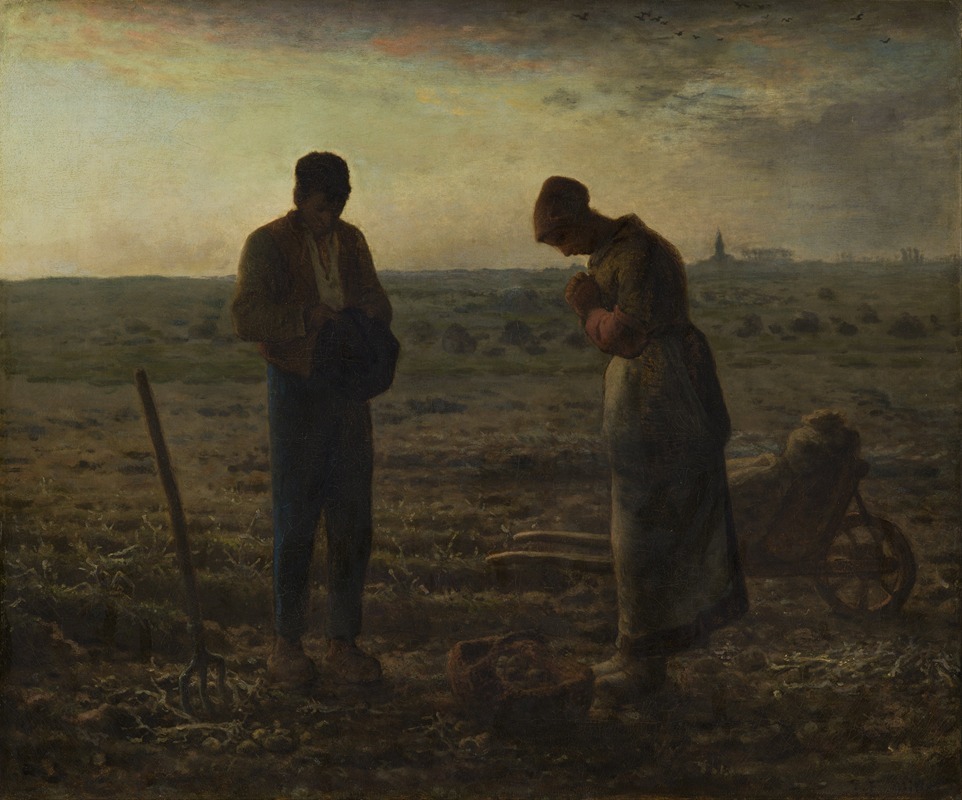
The Angelus
Jean-François Millet
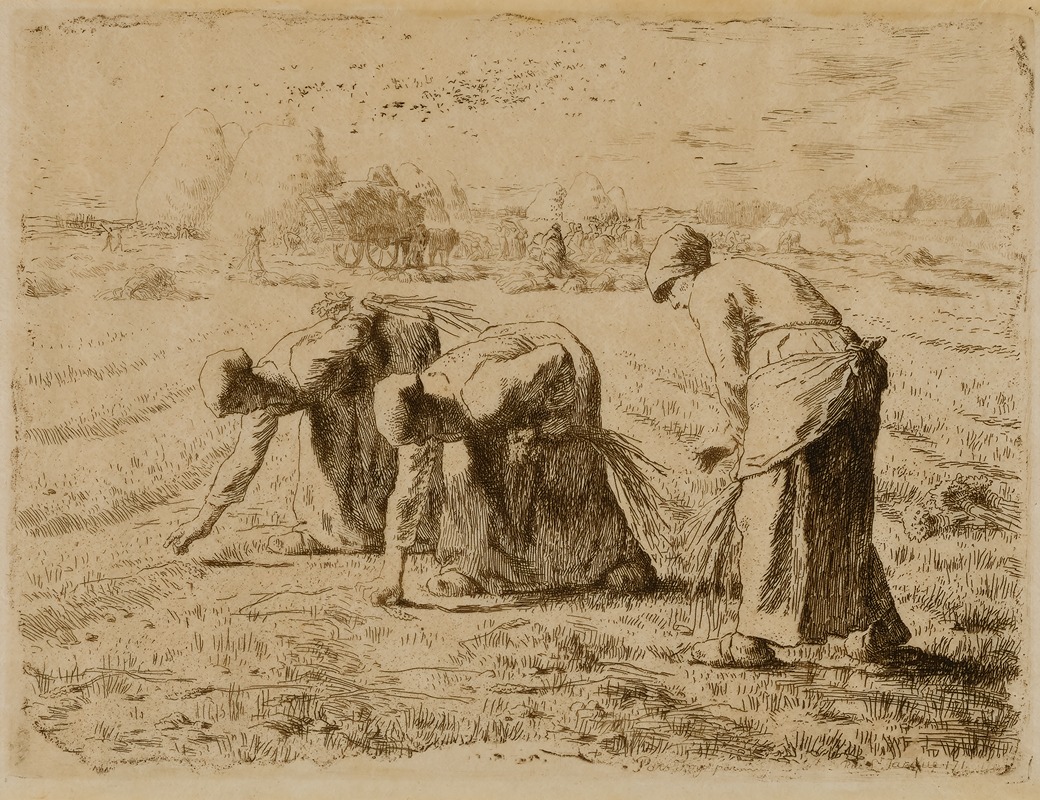
The Gleaners
Jean-François Millet
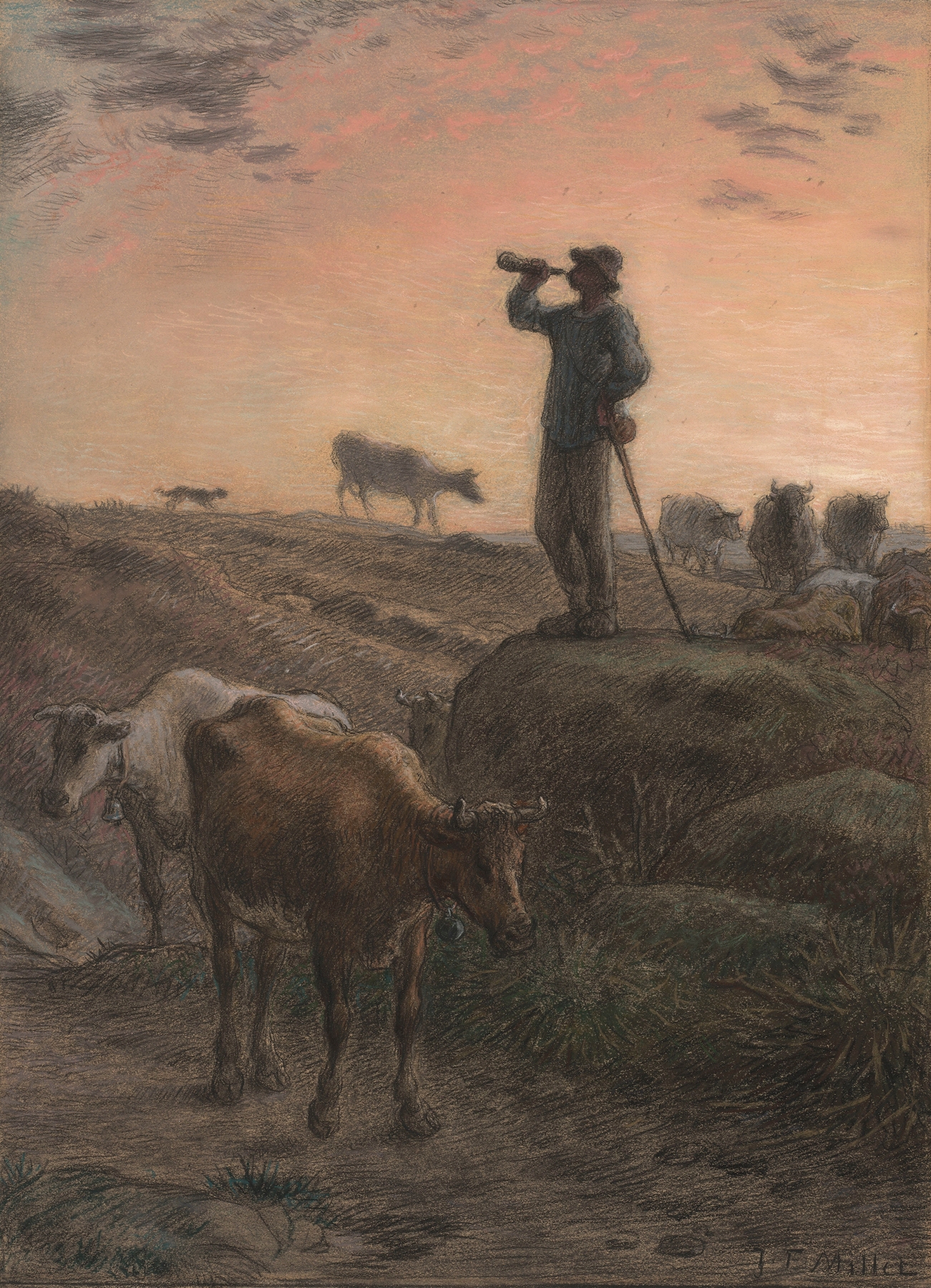
Calling Home the Cows
Jean-François Millet
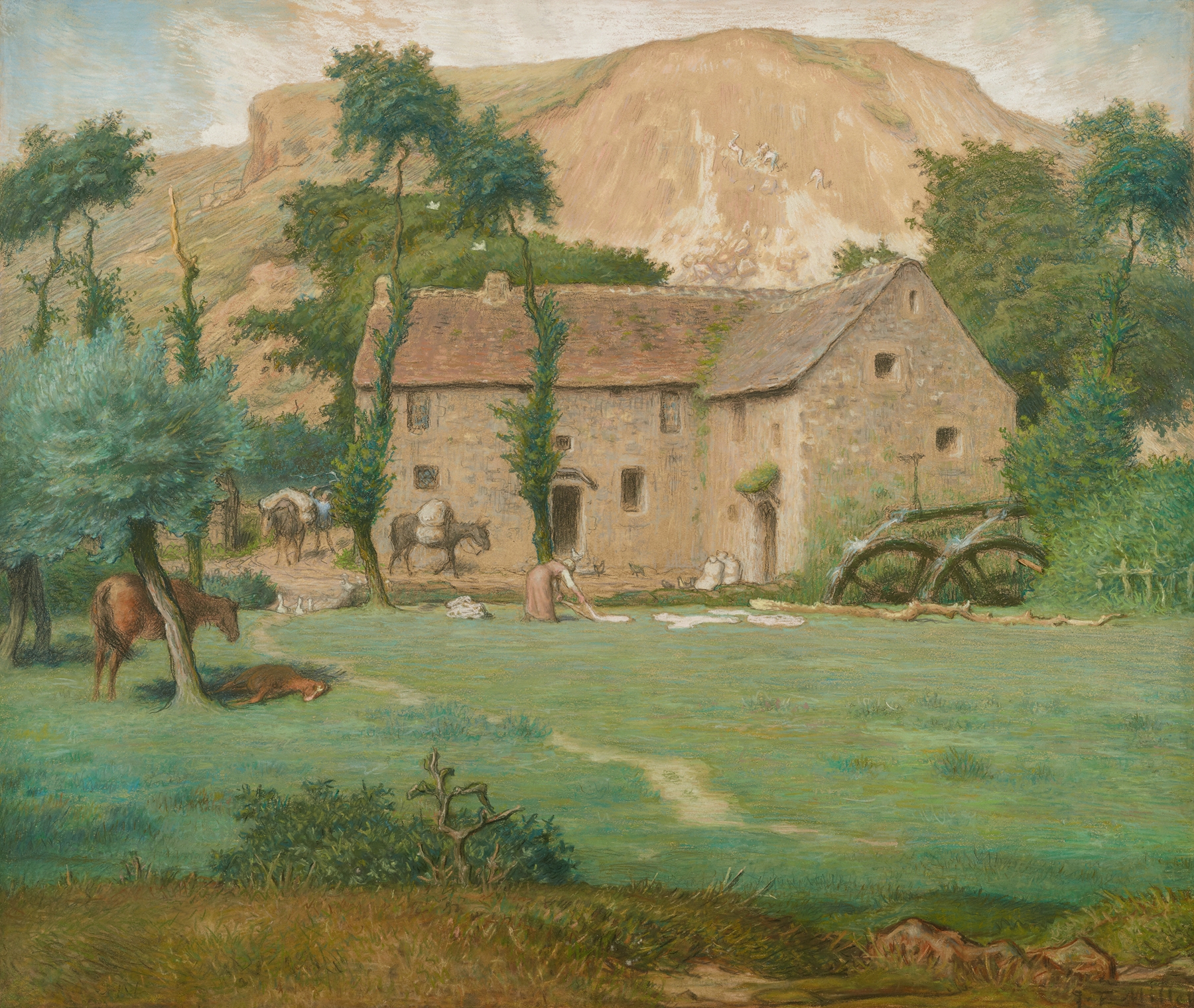
Watermill at the Foot of a Mountain, Allier
Jean-François Millet
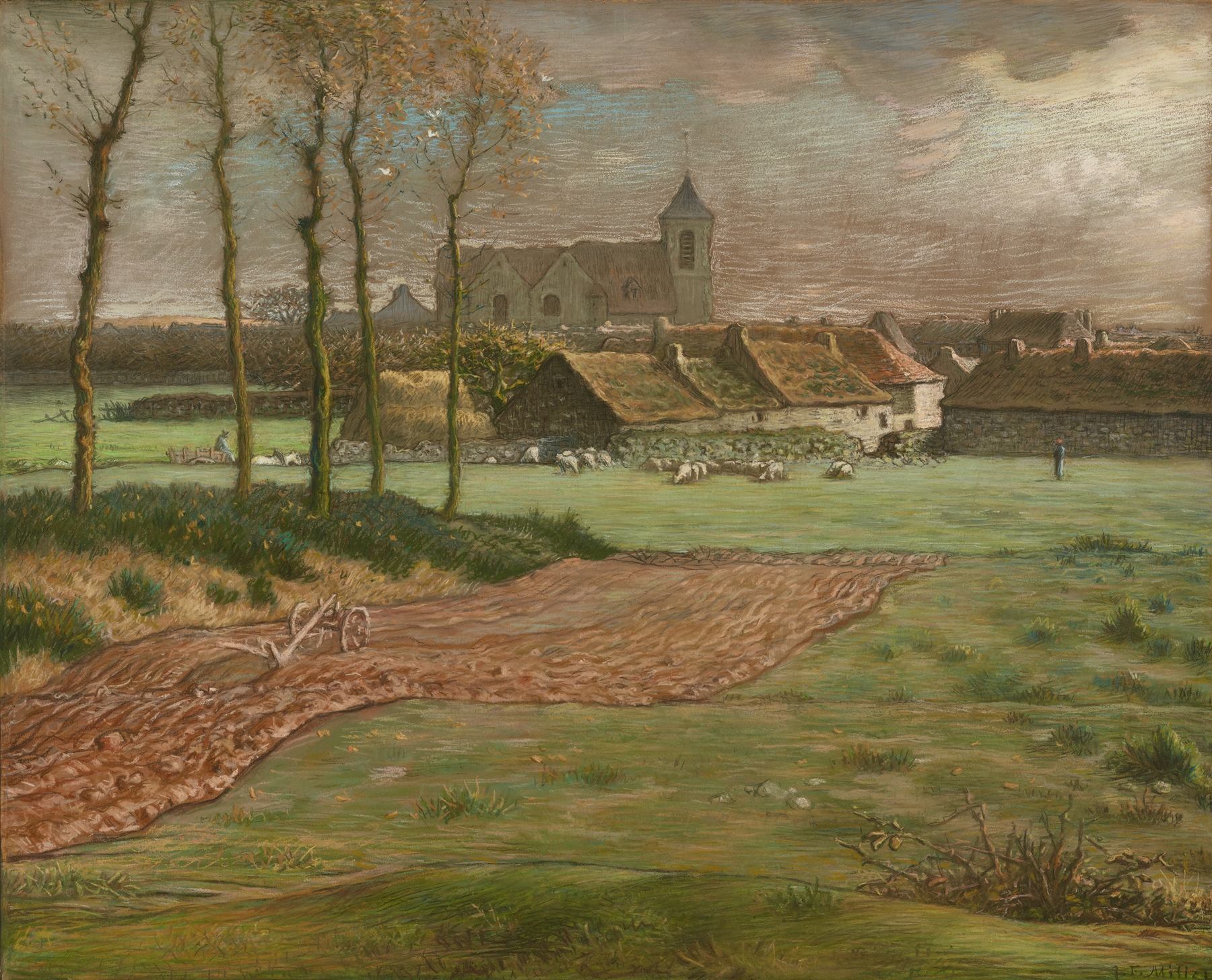
The Church at Chailly
Jean-François Millet
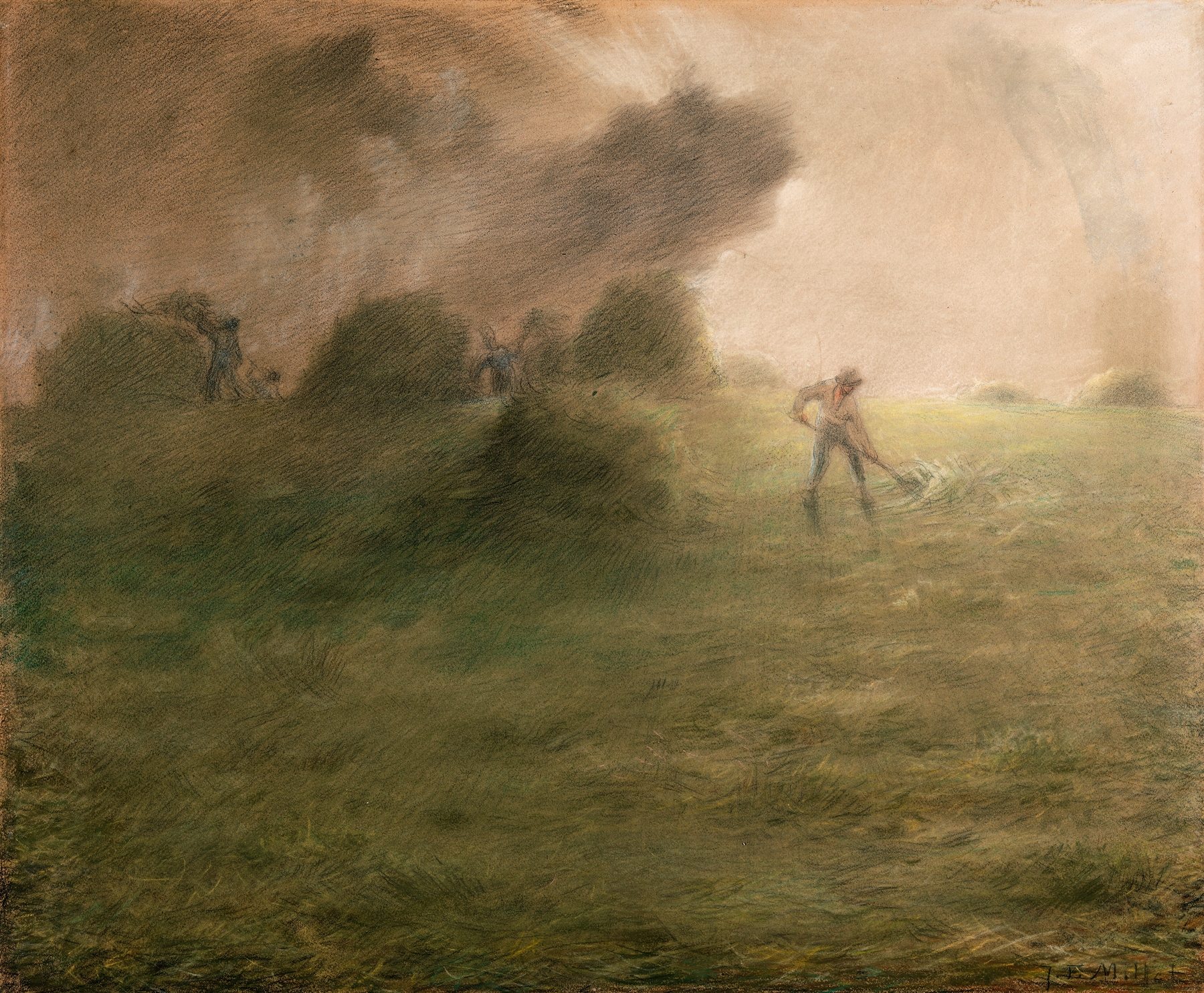
A Storm during Haymaking
Jean-François Millet
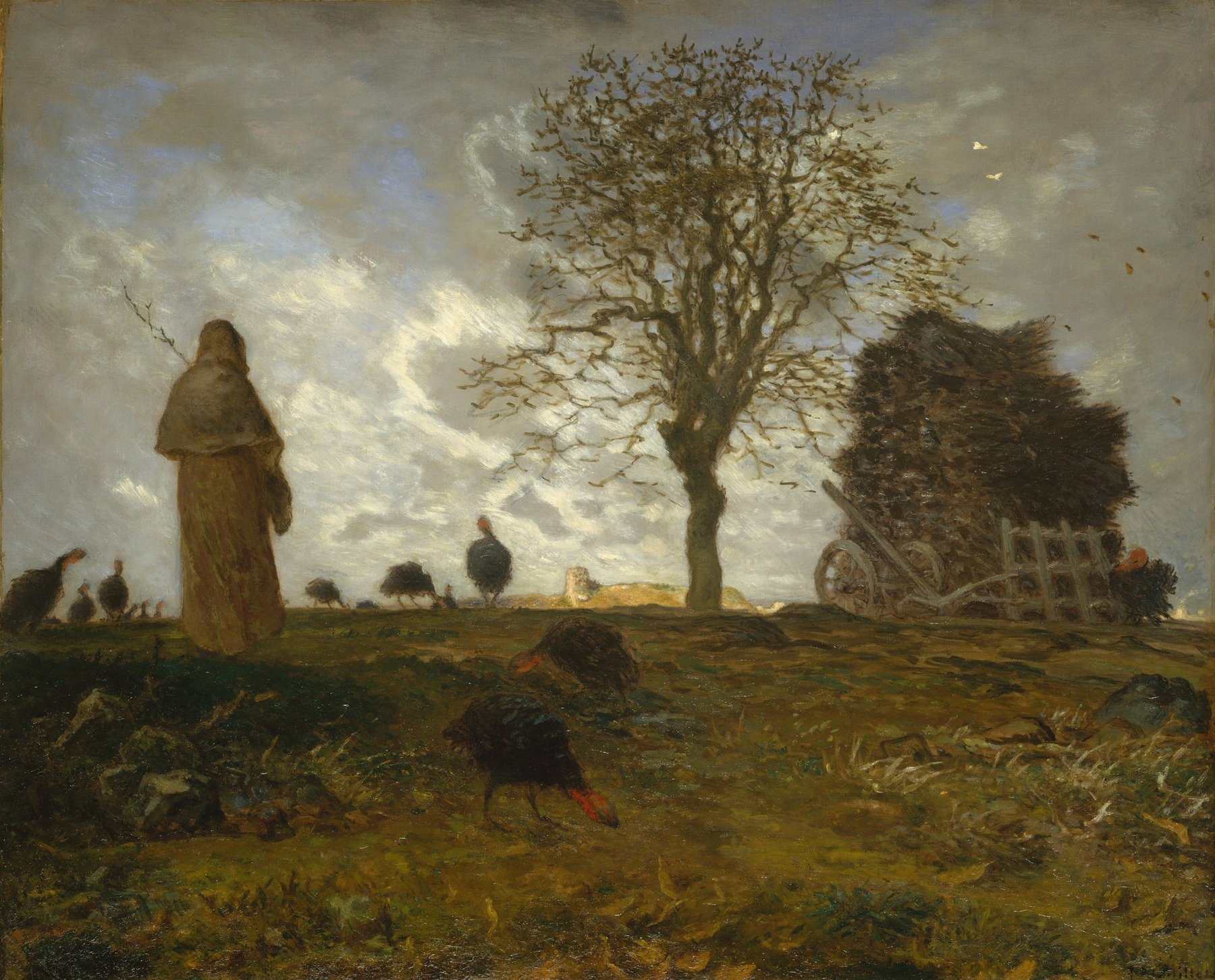
Autumn Landscape with a Flock of Turkeys
Jean-François Millet
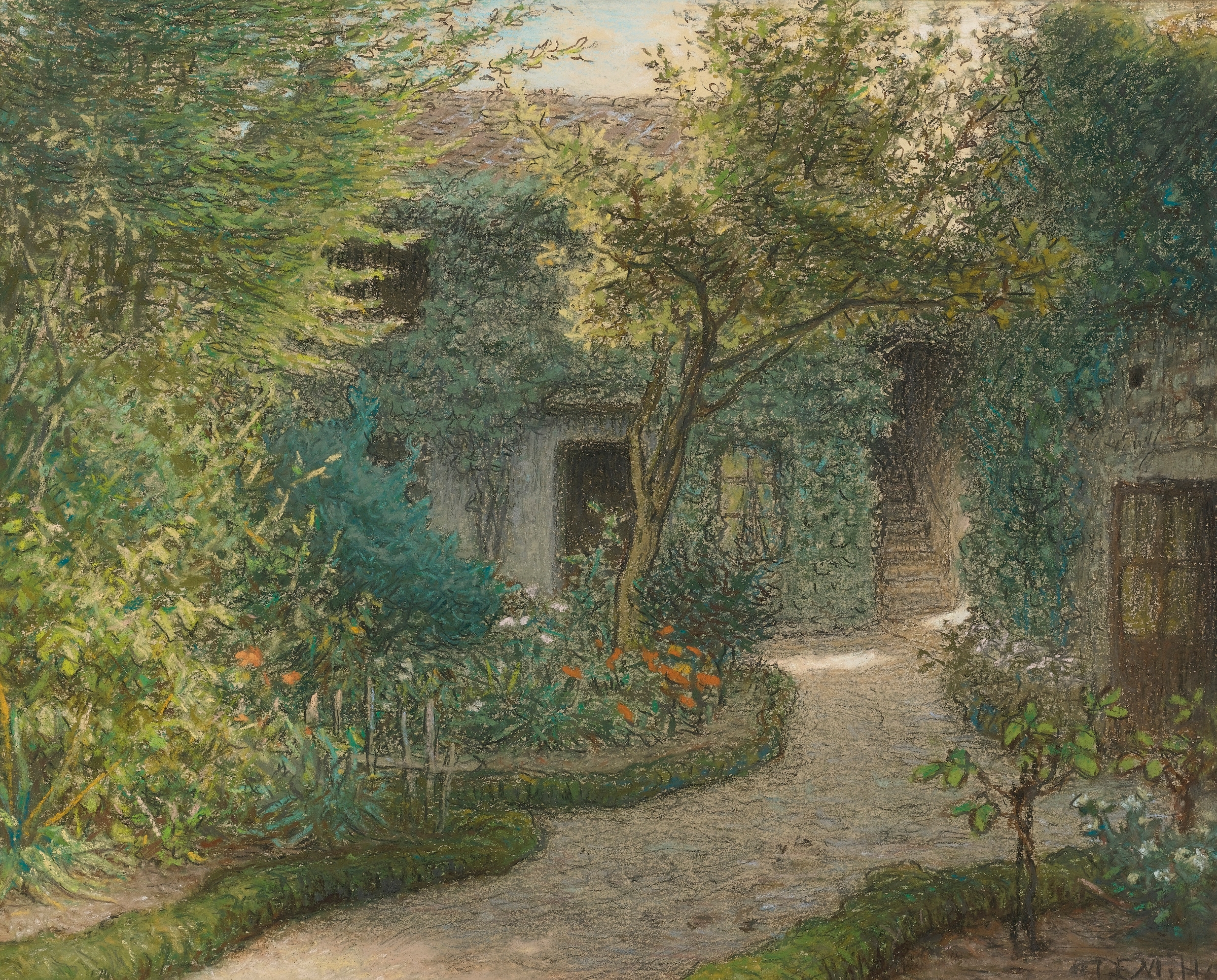
Théodore Rousseau’s House In Barbizon
Jean-François Millet
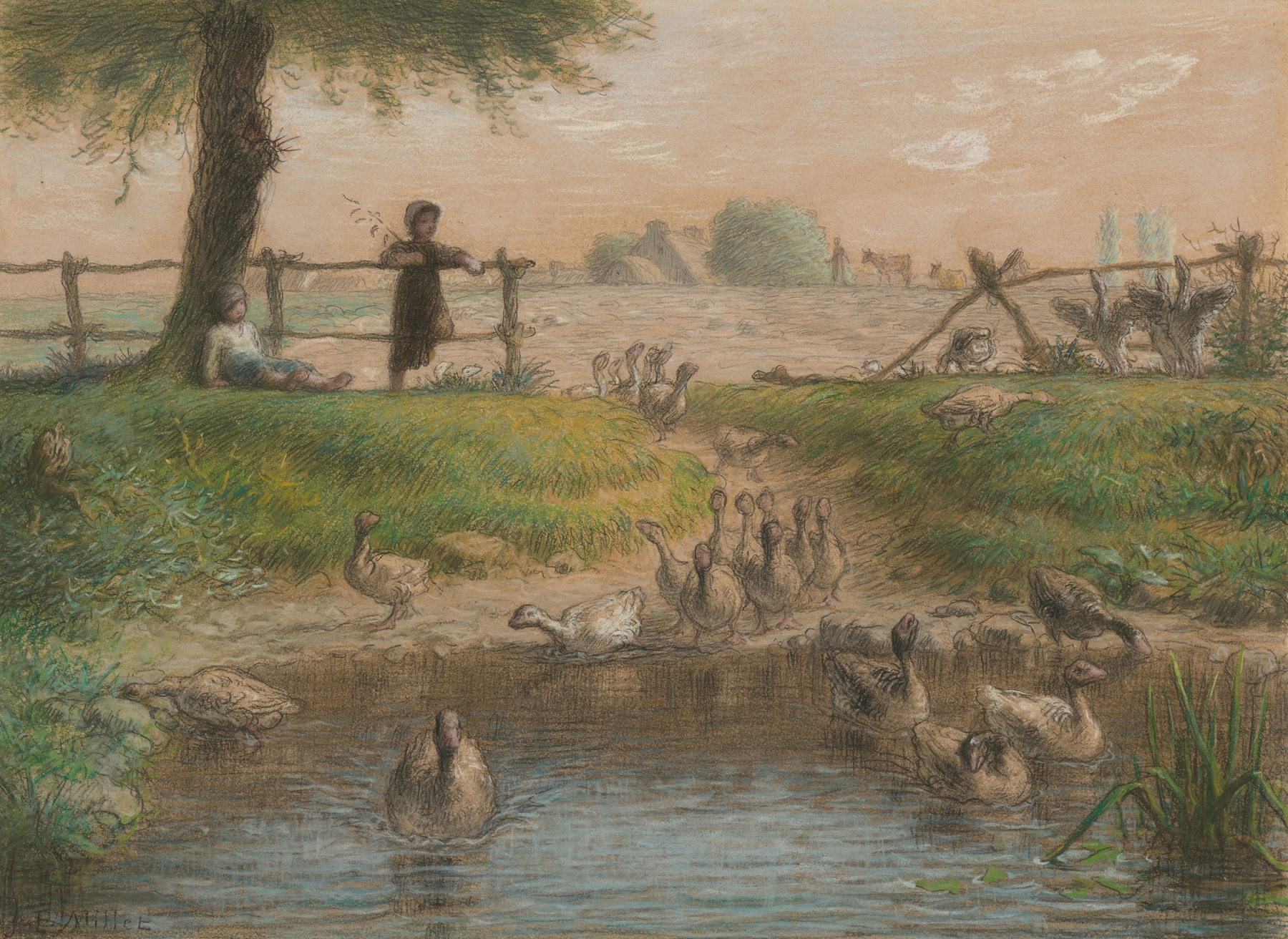
Peasant Children at Goose Pond
Jean-François Millet