
The Apotheosis of St. Thomas of Aquino — History & Facts
When Francisco de Zurbarán completed The Apotheosis of St. Thomas of Aquino in 1631, it was not for a church or cathedral, but for the College of St. Thomas in Seville—an institution directly linked to the Dominican Order and the intellectual legacy of its most famous scholar.
This ambitious commission was meant to inspire students and scholars alike, placing the college’s patron saint at the very center of divine and earthly wisdom. The painting’s monumental scale and complex composition reflect the pride and aspirations of Seville’s Dominicans, who sought to rival the great altarpieces of Italy and Flanders. At the heart of the scene, St. Thomas Aquinas is lifted heavenward, surrounded by a radiant mandorla and accompanied by the four Latin Doctors of the Church: Augustine, Jerome, Gregory, and Ambrose.
Angels bear his body aloft, while Christ, the Virgin Mary, and St. Paul await him above, signifying Aquinas’s acceptance among the greatest in Christian theology. Below, a group of contemporary figures—including the painting’s patrons—witness the vision, their gazes and gestures drawing the viewer into the drama.
Zurbarán’s use of sharp, clear light and monumental figures recalls the gravity of Caravaggio, but the Spanish painter’s palette and stillness are unmistakably his own. The open book and sunburst on Aquinas’s chest are not mere decoration: they symbolize his role as the “light of the Church” and his enduring influence on Catholic doctrine. The painting’s journey began in the refectory of the College of St. Thomas, where it hung for generations as a daily reminder of faith and learning.
After the suppression of religious orders in the nineteenth century, it passed through various hands before entering the collection of the Museo de Bellas Artes de Sevilla, where it remains today. For Zurbarán, this work marked a turning point: it was his first major public commission, establishing his reputation as the leading religious painter of Seville. The painting stands as a testament not only to the intellectual ambitions of its patrons, but also to the artist’s ability to translate theology into powerful visual form.
More Artworks by Francisco de Zurbarán
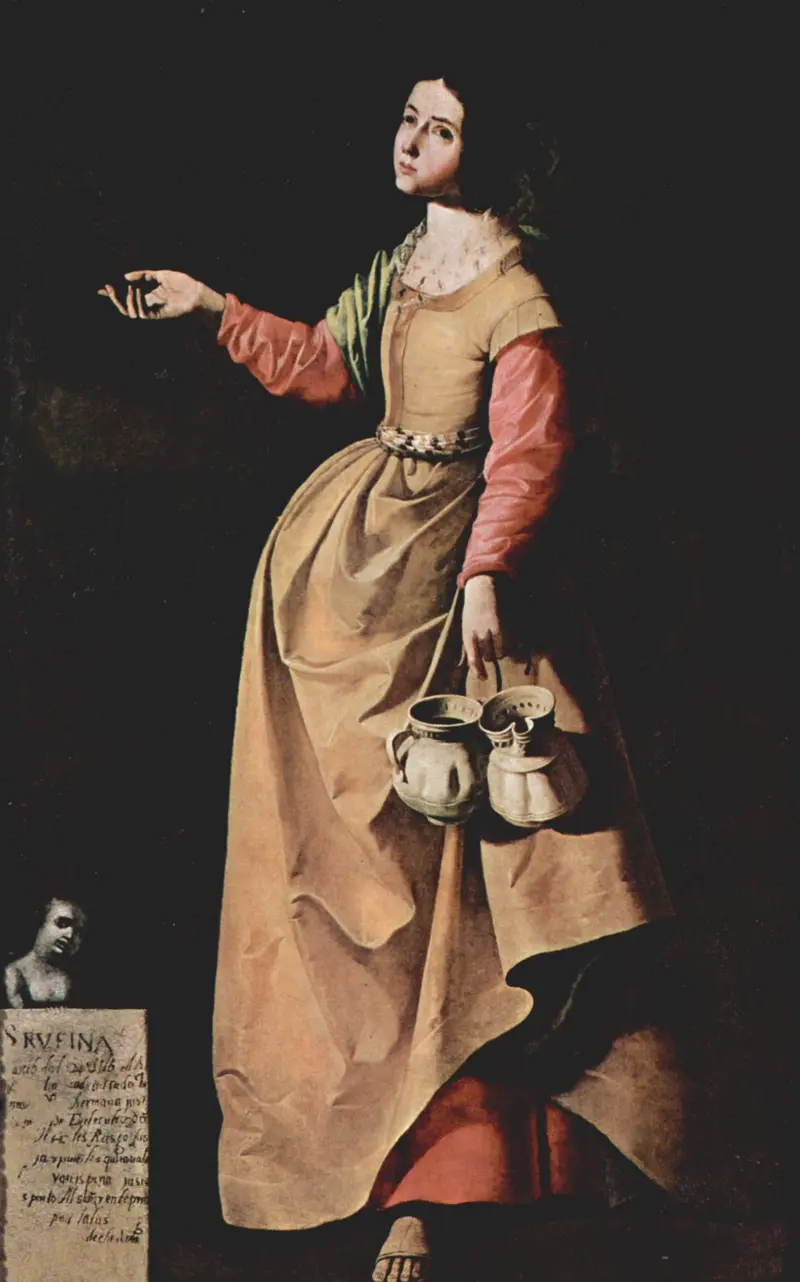
Saint Rufina
Francisco de Zurbarán
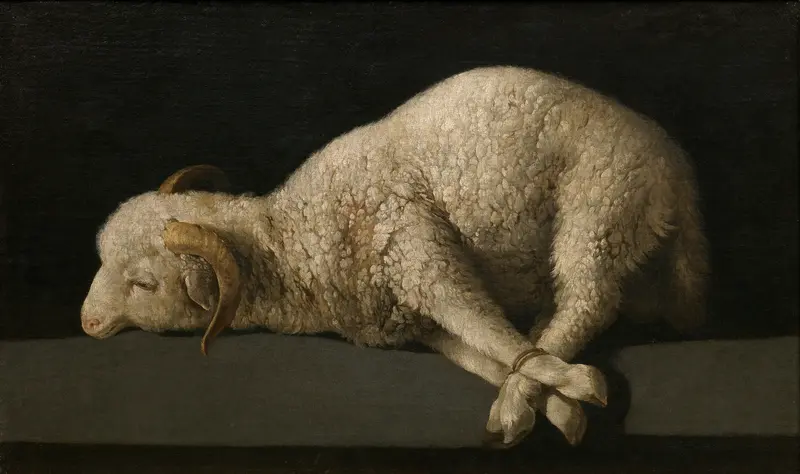
Agnus Dei
Francisco de Zurbarán
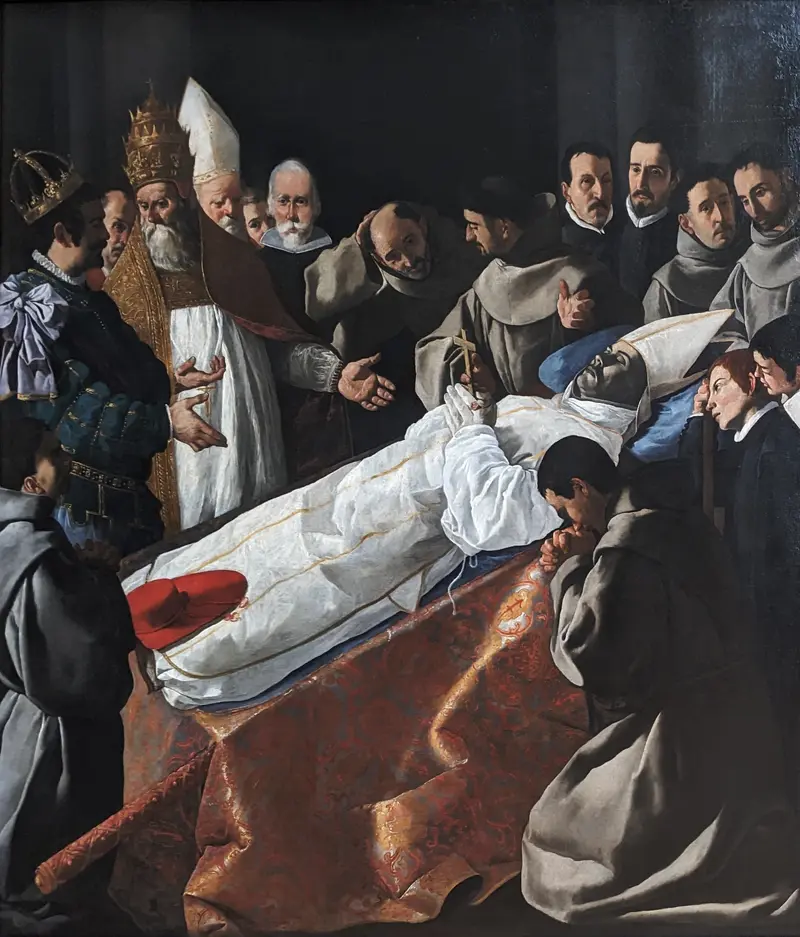
Saint Bonaventure's Body Lying in State
Francisco de Zurbarán
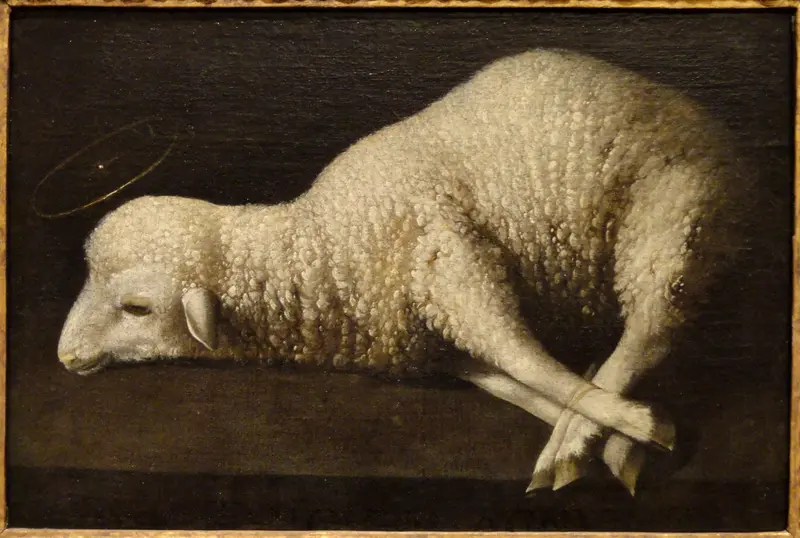
The Lamb of God
Francisco de Zurbarán

Adoration of the Magi
Francisco de Zurbarán
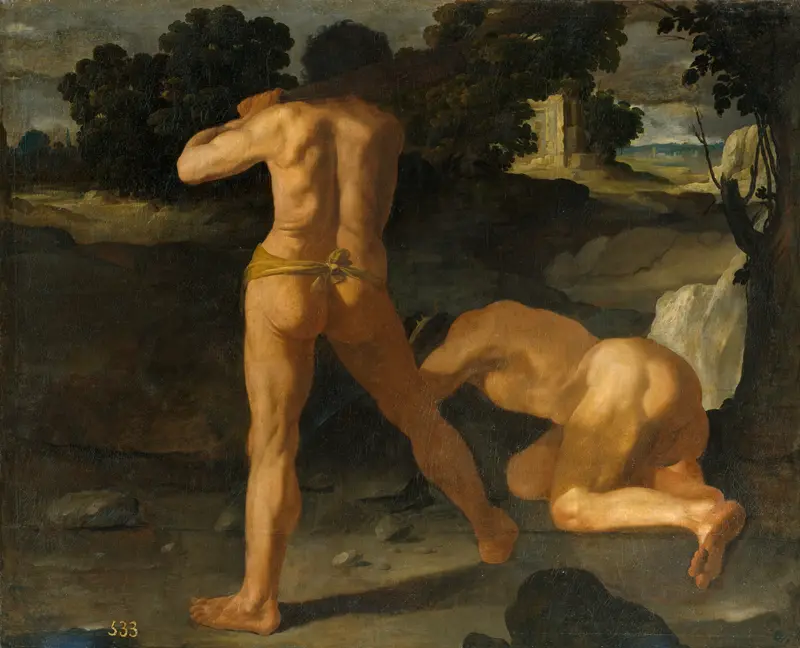
Hercules defeats King Geryon
Francisco de Zurbarán
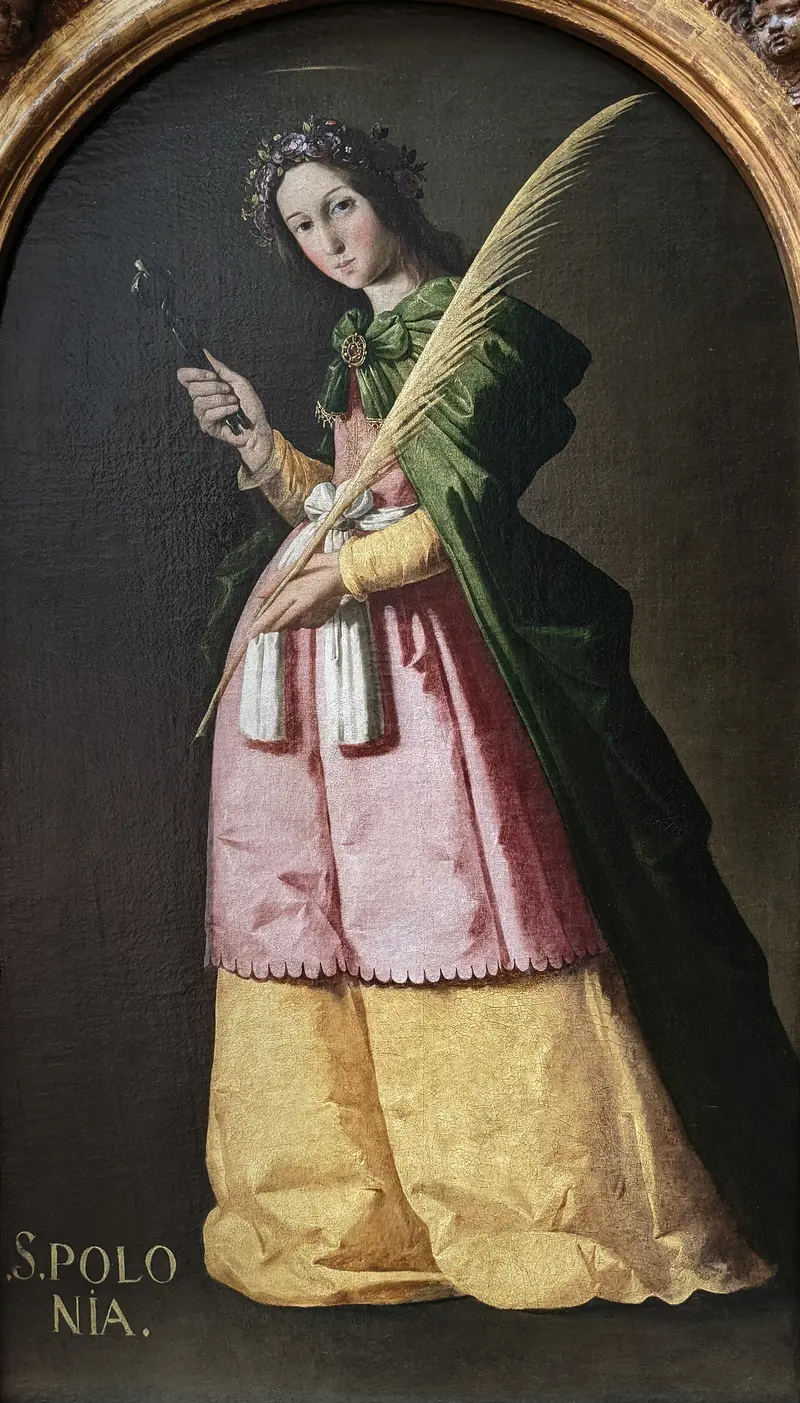
Saint Apollonia
Francisco de Zurbarán
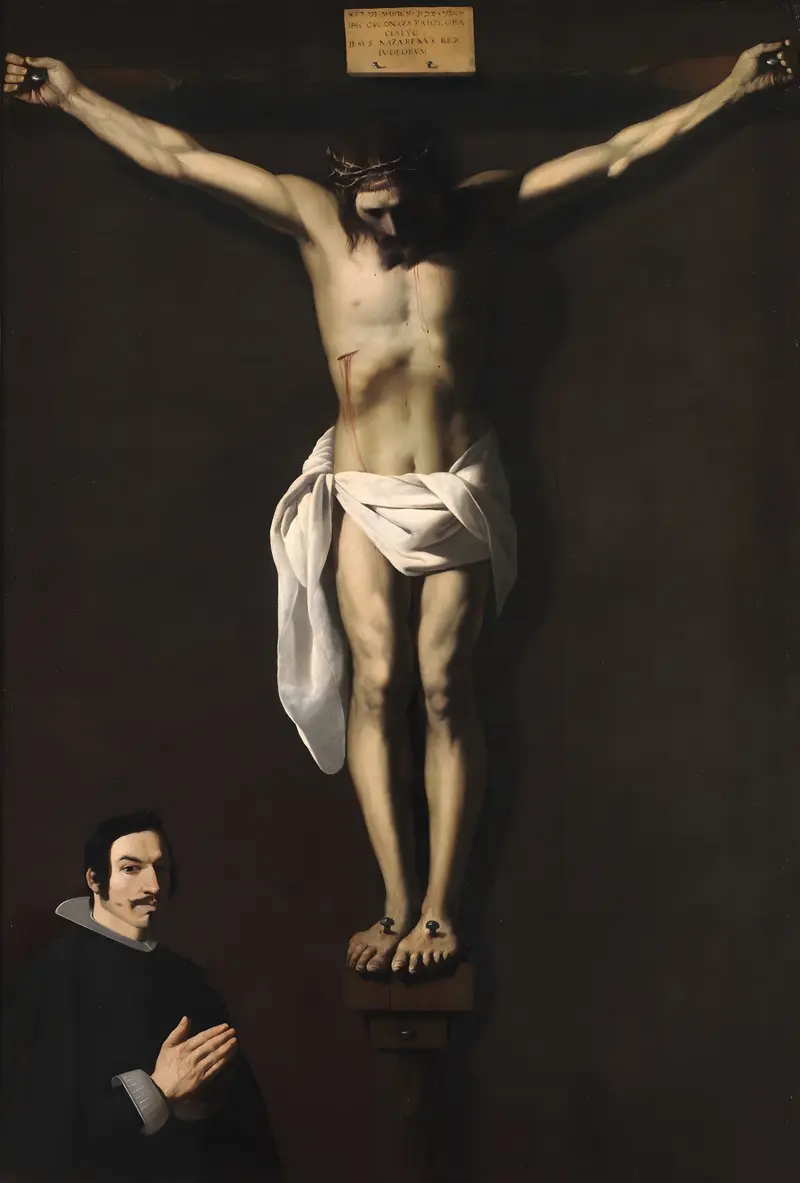
The Crucified Christ with a Donor
Francisco de Zurbarán
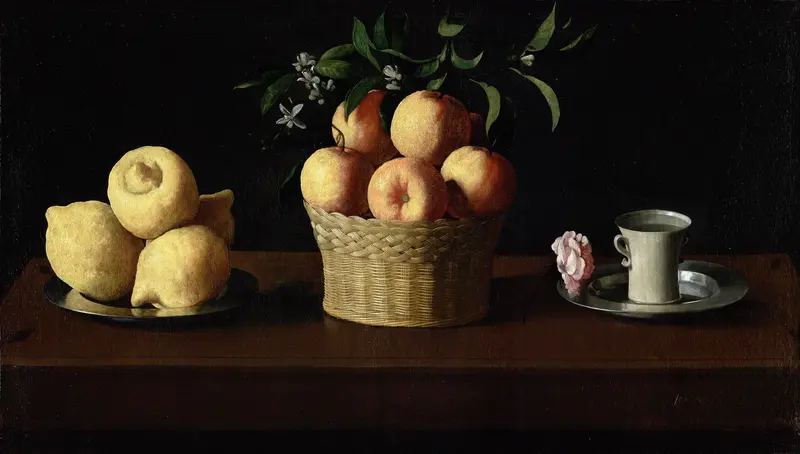
Still Life with Lemons, Oranges and a Rose
Francisco de Zurbarán
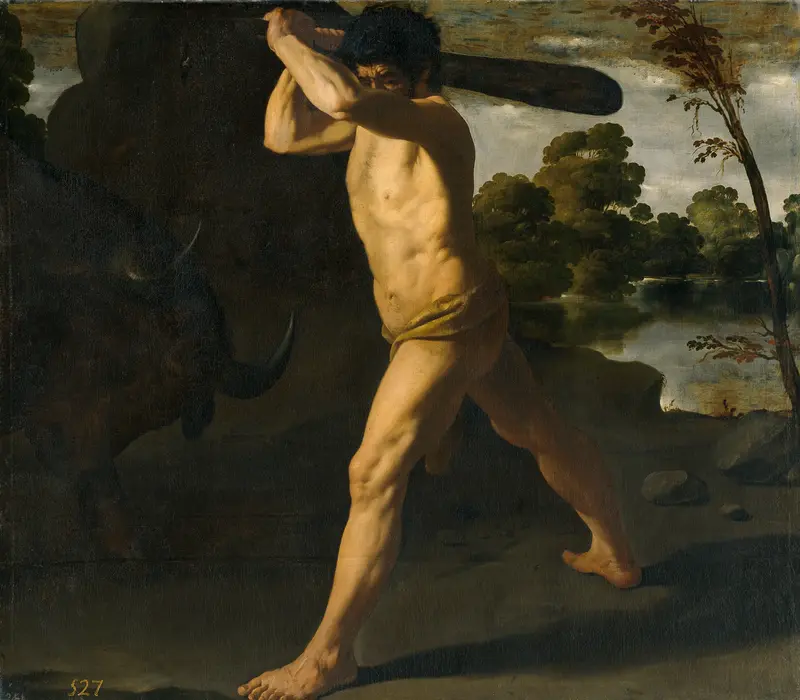
Hercules and the Cretan Bull
Francisco de Zurbarán





