
The Apple Market — History & Facts
The weight of unspoken stories hangs palpably in the air of this bustling market scene, where each face reveals a world of untold secrets and reflections. Look to the left at the array of apples, their vibrant reds and greens soaking up the dappled light that filters through the canvas. Notice how the artist masterfully employs soft brushstrokes to convey the texture of the fruits, creating a sense of abundance and life. The careful arrangement invites the viewer’s eye to wander through the composition, from the gleaming apples to the weathered hands of the vendors, encapsulating a moment of quiet communion amid the clamor of market day. In this seemingly simple depiction, contrasts abound: the rich hues of the apples against the muted tones of the surroundings suggest vitality amid the mundane.
The juxtaposition of the market's bustling energy with the stillness of individual figures prompts a reflection on the daily rituals of life. Each character, lost in thought, communicates a shared humanity, as if their lives intertwine within this sacred space of exchange. During the late 19th century, Stanislas Lépine painted The Apple Market in Paris, a city alive with artistic evolution and social change. It was a period marked by the rise of Impressionism, a movement Lépine was closely associated with, as he focused on capturing everyday scenes infused with light and atmosphere.
This painting stands as a testament to his ability to merge the ordinary with the extraordinary, reflecting the vibrant life of the market while inviting contemplation on the deeper narratives inherent in each fleeting moment.
More Artworks by Stanislas Lépine
Browse all →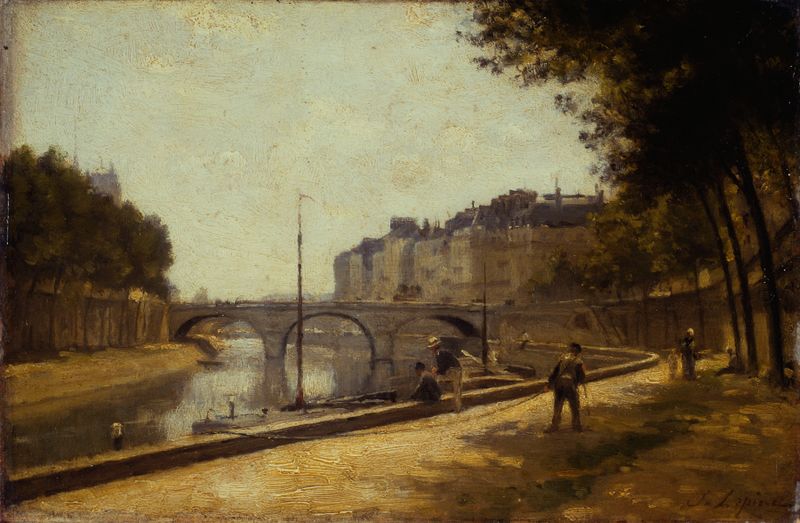
Le pont Saint-Michel
Stanislas Lépine
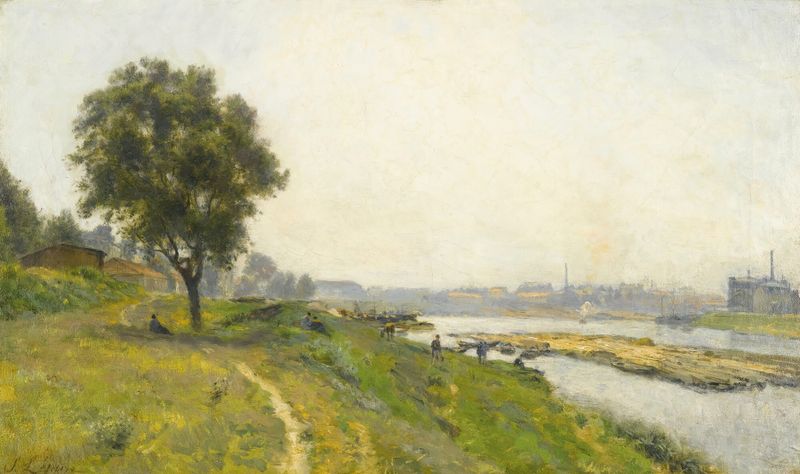
Ivry-Sur-Seine. Le Confluent Avec La Marne
Stanislas Lépine

View on the Seine, Paris
Stanislas Lépine
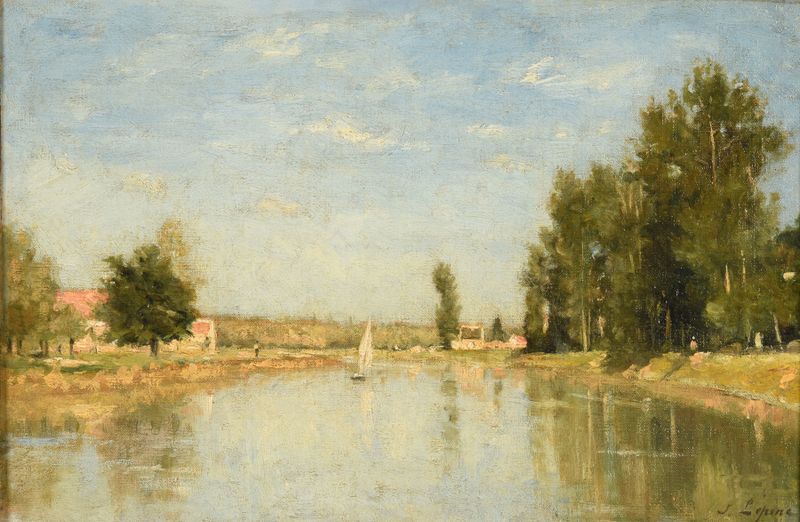
Les Bords de la Marne
Stanislas Lépine

L’île de la Cité et l’île Saint-Louis, vues du pont d’Austerlitz
Stanislas Lépine
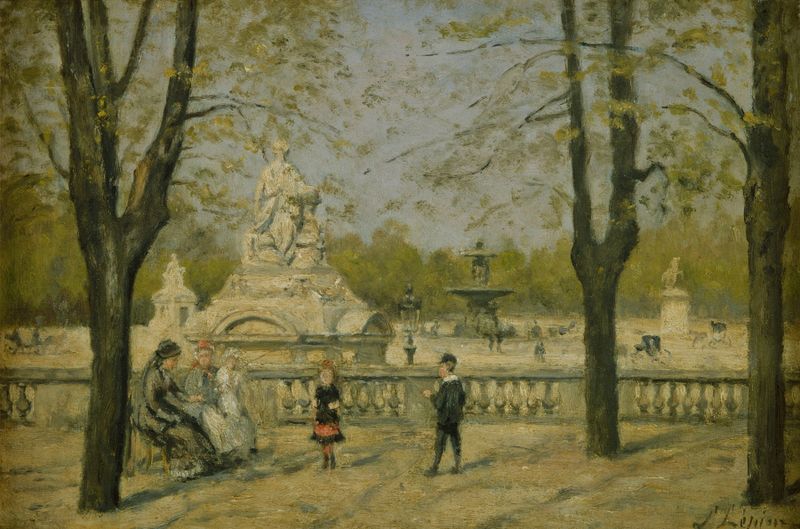
La place de la Concorde, vue de la terrasse des Tuileries
Stanislas Lépine
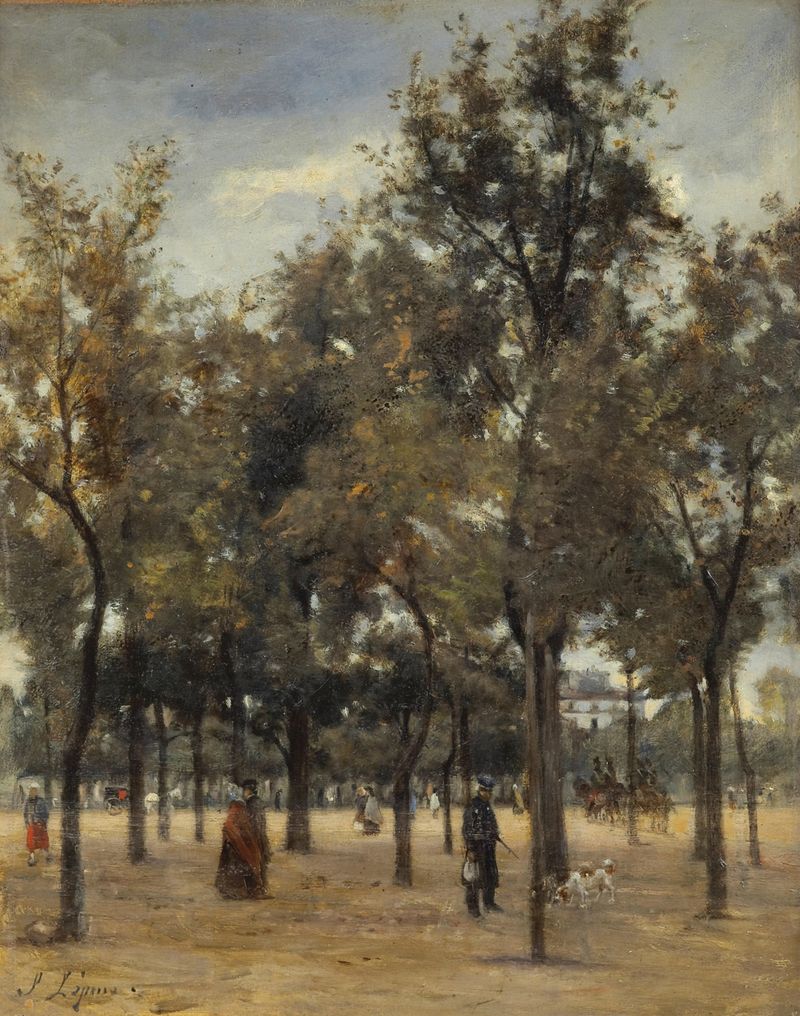
L’esplanade des Invalides
Stanislas Lépine
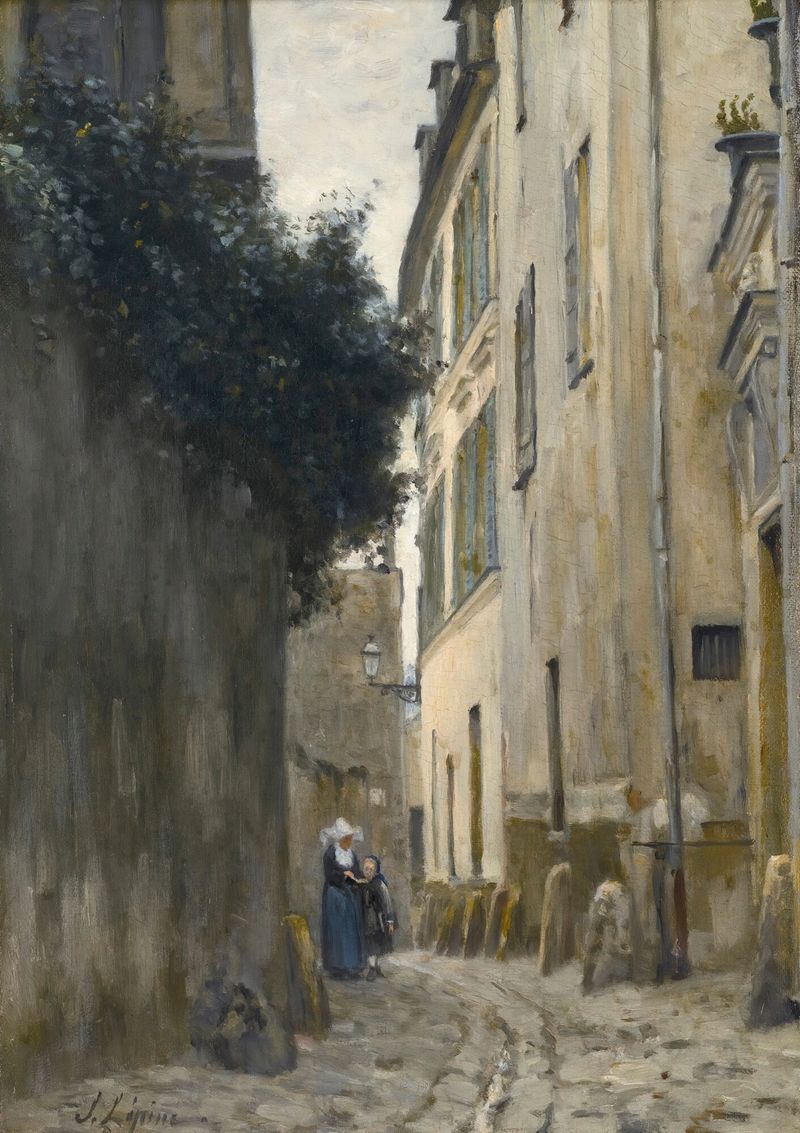
Montmartre. La Rue Saint-Vincent
Stanislas Lépine

Le Bassin de la Villette en hiver
Stanislas Lépine
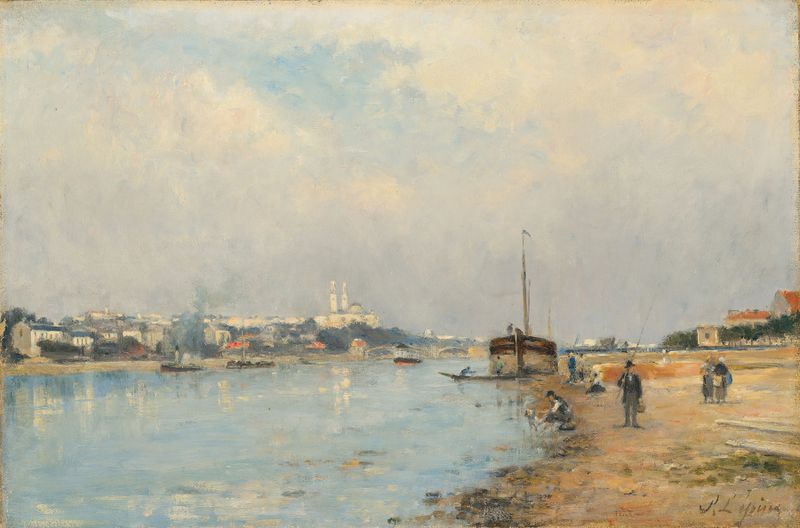
La Seine. Le Trocadéro et le pont de Grenelle, vus du quai de Javel
Stanislas Lépine





