
The Bay of Naples — History & Facts
In the quiet expanse of the Bay of Naples, the profound stillness of the moment invites a yearning for something just beyond reach. The hues of azure and gold mingle softly, whispering tales of past joys while hinting at an underlying melancholy. It’s a place paused in time, where beauty and longing intertwine ever so subtly. Look to the foreground, where the gentle waves lap against the shore, their rhythmic motion bringing life to the tranquil vista.
Notice how the sun filters through clouds, casting a delicate glow over the water’s surface, which shimmers like liquid silk. The artist’s deft brushstrokes create a sense of movement and depth, inviting your gaze to dance across the canvas. Each stroke captures the essence of leisure and splendor, embodying the vibrant life of the coastal town while safeguarding the quiet sense of loss that lingers just beneath. Delve deeper into the shadows cast by the mountains in the background, where shades of purple suggest an unspoken weight.
The juxtaposition of vibrant colors with the looming silhouettes creates a sense of tension, echoing the bittersweet nature of nostalgia. It’s as if the artwork is a reminder of fleeting moments, where the beauty of life is tinged with the inevitability of change. The scene is not merely a postcard of paradise; it is an elegy for the joy that can so quickly slip away. During the summer of 1881, the artist found himself in Italy, drawn by the light and scenery that inspired countless works of art.
At this time, Renoir was firmly establishing his reputation among the Impressionists, exploring the interplay of light and color while grappling with his own artistic identity. The world of art was shifting, and he was deeply entrenched in this evolution, capturing the essence of beauty even as he confronted the transient nature of life itself.
More Artworks by Pierre-Auguste Renoir
Browse all →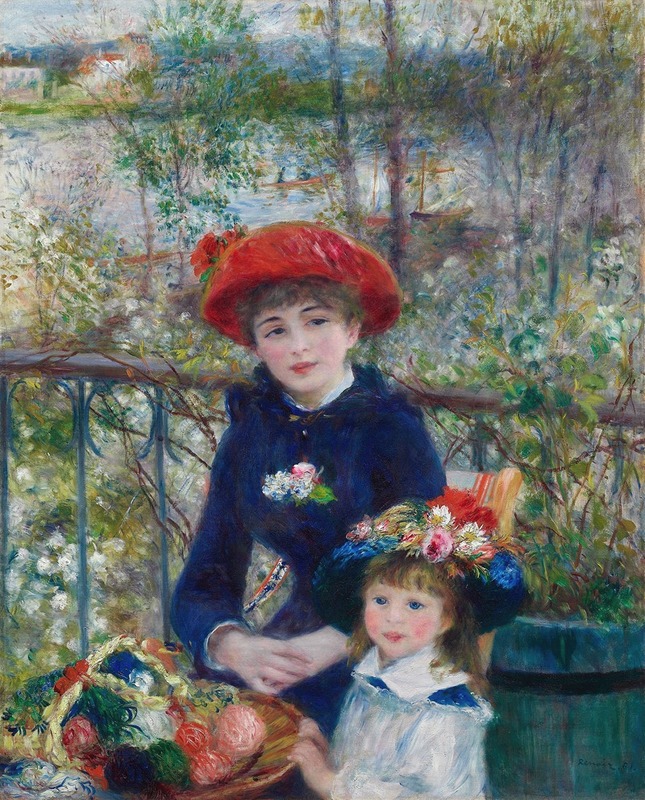
Two Sisters (On the Terrace)
Pierre-Auguste Renoir
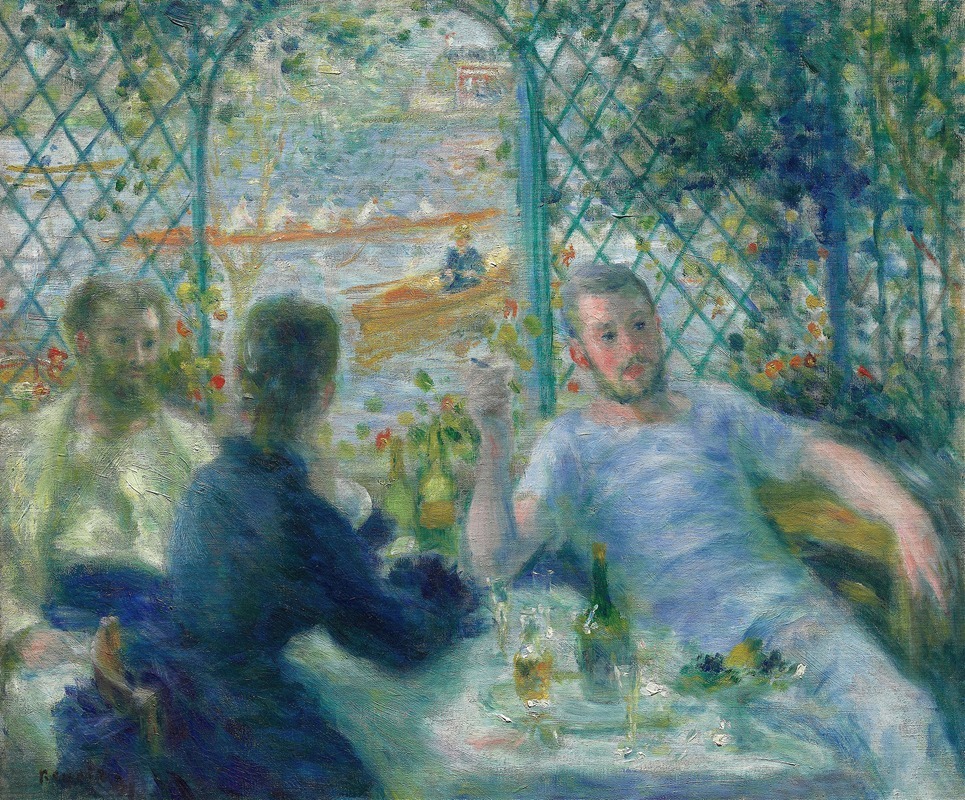
Lunch at the Restaurant Fournaise (The Rowers' Lunch)
Pierre-Auguste Renoir
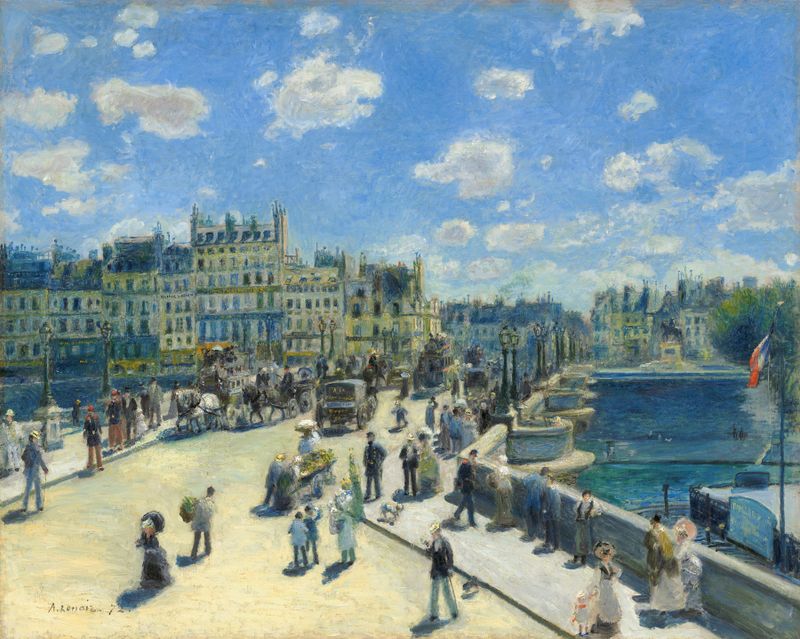
Pont Neuf, Paris
Pierre-Auguste Renoir
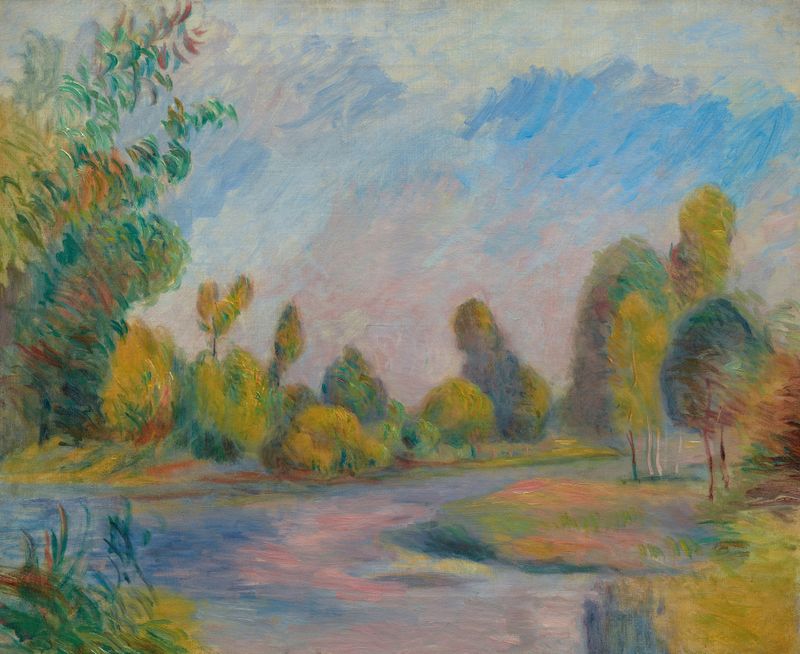
Au bord de la rivière
Pierre-Auguste Renoir

Near the Lake
Pierre-Auguste Renoir
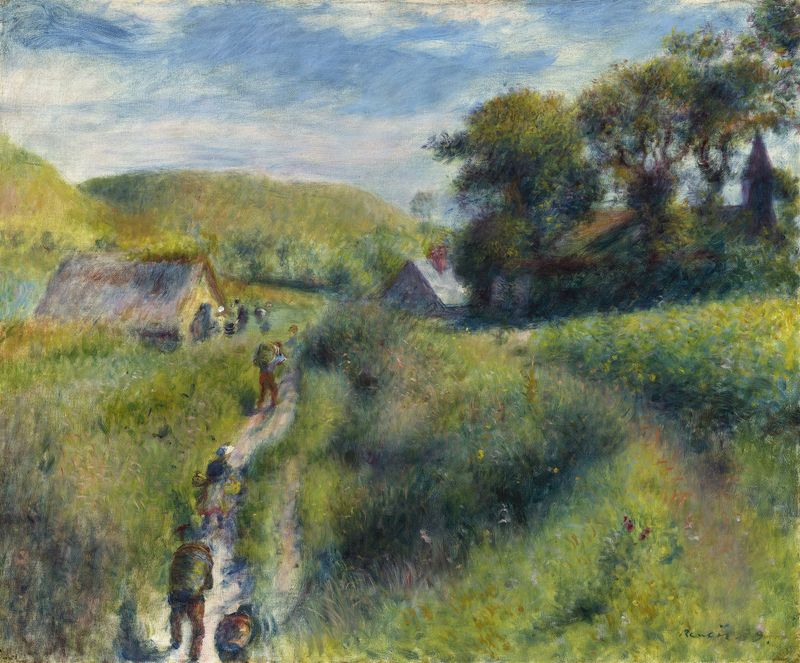
The Mussel Harvest
Pierre-Auguste Renoir

The Seine at Chatou
Pierre-Auguste Renoir
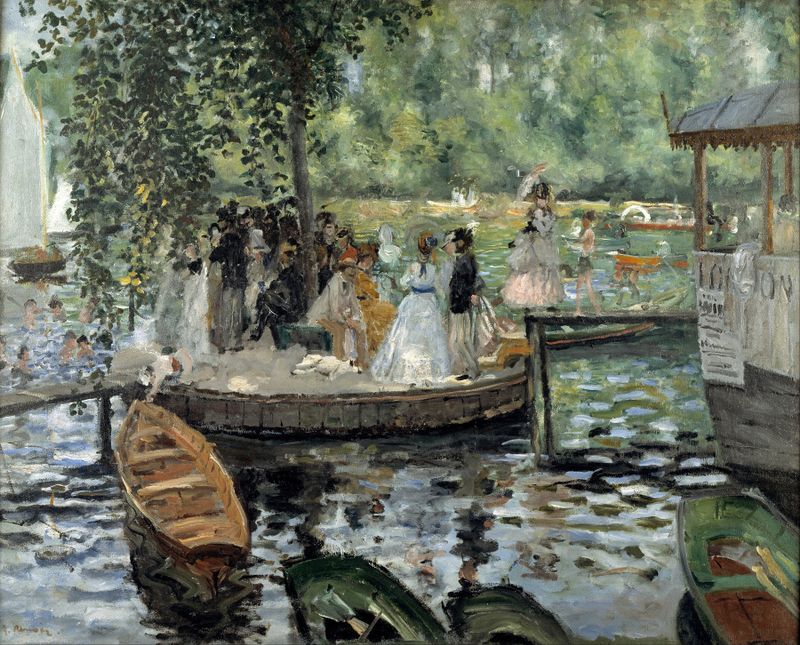
La Grenouillère
Pierre-Auguste Renoir
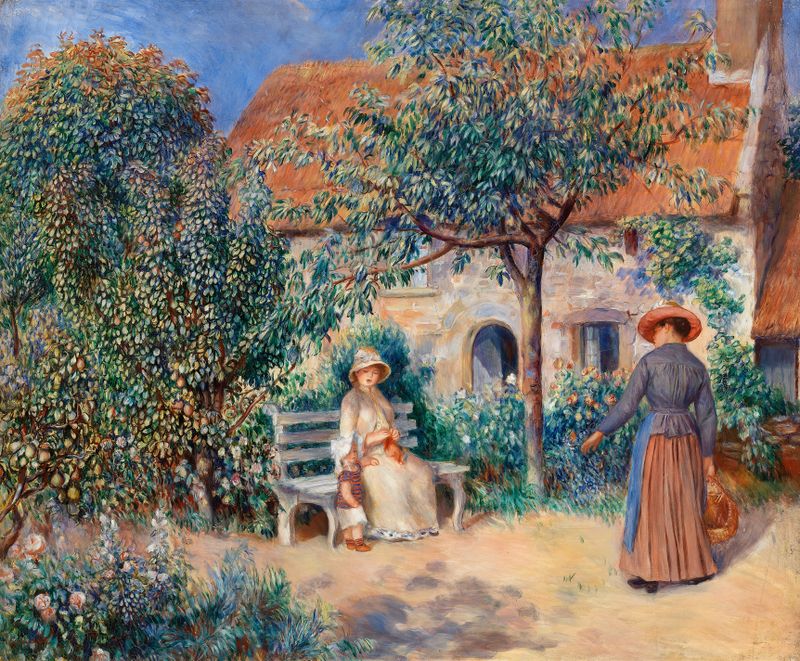
In Brittany (En Bretagne)
Pierre-Auguste Renoir
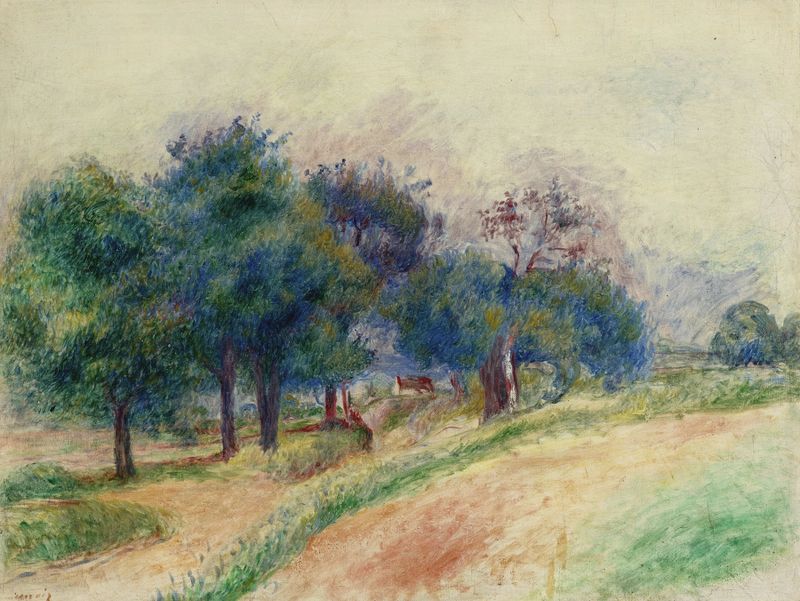
Paysage d’Essoyes
Pierre-Auguste Renoir





