
The Beach at Scheveningen — History & Facts
The first thing that draws the eye in The Beach at Scheveningen is not the figures or the distant ships, but the vast, weighty sky that presses down over the scene. The horizon sits low, giving the clouds and their shifting colors the leading role; everything beneath them feels small and fleeting. The people and animals—scattered in quiet groups, some tending to horses, others pausing in conversation—seem to be caught in a moment of pause, dwarfed by the immensity above.
The muted palette of sandy browns and cool blues sets a mood of calm, but also of transience, as if this day at the shore could drift away unnoticed. Even the ships, anchored offshore, are painted with a lightness that makes them seem as if they might vanish into the haze. This painting belongs to the world of the Dutch Golden Age, when artists like Adriaen van de Velde found poetry in the everyday landscapes of their homeland. In the 17th century, scenes like this were not only valued for their beauty but also for their ability to capture the rhythms of ordinary life—commerce, travel, leisure—on the edge of land and sea.
Works such as this, now in the collection of the Museo Nacional de Bellas Artes in Argentina and dated to 1650, remind us how much Dutch painters prized the interplay of sky and earth, and how they used humble settings to reflect the larger world. The next time you look, let your gaze linger on the horizon, and notice how the figures seem to move in and out of the painting’s quiet drama.
More Artworks by Adriaen van de Velde

Staande stier
Adriaen van de Velde
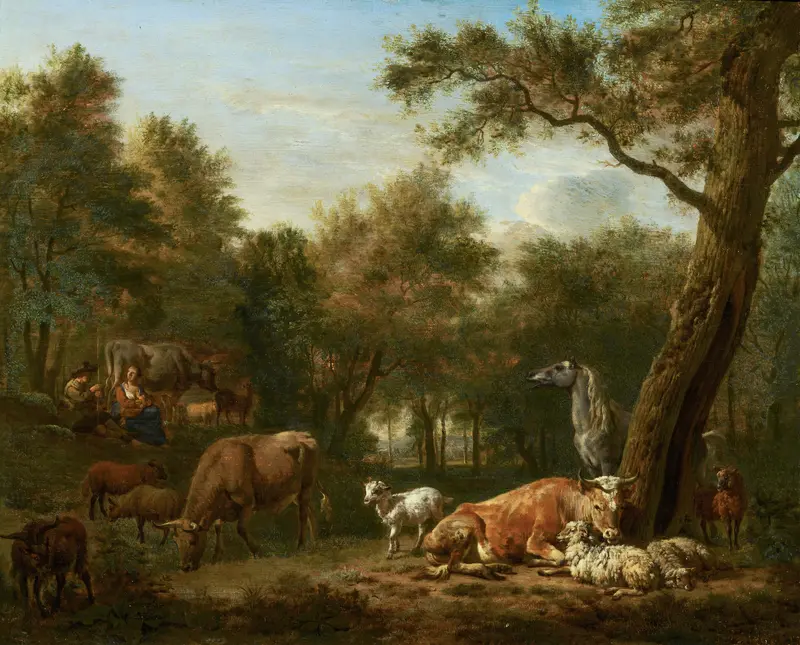
Wooded Landscape with Cattle
Adriaen van de Velde
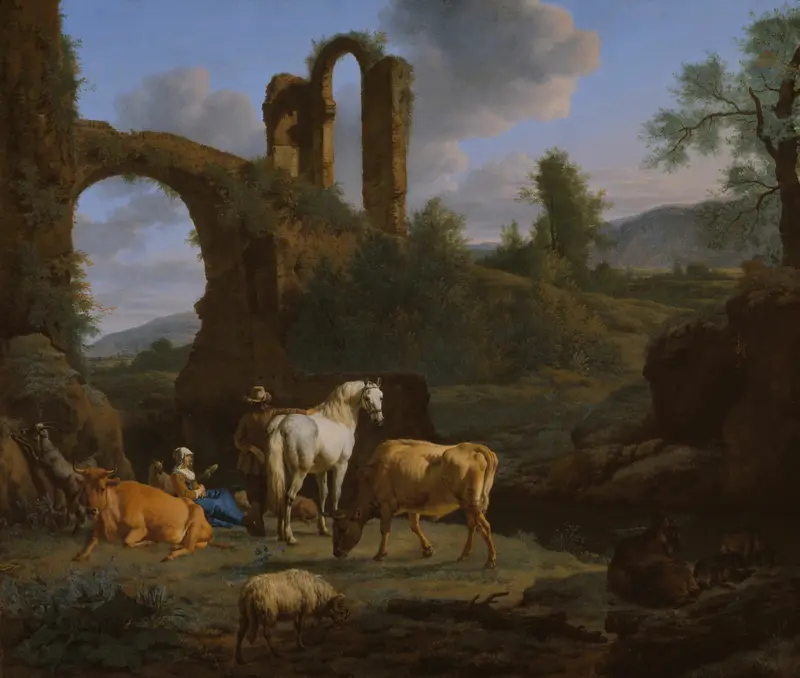
Pastoral Landscape with Ruins
Adriaen van de Velde
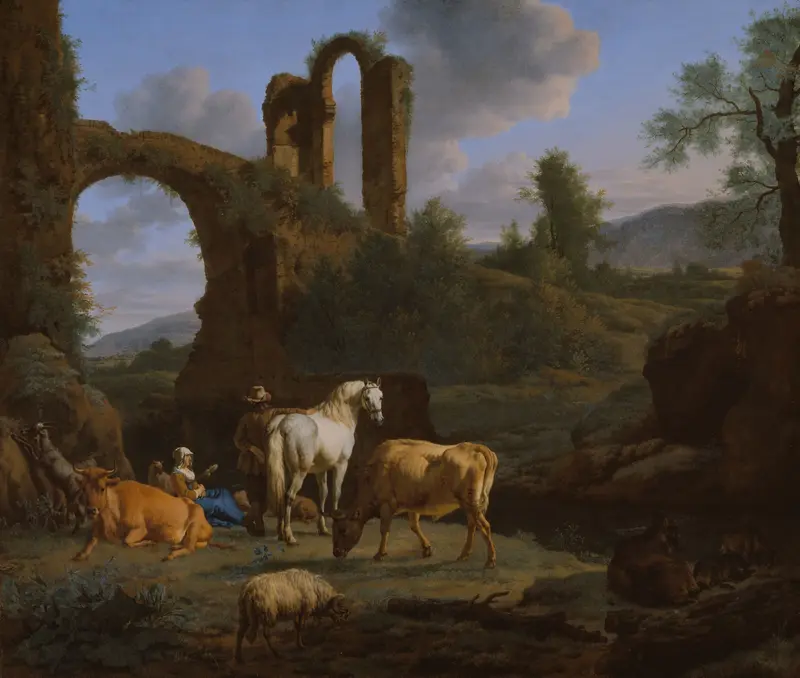
Pastoral Landscape with Ruins
Adriaen van de Velde
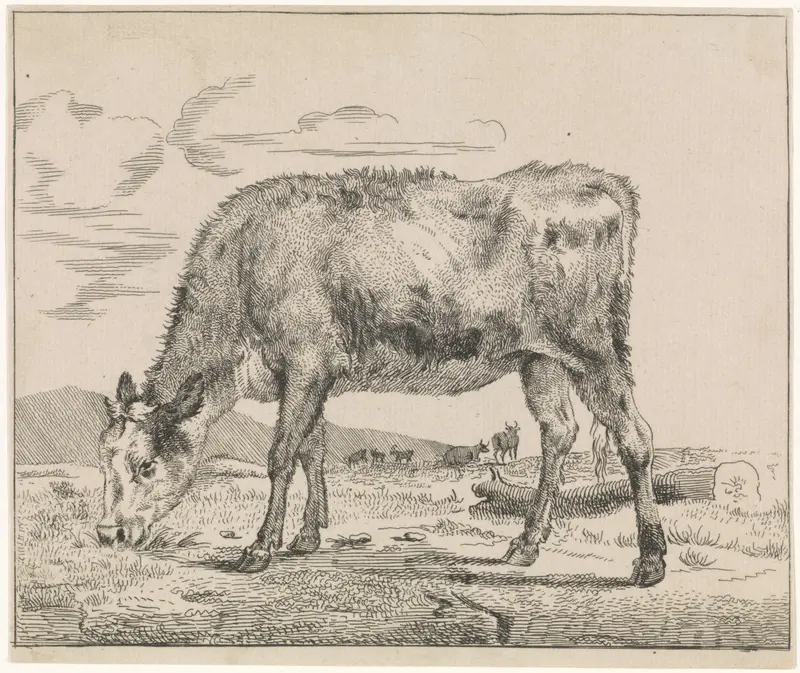
Grazend kalf
Adriaen van de Velde
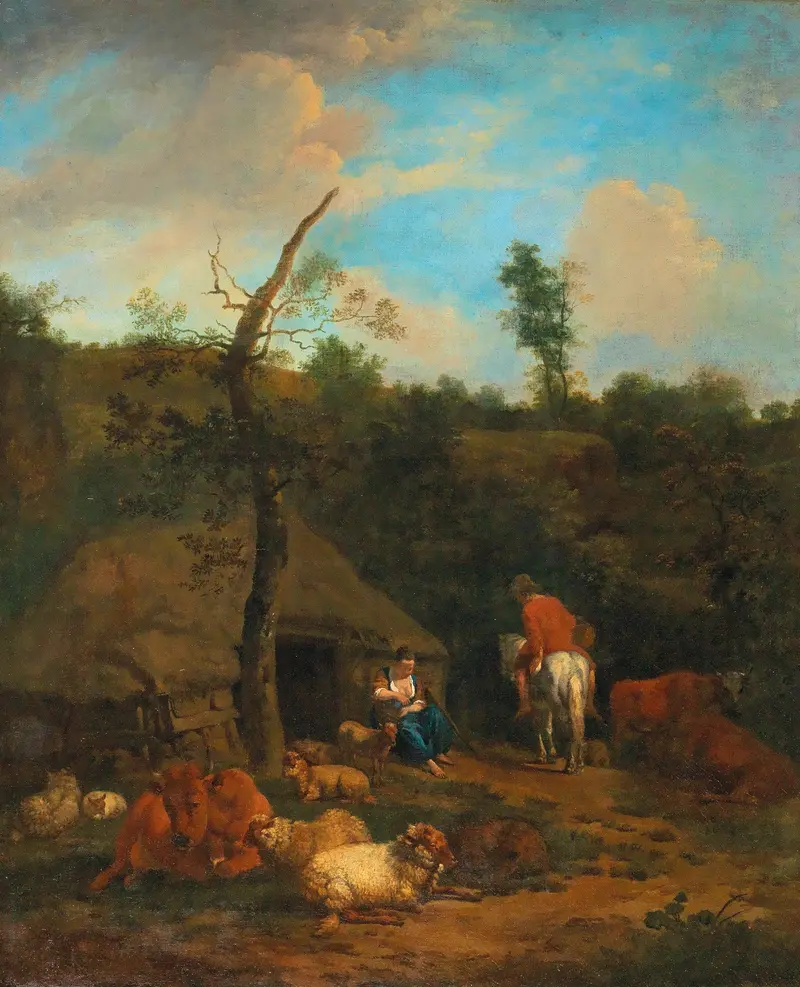
A herdsman and a shepherdess in front of a wooden farmhouse
Adriaen van de Velde
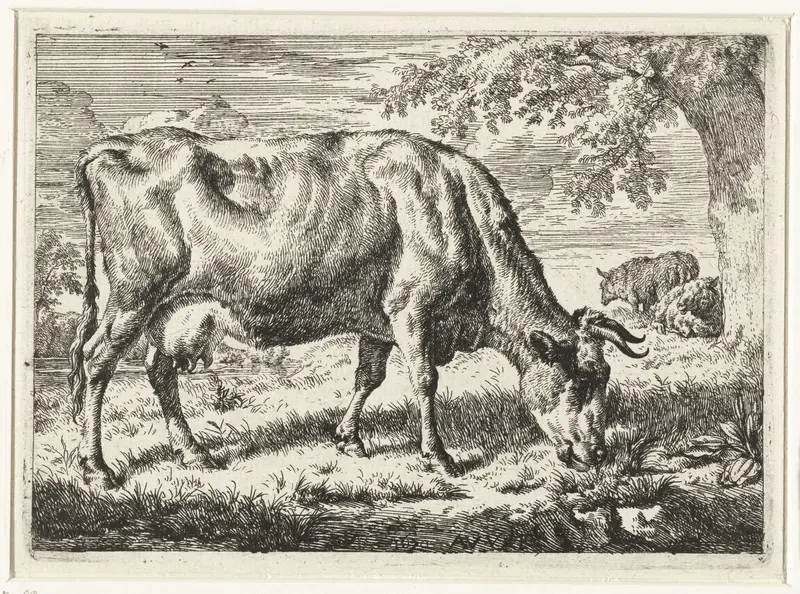
Grazende koe en twee schapen
Adriaen van de Velde
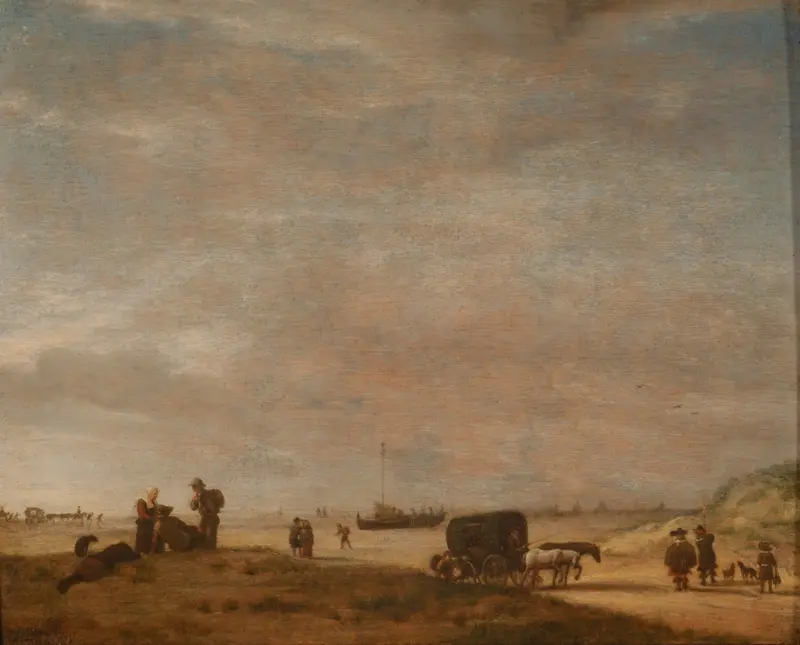
Scheveningen Beach
Adriaen van de Velde
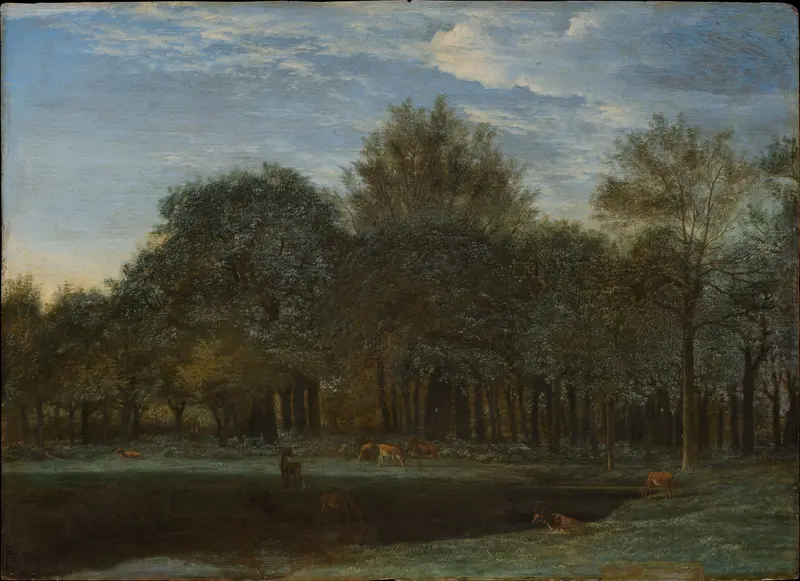
Forest Clearing with Grazing Deer
Adriaen van de Velde
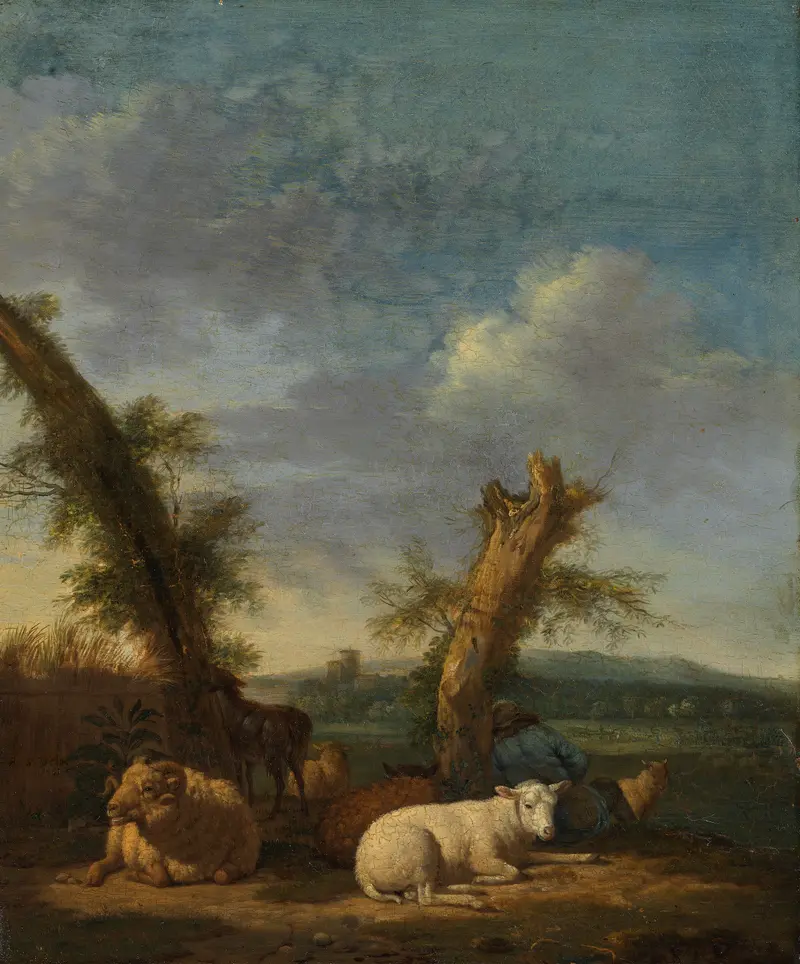
Landscape with Sheep and a Sleeping Shepherd
Adriaen van de Velde
More Landscape Art

The Starry Night
Vincent van Gogh

View of Delft
Johannes Vermeer

Water Lilies
Claude Monet

The Grand Canal, Venice, looking north-west from the Ca' Corner to the Ca' Contarini degli Scrigni, with the campanile of Santa Maria della Carità
Canaletto

Windsor Castle
Canaletto

The Grand Canal looking North-East from the Palazzo Dolfin-Manin to the Rialto Bridge
Canaletto