
The beach seen through the eucalyptus trees — History & Facts
What first strikes the viewer in The beach seen through the eucalyptus trees is the sense of quiet invitation, as if the landscape is pausing to let you catch your breath before descending to the water. The eucalyptus trunks frame a glimpse of turquoise sea, their leaves rendered in loose, confident strokes that let the canvas breathe. Sunlight filters through the foliage, dappling the grass and drawing the eye toward the pale, geometric shapes of beach structures below—a gentle reminder of human presence, but never the focus.
The composition is a study in restraint: Marquet’s palette is limited, yet each color is chosen for clarity, letting the cool blue of the water dominate and the soft greens of the trees and grass anchor the scene in the foreground. The horizon sits high, giving the sky only a narrow band, so that the sea itself becomes the painting’s quiet protagonist. Painted in 1923, this work belongs to a world where artists like Albert Marquet sought to capture fleeting atmospheres rather than grand narratives. By the early twentieth century, landscape painting had shifted from the heroic vistas of the previous century to more intimate, observational scenes—often painted en plein air, with an eye for the changing light and the rhythms of daily life.
Marquet, associated with the Fauves, was known for his subtle handling of color and his ability to distill a scene to its essentials. While little is recorded about the specific history of this painting, now documented in a private collection, it stands as a quiet testament to a period when artists were reimagining what a landscape could be: not a stage for myth or history, but a space for looking, pausing, and simply being. The longer you linger, the more the open air of 1923 seems to drift in.
More Artworks by Albert Marquet
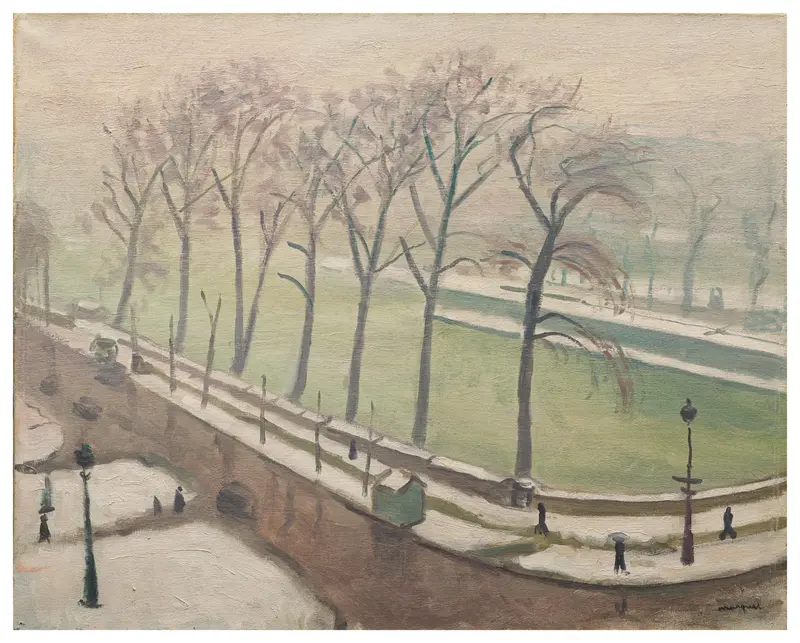
Pont-Neuf sous la neige
Albert Marquet

Le Port d’Alger
Albert Marquet
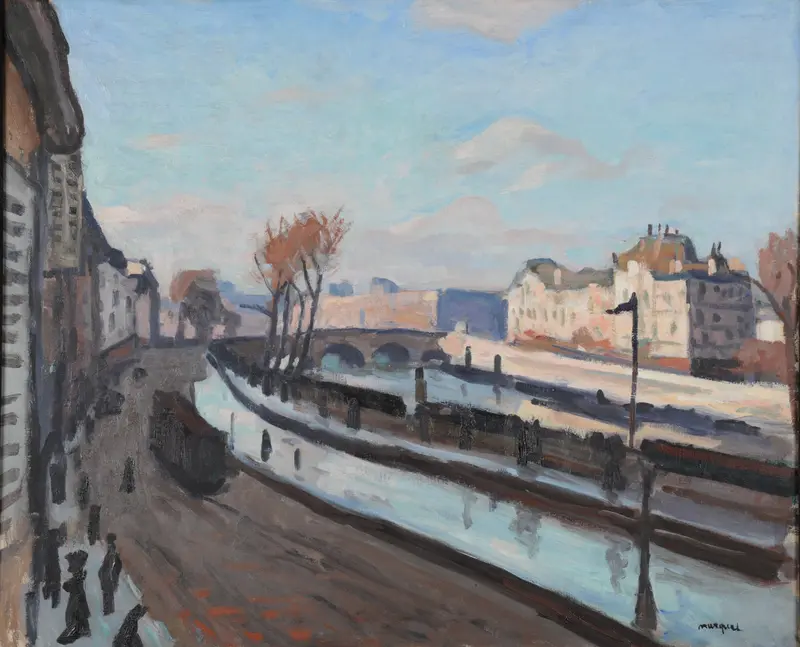
Le quai des Grands Augustins
Albert Marquet

Le jardin à l’Estaque
Albert Marquet
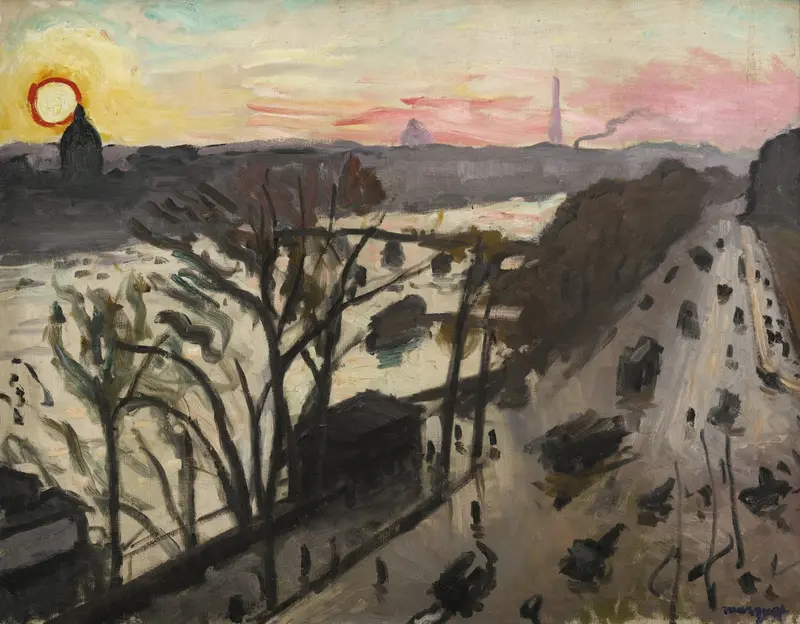
Paris, quai du Louvre, soleil d’hiver
Albert Marquet
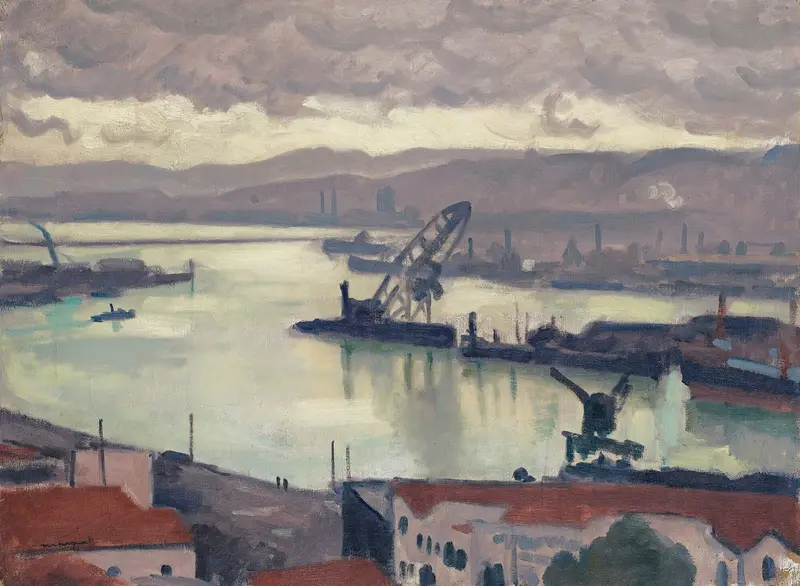
Alger, Temps Gris
Albert Marquet

Berge de la Seine à Méricourt
Albert Marquet
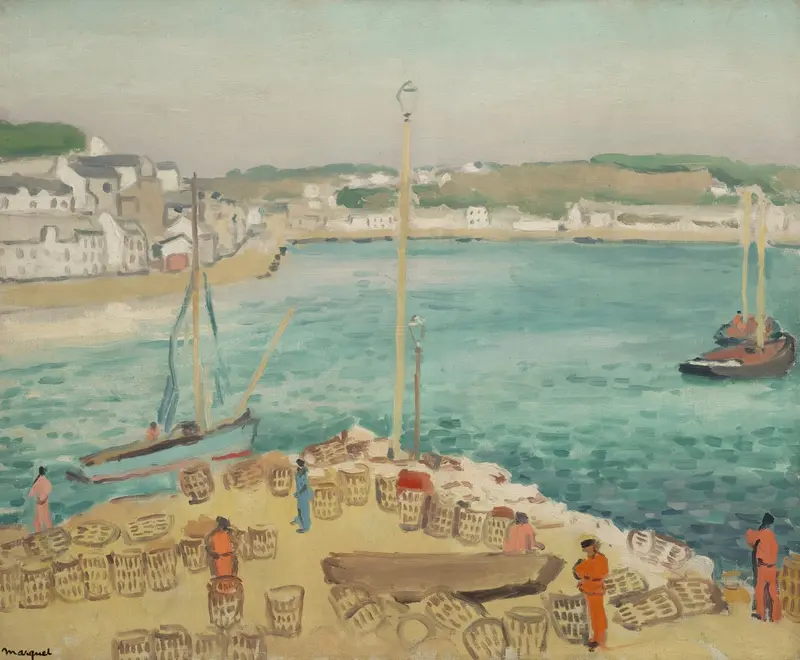
Audierne, les tonneaux
Albert Marquet
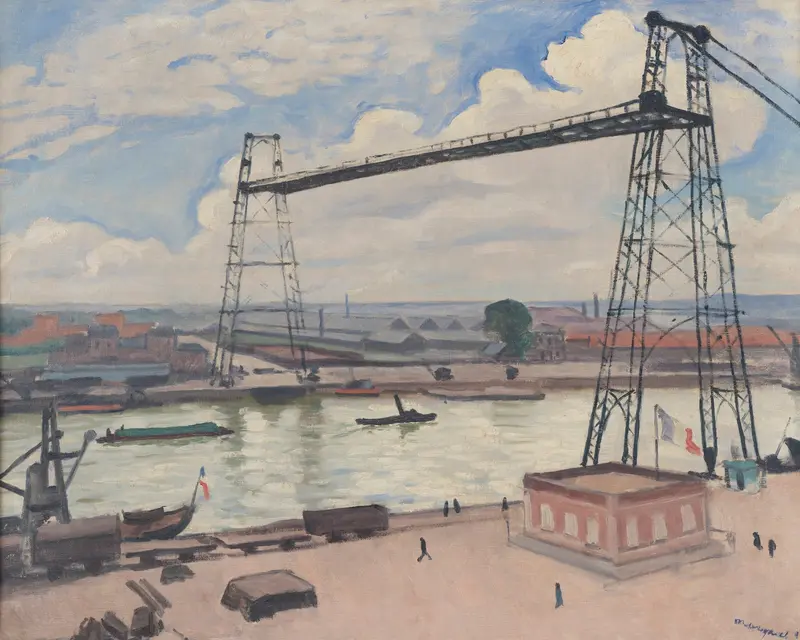
Rouen, le pont transbordeur
Albert Marquet
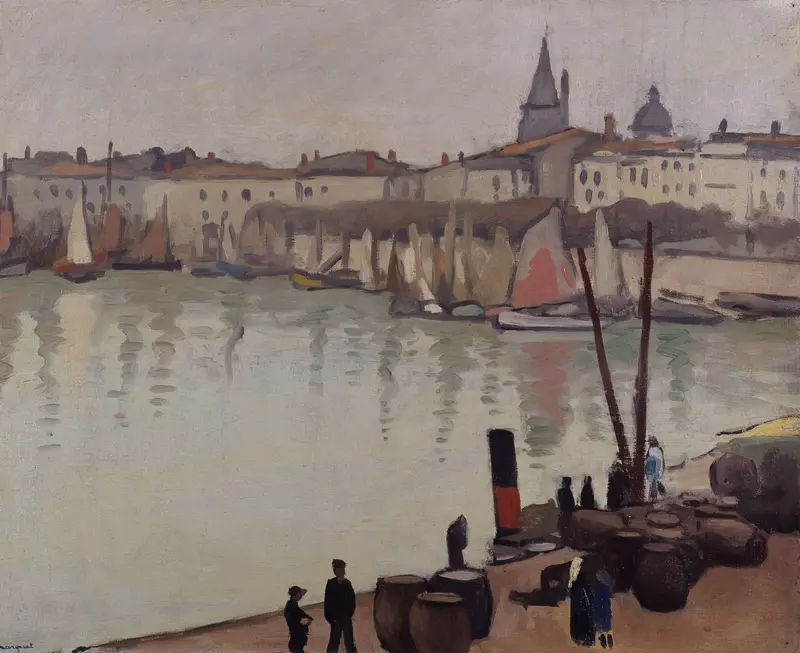
Port of La Rochelle
Albert Marquet
More Landscape Art

The Starry Night
Vincent van Gogh

View of Delft
Johannes Vermeer

Water Lilies
Claude Monet

The Grand Canal, Venice, looking north-west from the Ca' Corner to the Ca' Contarini degli Scrigni, with the campanile of Santa Maria della Carità
Canaletto

Windsor Castle
Canaletto

The Grand Canal looking North-East from the Palazzo Dolfin-Manin to the Rialto Bridge
Canaletto