Discover insights about this artwork
The Beggar with a Wooden Leg — History & Facts
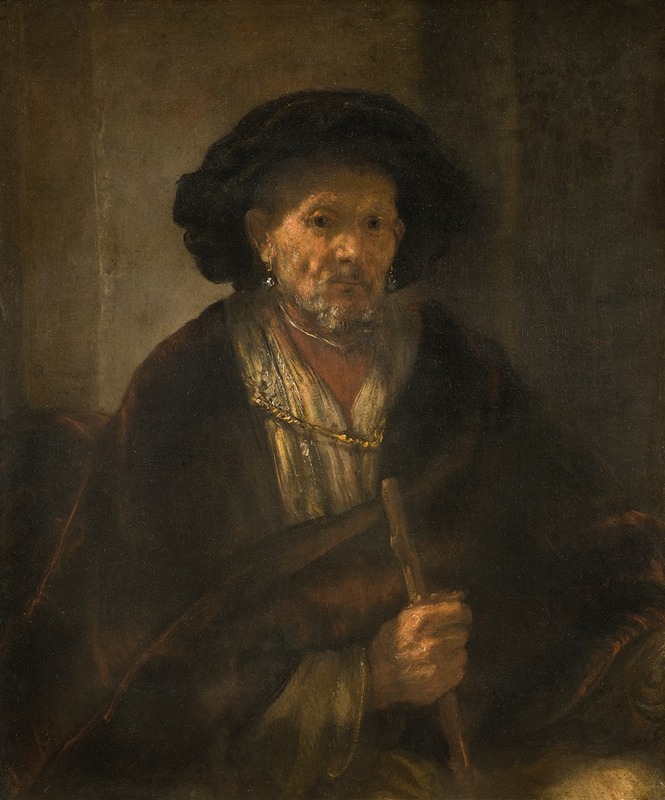
In The Beggar with a Wooden Leg, Rembrandt portrays a solitary figure, a beggar, seated against a dark background. The colors are muted, with browns and grays dominating the palette, enhancing the somber mood. The beggar's wooden leg is prominently displayed, symbolizing his hardship and vulnerability.
His facial expression reflects a mix of resignation and dignity, inviting viewers to empathize with his plight. The painting is executed in oil on canvas, showcasing Rembrandt's characteristic use of light and shadow. The play of chiaroscuro highlights the beggar's features, creating a three-dimensional effect. The texture of the canvas adds depth to the work, making the beggar's worn clothing and wooden leg more tangible.
This technique draws the viewer's eye to the details, emphasizing the human condition. Rembrandt van Rijn, a prominent figure of the Dutch Golden Age, often focused on themes of human suffering and compassion. The Beggar with a Wooden Leg is a poignant example of his ability to capture the essence of his subjects. Interestingly, this painting reflects the artist's own struggles with financial difficulties and personal loss during his later years.
It serves as a reminder of the empathy he felt for the marginalized in society.
More Artworks by Rembrandt van Rijn
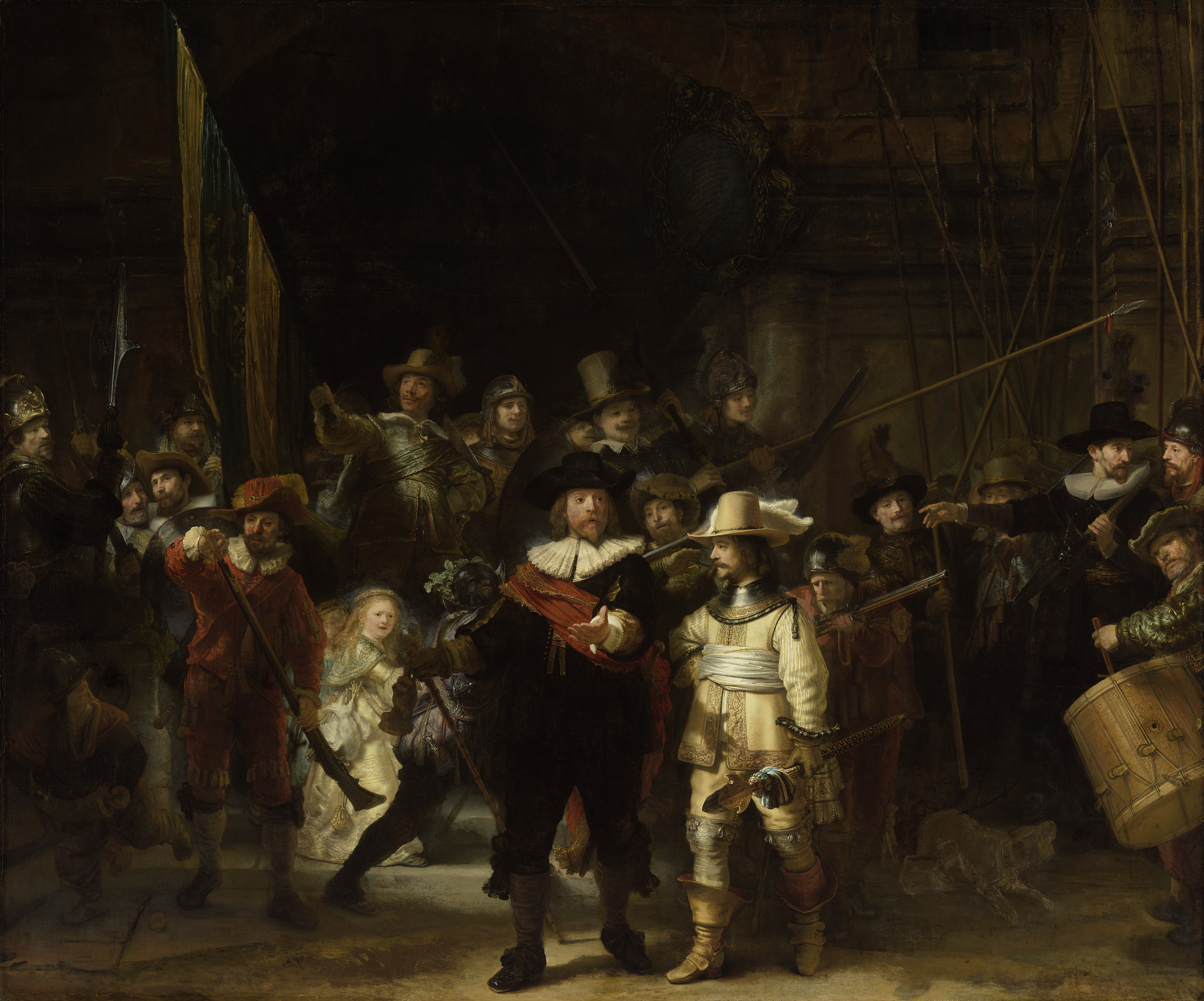
The Night Watch Militia Company of District II under the Command of Captain Frans Banninck Cocq
Rembrandt van Rijn
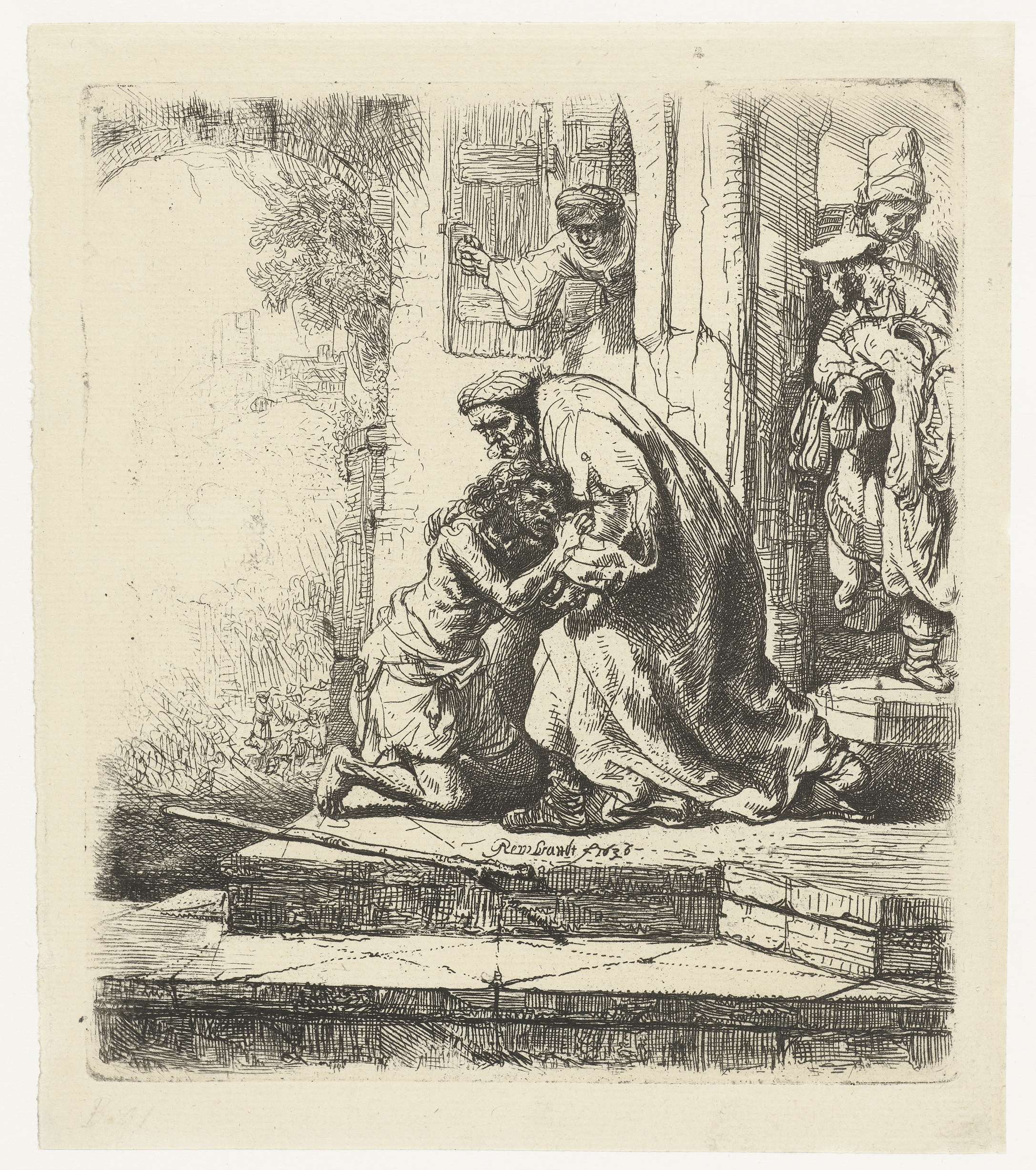
The Return of the Prodigal Son
Rembrandt van Rijn
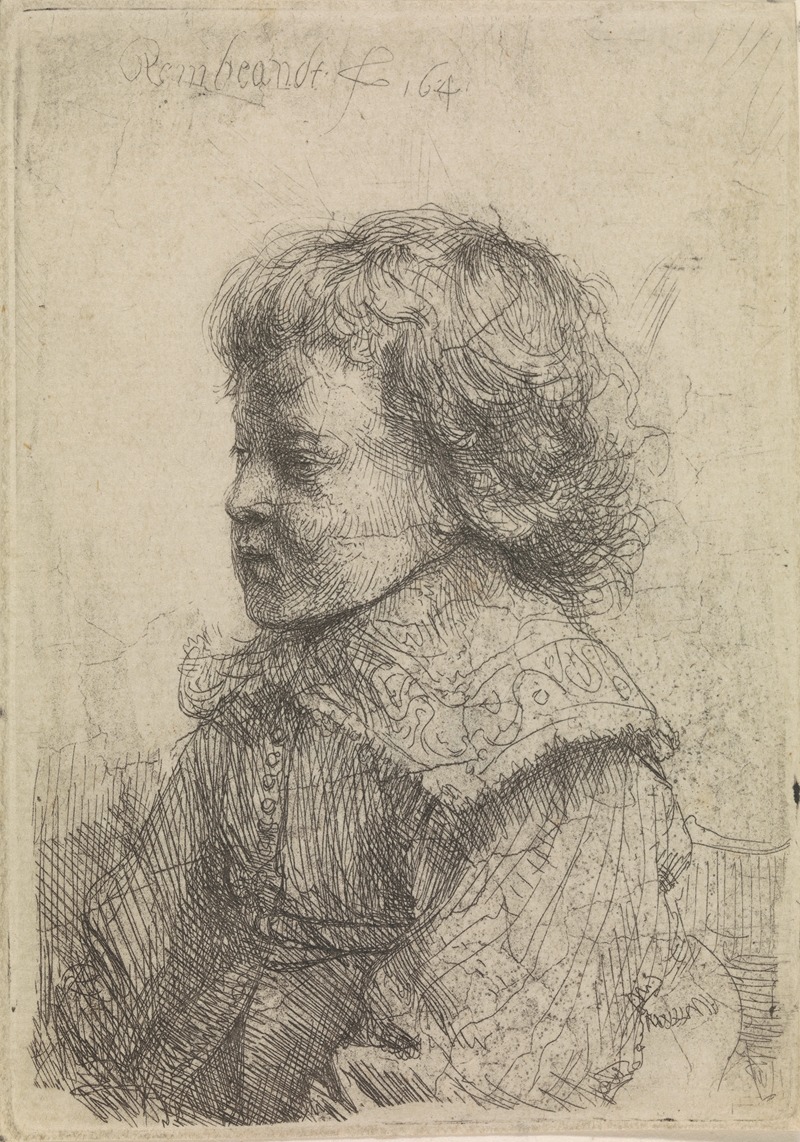
Portrait of a boy in profile
Rembrandt van Rijn

Portrait of a 39-year-old Woman
Rembrandt van Rijn
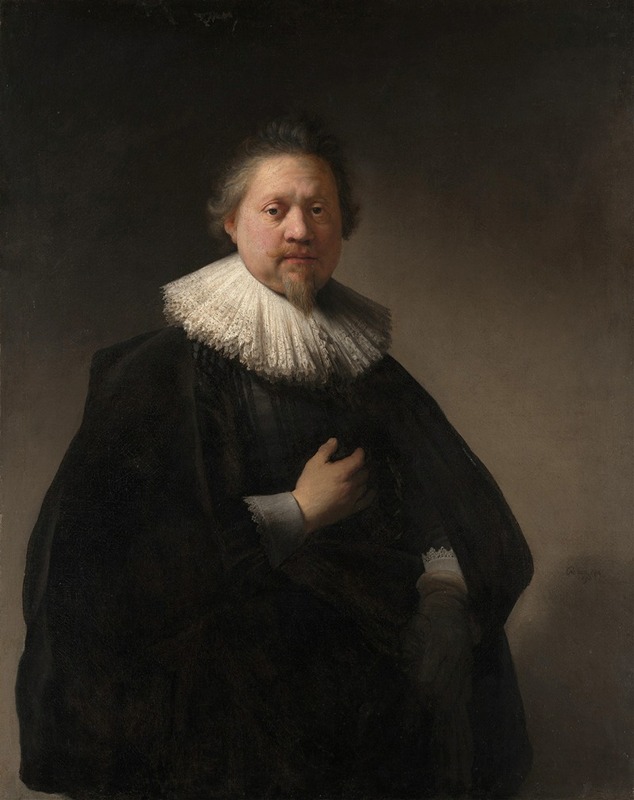
Portrait of a Man
Rembrandt van Rijn

Portrait of a Woman
Rembrandt van Rijn

Portrait of a Young Woman
Rembrandt van Rijn
Portrait of an Old Man
Rembrandt van Rijn

Portrait of Maertgen van Bilderbeecq
Rembrandt van Rijn

Portrait of the Artist as a Young Man
Rembrandt van Rijn