
The Beggars — History & Facts
Could a single brushstroke hold eternity? In The Beggars, a poignant exploration of loss unfolds through the delicate interplay of light and shadow, inviting viewers to contemplate the fragility of existence. Look to the left side of the canvas, where a solitary figure is hunched, garbed in tattered clothing that blends seamlessly with the muted palette. The soft, diffused light casts a somber glow, accentuating the contours of sorrow etched into the beggar's face. Notice how the artist's use of grays and browns evokes an atmosphere of despair, yet there exists a profound beauty in the subtle brushwork that renders the scene almost ethereal. As you gaze deeper, consider the emotional tension between the figures depicted.
The juxtaposition of their weary expressions against the surrounding emptiness reflects both a sense of isolation and a shared humanity. The minimal background allows the viewer to focus entirely on these characters, suggesting that amid loss, there is an unspoken bond forged through suffering. Each detail—the texture of the fabric, the positioning of hands—whispers stories of resilience and yearning. Whistler painted this work in 1880 during a transformative period in his career, as he sought to break from traditional representational art and embrace a more emotive style.
Living in Paris at the time, he was influenced by the burgeoning ideas of Impressionism, while his own unique approach began to redefine aesthetics in the art world. This piece, like many of his works, reflects his fascination with the interplay of beauty and hardship, capturing a moment that resonates far beyond its frame.
More Artworks by James Abbott McNeill Whistler
Browse all →
Nocturne in Blue and Silver
James Abbott McNeill Whistler
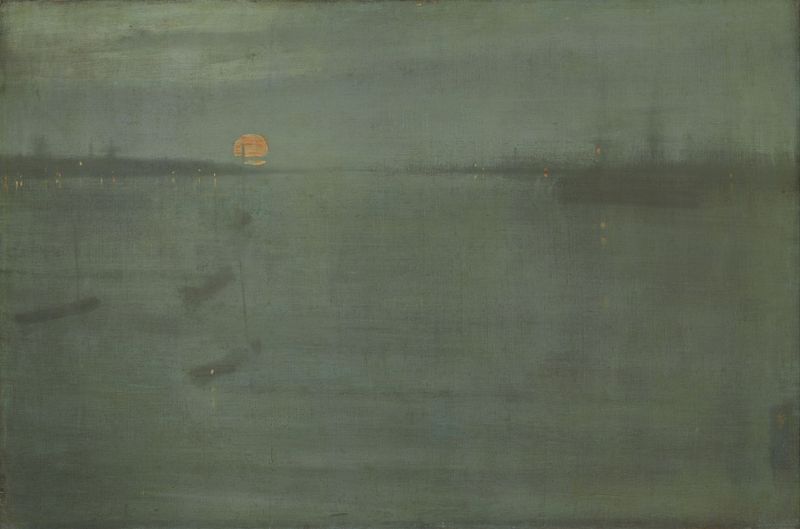
Nocturne: Blue and Gold–Southampton Water
James Abbott McNeill Whistler
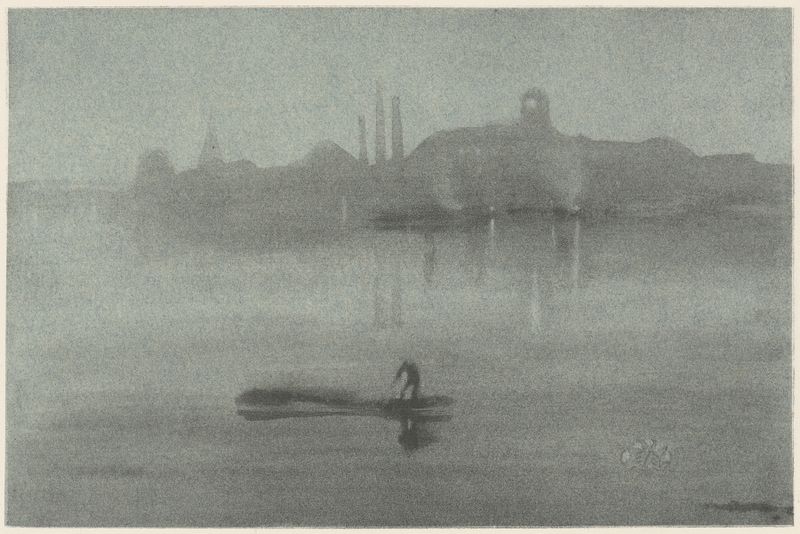
Nocturne
James Abbott McNeill Whistler
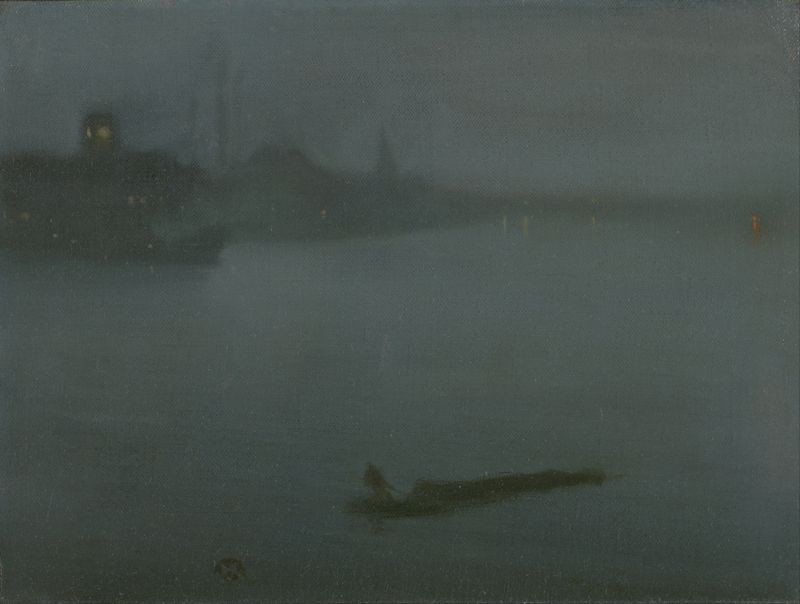
Nocturne in Blue and Silver
James Abbott McNeill Whistler
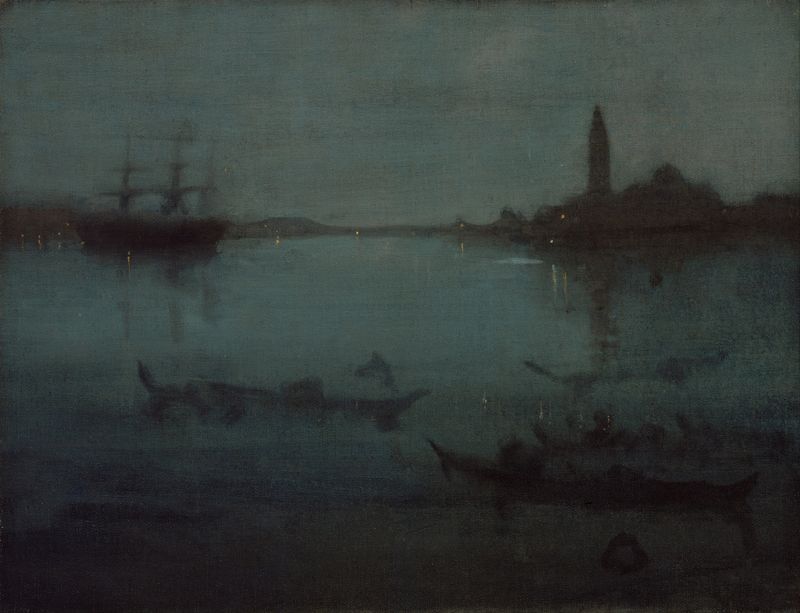
Nocturne in Blue and Silver- The Lagoon, Venice
James Abbott McNeill Whistler
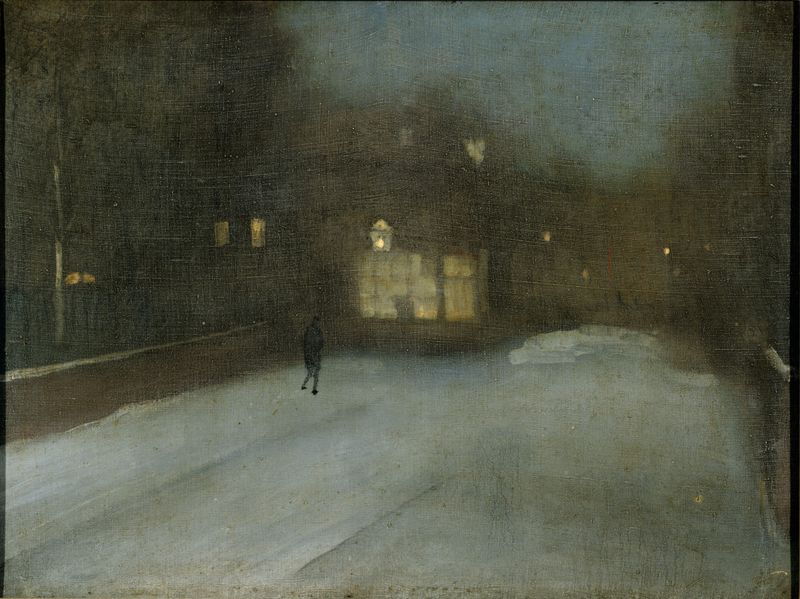
Nocturne in Grey and Gold: Chelsea Snow
James Abbott McNeill Whistler
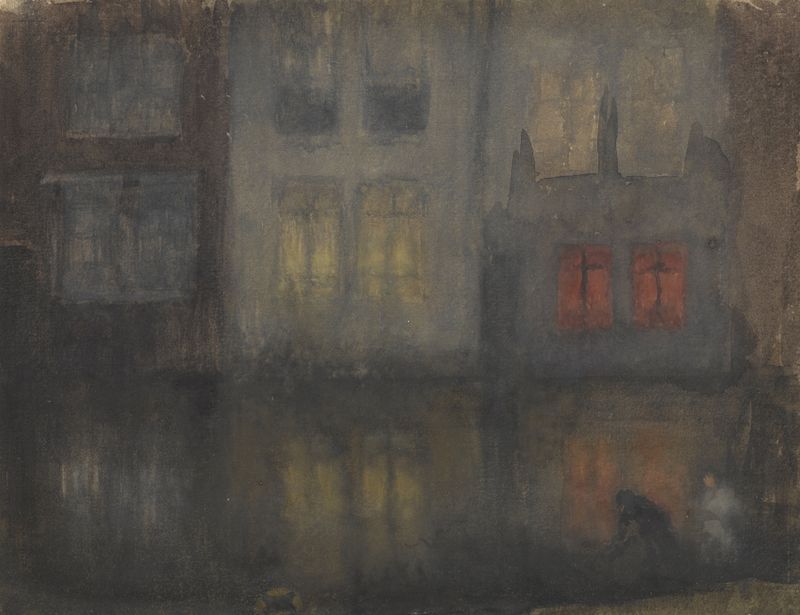
Nocturne: Black and Red—Back Canal, Holland
James Abbott McNeill Whistler
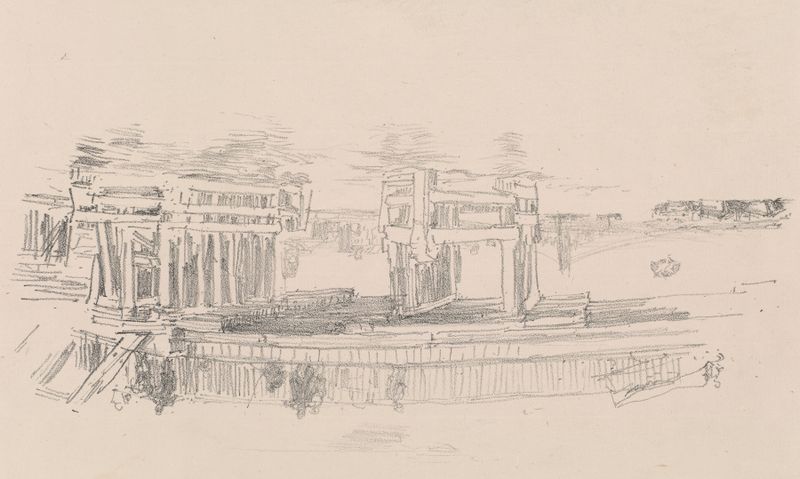
Old Battersea Bridge
James Abbott McNeill Whistler

Nocturne: Blue and Silver–Battersea Reach
James Abbott McNeill Whistler
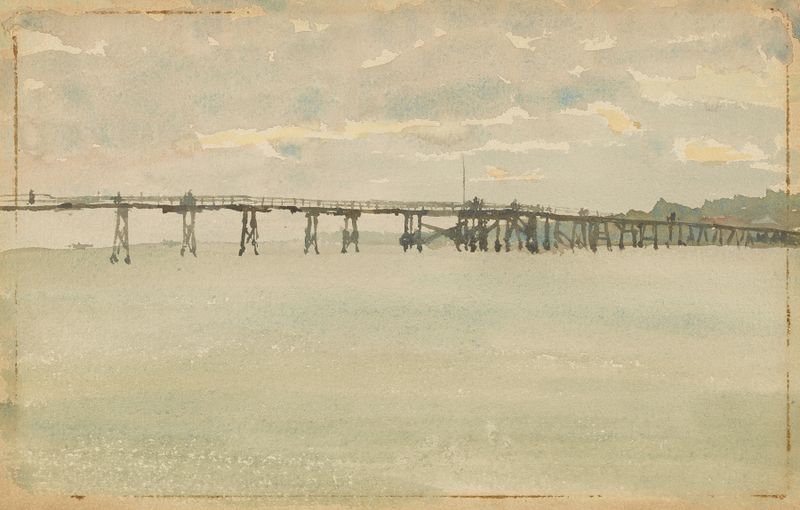
Grey and Silver–Pier, Southend
James Abbott McNeill Whistler





