
The Blue Grotto, Capri — History & Facts
What draws the eye first in The Blue Grotto, Capri is the almost otherworldly glow at the heart of the cavern, a single burst of light that transforms the darkness and rough stone into something quietly theatrical. The jagged forms of the cave ceiling hang like curtains, each stalactite catching a glint, while the water below mirrors the radiance, guiding the viewer’s gaze deeper into the mysterious hollow. Bierstadt’s brushwork here is bold and direct, suggesting the immediacy of a sketch made on site, yet every detail—the jutting rocks, the rippling water—serves to heighten the sense of awe and discovery.
Light is not just an effect but a protagonist, piercing the gloom and hinting at the allure that made the Blue Grotto a magnet for 19th-century travelers. This drawing belongs to a world newly enchanted by the wonders of travel and the promise of the picturesque. In the mid-1800s, artists like Albert Bierstadt—fresh from the academies of Düsseldorf—sought out natural marvels that could astonish European and American audiences alike. Capri’s Blue Grotto, accessible only by ducking into a tiny boat, was celebrated in guidebooks and travelers’ tales as a place where nature performed its own spectacle of light.
The work, now in the Walters Art Museum and dating from Bierstadt’s Italian journey of 1857, is a testament to that era’s hunger for both scientific curiosity and visual drama. Even now, the image invites us to step into the boat and drift toward the luminous unknown.
More Artworks by Albert Bierstadt

A Storm in the Rocky Mountains, Mt. Rosalie
Albert Bierstadt
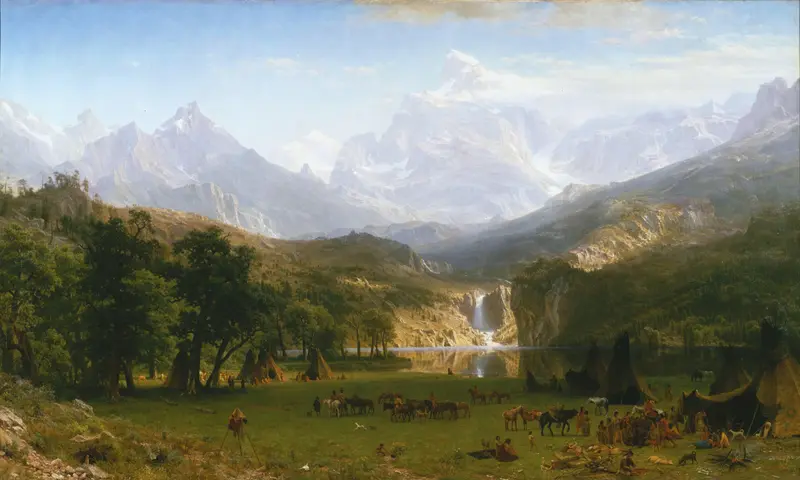
The Rocky Mountains, Lander's Peak
Albert Bierstadt
Niagara from the American Side
Albert Bierstadt
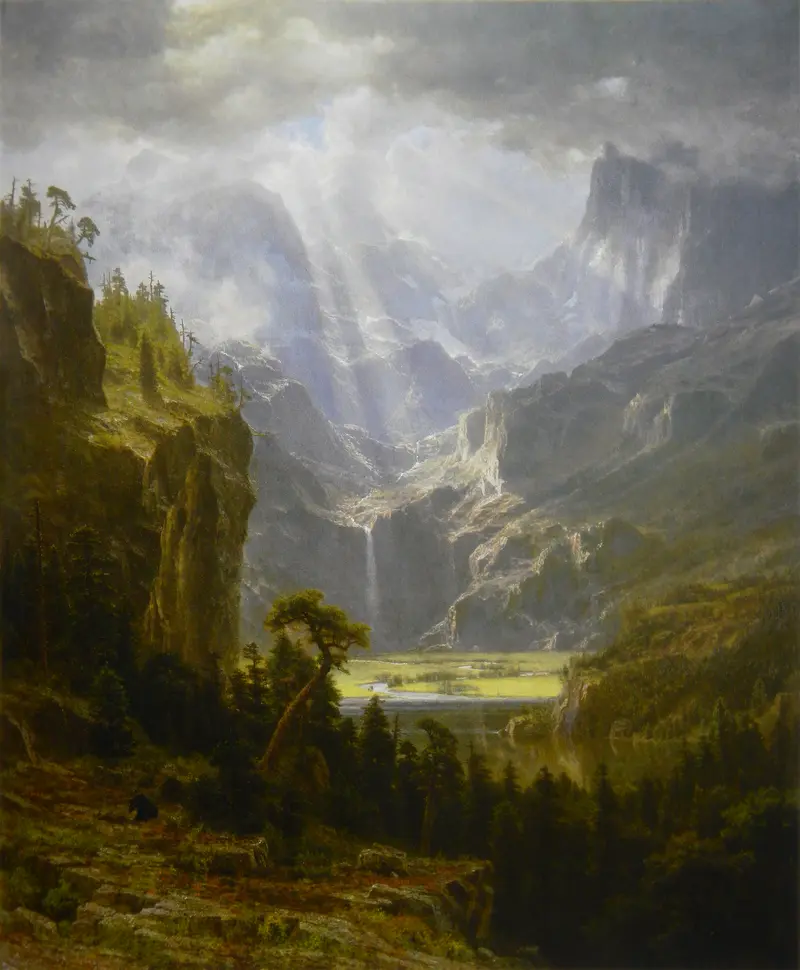
Rocky Mountains, Lander’s Peak
Albert Bierstadt

Valley of the Yosemite
Albert Bierstadt
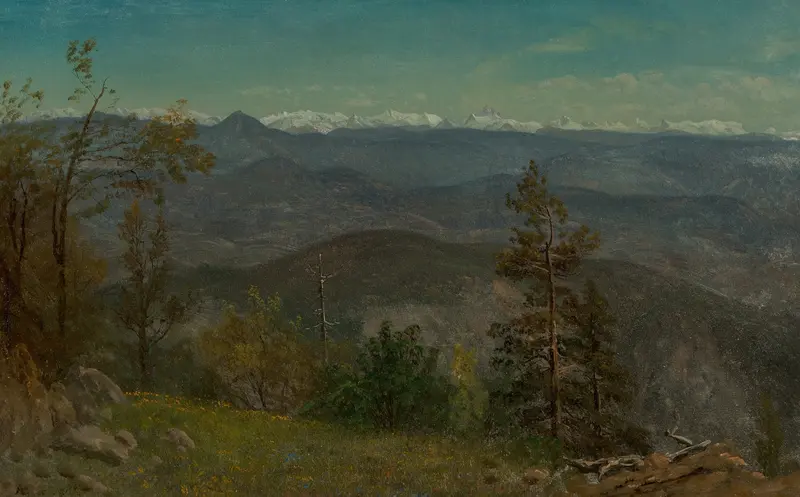
Yosemite Valley, California
Albert Bierstadt
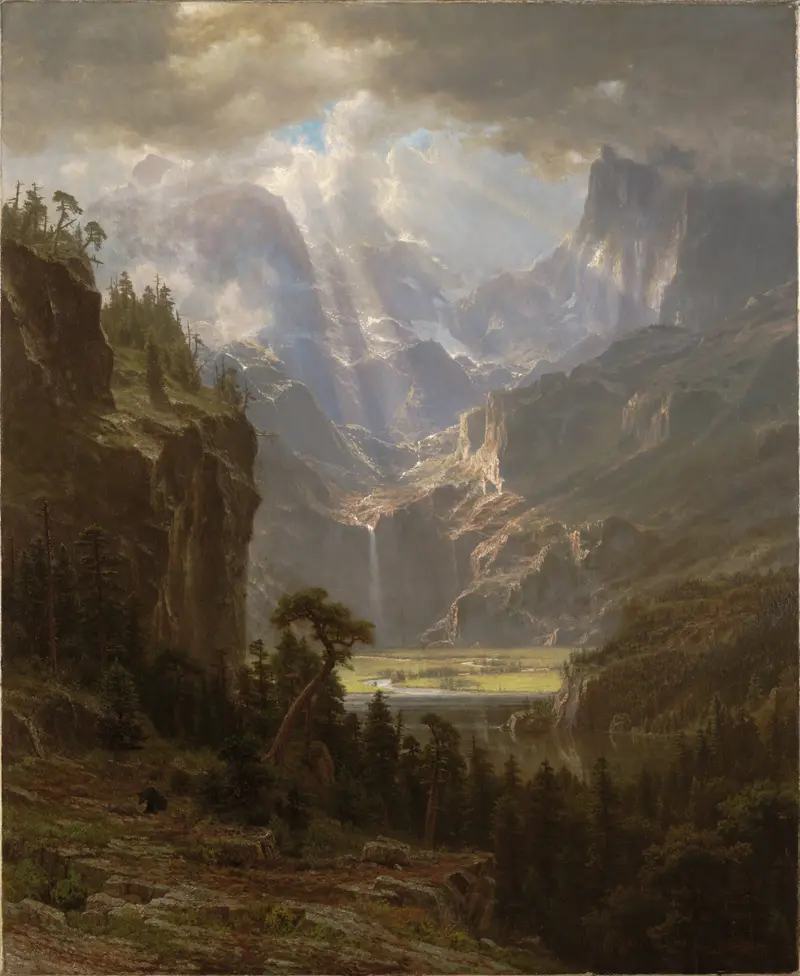
Rocky Mountains, "Lander's Peak"
Albert Bierstadt

Laramie Peak
Albert Bierstadt
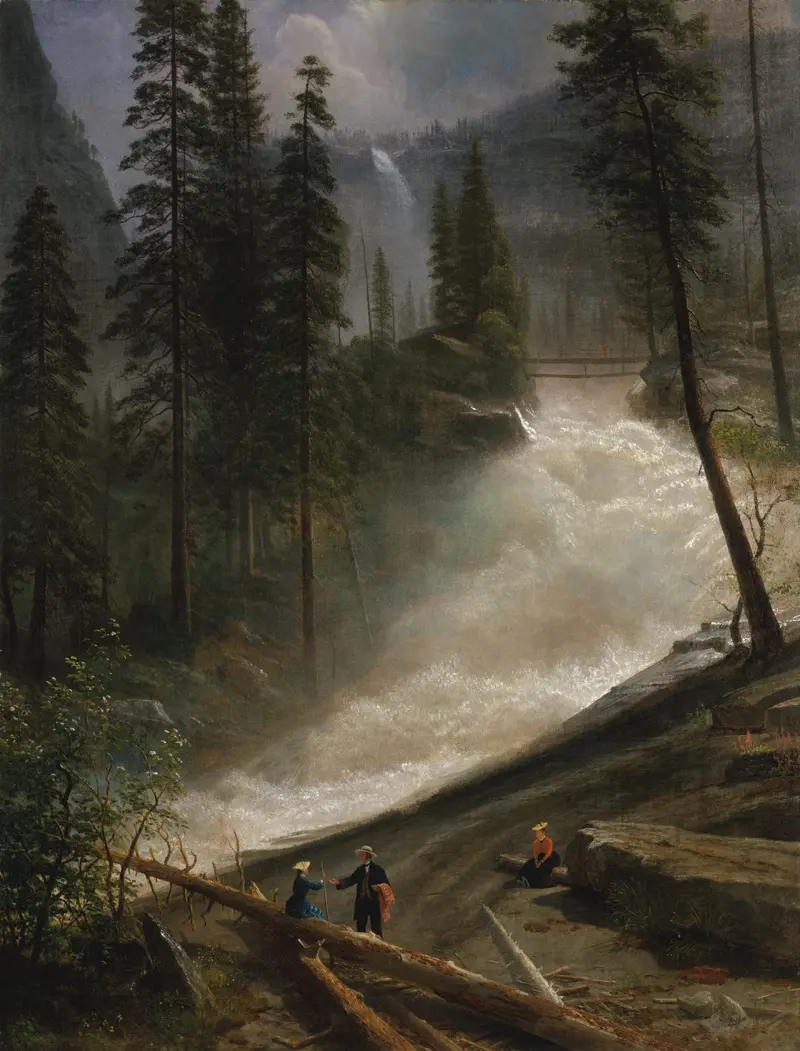
Nevada Falls, Yosemite
Albert Bierstadt
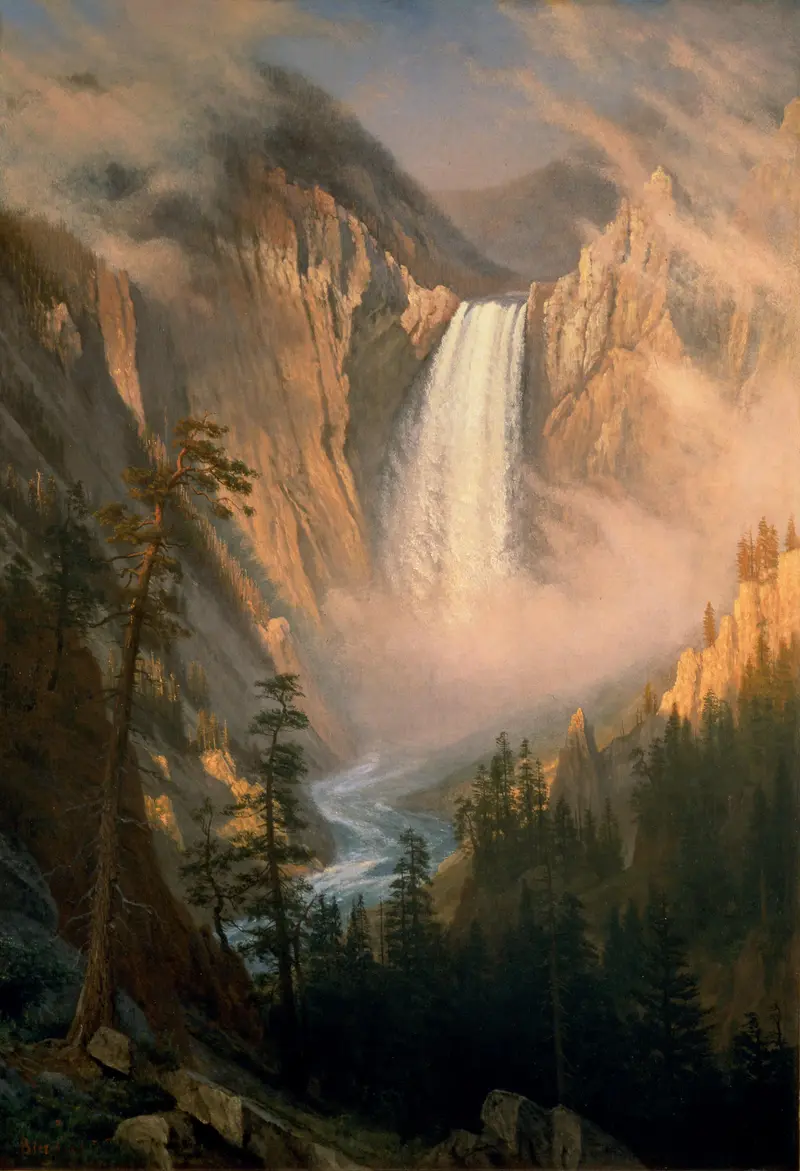
Yellowstone Falls
Albert Bierstadt
More Landscape Art

The Starry Night
Vincent van Gogh

View of Delft
Johannes Vermeer

Water Lilies
Claude Monet

The Grand Canal, Venice, looking north-west from the Ca' Corner to the Ca' Contarini degli Scrigni, with the campanile of Santa Maria della Carità
Canaletto

Windsor Castle
Canaletto

The Grand Canal looking North-East from the Palazzo Dolfin-Manin to the Rialto Bridge
Canaletto