The Blue Wave, Biarritz — History & Facts
The eye is drawn first to the restless energy at the heart of The Blue Wave, Biarritz, where a single wave crests and tumbles against the dark rocks, caught mid-motion by James McNeill Whistler in 1862. The painting’s drama is not in narrative but in sensation: the low vantage point places the viewer almost at sea level, as if standing on the slick rocks themselves, feeling the spray and the pull of the tide. Whistler’s handling of paint is loose and vigorous, the whites of the foam dashed on with a sense of immediacy, while the deep blues and greens of the water suggest both depth and coldness.
Above, a heavy sky presses down, its swirling clouds echoing the movement below and amplifying the sense of a world in flux. The palette is restrained but charged, setting a mood that is both contemplative and bracing. This work belongs to a moment in the mid-nineteenth century when artists were increasingly drawn to the untamed character of the natural world, and the Atlantic coast of France—Biarritz in particular—became a magnet for painters seeking new motifs. Unlike the grand, composed seascapes of earlier generations, Whistler’s approach here is immediate and almost confrontational, inviting comparison with contemporaries like Courbet, who also sought to capture the rawness of the sea.
In 1862, when this work was made, the modern notion of painting outdoors, directly before nature, was gaining ground, and Whistler’s brushwork carries the freshness of direct observation. Little is recorded about the specific history of this painting, now held in the collection documented by whistlerpaintings.gla.ac.uk, but its energy and focus speak to a time when both artist and audience were learning to see the landscape anew. The longer you look, the more the painting seems to move, as if the next wave is always about to break.
More Artworks by James McNeill Whistler
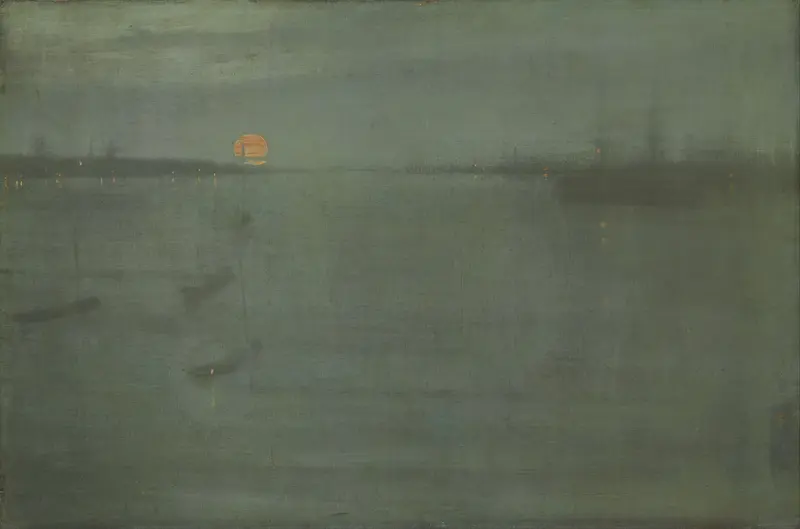
Nocturne: Blue and Gold—Southampton Water
James McNeill Whistler
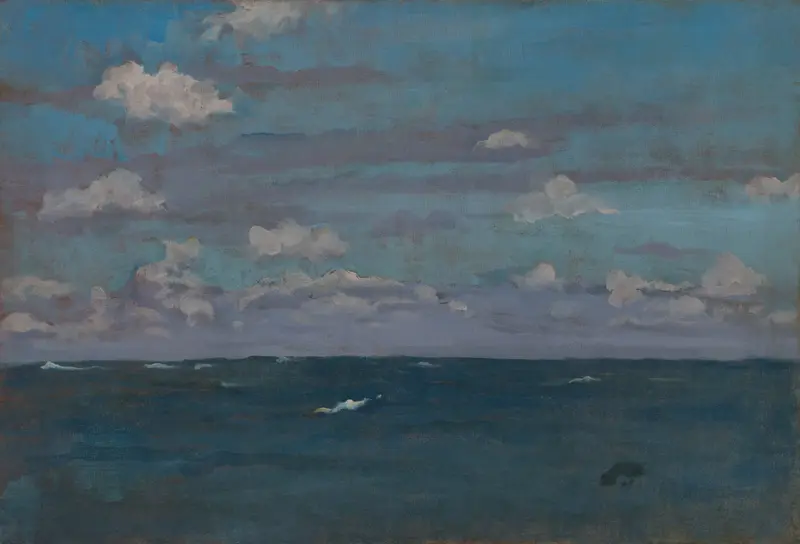
Violet and Silver—The Deep Sea
James McNeill Whistler
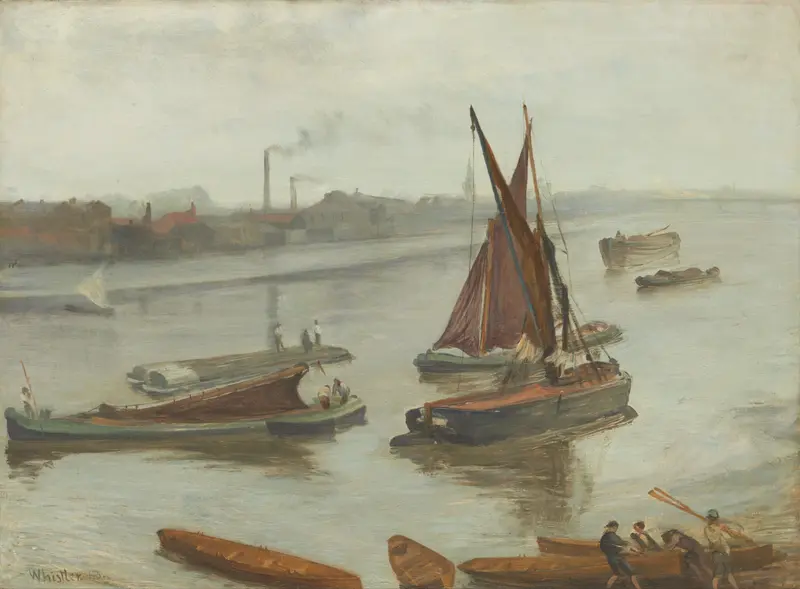
Grey and Silver: Old Battersea Reach
James McNeill Whistler
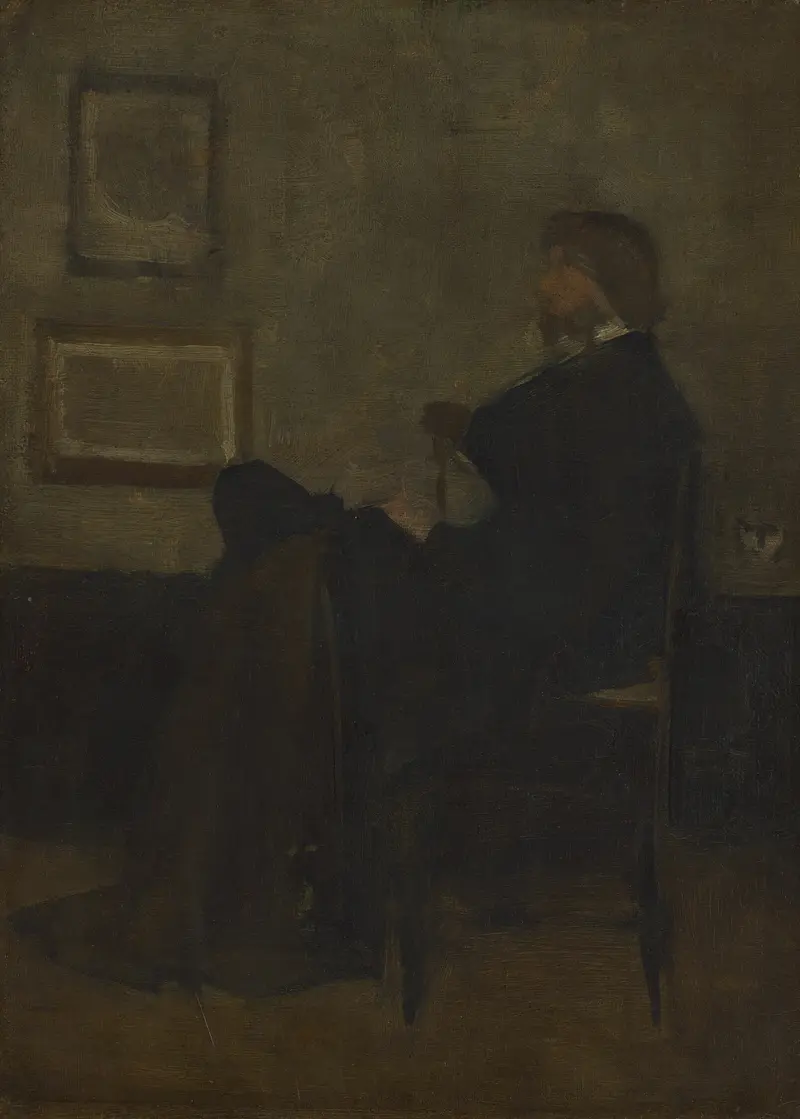
Study for "Arrangement in Grey and Black, No. 2: Portrait of Thomas Carlyle"
James McNeill Whistler
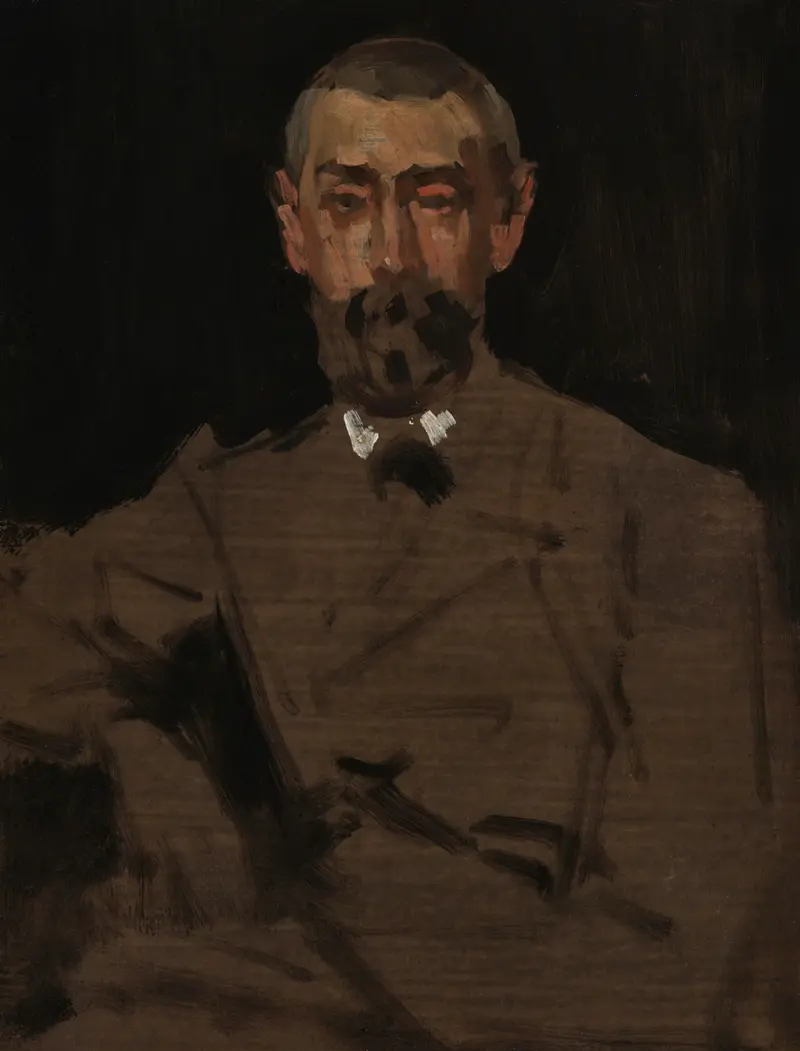
Portrait of M. R. Elden
James McNeill Whistler
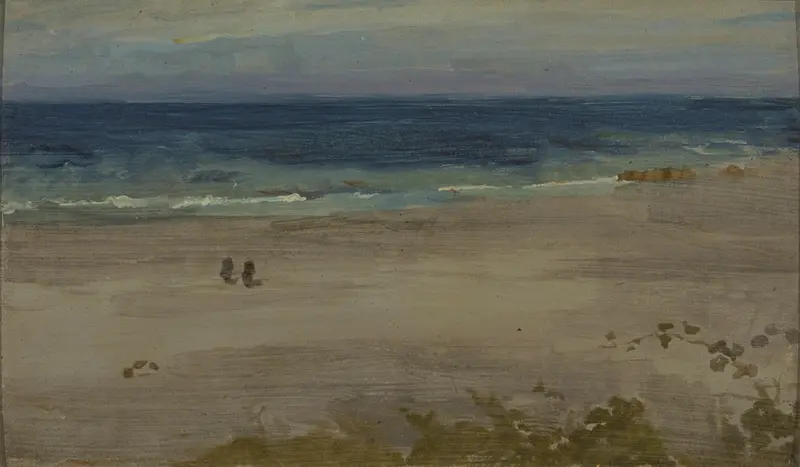
The Blue Sea
James McNeill Whistler
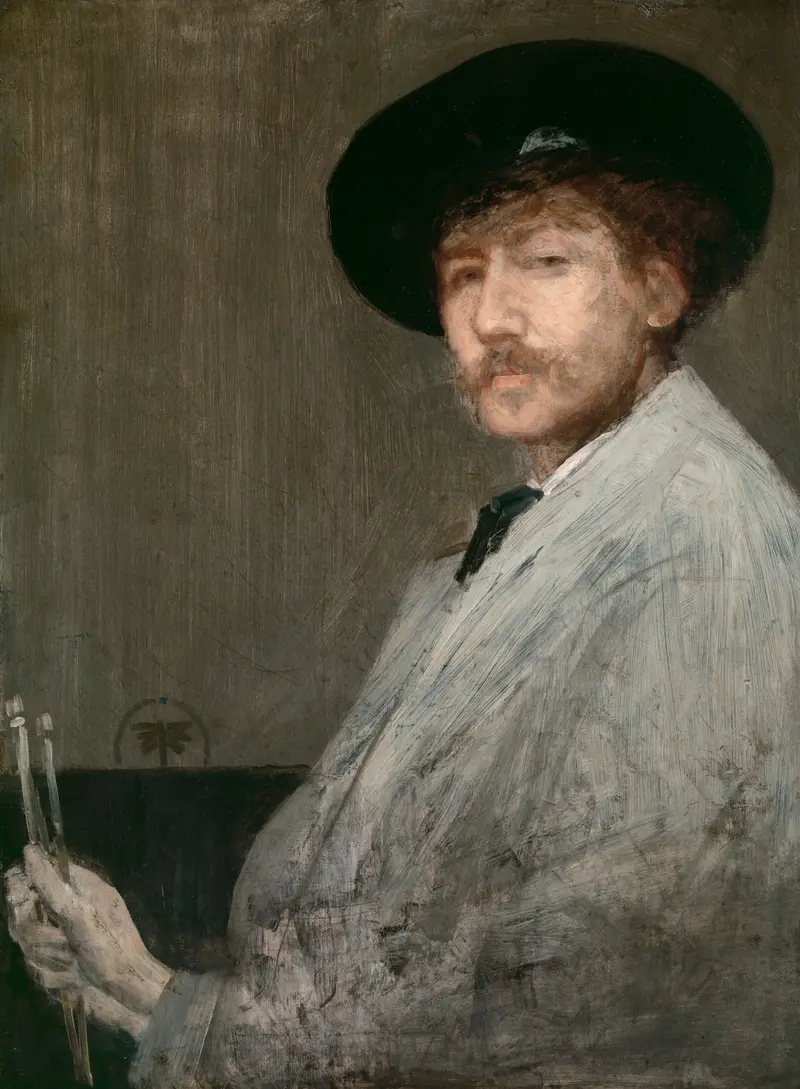
Arrangement in Gray: Portrait of the Painter
James McNeill Whistler
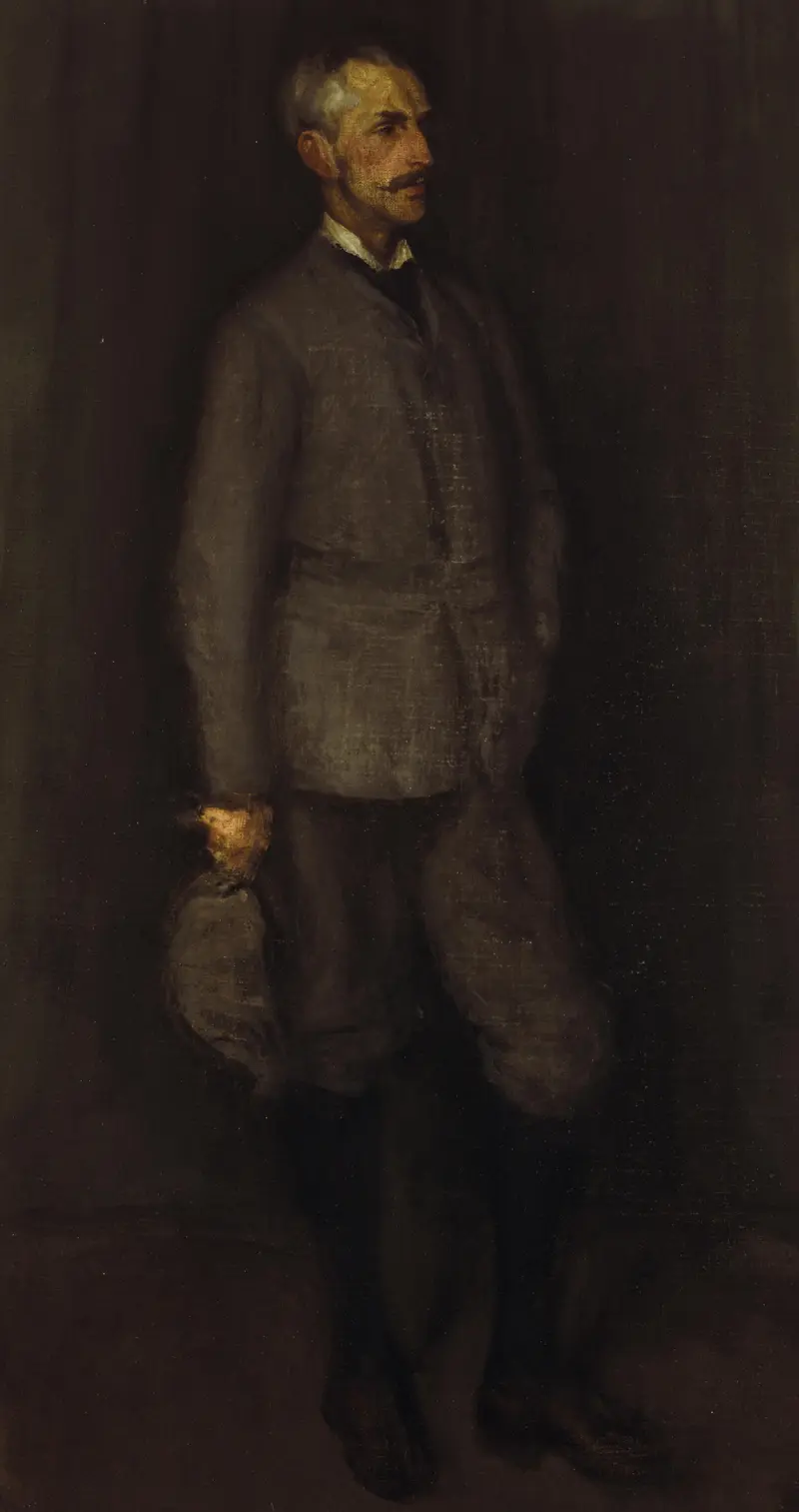
Arrangement in Grey and Green. Portrait of John James Cowan
James McNeill Whistler
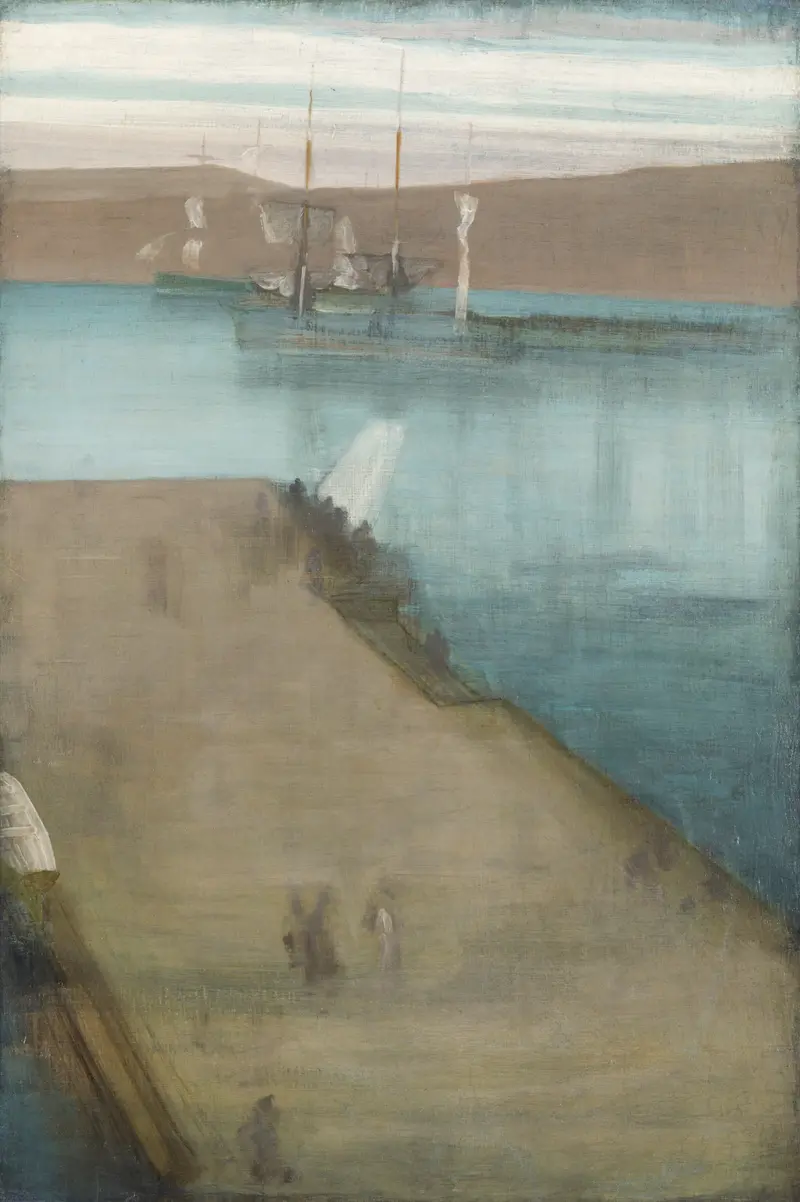
Valparaiso Harbor
James McNeill Whistler
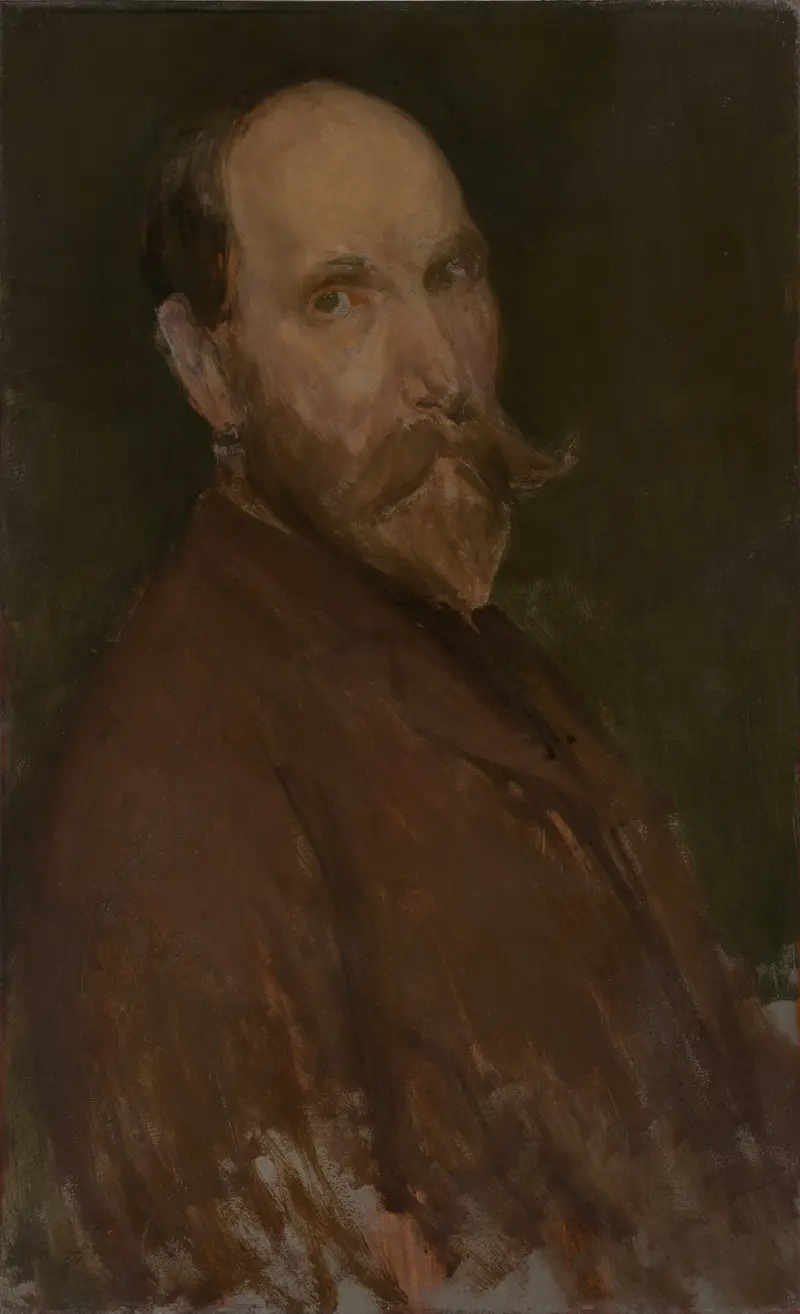
Charles Lang Freer
James McNeill Whistler