
The Bronx River — History & Facts
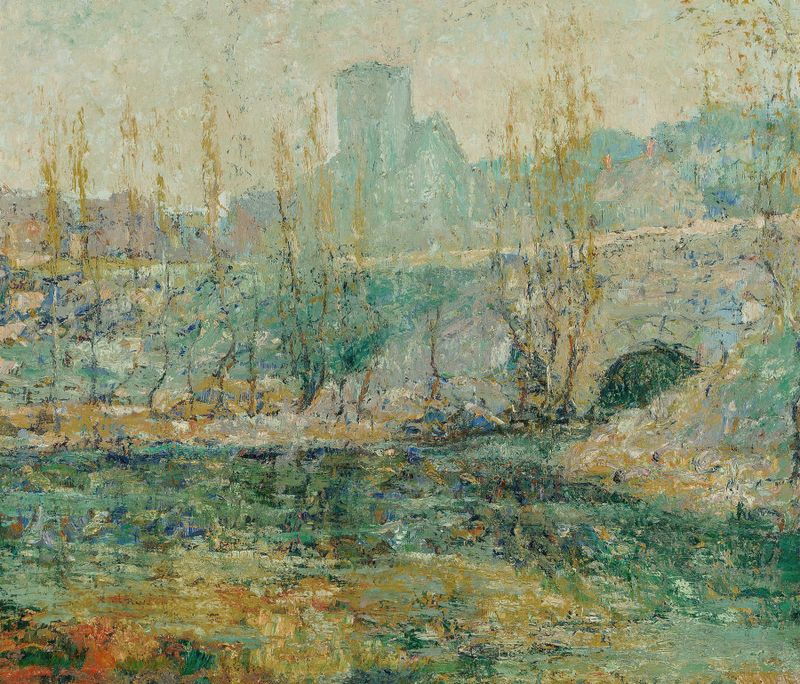
In The Bronx River, the fragility of nature emerges as a poignant reminder of the delicate balance between beauty and decay. Look to the foreground where the gentle curves of the river invite your gaze, glistening under flickering sunlight. The rich greens of the trees frame the composition, contrasting beautifully with the deep blue waters. Notice how the brushwork creates a sense of movement—each stroke a whisper of the wind, each ripple a fleeting moment caught in time.
The interplay of light and shadow adds depth, emphasizing the transient essence of the scene. Upon closer inspection, subtle shifts in color reveal hidden narratives: the way light dances on the water suggests a fleeting joy, while darker shades lurking at the edges evoke a looming unease. There’s a tension between the vibrant life depicted and the inevitable passage of time, as if each leaf sways to the silent reminder of its own fragility. The river, a symbol of both tranquility and change, embodies a deeper reflection on the human experience—our own temporality mirrored in nature. In 1910, Lawson was deeply influenced by the American Impressionist movement, capturing everyday scenes with a fresh perspective.
Working in the Bronx, he was often drawn to the interplay of urban and natural landscapes, responding to the rapid changes around him. During this period, he sought to preserve the beauty of the world before industrialization could alter it irreversibly, making his work a powerful testament to the fragility of the environment.
More Artworks by Ernest Lawson
Browse all →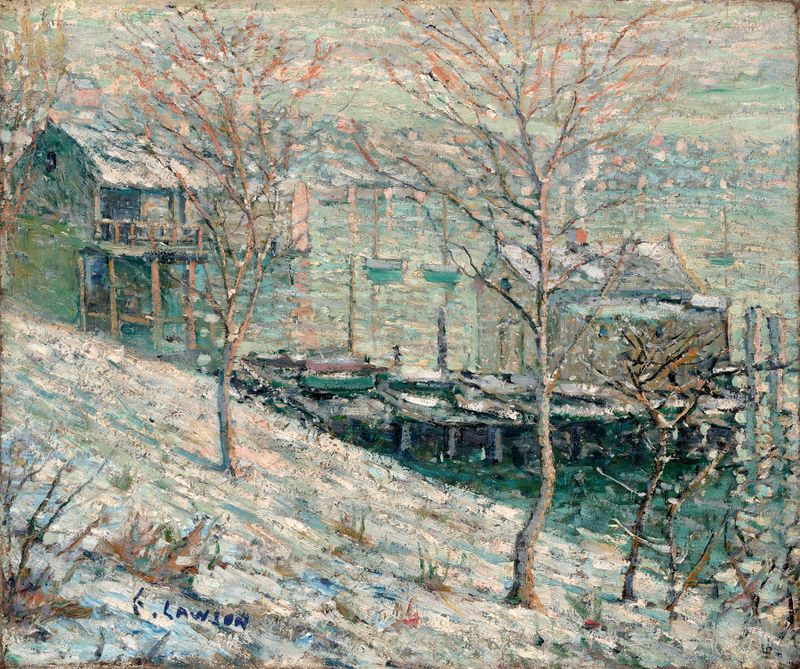
Harlem River Winter Scene
Ernest Lawson

Spring Night, Harlem River
Ernest Lawson

Upper Harlem River—Winter
Ernest Lawson
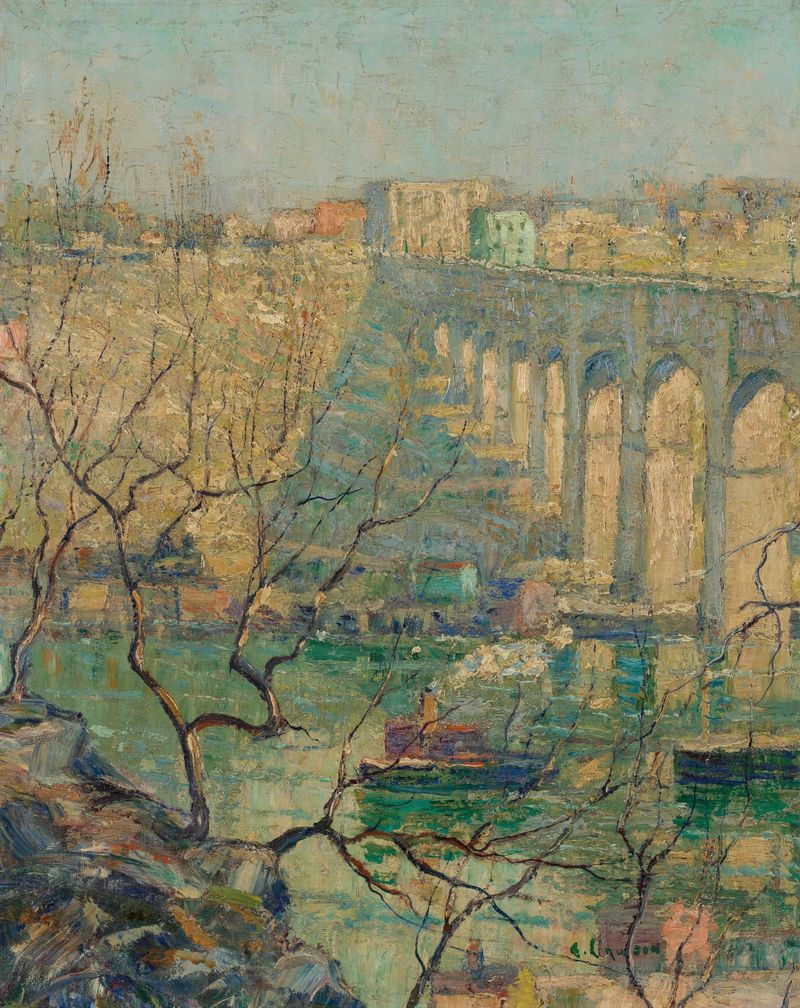
View of the Bridge
Ernest Lawson

A Bright Day, Spain (Segovia)
Ernest Lawson
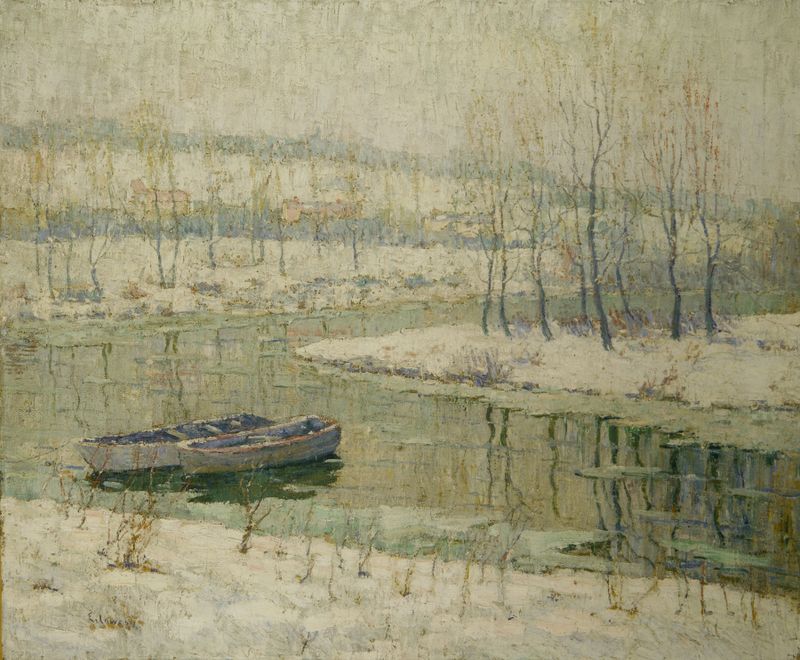
Spring thaw
Ernest Lawson

Road Down the Palisades
Ernest Lawson
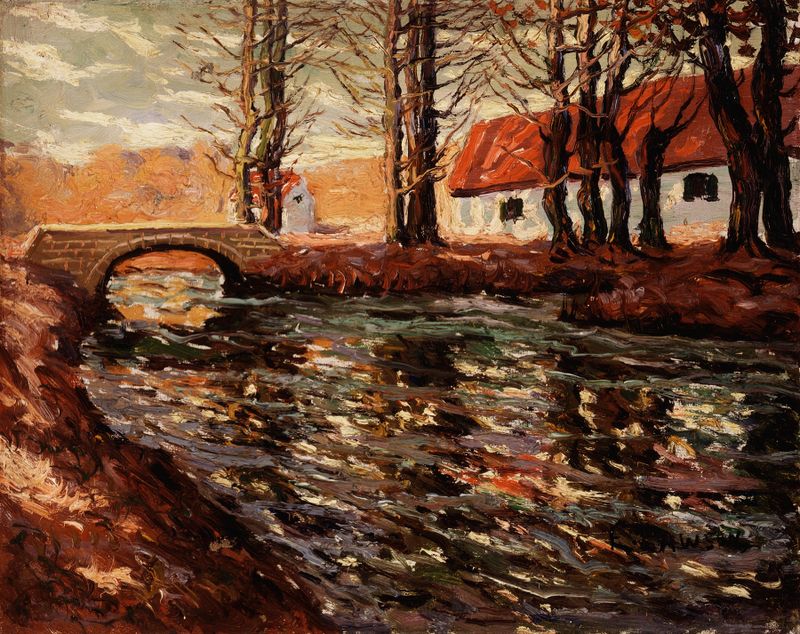
River Landscape
Ernest Lawson

The Mill
Ernest Lawson
The Pond and Gapstow Bridge, New York City
Ernest Lawson





