
The Calm Sea — History & Facts
What if beauty was never meant to be finished? In Gustave Courbet's The Calm Sea, a stillness unfolds that invites us to ponder the serenity inherent in nature, a serenity that echoes our own inner landscapes. Focus first on the gentle gradient of blues that stretches across the canvas, a tranquil sea meeting a hazy horizon. The soft brushwork captures the delicate interplay of light on water, each stroke revealing the subtle movement of waves that never fully break. Notice how Courbet's palette shifts from deep azure to ethereal cerulean, encapsulating both depth and calm, guiding your gaze toward the horizon where sky and sea dissolve into one. Yet within this calm lies a contrast—a tension between stillness and the infinite potential of the sea.
The water's surface reflects a world that feels almost suspended in time, suggesting the quiet before an awakening. Hidden in the composition is a suggestion that beauty is transient, evoking the bittersweet realization that moments of peace are often fleeting, and the world beyond may soon awaken with tumultuous change. Courbet painted this piece in 1869 during his time in the coastal town of Étretat, a period marked by his celebration of real-life landscapes. It was a time of artistic exploration, characterized by a break from traditional representations towards a more honest portrayal of nature.
As he captured the stillness of the sea, Courbet was also navigating the shifting tides of the art world, advocating for realism while forging an identity that resonated with both nature and humanity.
More Artworks by Gustave Courbet
Browse all →
Marine
Gustave Courbet
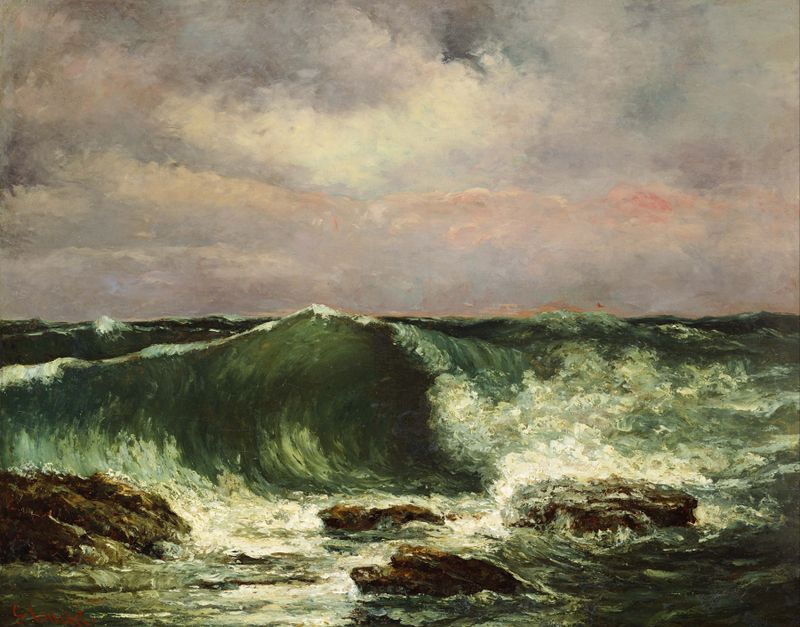
Waves
Gustave Courbet

Étretat; Les Falaises
Gustave Courbet
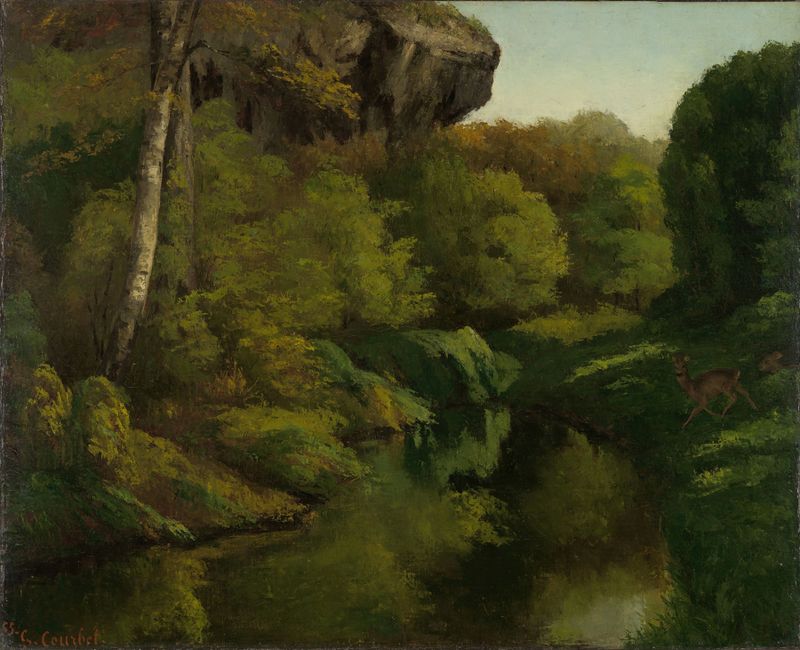
View in the Forest of Fontainebleau
Gustave Courbet
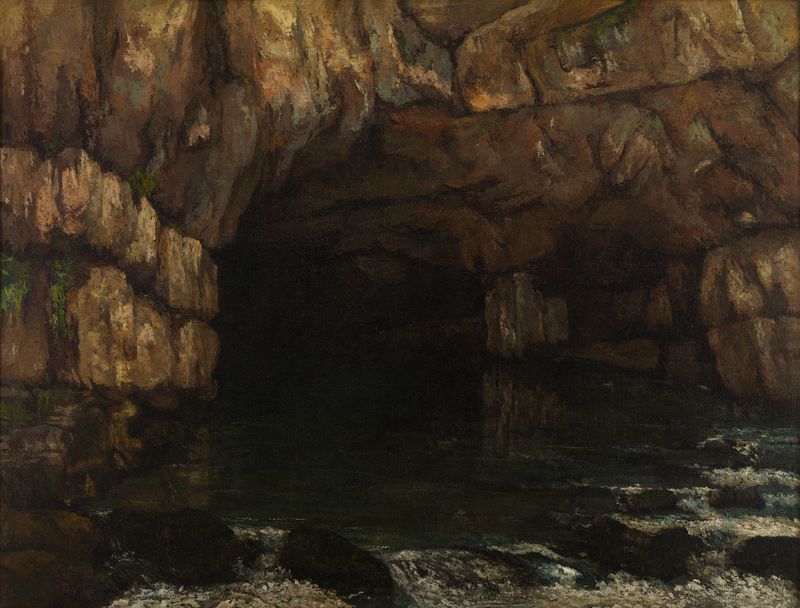
La source de la Loue (The Source of the Loue)
Gustave Courbet

Low Tide at Trouville
Gustave Courbet
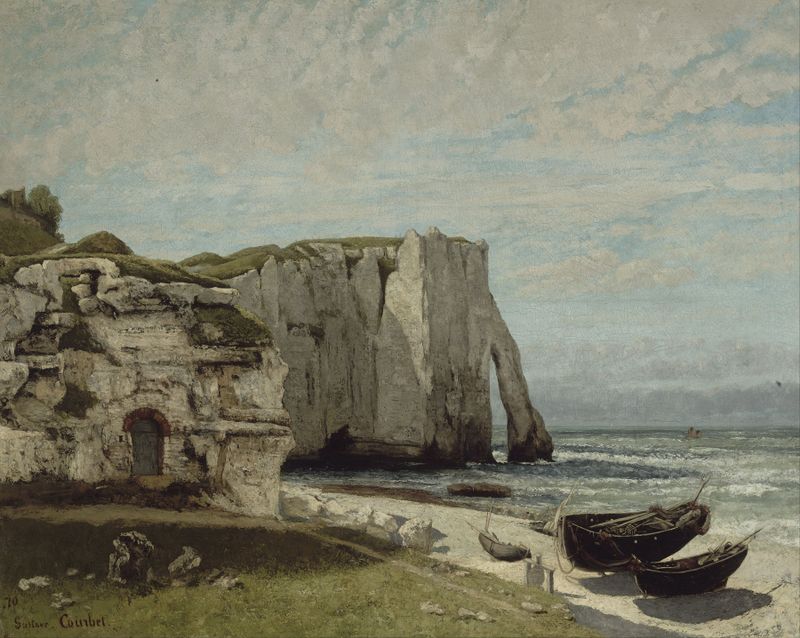
The Etretat Cliffs after the Storm
Gustave Courbet
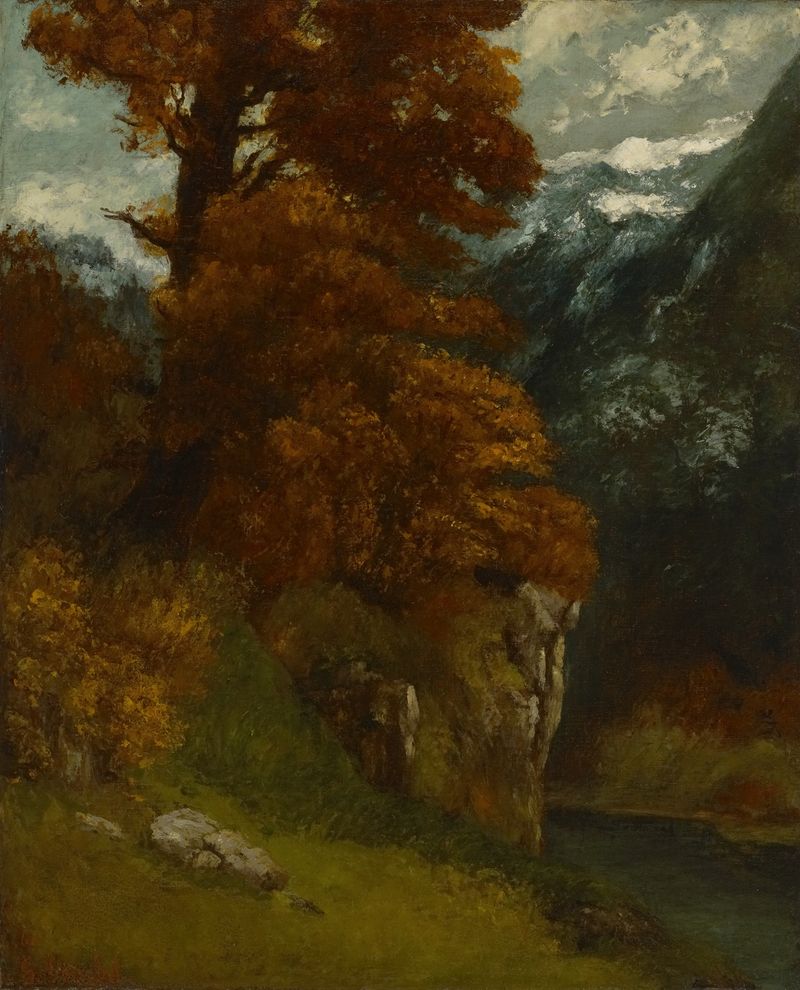
The Glen at Ornans (Bords du Doubs; Effet d’Automne)
Gustave Courbet
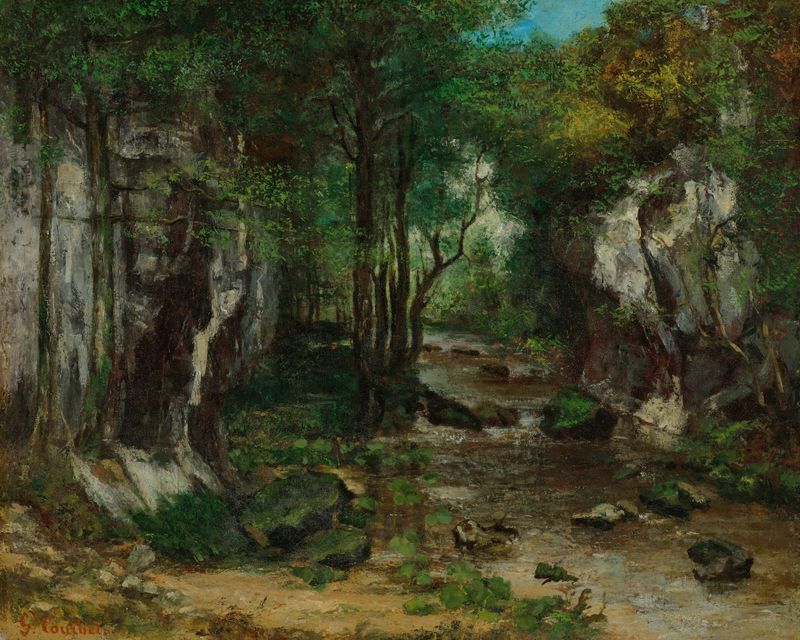
Le Ruisseau de Puits Noir
Gustave Courbet
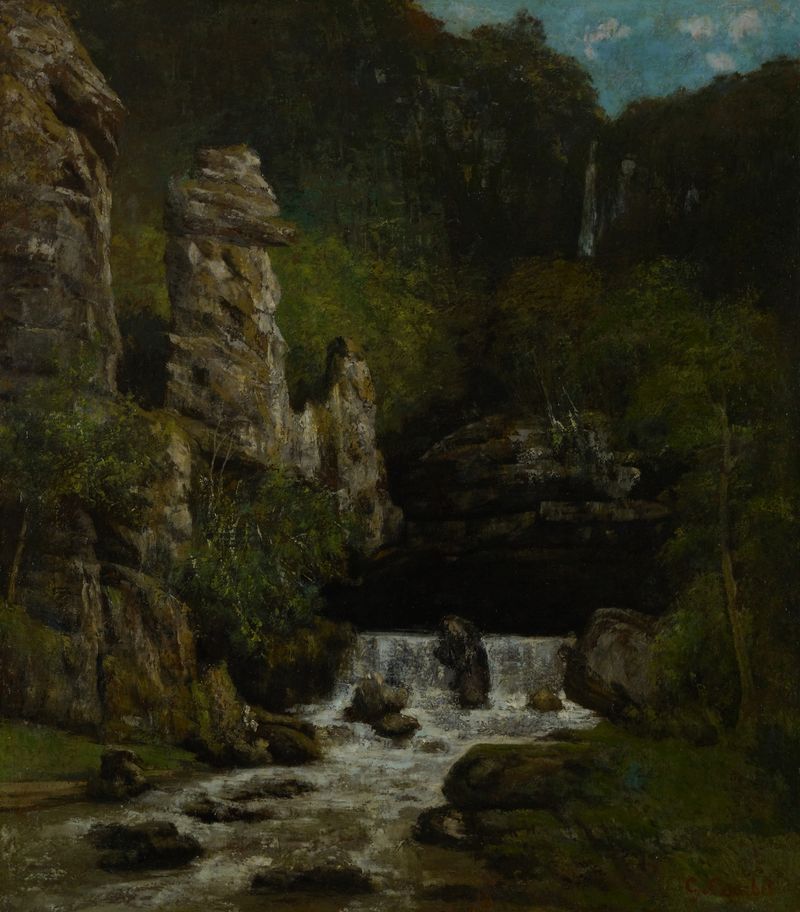
Landscape with a Waterfall
Gustave Courbet





