The Cascade at Tivoli — History & Analysis
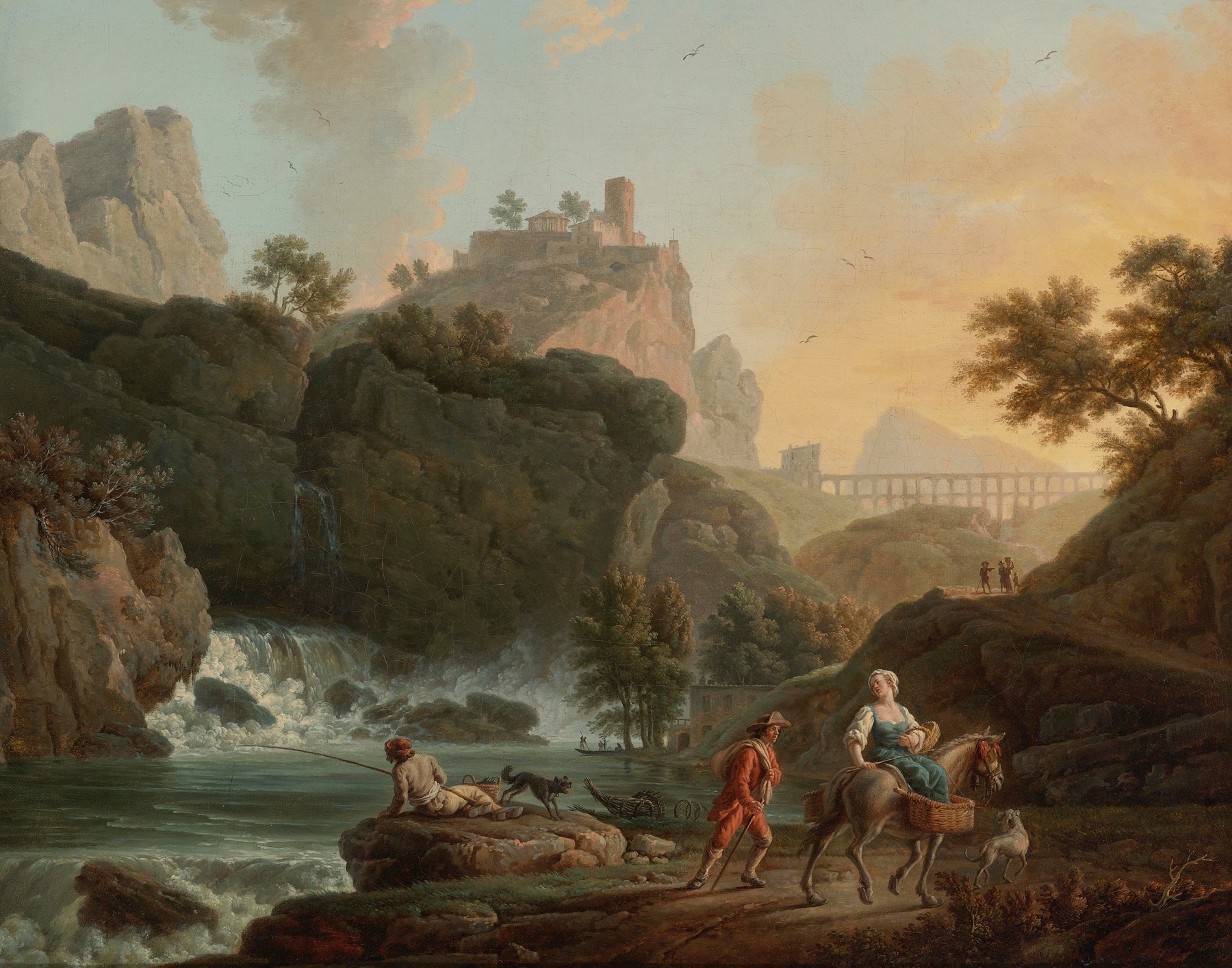
Who listens when art speaks of silence? In an age where nature's grandeur meets the whisper of human ambition, one can find ecstasy nestled within the tranquil folds of a landscape. Focus first on the cascading waters tumbling down the rocks, the centerpiece of this mesmerizing work. The white foam contrasts with the deep greens and earthy browns of the surrounding foliage, creating a harmonious balance of color that draws the viewer’s eye. Notice how light dances upon the water’s surface, capturing fleeting moments of brilliance that evoke a sense of movement, as if the scene is alive.
The careful arrangement of trees and distant hills guide the gaze to the horizon, leading to the soft blue sky that envelops the scene. Delve deeper into the painting's emotional landscape, where ecstasy intertwines with serenity. The vibrant foliage on the left juxtaposes the rocky terrain on the right, symbolizing nature's duality—its wild beauty and its unyielding strength. The interplay of light and shadow evokes the passage of time, suggesting that even in the stillness, nature is in constant flux.
Each detail, from the delicate ripples in the water to the sturdy cliffs, speaks to the timelessness of the natural world, inviting reflection on our place within it. Painted in the mid-18th century, during a period of burgeoning romanticism in art, this masterpiece emerged as Vernet sought to capture the sublime beauty of landscapes. Working in Tivoli, near Rome, he was influenced by the picturesque ideals of the time, a movement that emphasized nature's beauty and emotional depth. Vernet's rendering of this scene not only showcases his technical prowess but also reflects a cultural shift towards appreciating the grandeur and emotional resonance of the natural world.