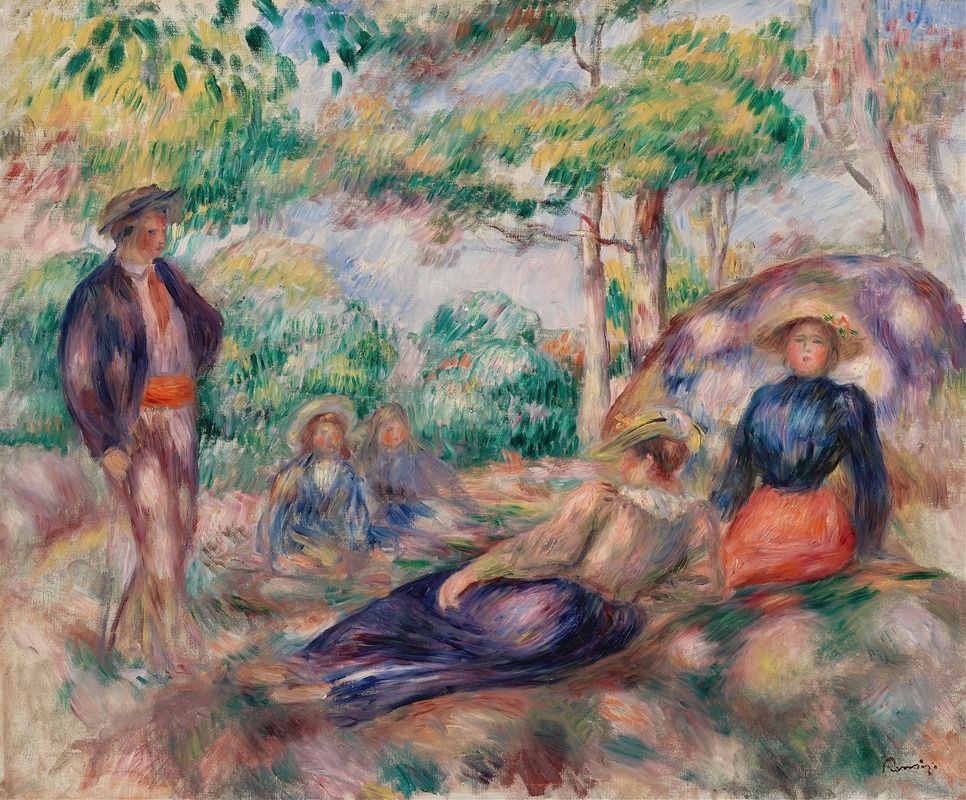
Discover insights about this artwork
The circus — History & Facts
In The Circus, Henri Matisse presents a vibrant scene filled with bold colors and dynamic figures. The painting features acrobats, clowns, and animals, all set against a colorful backdrop. Matisse uses a palette of reds, yellows, and blues to create an energetic atmosphere.
The composition is lively, drawing the viewer into the joyful chaos of the circus. The painting is an oil on canvas, showcasing Matisse's signature style of bold color and simplified forms. The dimensions are approximately 100 x 150 cm, making it a sizable work that commands attention. The brushwork is fluid, emphasizing movement and rhythm within the scene.
Matisse's technique allows the figures to blend seamlessly with the vibrant background. Henri Matisse created The Circus during a period when he was exploring themes of joy and movement. This work reflects his fascination with the circus as a symbol of freedom and creativity. Interestingly, Matisse was inspired by his own experiences attending circus performances, which influenced his artistic approach.
The painting is now housed in the Musee d'Orsay, where it continues to captivate audiences.
More Artworks by Henri Matisse
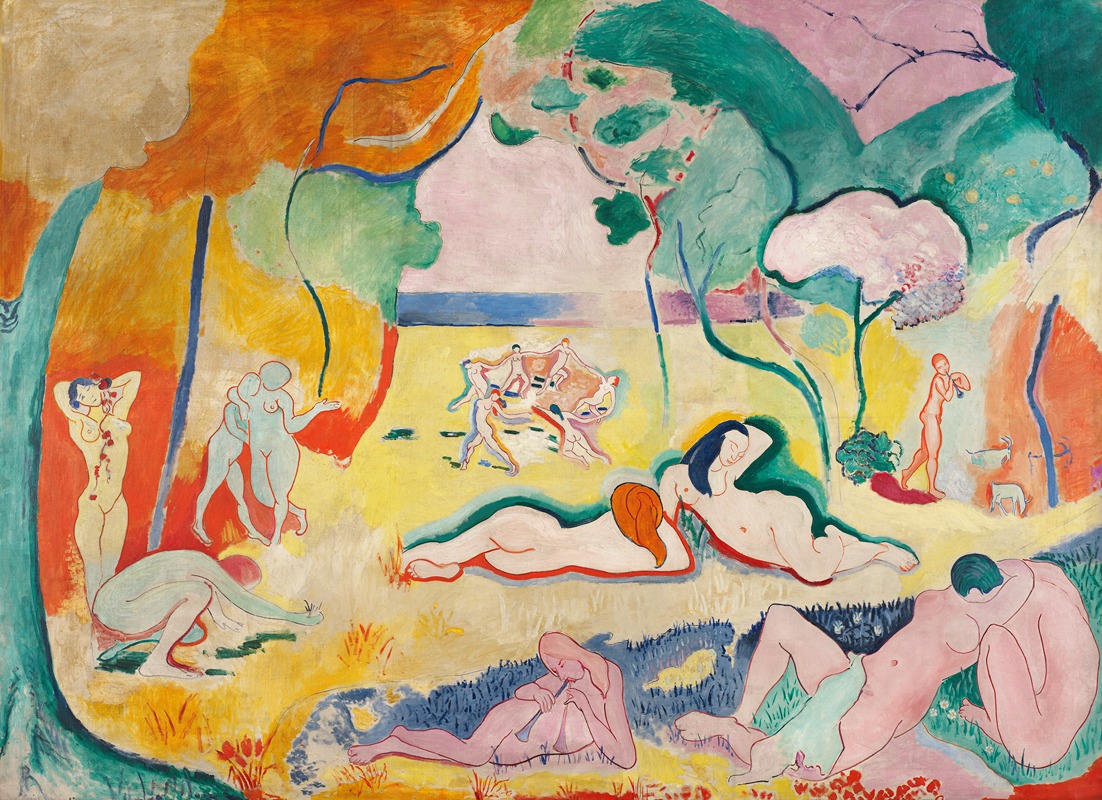
Le Bonheur de vivre, also called The Joy of Life
Henri Matisse
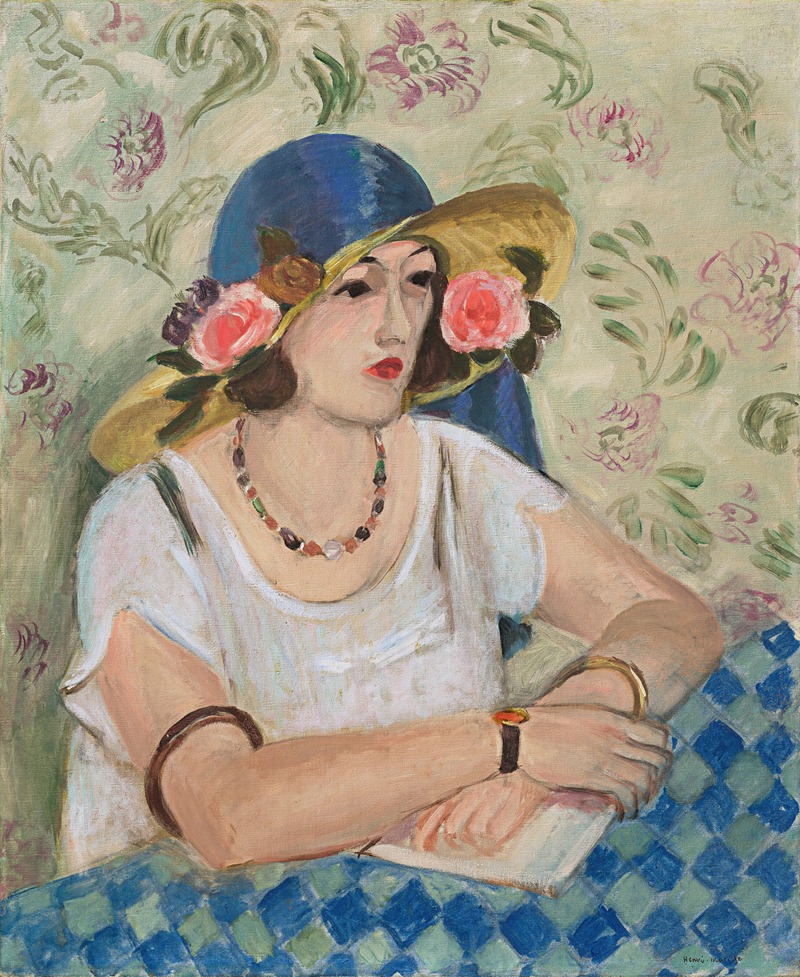
Femme au chapeau fleuri
Henri Matisse
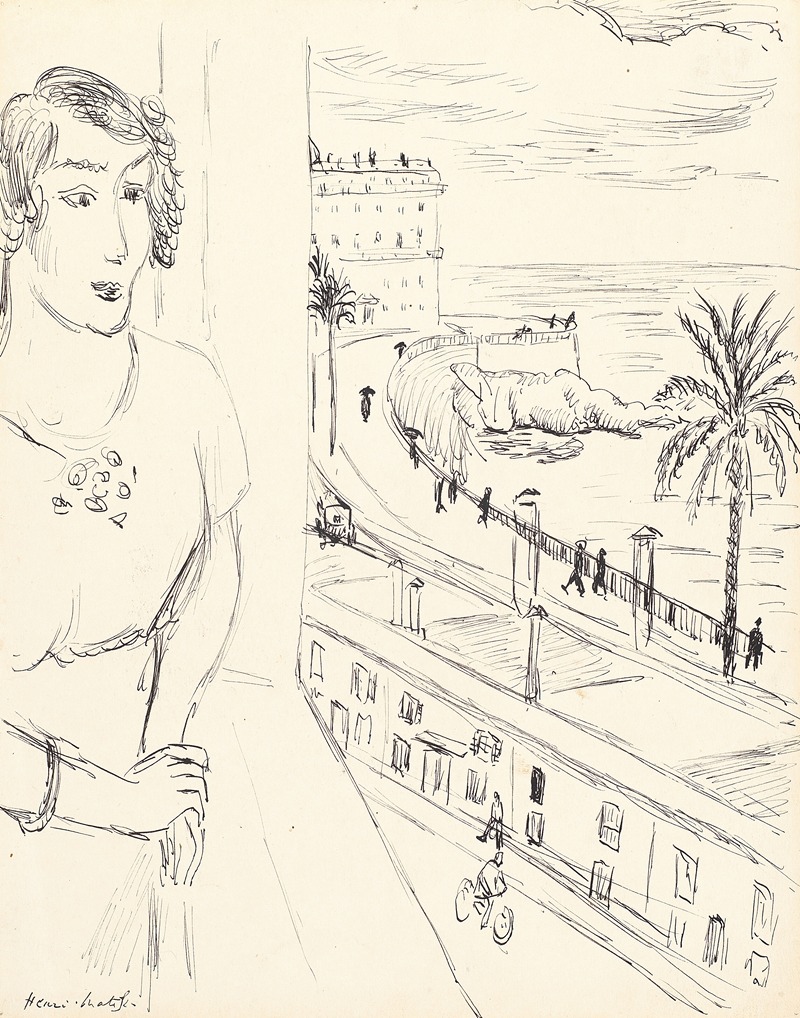
Femme près de la fenêtre, Nice
Henri Matisse
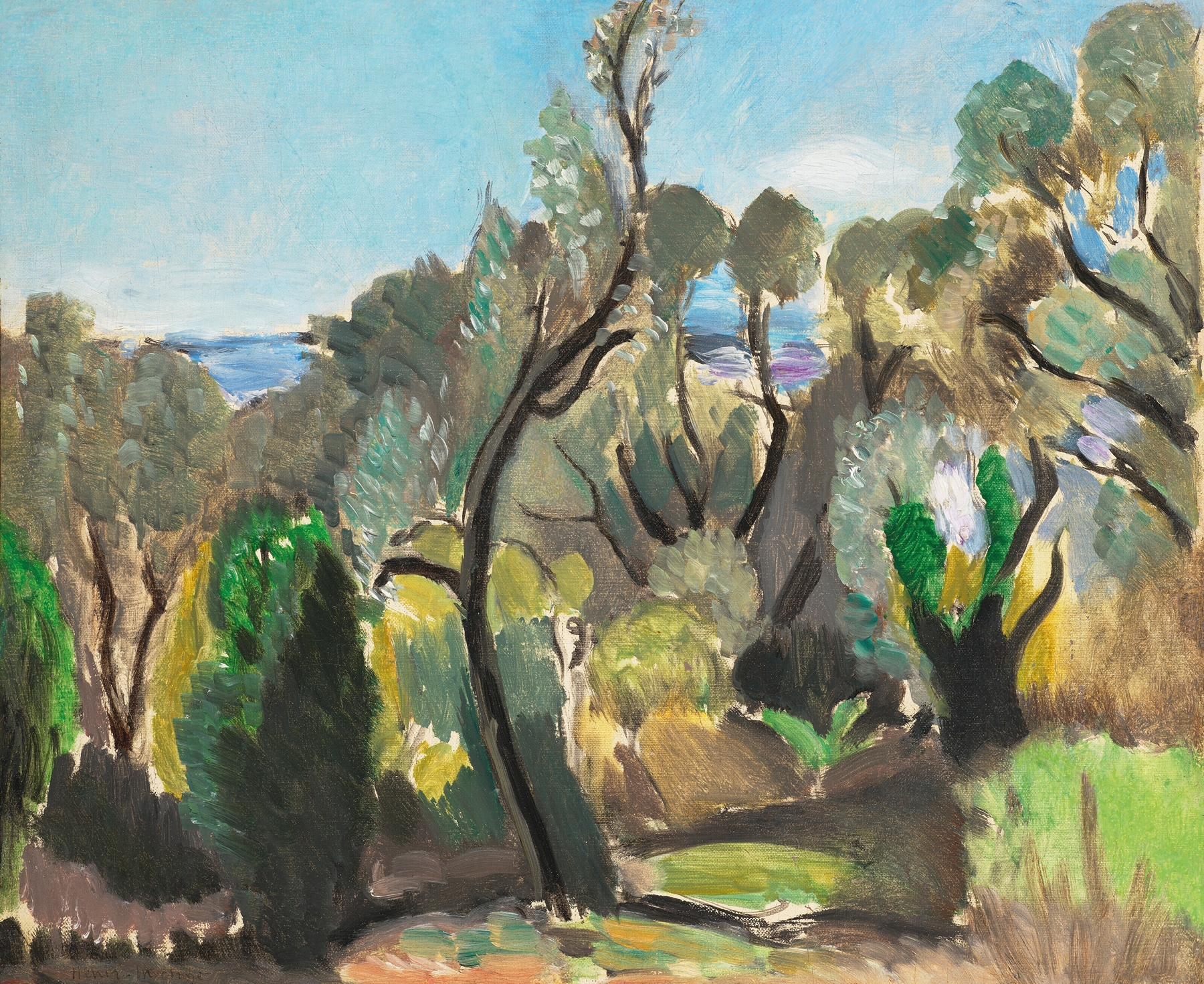
Paysage aux environs de Nice ou Les Oliviers ou Coin du Mont-Boron
Henri Matisse
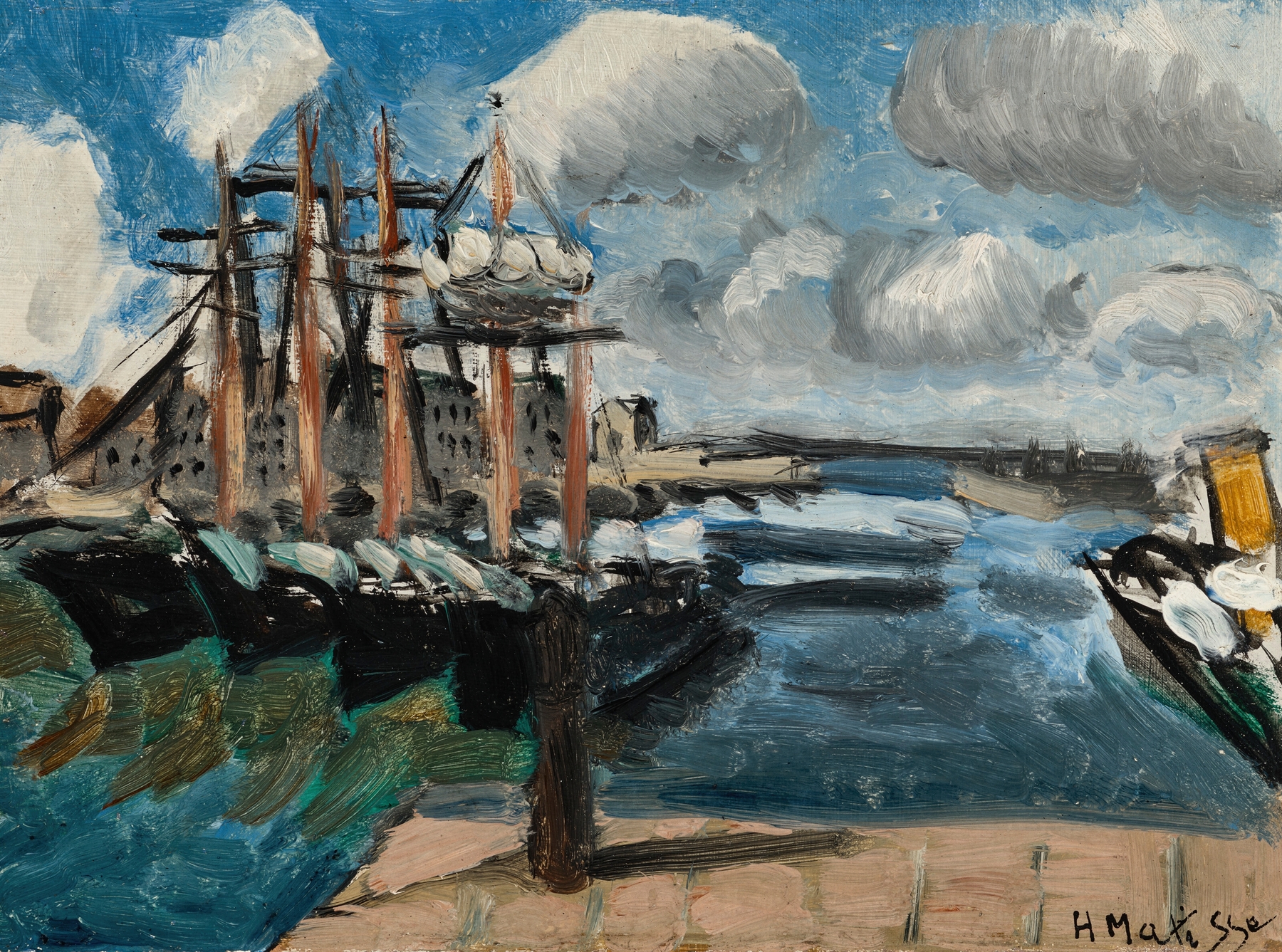
Port de Cherbourg
Henri Matisse
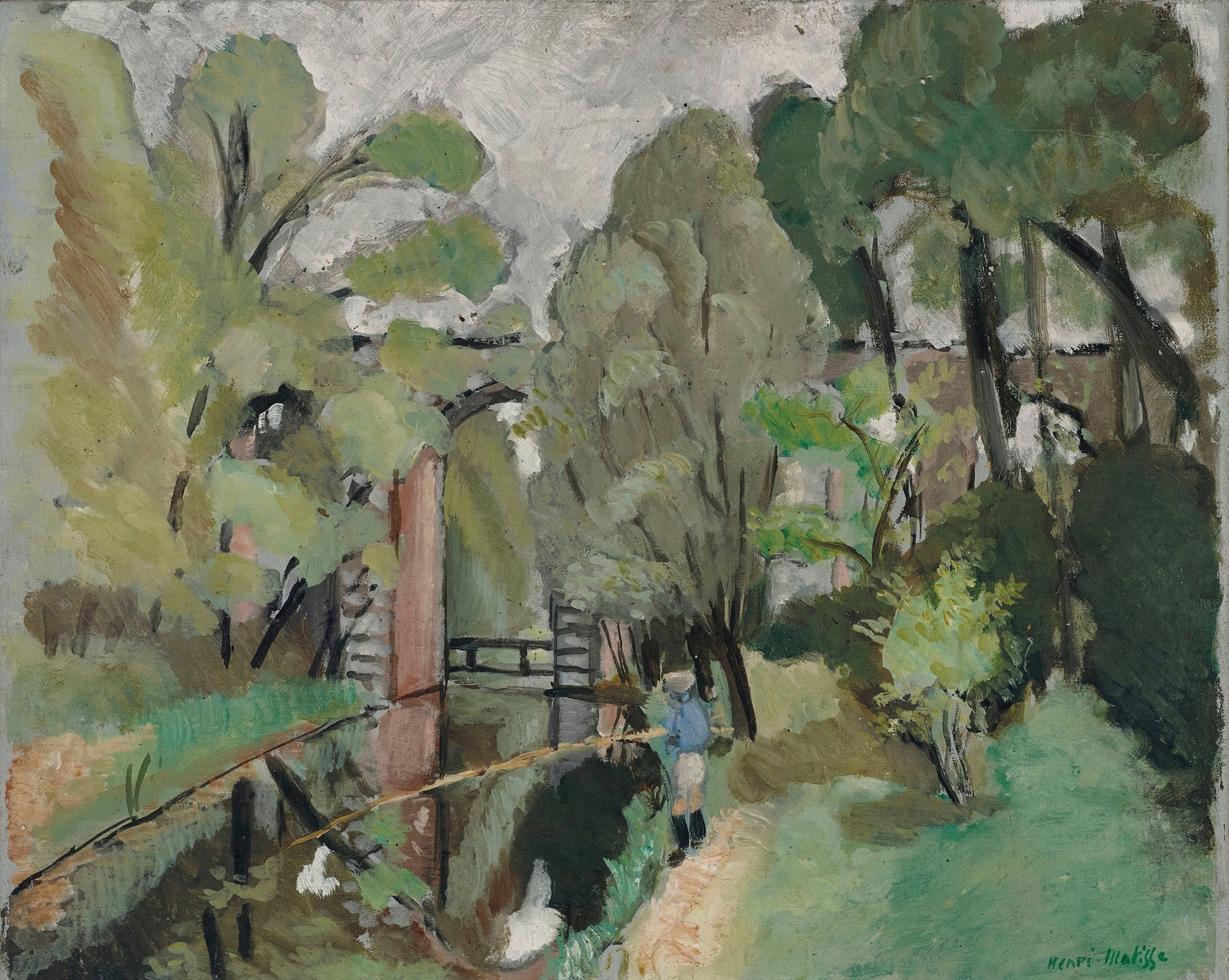
Le Petit pêcheur, Maintenon
Henri Matisse
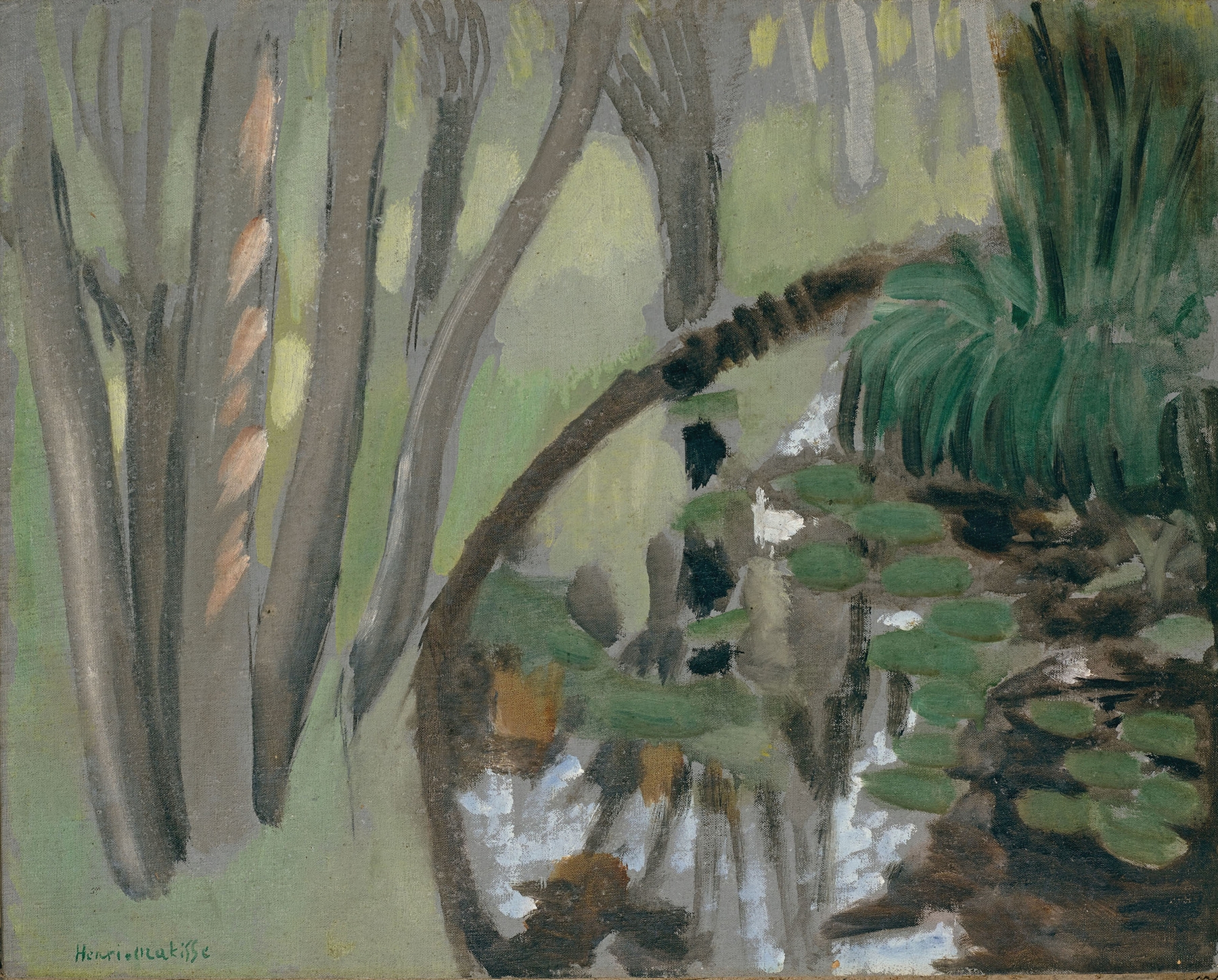
Le ruisseau, Maintenon
Henri Matisse
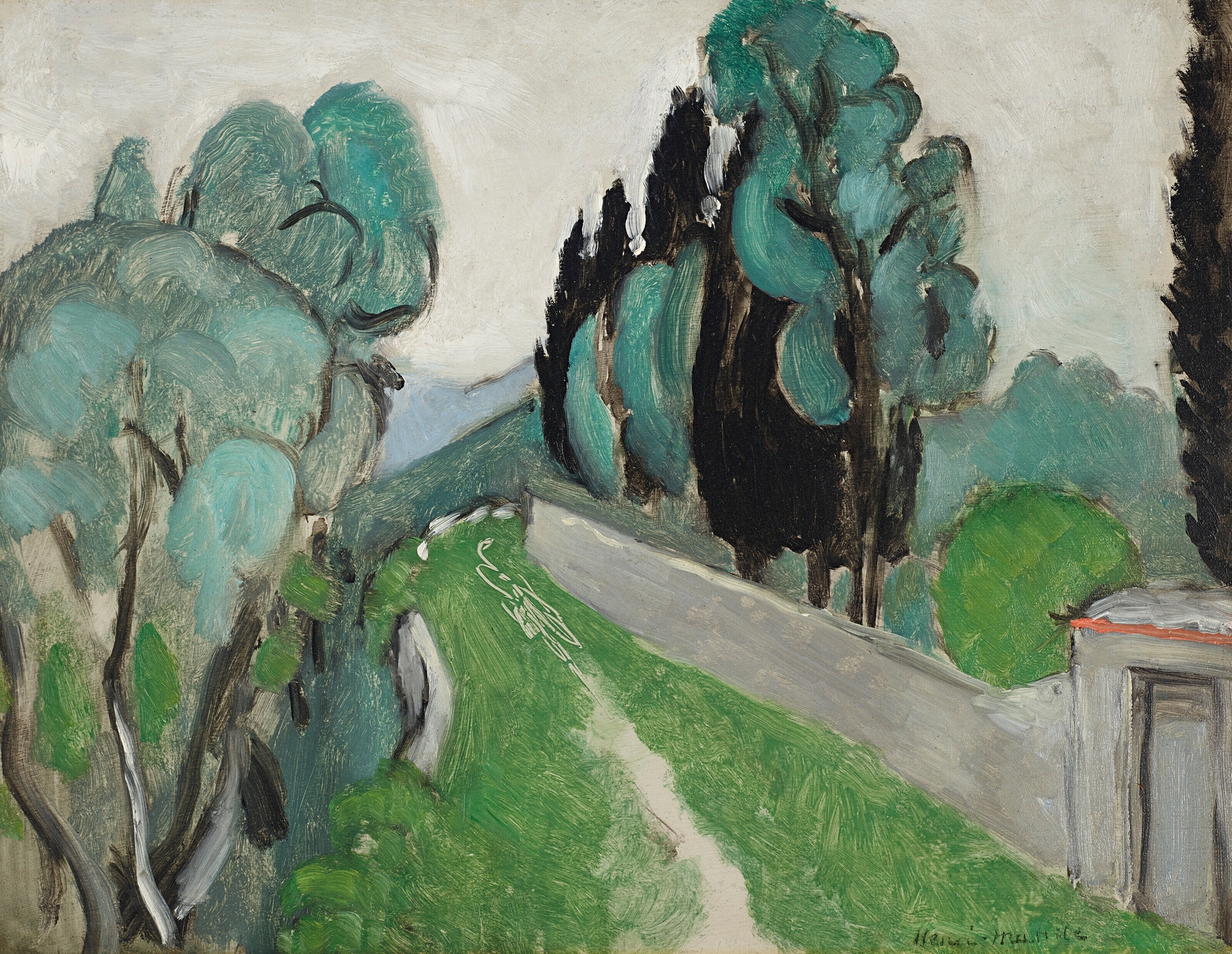
Paysage avec cyprès et oliviers aux environs de Nice
Henri Matisse
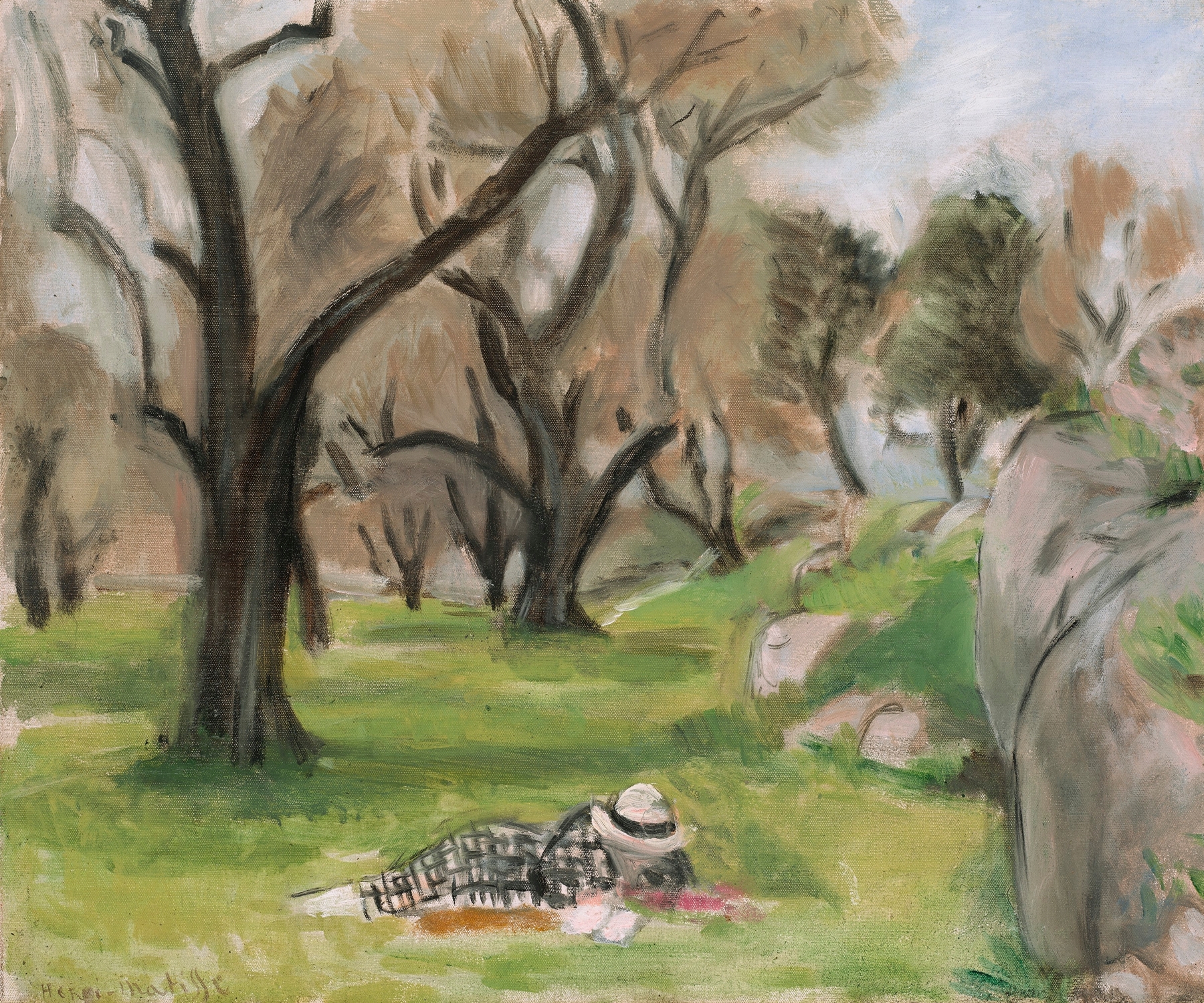
Paysage du Midi
Henri Matisse
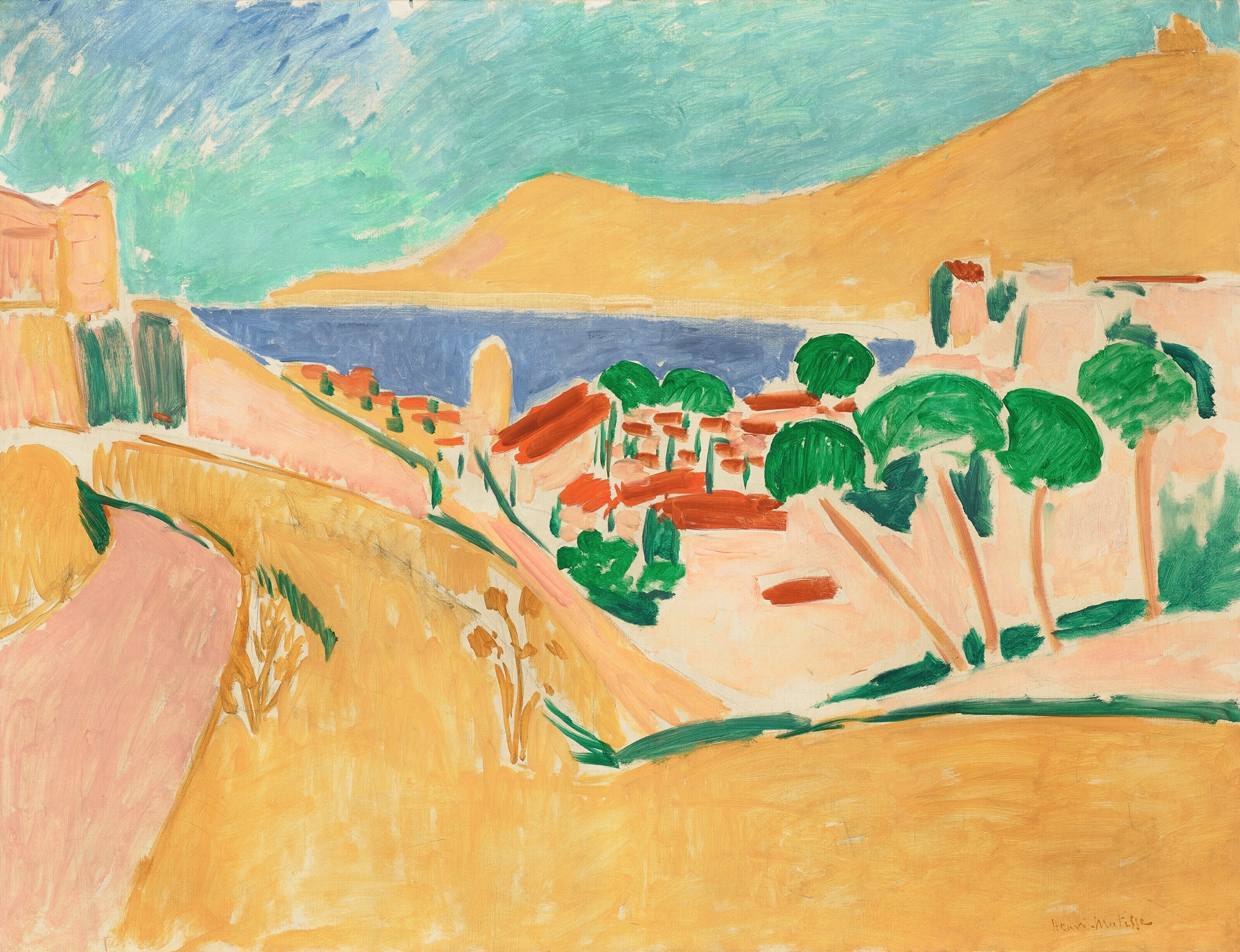
Collioure en août
Henri Matisse