
The Cliff, Bay of Saint Malo — History & Facts
What if beauty was never meant to be finished? In the interplay of light and shadow, we find a glimpse of the sublime, both fleeting and eternal. Notice how the eye is drawn to the delicate strokes that capture the rugged cliffs, each contour alive with texture and depth. Focus on the shades of blue that dance across the water, contrasting with the warm tones of the sunlit rocks. The careful layering of color not only defines the landscape but imbues it with a sense of movement, as if nature itself were breathing within the frame. Hidden beneath the surface of this seascape lies a tension between permanence and ephemerality.
The shadows stretch languidly, hinting at the passing of time and the inevitability of change. While the cliffs stand resolutely against the crashing waves, the shifting light symbolizes the transient beauty of the moment, reminding us that perfection lies in the impermanent. This duality invites reflection on our own experiences with beauty — is it more meaningful when it teeters on the edge of existence? Félix Hilaire Buhot painted The Cliff, Bay of Saint Malo between 1886 and 1890, during a period of great experimentation in the French art world.
Residing in Paris, he was influenced by the Impressionist movement, which sought to capture the essence of a moment through light and color. This painting reflects his keen observation of nature, as well as his desire to explore the interplay of shadow and luminosity, a theme that resonated with many artists amid the shifting cultural landscape of late 19th-century France.
More Artworks by Félix Hilaire Buhot
Browse all →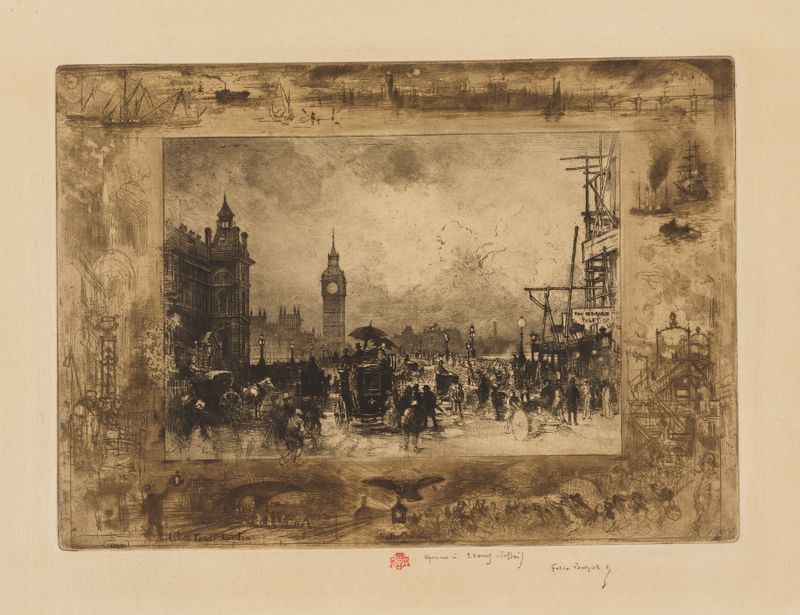
Westminster Bridge, or Westminster Clock Tower
Félix Hilaire Buhot
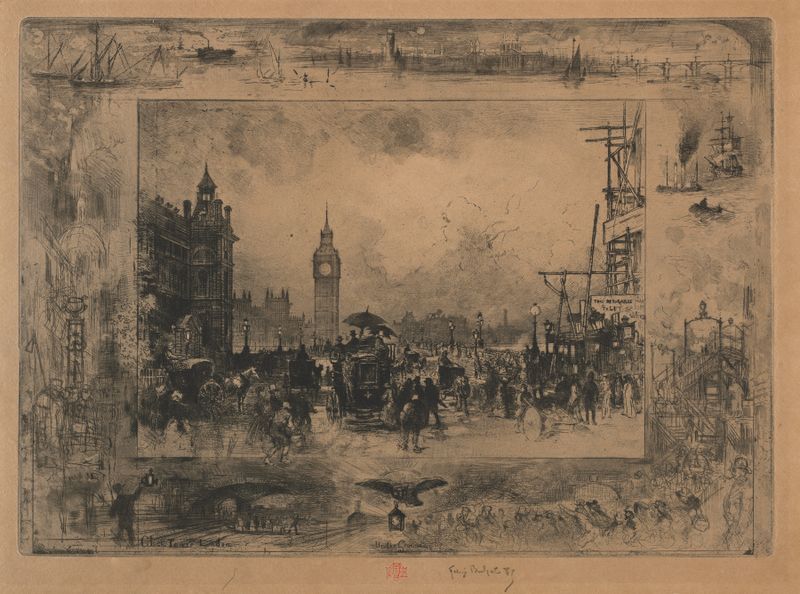
Westminster Bridge, or Westminster Tower
Félix Hilaire Buhot
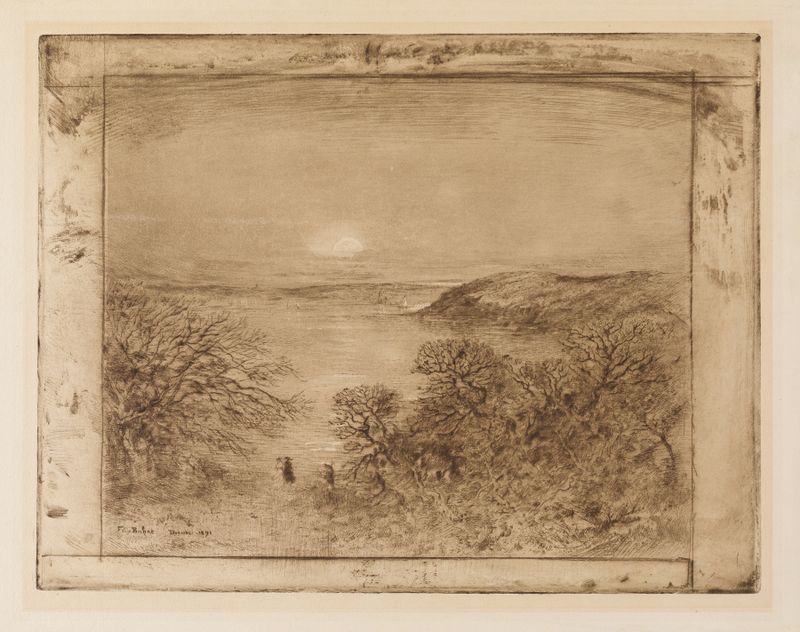
Moonrise at Dinard
Félix Hilaire Buhot
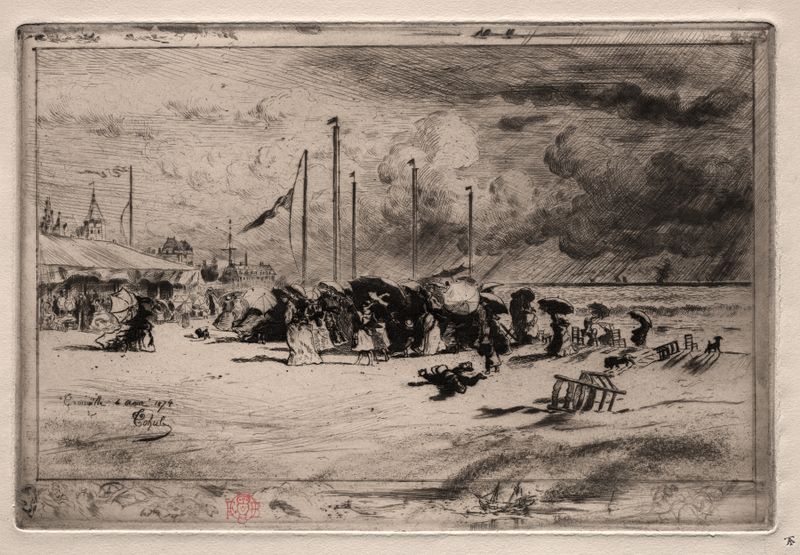
A Squall at Trouville
Félix Hilaire Buhot
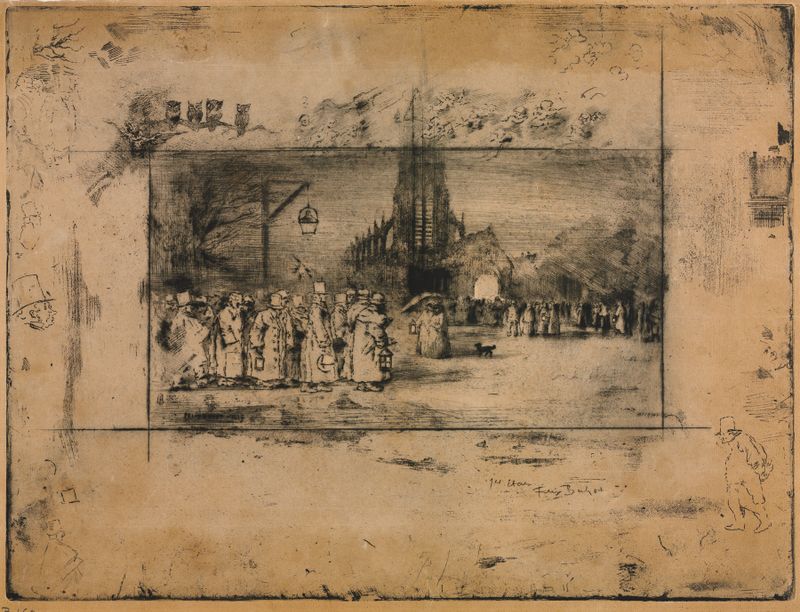
The Midnight Mass
Félix Hilaire Buhot
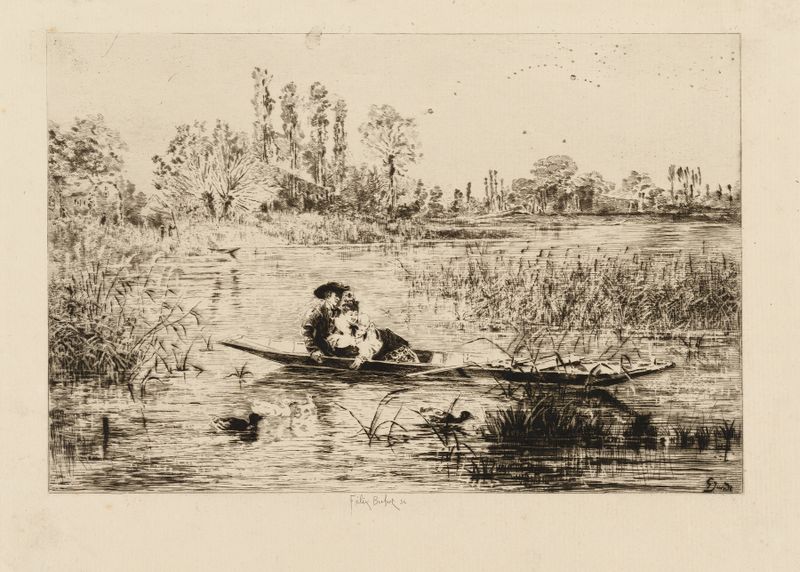
On the Thread of the Water
Félix Hilaire Buhot
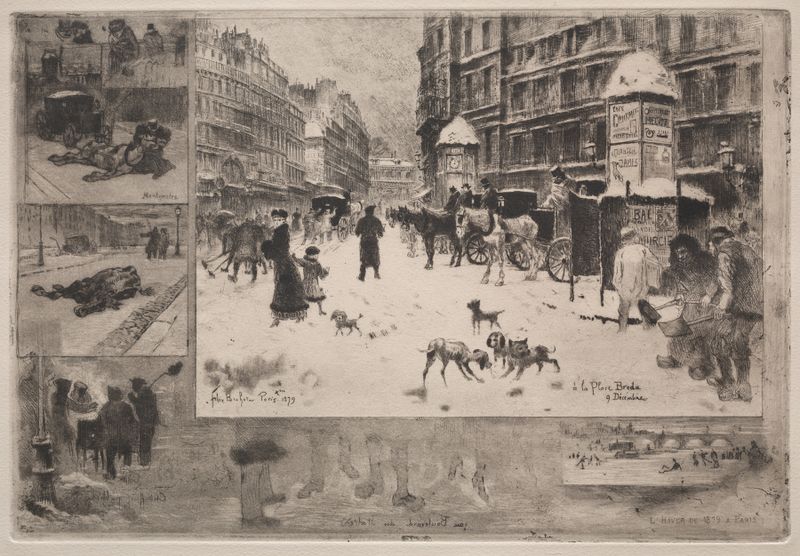
Winter in Paris
Félix Hilaire Buhot
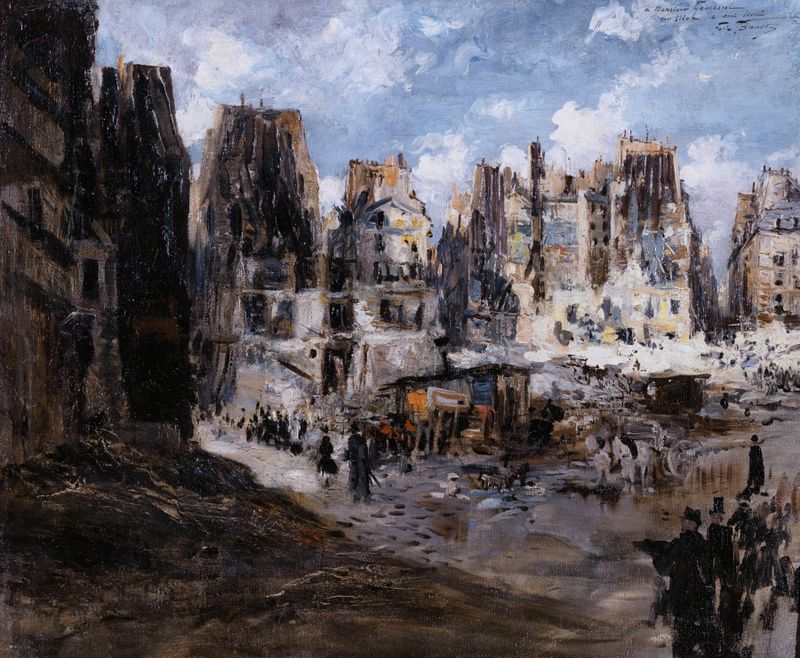
Le percement de l’avenue de l’Opéra.
Félix Hilaire Buhot
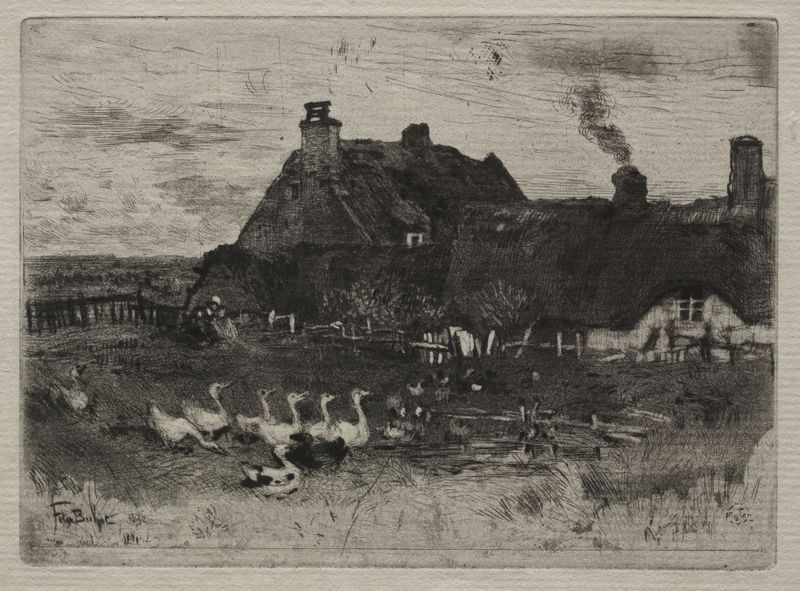
Thatched Cottages
Félix Hilaire Buhot
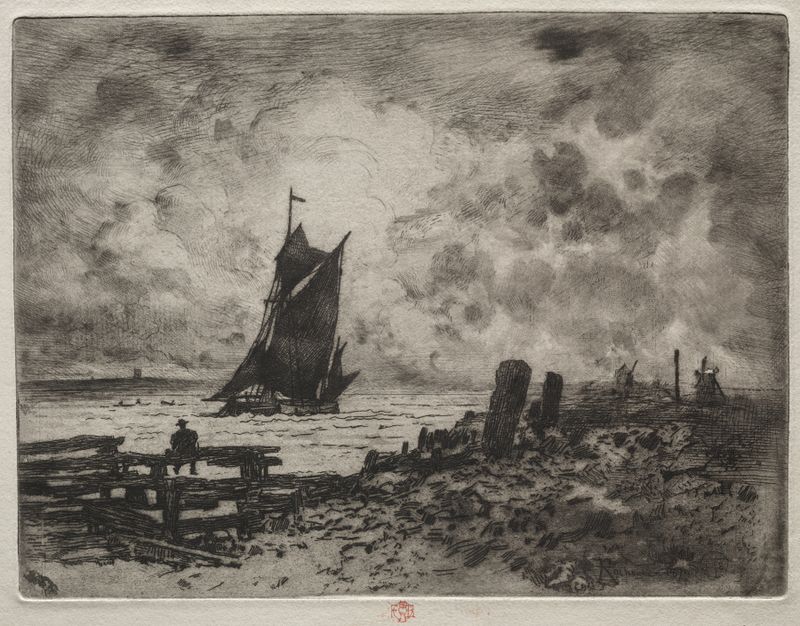
The Little Marine; Souvenir of Medway
Félix Hilaire Buhot





