
The Cliffs of Dover; The Cliffs at South Foreland — History & Facts
What secret hides in the quiet of the canvas? In the depths of nature’s serenity lies an undercurrent of chaos, waiting to be discovered. Look to the left at the imposing white cliffs, their stark, chiseled edges standing defiantly against the expansive sky. Notice how the artist captures the gentle play of light upon the surface, illuminating the textures of the rock, while shadows loom, hinting at the tumult beneath. A wash of pale blues and soft grays envelops the scene, evoking a sense of calm that contrasts sharply with the turbulent sea below, marked by frothy waves crashing against the shore. Yet, beyond the immediate beauty, there is an emotional tension between the cliffs and the water.
The juxtaposition of solid earth against the ever-changing sea embodies the struggle between permanence and impermanence. Delve deeper into the delicate nuances of the clouds overhead, which swirl and twist, representing the unpredictable nature of existence itself. Each brushstroke tells a story of chaos hidden within stillness, of potential storms that threaten to disrupt the placid scene. In 1892, the artist created this work during a period of artistic experimentation, blending Impressionist influences with a focus on the natural landscape.
Working in England, Finch was part of a movement that sought to capture the fleeting effects of light and atmosphere. At that time, the art world was shifting, and he found inspiration in both the familiar coastline and the emotional depths it could convey.
More Artworks by Alfred William Finch
Browse all →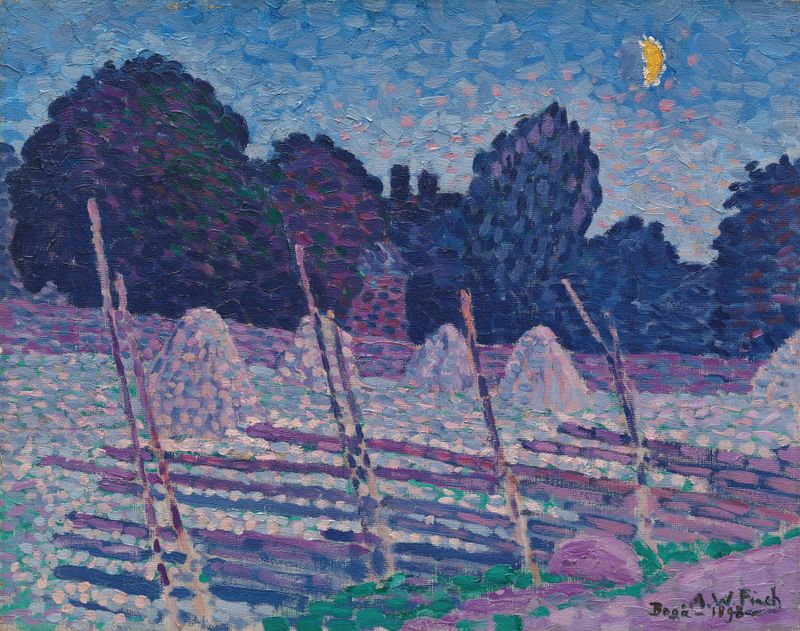
An August’s Night
Alfred William Finch
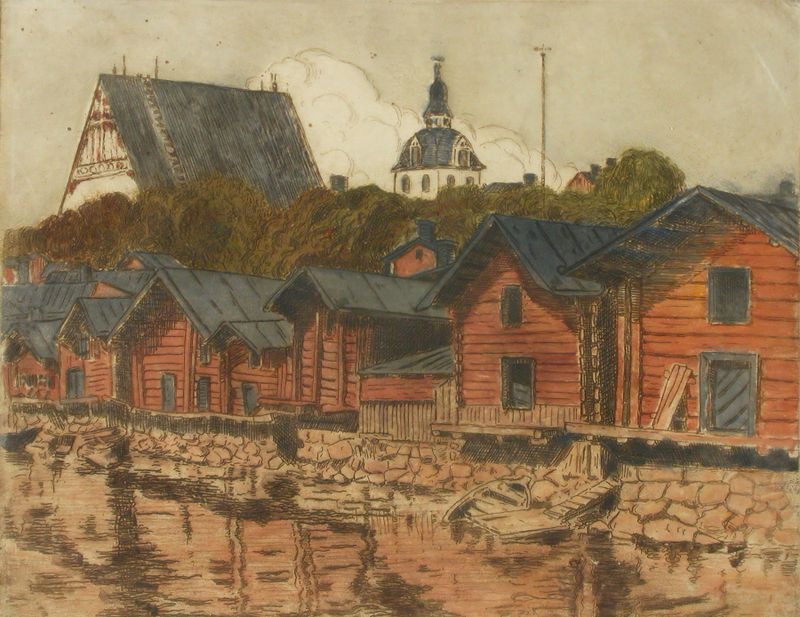
Porvoon ranta-aittoja
Alfred William Finch
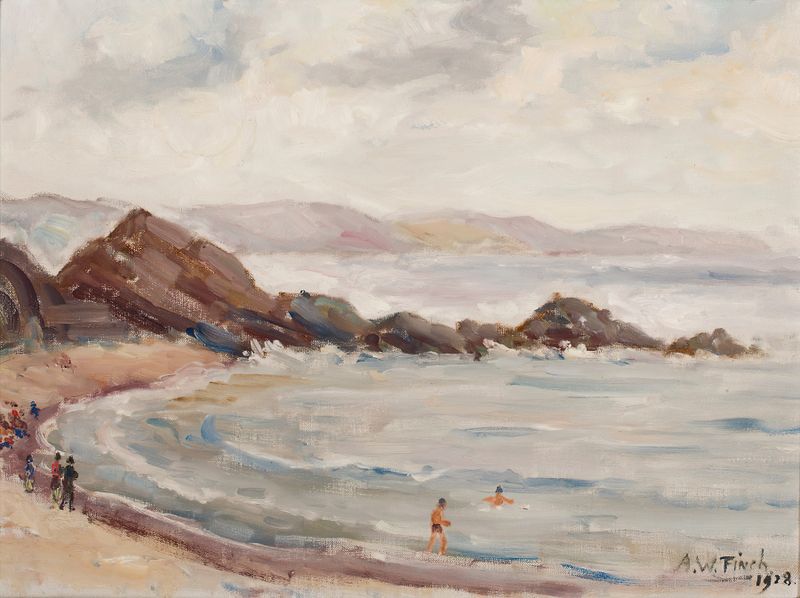
Looen rantaa
Alfred William Finch

Richmond, a River Landscape
Alfred William Finch
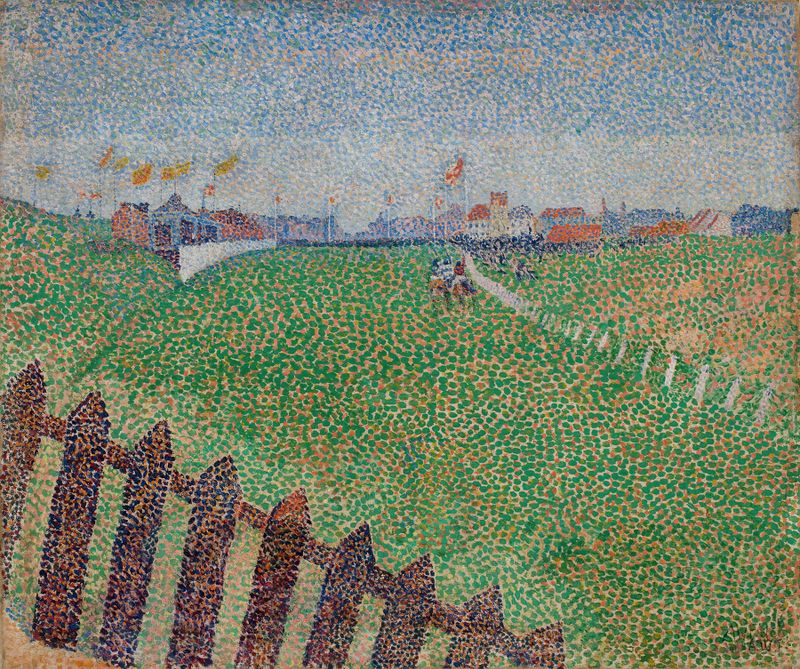
The Wellington Racecourse in Drizzle (Ostende)
Alfred William Finch
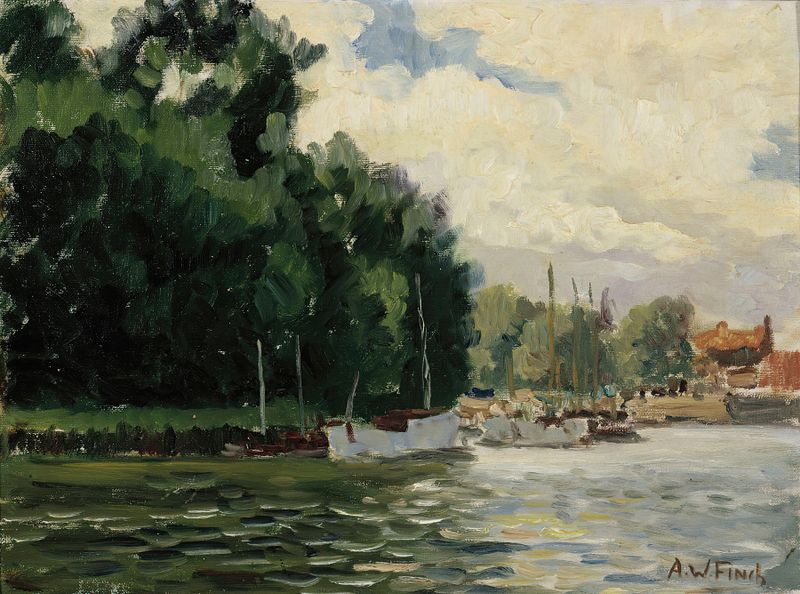
Richmond, Thames
Alfred William Finch
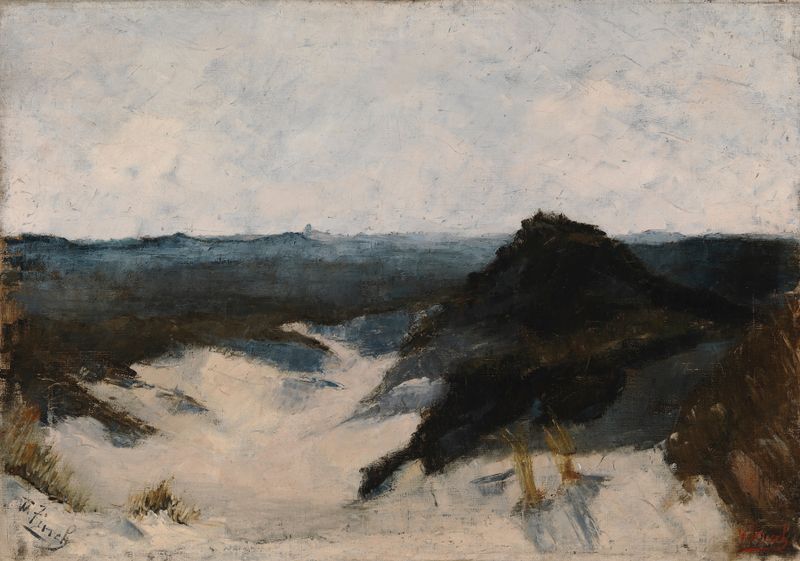
Shore View, Knocke
Alfred William Finch
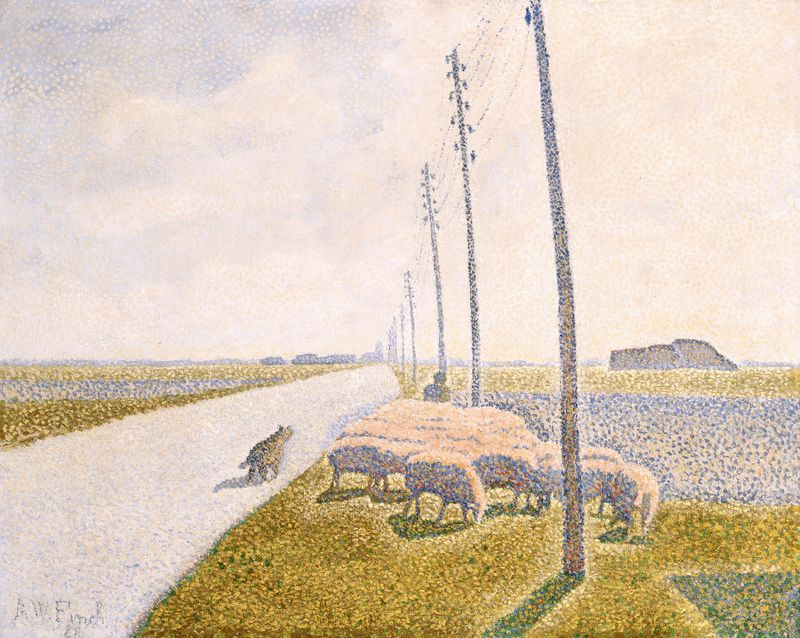
The Road to Nieuport
Alfred William Finch

Bushes
Alfred William Finch
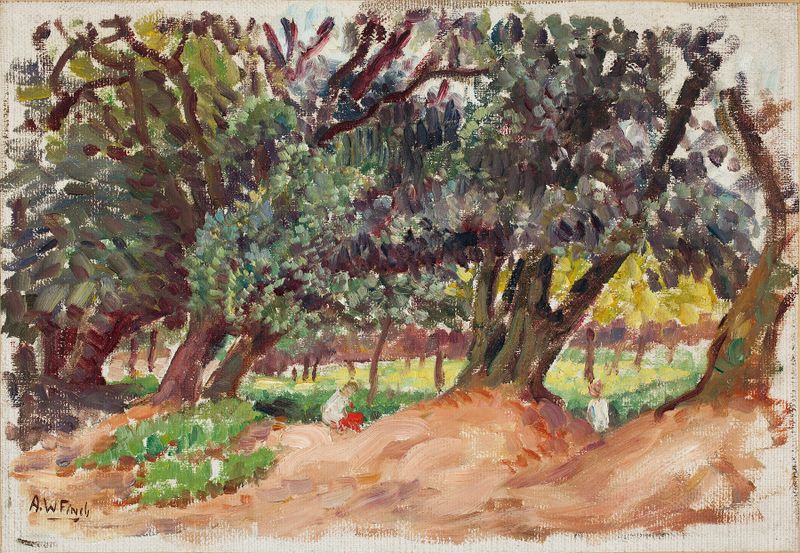
Puistokuva Englannista
Alfred William Finch





