
The Cloudy Day — History & Facts
A single tree stands sentinel against a vast, unsettled sky, drawing the viewer’s gaze upward and outward into the hush of the landscape. In The Cloudy Day, Alexander Helwig Wyant uses the low horizon to grant the sky its full, commanding presence, letting the land recede into shadow and subtle texture. The muted palette of browns and greys, punctuated by the vertical trunk, creates a quiet tension—one that asks the eye to linger over the delicate shifts of light and the almost tactile softness of the clouds.
The scene feels held in a moment of anticipation, the kind of stillness that invites reflection rather than action. Works like this emerged in the late nineteenth century, when American artists such as Wyant sought to capture the moods of nature rather than its grand spectacles. Influenced by the Barbizon painters of France, these artists often painted for a growing class of collectors who wanted reminders of rural tranquility as cities expanded and landscapes changed. The Toledo Museum of Art now houses this painting, a testament to how such works, though sometimes overlooked in the sweep of art history, continue to offer viewers a place to pause.
Let your eyes return to the horizon—notice how the land and sky seem to merge, and how the silence of the scene speaks volumes.
More Artworks by Alexander Helwig Wyant

Autumn Landscape and Pool
Alexander Helwig Wyant
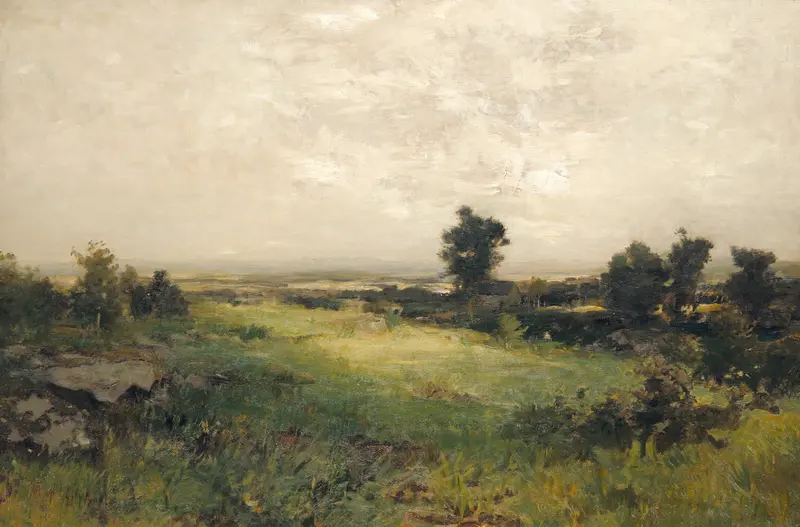
Housatonic Valley
Alexander Helwig Wyant
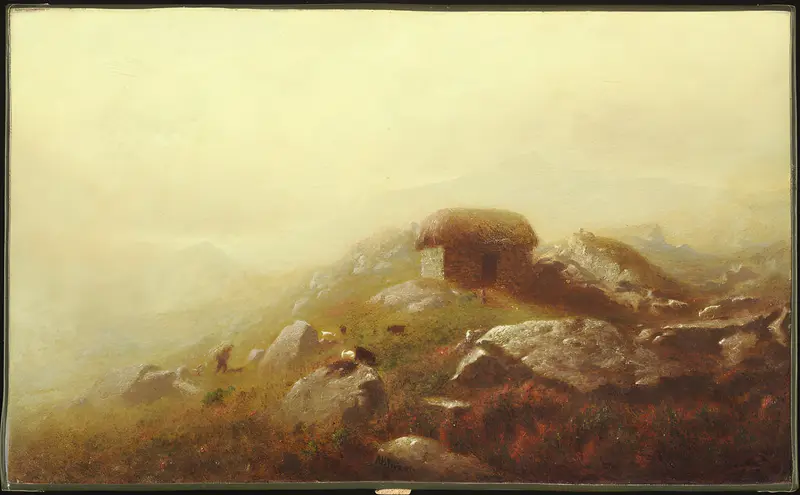
Misty Morning Near the Lakes of Killarney
Alexander Helwig Wyant
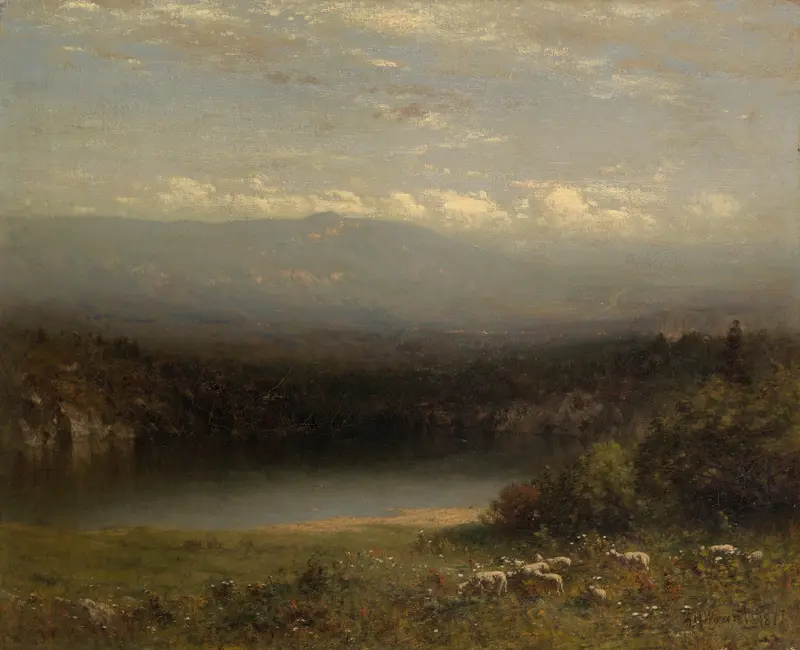
Mountain Lake
Alexander Helwig Wyant
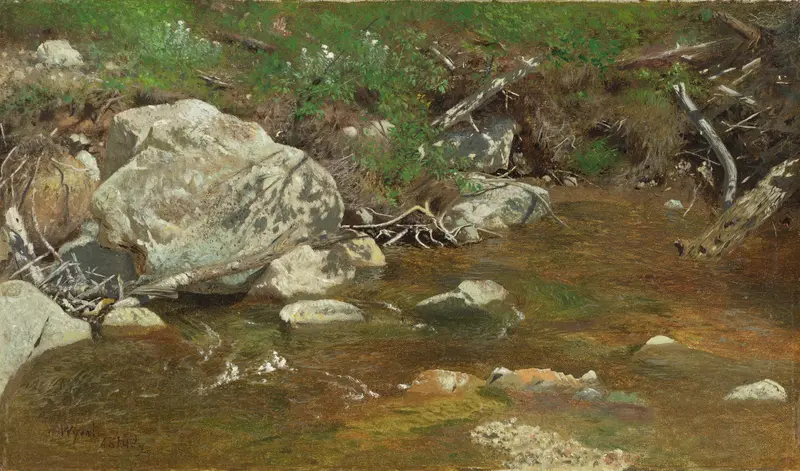
Mountain Brook; A Study
Alexander Helwig Wyant
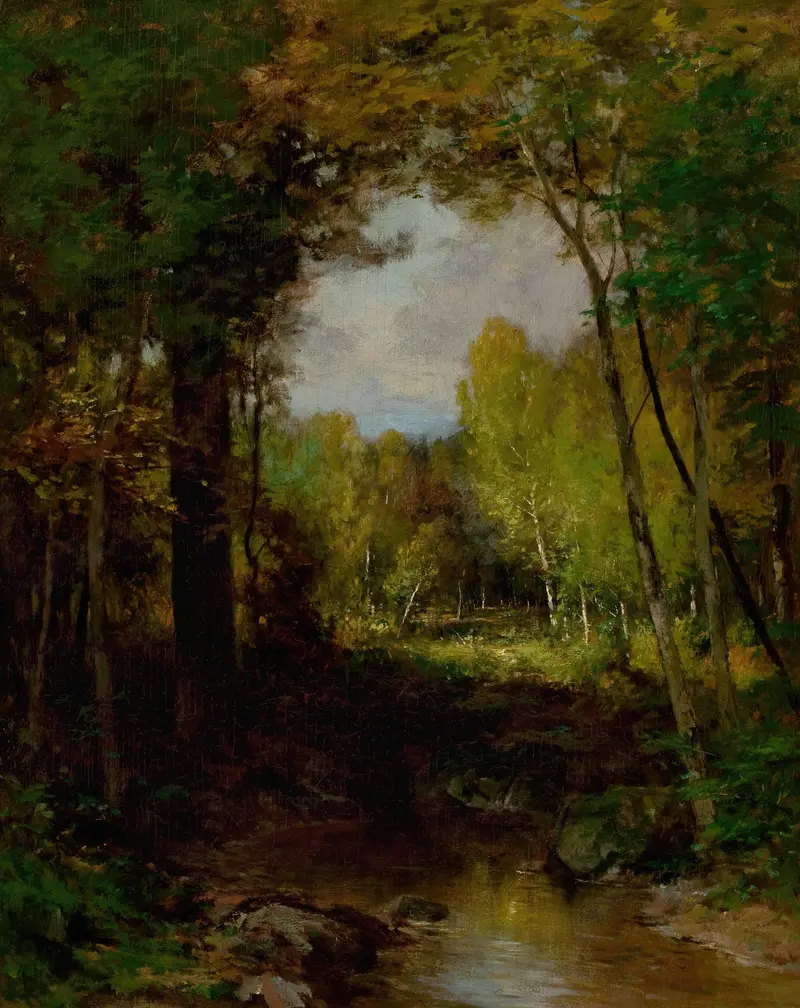
Keene, Adirondacks
Alexander Helwig Wyant
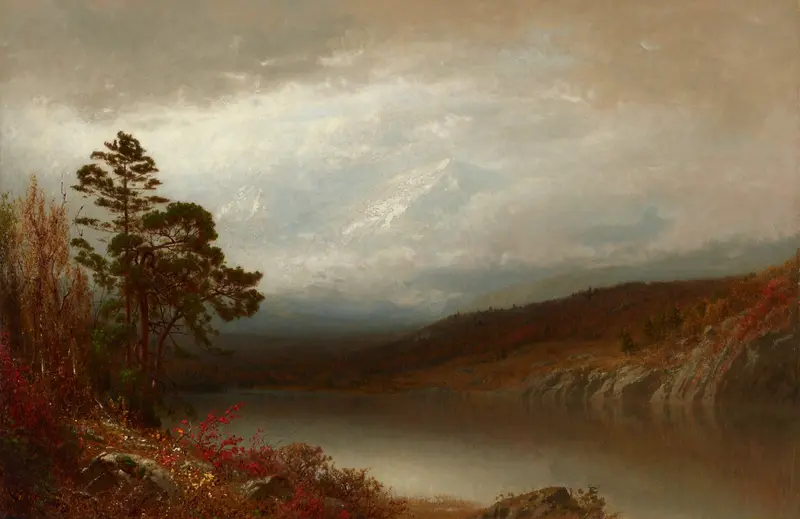
Autumn in the Adirondacks
Alexander Helwig Wyant
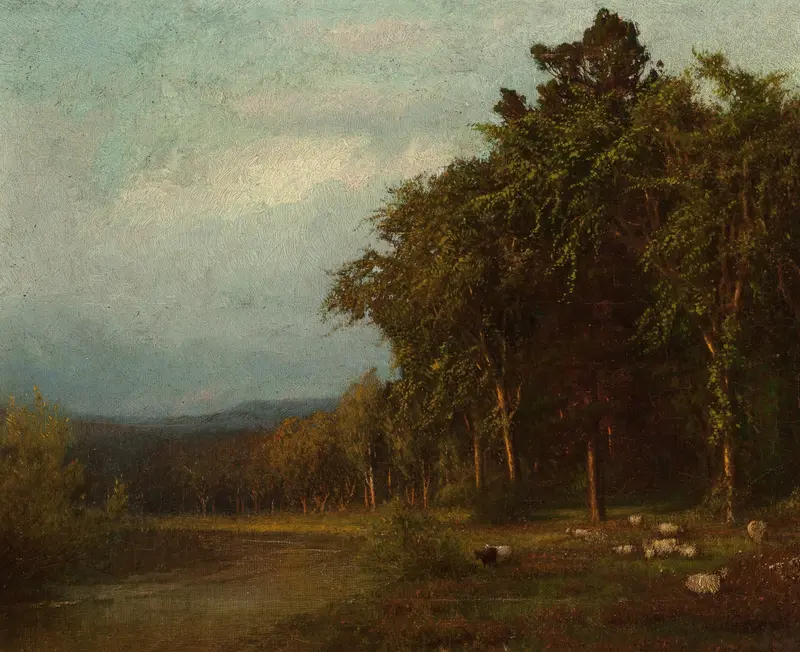
Cattle Grazing, Late Afternoon
Alexander Helwig Wyant
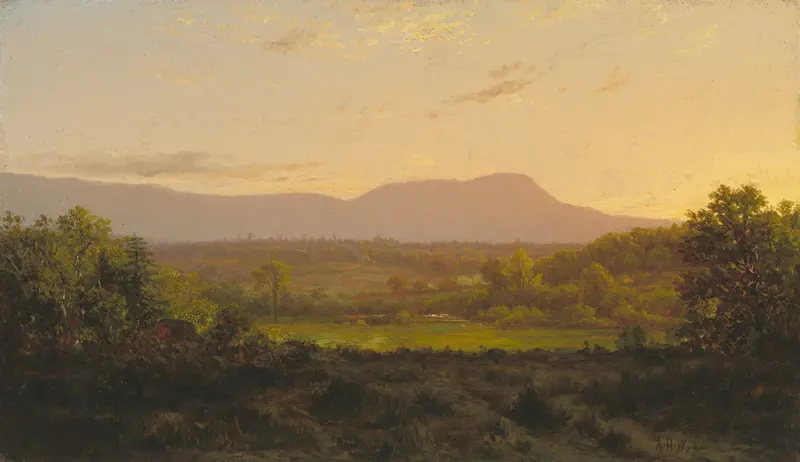
Peaceful Valley
Alexander Helwig Wyant
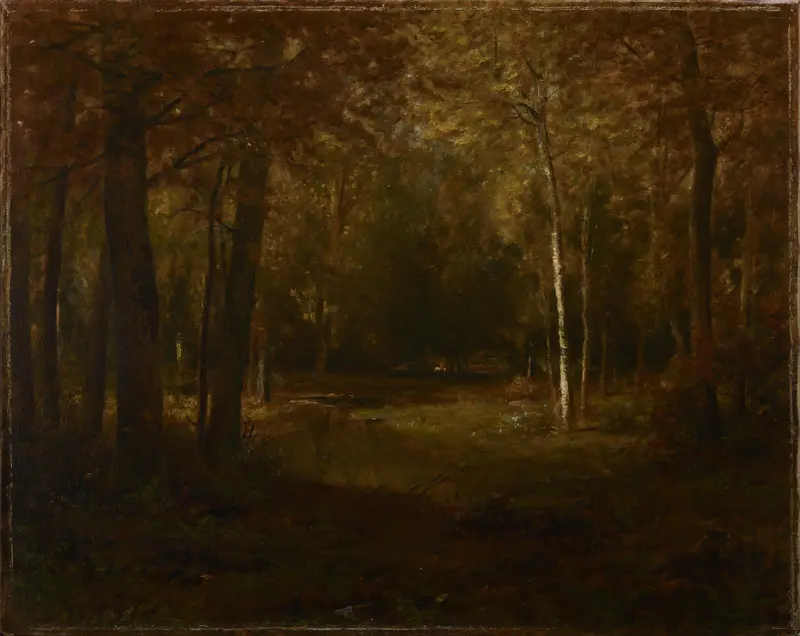
Glade in Autumn
Alexander Helwig Wyant
More Landscape Art

The Starry Night
Vincent van Gogh

View of Delft
Johannes Vermeer

Water Lilies
Claude Monet

The Grand Canal, Venice, looking north-west from the Ca' Corner to the Ca' Contarini degli Scrigni, with the campanile of Santa Maria della Carità
Canaletto

Windsor Castle
Canaletto

The Grand Canal looking North-East from the Palazzo Dolfin-Manin to the Rialto Bridge
Canaletto