
The Clown Cha-U-Kao — History & Facts
In The Clown Cha-U-Kao, the viewer is greeted by a lively scene filled with vibrant colors. The central figure, a clown, is adorned in a colorful costume that contrasts sharply with the dark background. His exaggerated facial features and expressive pose convey a sense of joy and playfulness.
Surrounding him are hints of a circus atmosphere, with blurred figures that suggest movement and excitement. This painting is executed in oil on canvas, a medium that allows for rich color and texture. The dimensions are approximately 65 x 81 cm, making it a medium-sized work that draws the viewer in. Toulouse-Lautrec's characteristic brushwork is evident, with bold strokes that add dynamism to the composition.
The use of color is particularly striking, with a palette that emphasizes the clown's vibrant attire. Henri de Toulouse-Lautrec was known for his depictions of Parisian nightlife, and The Clown Cha-U-Kao is no exception. This work reflects his fascination with the circus and its performers, capturing their essence in a unique way. An interesting fact about this painting is that it was created during a time when Toulouse-Lautrec was deeply involved in the cabaret scene, which influenced his portrayal of entertainers.
The clown Cha-U-Kao was a popular figure in the Parisian circus, making this painting a significant cultural reference.
More Artworks by Henri de Toulouse-Lautrec
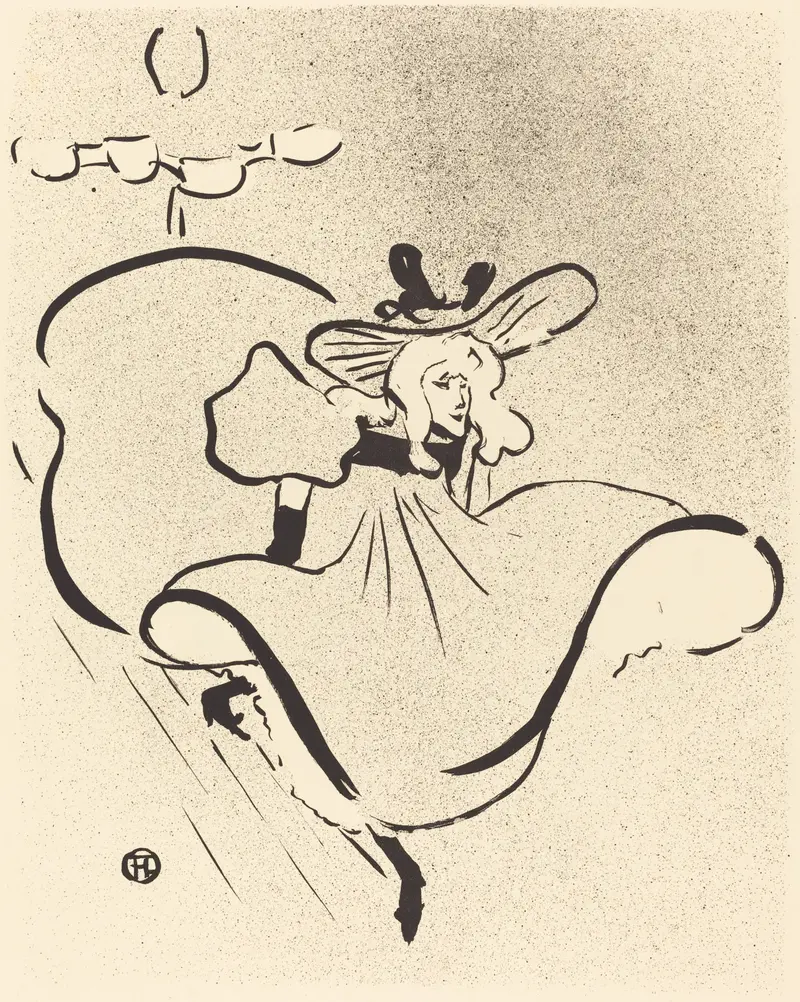
Jane Avril
Henri de Toulouse-Lautrec
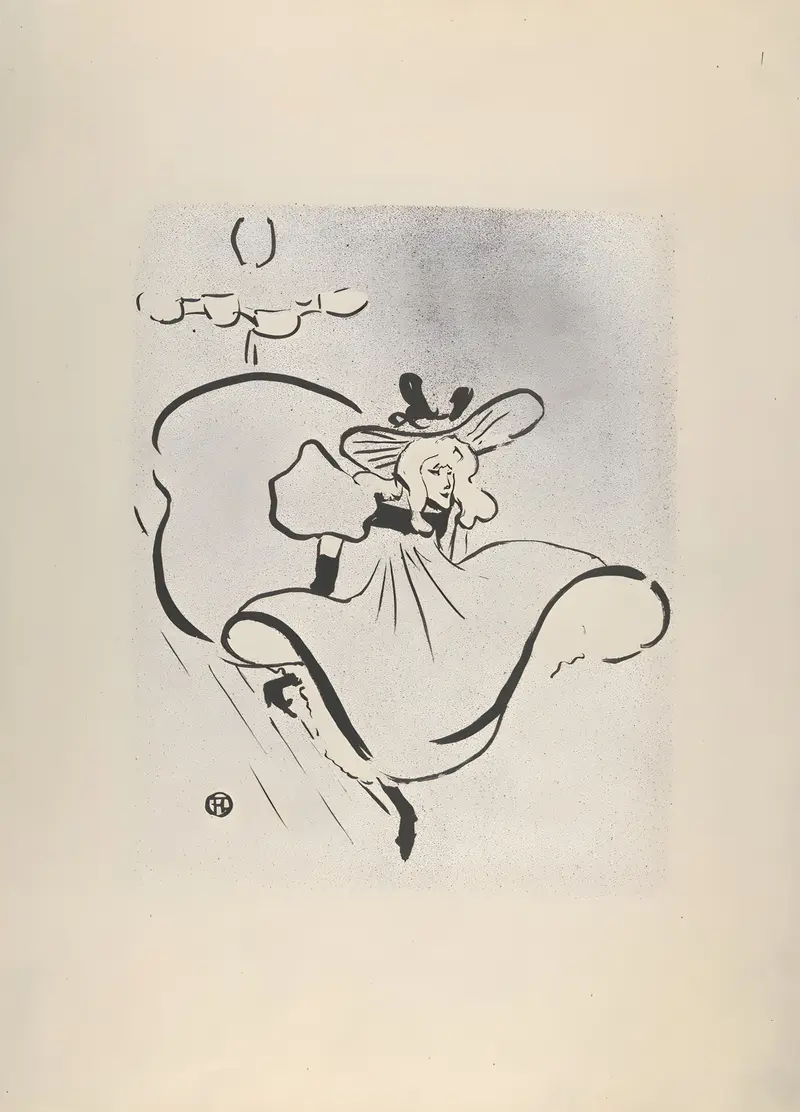
Jane Avril.
Henri de Toulouse-Lautrec

Quadrille at the Moulin Rouge
Henri de Toulouse-Lautrec
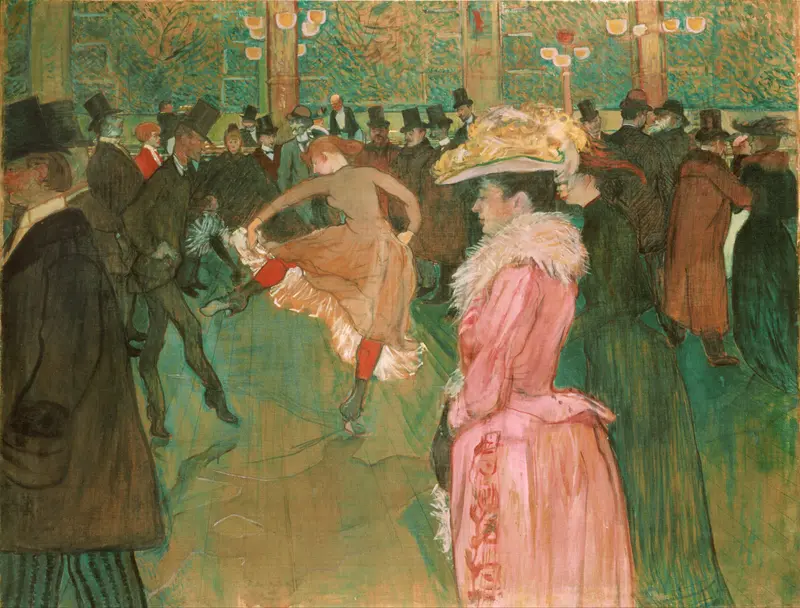
At the Moulin Rouge- The Dance
Henri de Toulouse-Lautrec
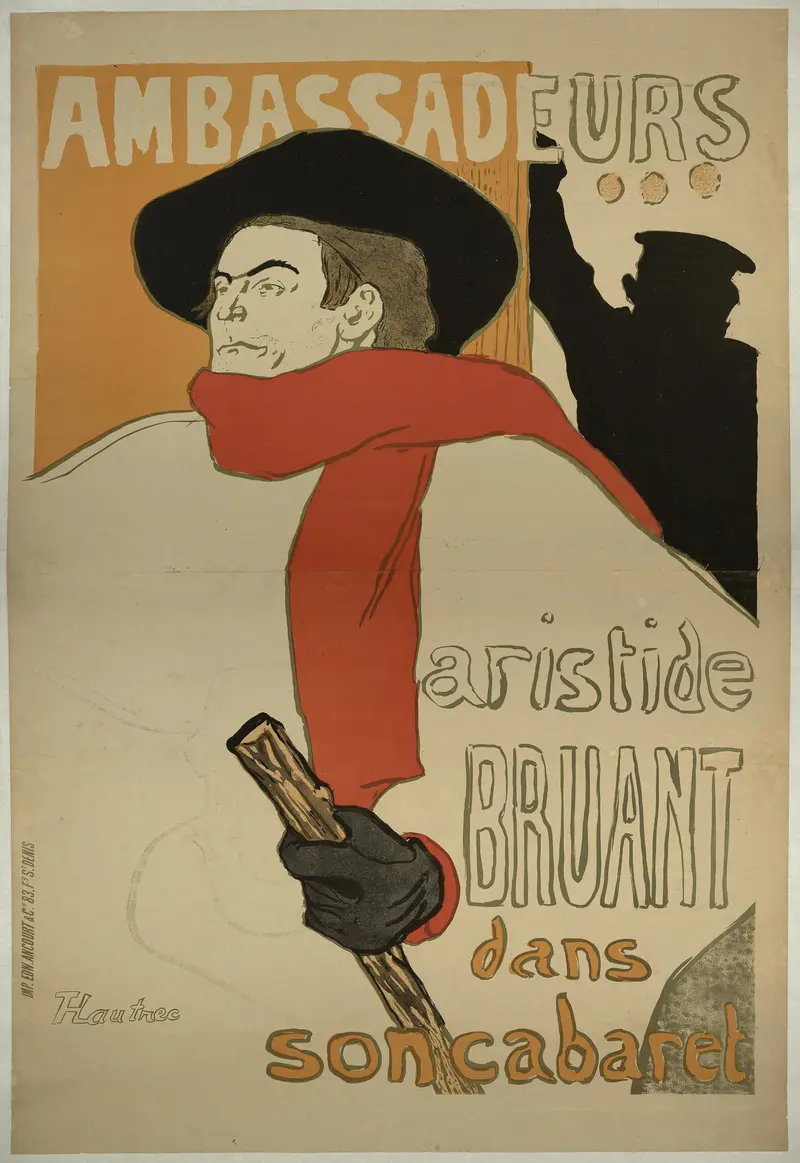
Ambassadeurs. Aristide Bruant dans son cabaret
Henri de Toulouse-Lautrec
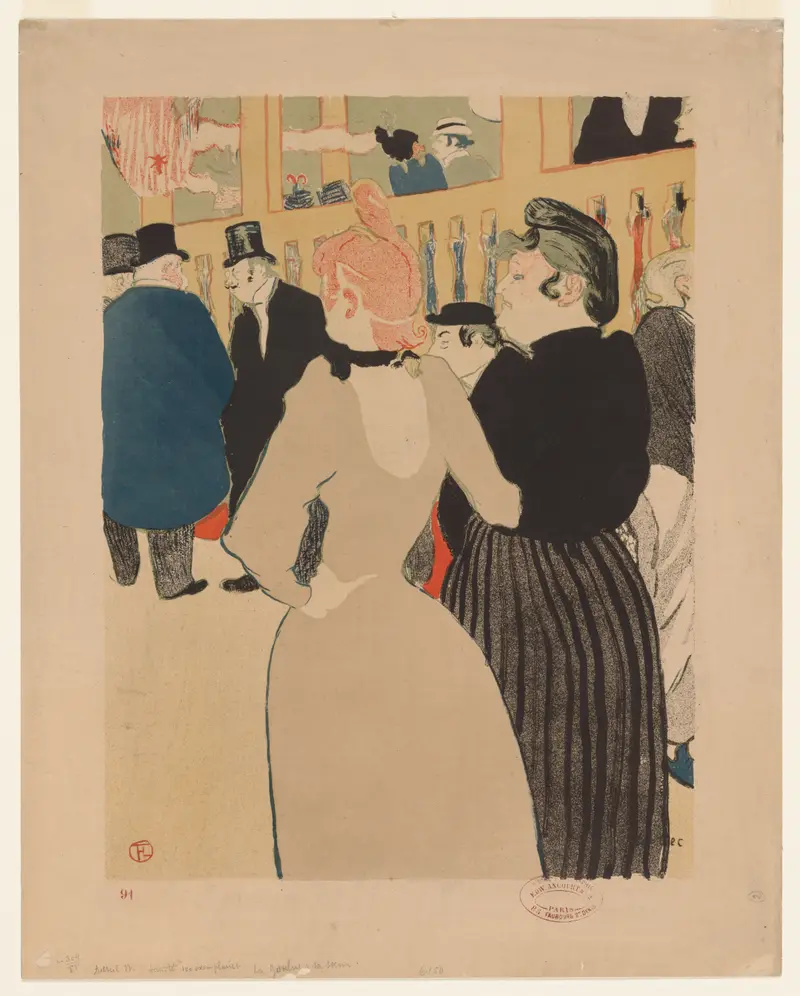
At the Moulin Rouge; La Goulue and Her Sister
Henri de Toulouse-Lautrec
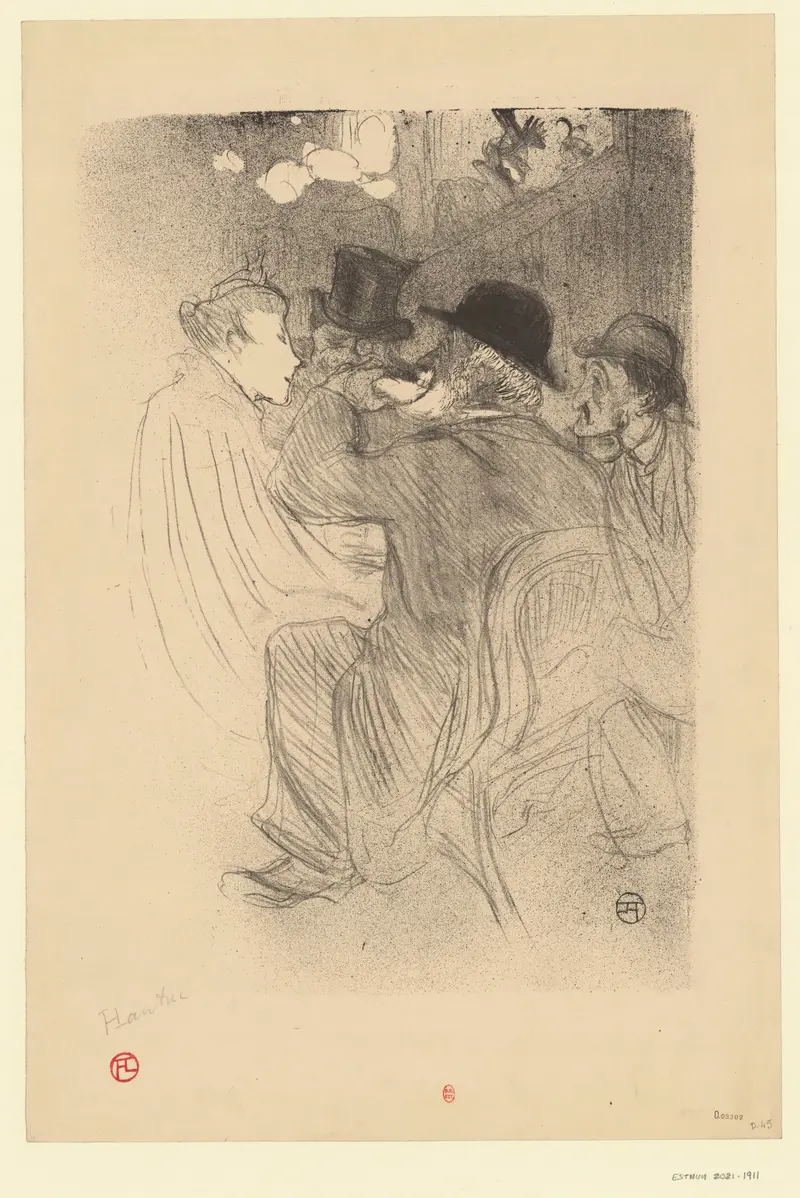
Au Moulin Rouge;Un Rude! Un Vrai Rude!
Henri de Toulouse-Lautrec
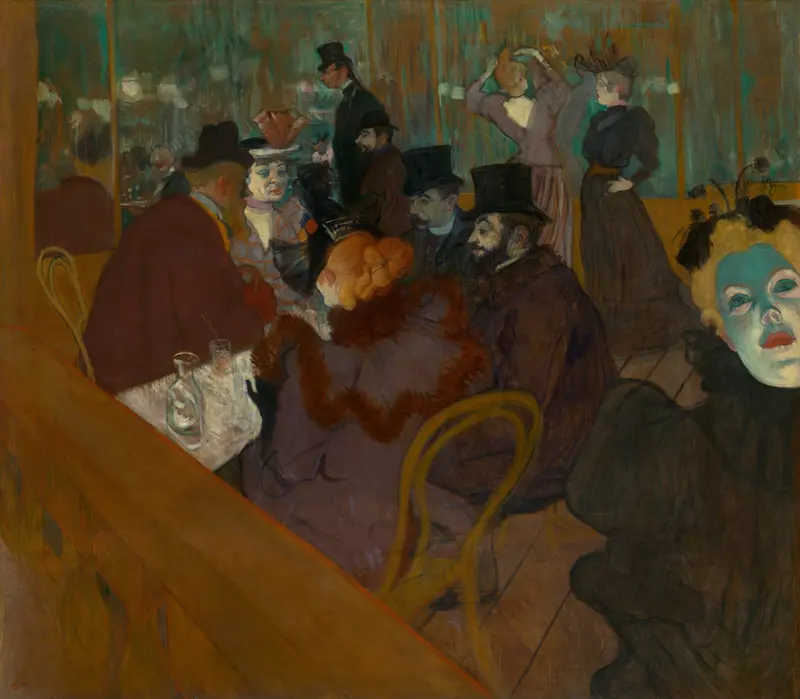
At the Moulin Rouge
Henri de Toulouse-Lautrec
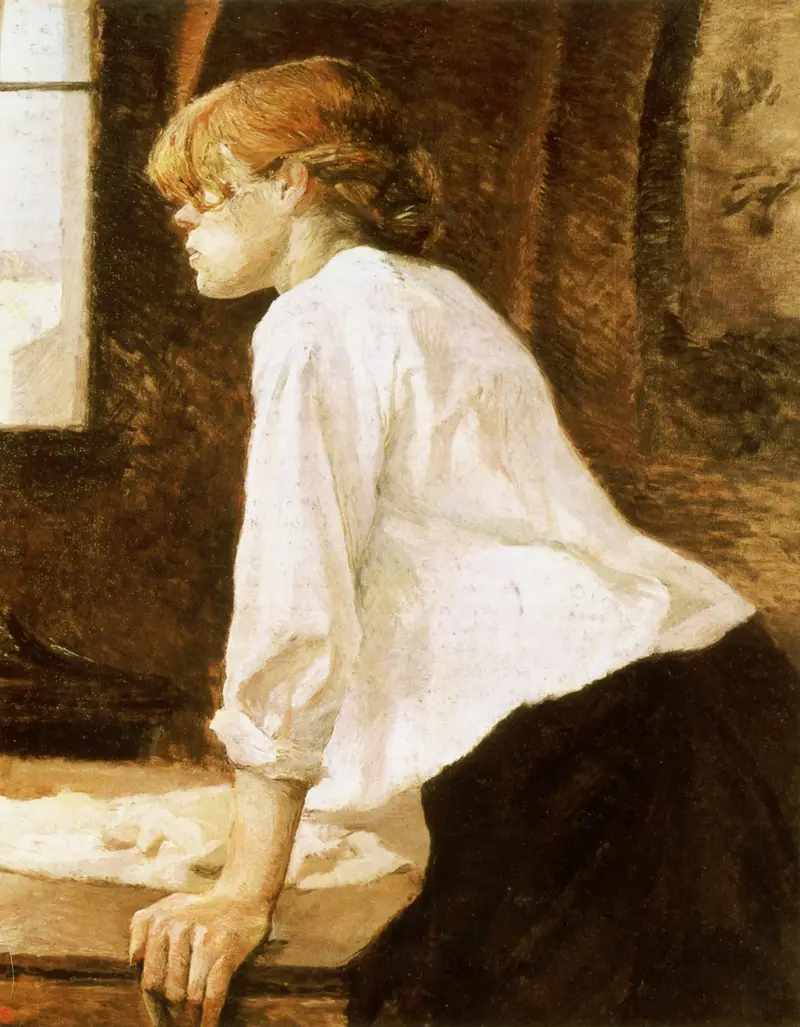
La Blanchisseuse
Henri de Toulouse-Lautrec
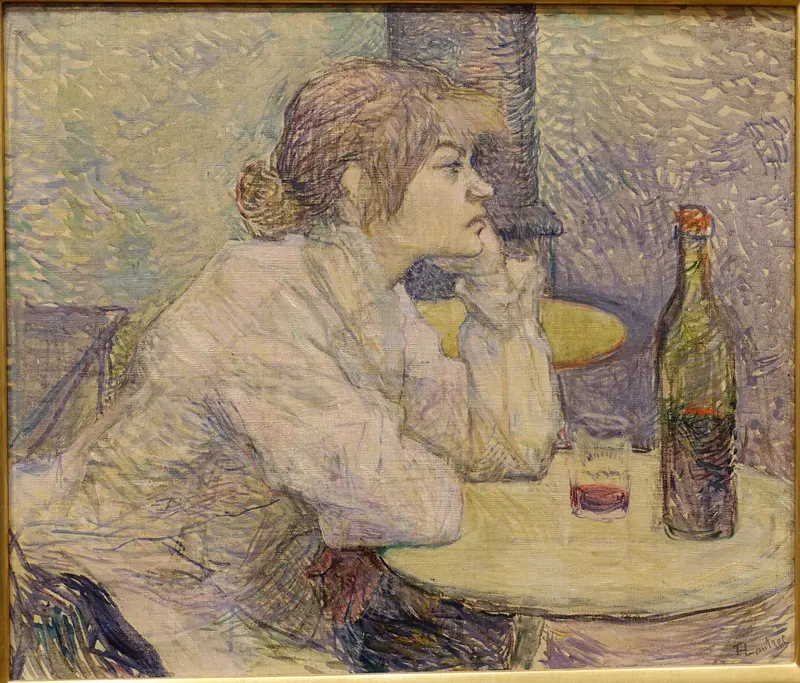
The Hangover (Suzanne Valadon)
Henri de Toulouse-Lautrec
More Genre Scene Art

Banquet of the Officers of the St George Civic Guard
Frans Hals

Rembrandt and Saskia in the Scene of the Prodigal Son
Rembrandt van Rijn

Bal du moulin de la Galette
Pierre-Auguste Renoir
Quadrille at the Moulin Rouge
Henri de Toulouse-Lautrec

A Burial at Ornans
Gustave Courbet

When Will You Marry?
Paul Gauguin