
The courtyard of the Renaissance manor house in Strážky — History & Facts
What secret hides in the quiet of the canvas? In the serene stillness of a forgotten courtyard, echoes of grief whisper softly among the shadows. Look to the left at the weathered stone walls, each crack a testament to time's passage, while the gentle arch of the doorway invites you to wander into its embrace. Notice how the muted palette of greens and browns evokes a sense of nostalgia, hinting at the life that once thrived in this space. The dappling of light filtering through the leaves overhead dances across the cobblestones, creating a play of highlights and shadows that draws your eyes deeper into the scene. Within this tranquil setting lies a tension between memory and loss.
The sparse furnishings—a solitary bench and an empty vase—imply the absence of presence, suggesting stories of laughter and love that linger like the fading scent of flowers. The stillness of the courtyard resists the passage of time, yet simultaneously, it encapsulates the ache of what has been left behind, turning the space into a poignant echo chamber of emotional weight. In 1912, Ľudovít Čordák painted this piece during a period of rich artistic exploration in Europe, where symbols of nationalism and identity began to surface. Living in the tumultuous atmosphere of early 20th-century Czechoslovakia, the artist grappled with both personal and collective histories.
This work reflects his deep engagement with the past and a longing for the beauty of moments now lost, painted during a time when the world was on the cusp of profound change.
More Artworks by Ľudovít Čordák
Browse all →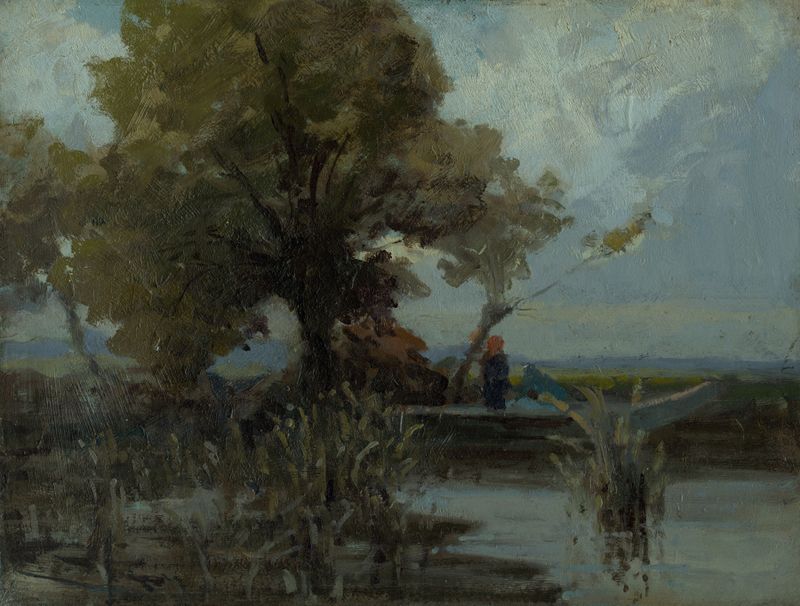
Košatý strom pri jazere
Ľudovít Čordák
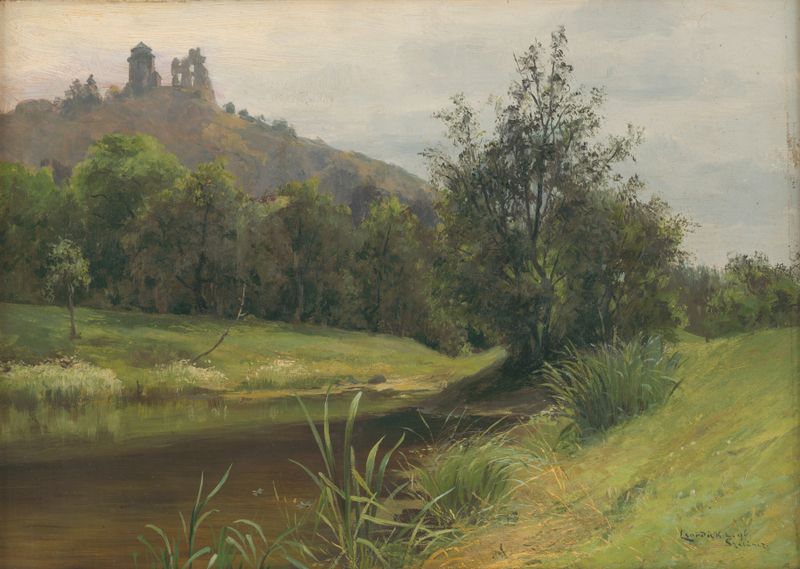
Močarina pod Slaneckým hradom
Ľudovít Čordák
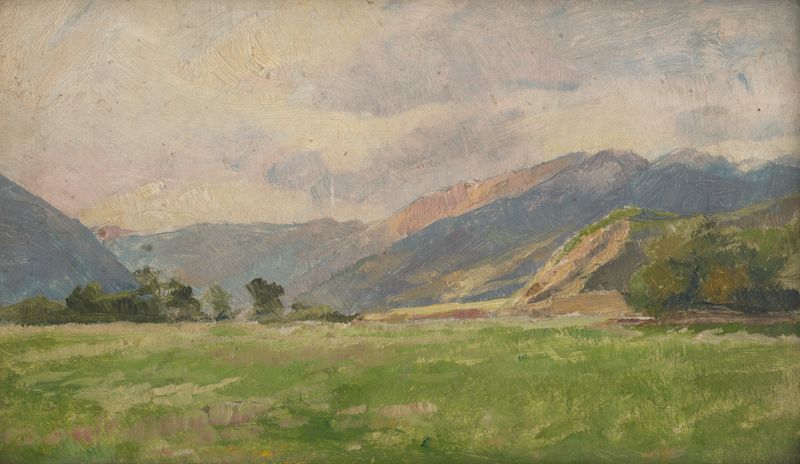
Mountain Meadow
Ľudovít Čordák
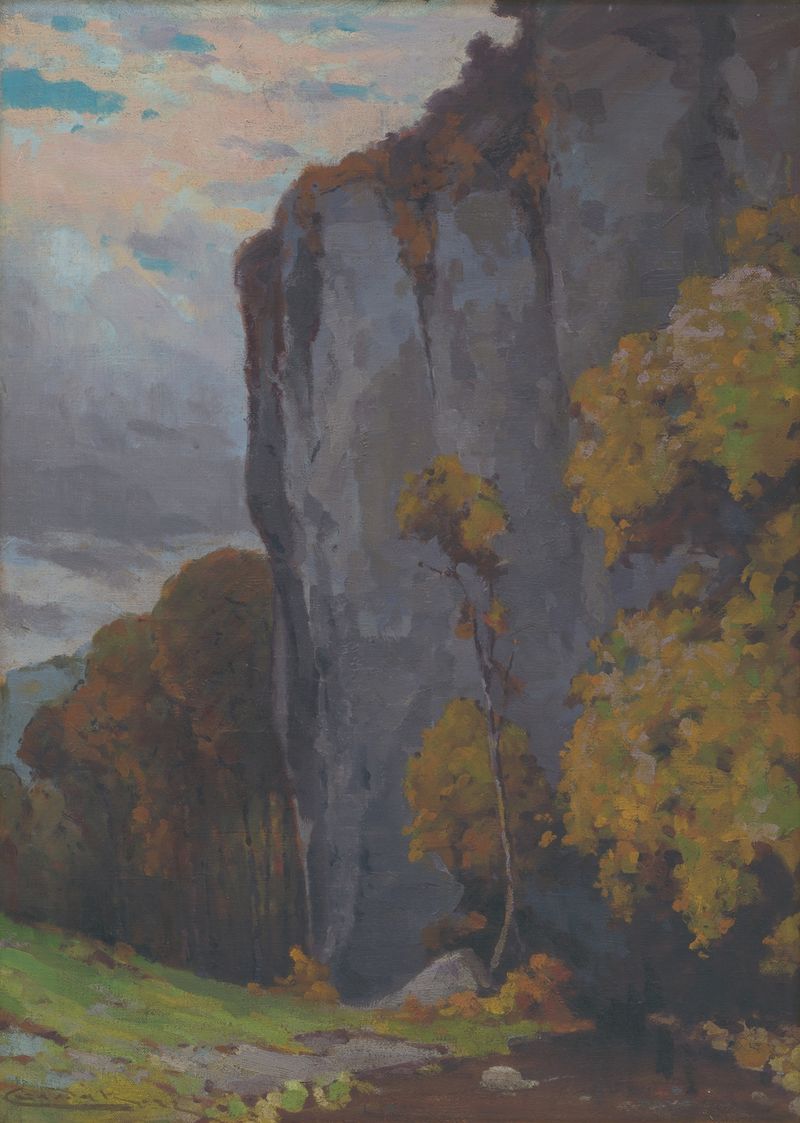
Zádiel
Ľudovít Čordák
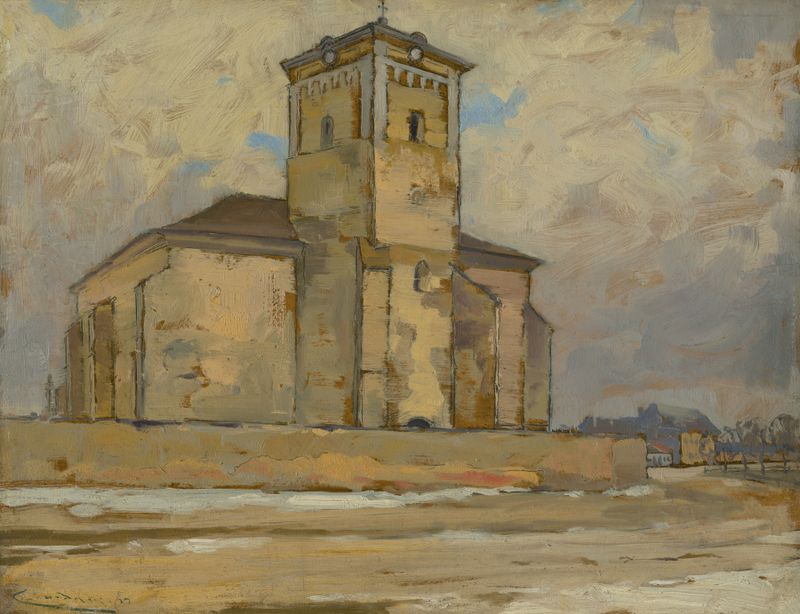
Church in Moldova
Ľudovít Čordák
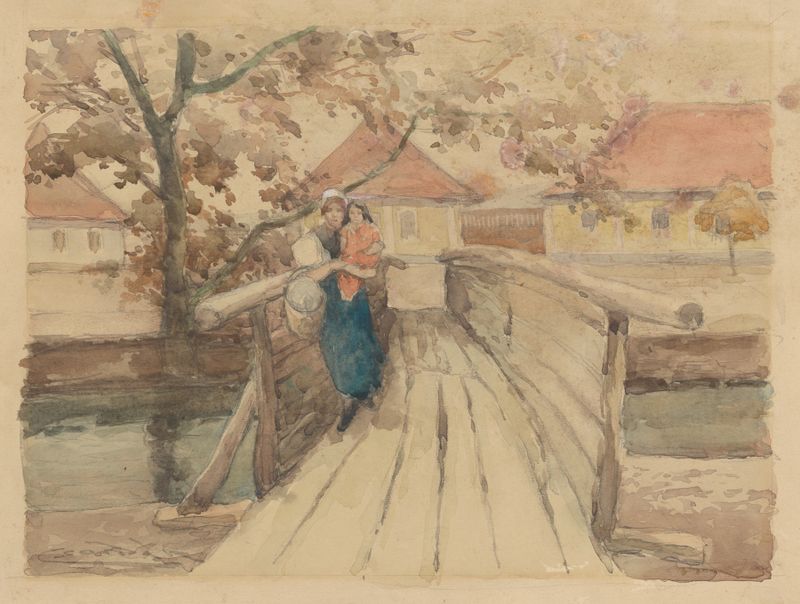
Wooden bridge
Ľudovít Čordák
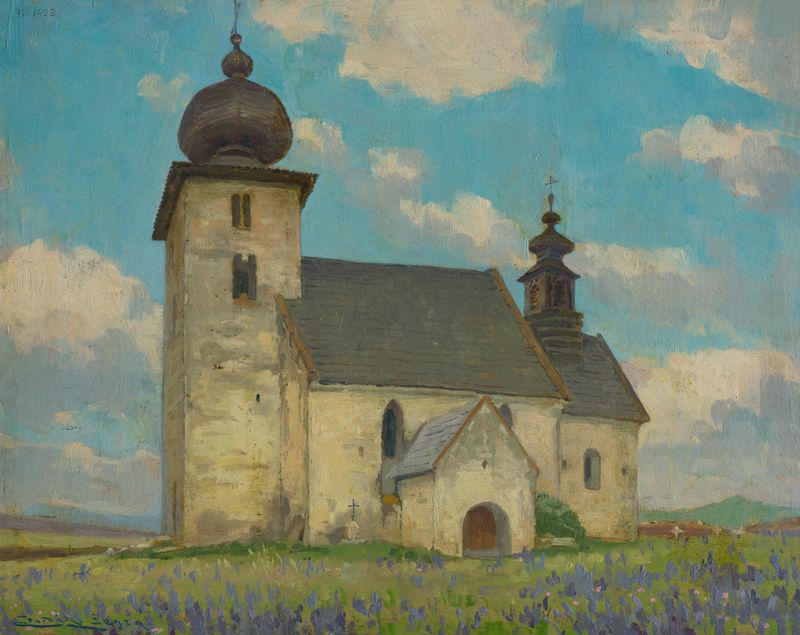
Gothic church in Žehra
Ľudovít Čordák
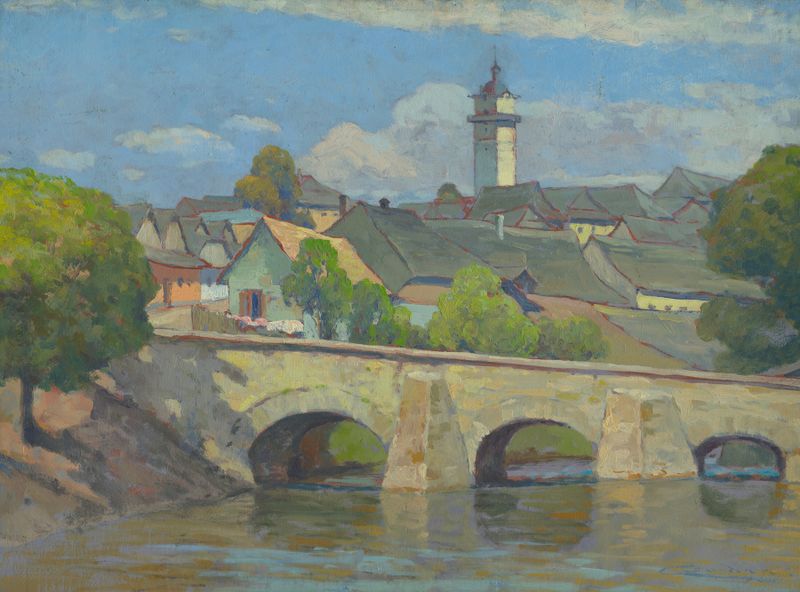
A small town in Spiš
Ľudovít Čordák
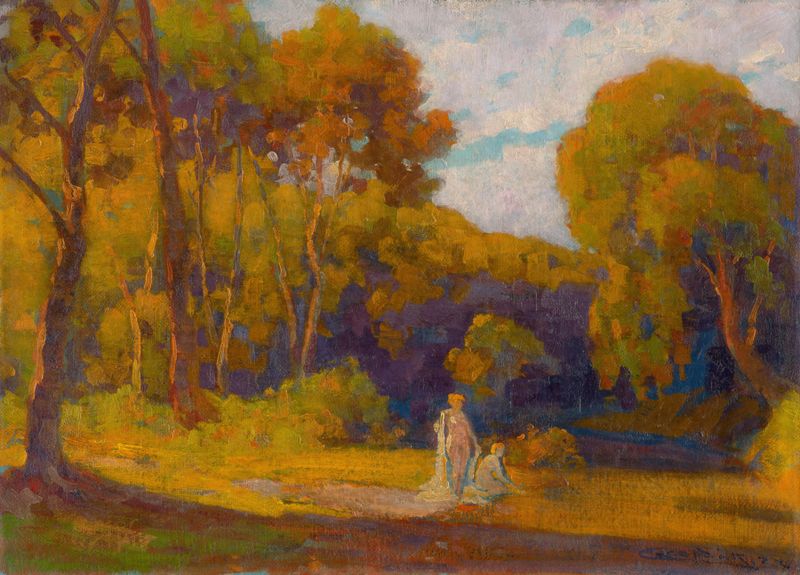
At Sunset
Ľudovít Čordák
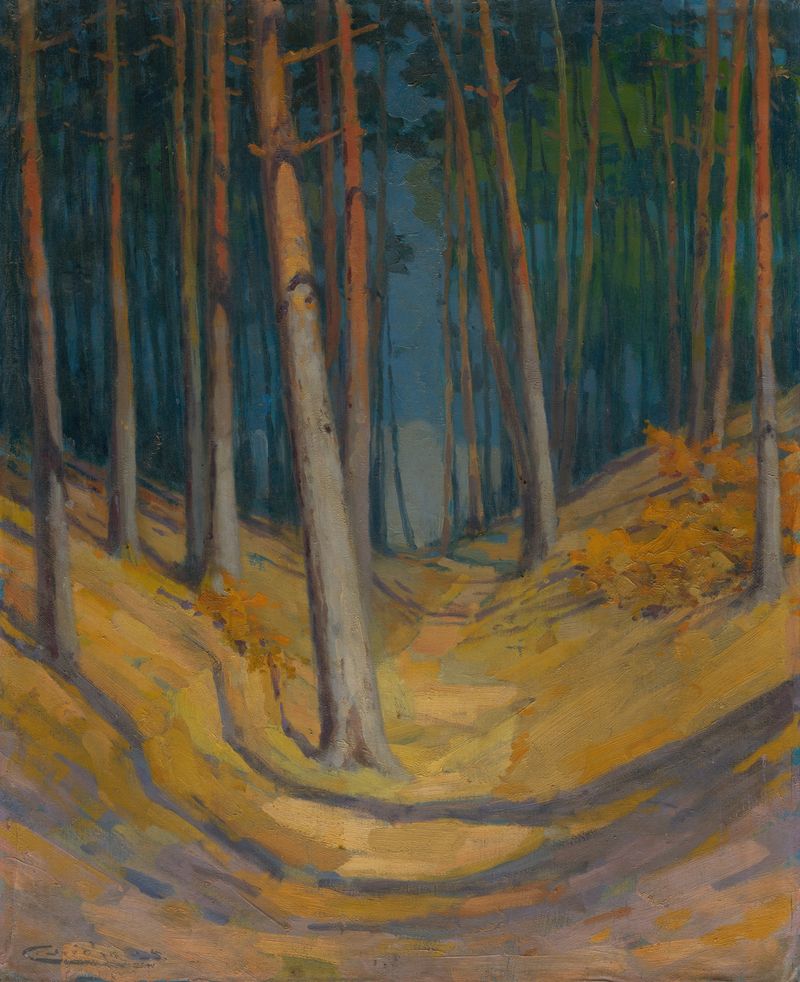
Forest
Ľudovít Čordák
More Architecture Art
Browse all →
The statue of Liberty
Frédéric Auguste Bartholdi

View of Houses in Delft, Known as ‘The Little Street’
Johannes Vermeer

View of Houses in Delft, Known as ‘The Little Street’
Johannes Vermeer

The Cathedral in Rouen. The portal, Grey Weather
Claude Monet

The yellow house
Vincent van Gogh

The Church in Auvers-sur-Oise, View from the Chevet
Vincent van Gogh