
The Crucifixion — History & Facts
What first seizes the eye in The Crucifixion by Adriaen Isenbrant is the hush that falls over the figures at the foot of the cross—a silence rendered not just in their gestures, but in the careful orchestration of light and shadow. The mourners are gathered in a tight, almost sculptural group beneath the outstretched arms of Christ, their faces turned inward in grief or prayer. The cool, even light bathes the foreground, drawing your gaze to the hands: the Virgin’s folded in resignation, Mary Magdalene’s wrapped around Christ’s feet in desperate tenderness, and John’s lifted in a gesture that hovers between supplication and astonishment.
Behind them, the city recedes into a pale, distant landscape, its towers and walls rendered in miniature, as if the world itself has shrunk in the face of this moment. Painted in 1525, this work belongs to a Northern Renaissance tradition that prized both storytelling and devotional intimacy. Such images were often commissioned by private patrons or for small chapels, intended to draw the viewer into a personal meditation on suffering and redemption. The world of Adriaen Isenbrant was one of transition: the old forms of late medieval piety were meeting the new realism and emotional directness of the sixteenth century.
Few traces remain of many such works, but this painting, now in the Los Angeles County Museum of Art, invites us to linger over the details—the delicate transparency of a veil, the distant bustle of soldiers—each detail a thread in the tapestry of devotion. Look again, and notice how every gesture is a bridge between the earthly and the divine.
More Artworks by Adriaen Isenbrant
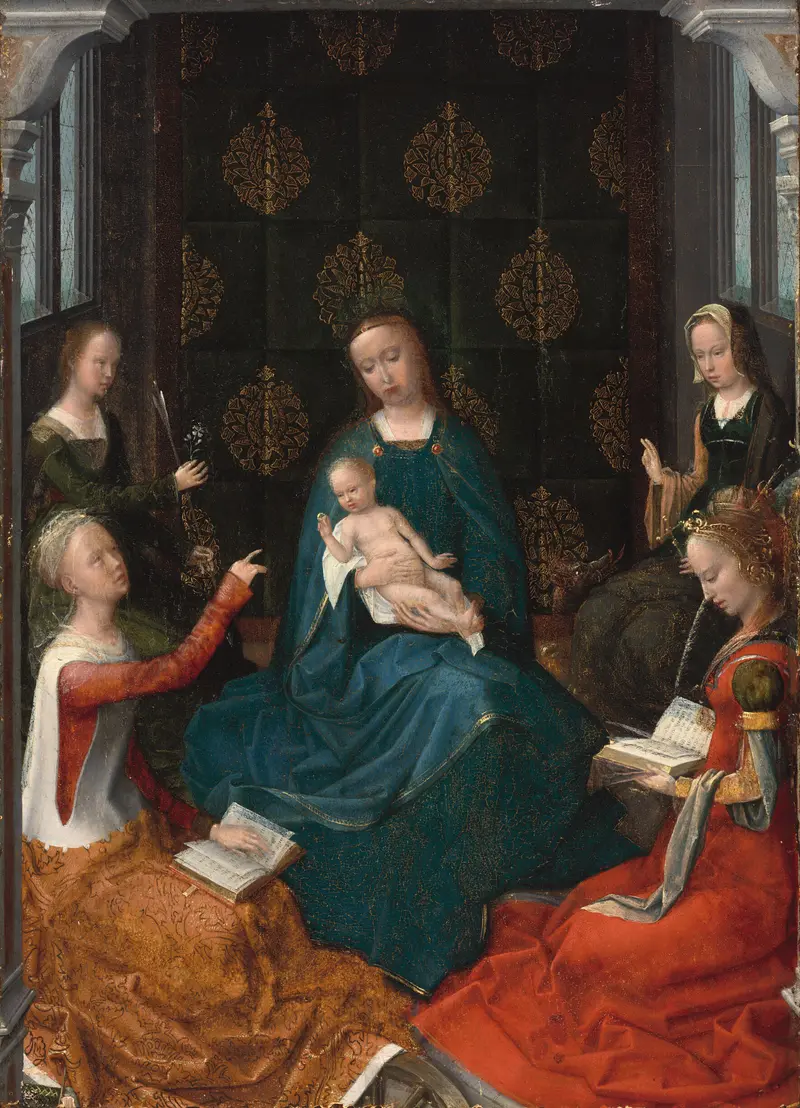
The Mystic Marriage of Saint Catherine of Alexandria with Three Female Saints: Ursula, Margaret of Antioch, and an Unidentified Martyr
Adriaen Isenbrant
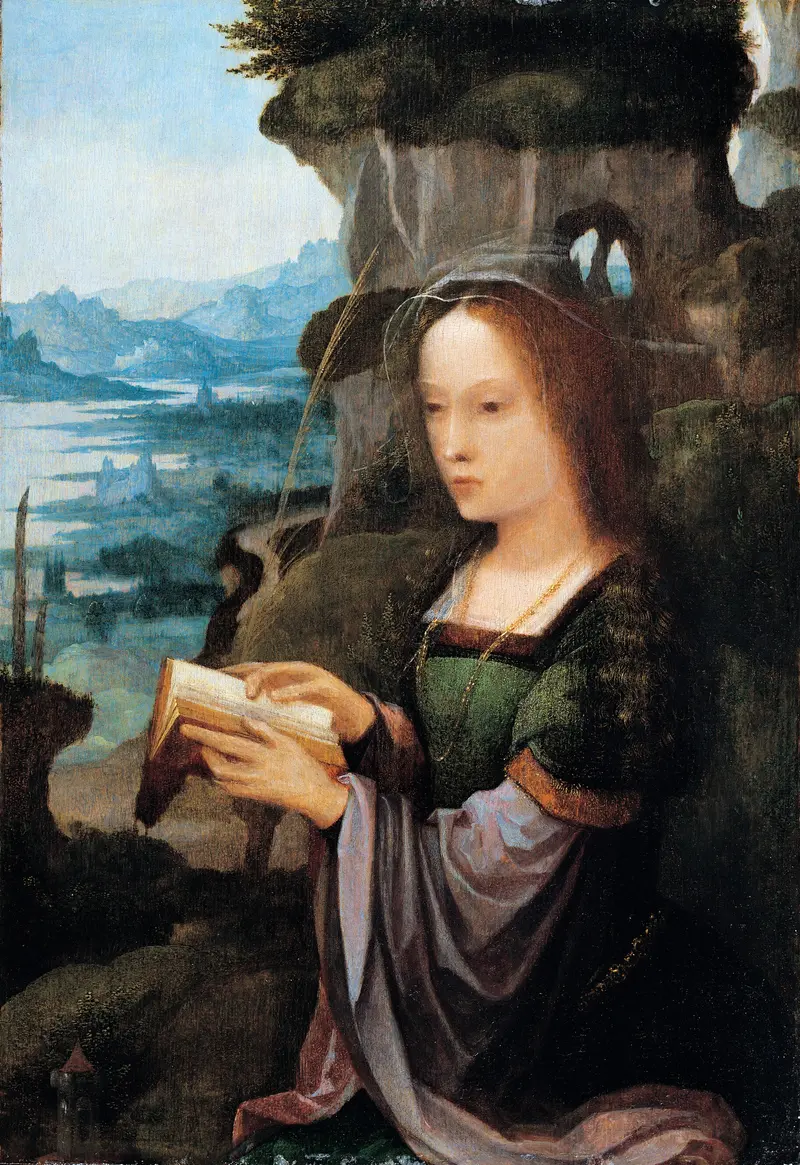
Saint Barbara
Adriaen Isenbrant
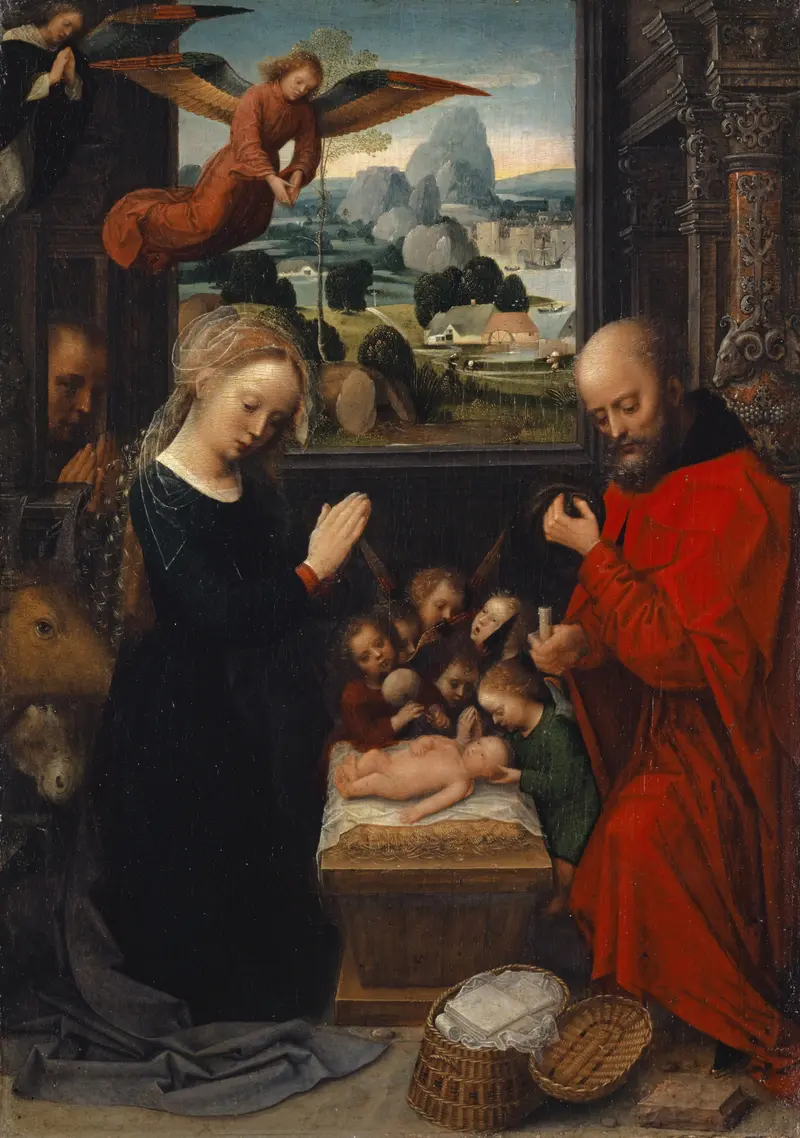
The Nativity
Adriaen Isenbrant
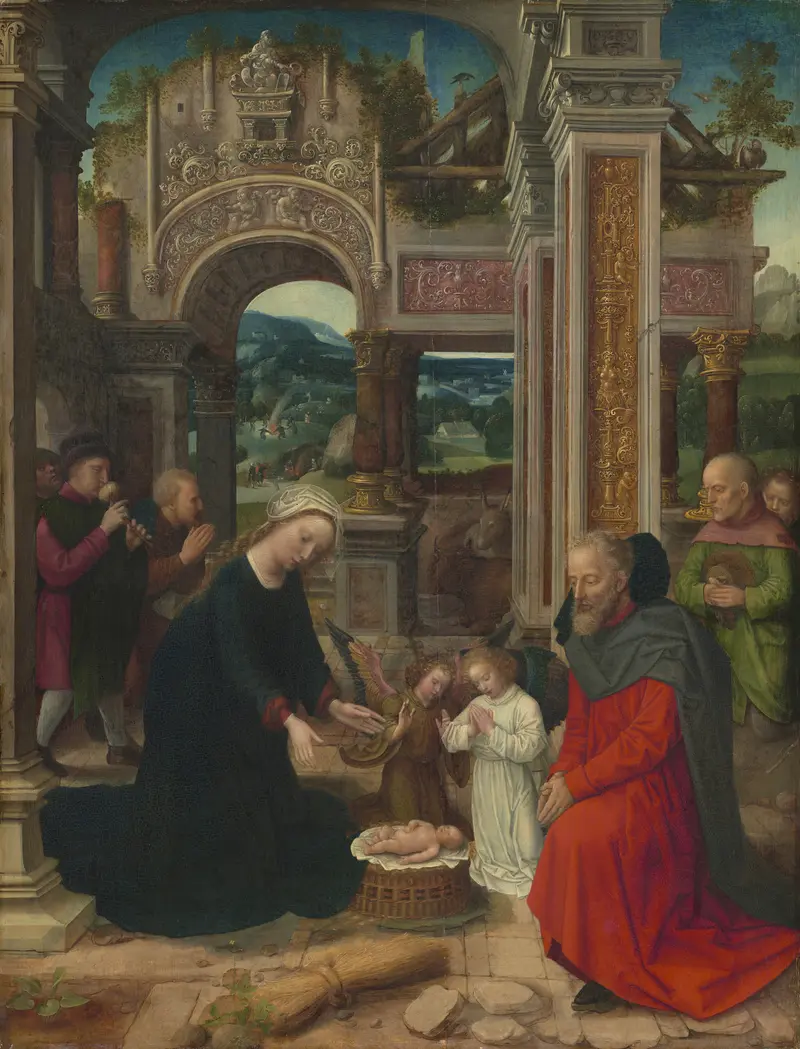
The Adoration of the Shepherds
Adriaen Isenbrant
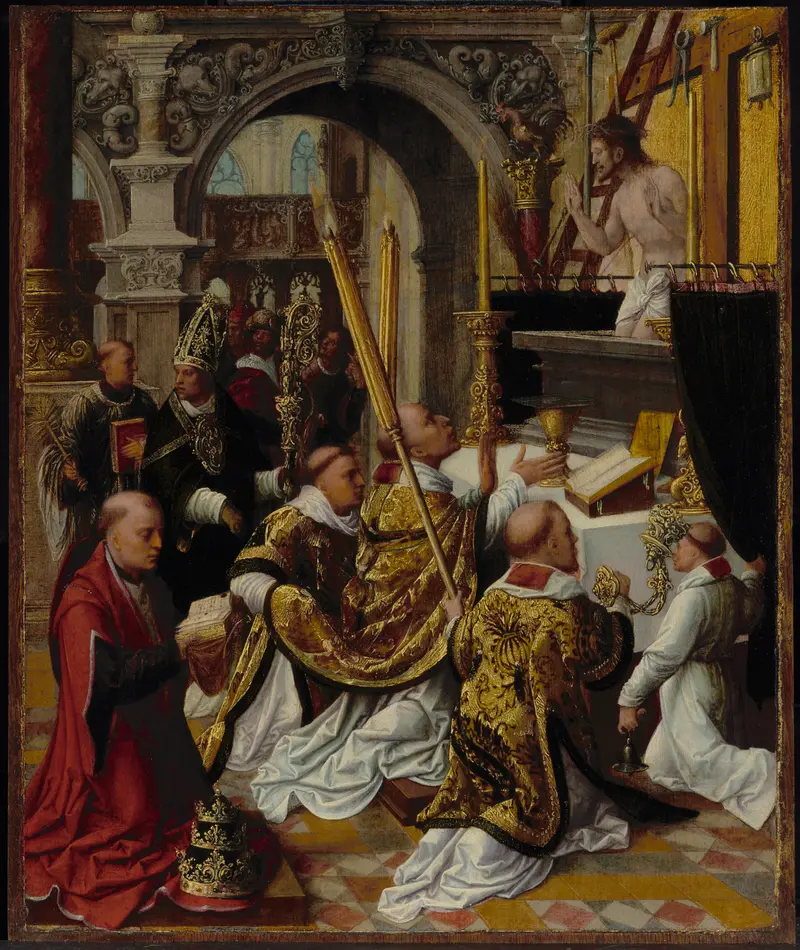
The Mass of Saint Gregory the Great
Adriaen Isenbrant
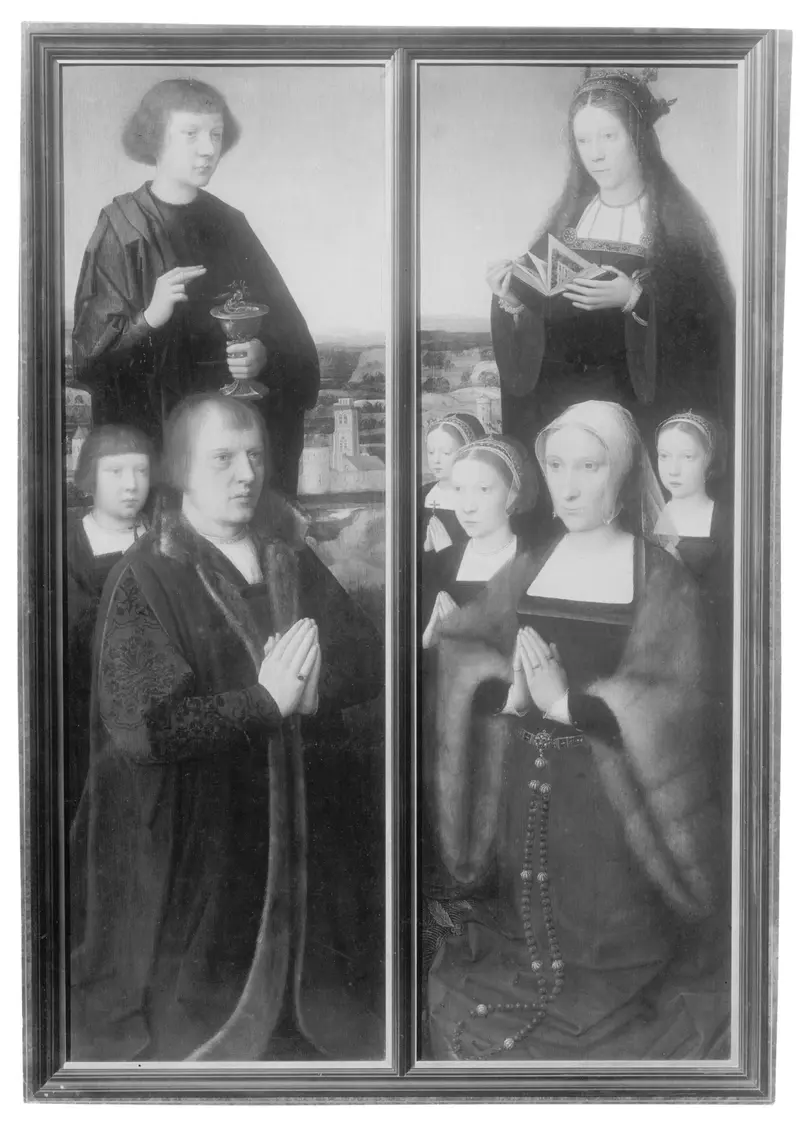
Wings of a polyptych with donors -Man with son and Saint, Woman with daughters and Saint (burned)
Adriaen Isenbrant
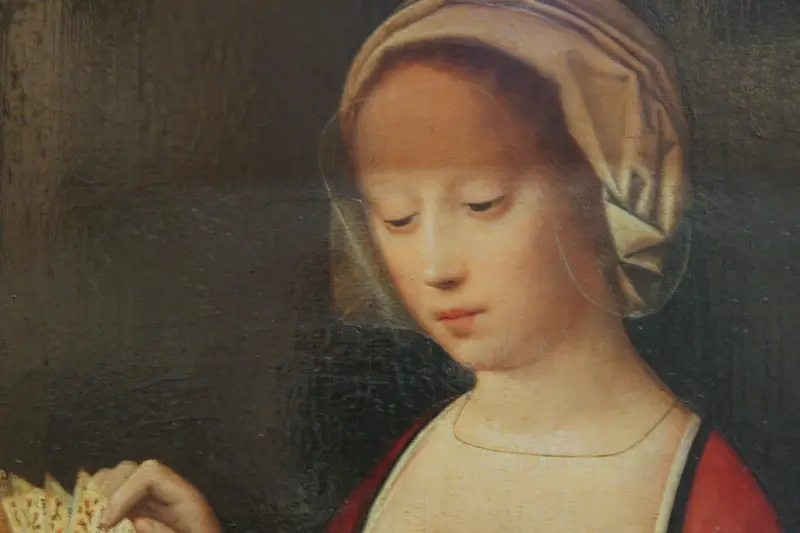
Mary Magdalene Reading
Adriaen Isenbrant
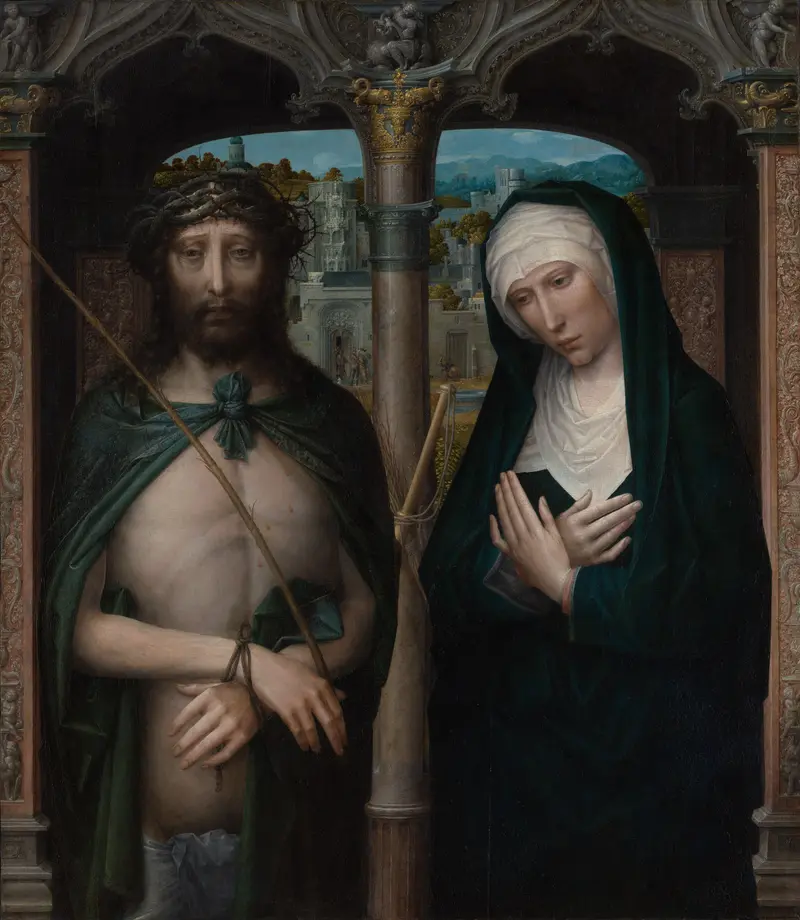
Christ Crowned with Thorns (Ecce Homo), and the Mourning Virgin
Adriaen Isenbrant
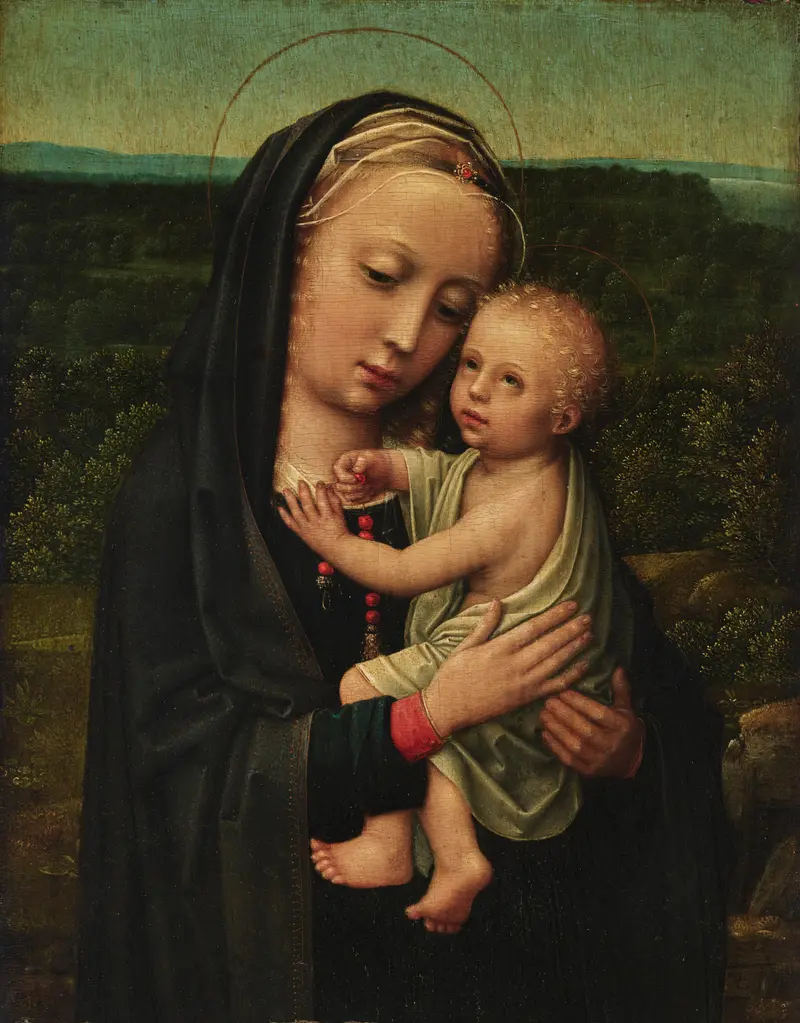
Madonna and Child
Adriaen Isenbrant
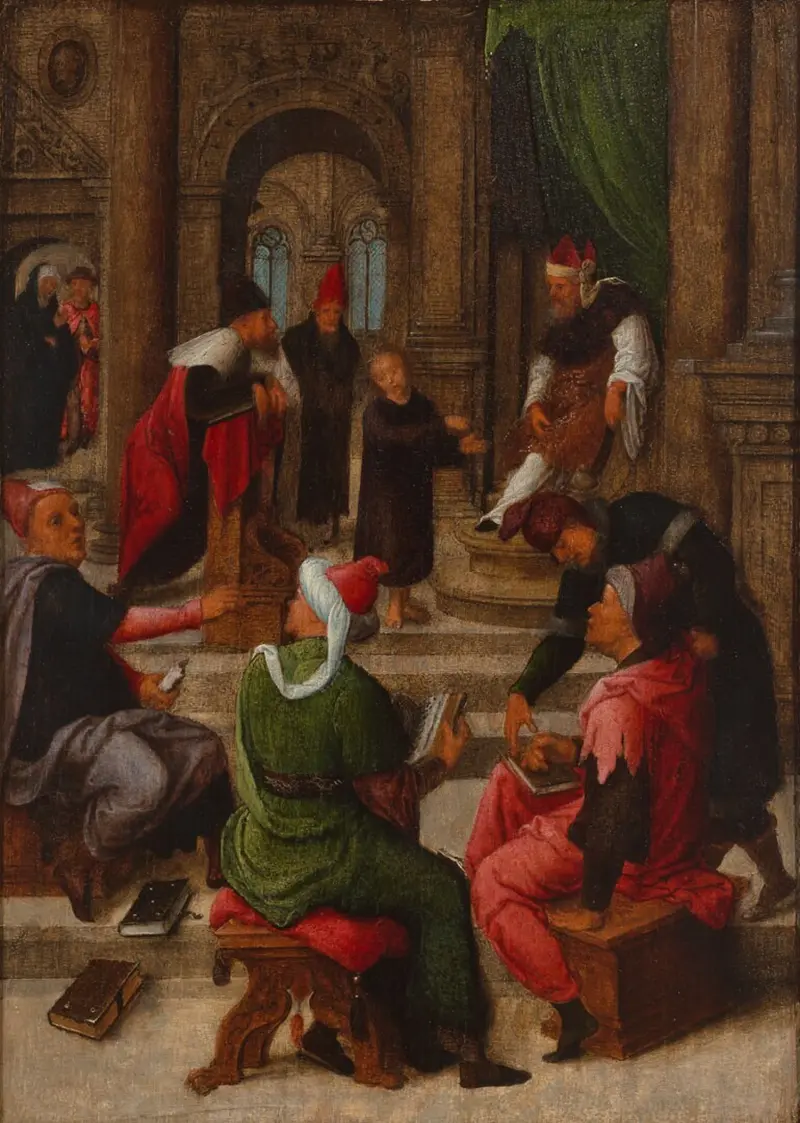
The 12-Year-Old Jesus in the Temple
Adriaen Isenbrant





