Discover insights about this artwork
The Crucifixion of Saint Andrew — History & Facts
In The Crucifixion of Saint Andrew, Caravaggio presents a dramatic scene filled with intense colors and stark contrasts. The figure of Saint Andrew is depicted on the cross, his expression a mix of pain and resignation. The dark background enhances the emotional weight of the scene, drawing the viewer's eye to the central figure.
The use of light and shadow is characteristic of Caravaggio's style, creating a sense of depth and realism. This painting is executed in oil on canvas, a medium that allows for rich color and texture. The dimensions of the artwork are approximately 120 x 160 cm, making it a substantial piece that commands attention. The brushwork is detailed yet expressive, capturing the agony of the martyrdom.
Viewers can appreciate the meticulous attention to anatomical accuracy and the dramatic use of chiaroscuro. Caravaggio was known for his innovative approach to religious themes, often depicting them with a raw realism that was groundbreaking for his time. The Crucifixion of Saint Andrew reflects his ability to convey deep emotion through the human form. Interestingly, this work was commissioned for a church altar, emphasizing the importance of the subject matter in the context of Catholic devotion.
Caravaggio's unique style influenced many artists and remains significant in the history of Baroque art.
More Artworks by Caravaggio
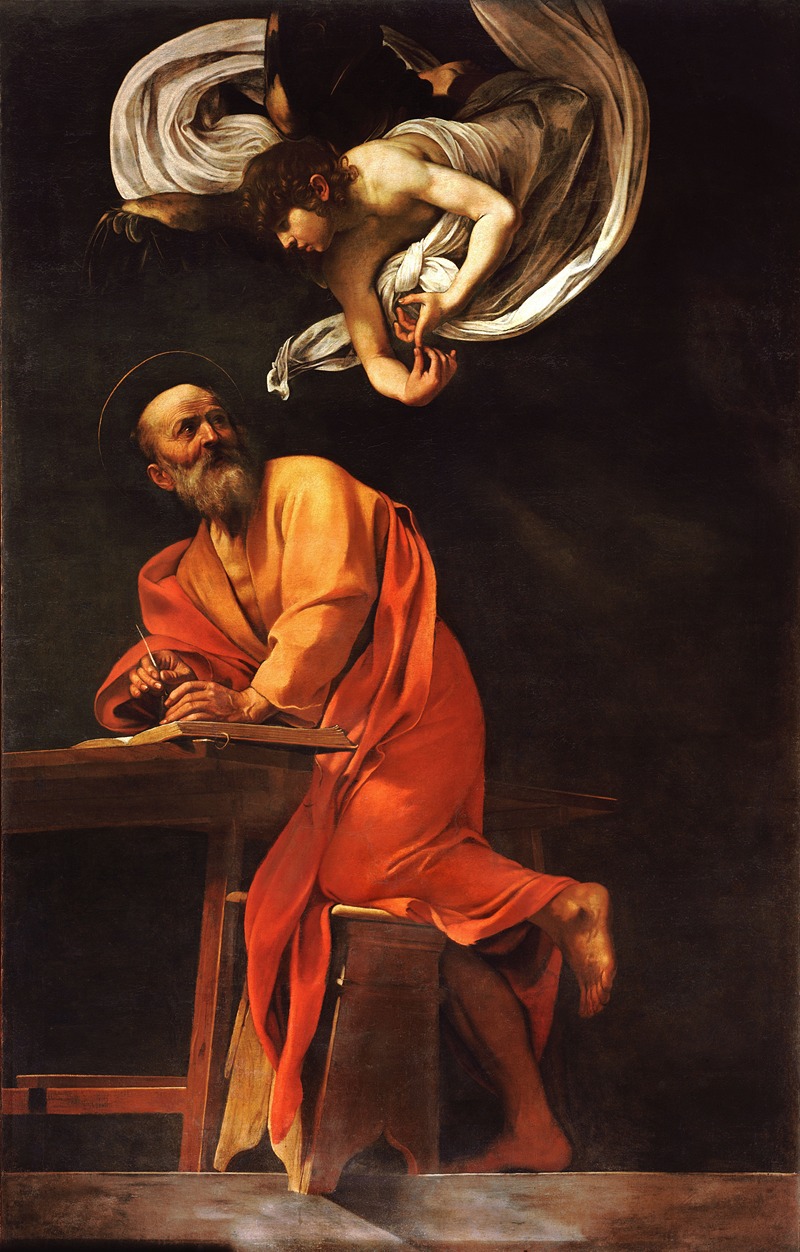
Saint Matthew and the angel
Caravaggio

Medusa
Caravaggio
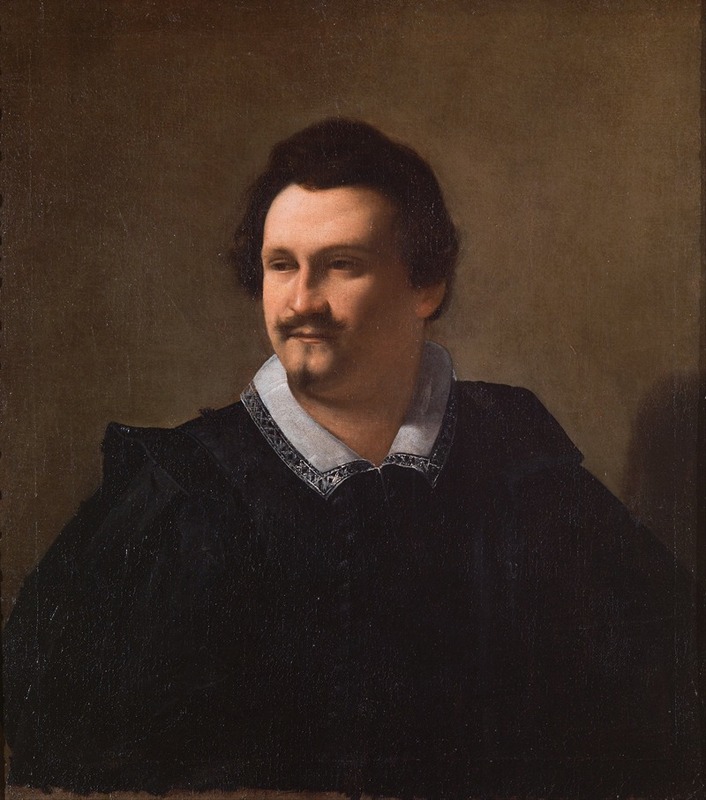
Portrait of a gentleman (Scipione Borghese)
Caravaggio
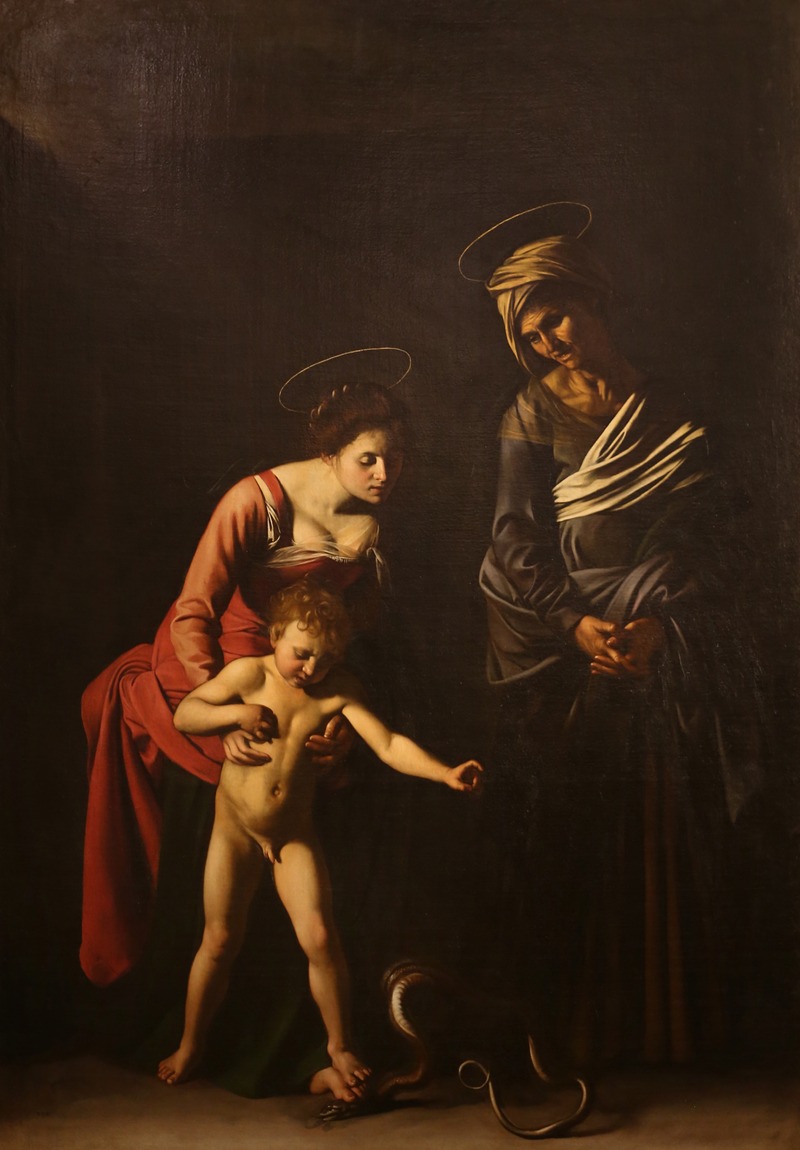
Madonna and Child with Saint Anne
Caravaggio
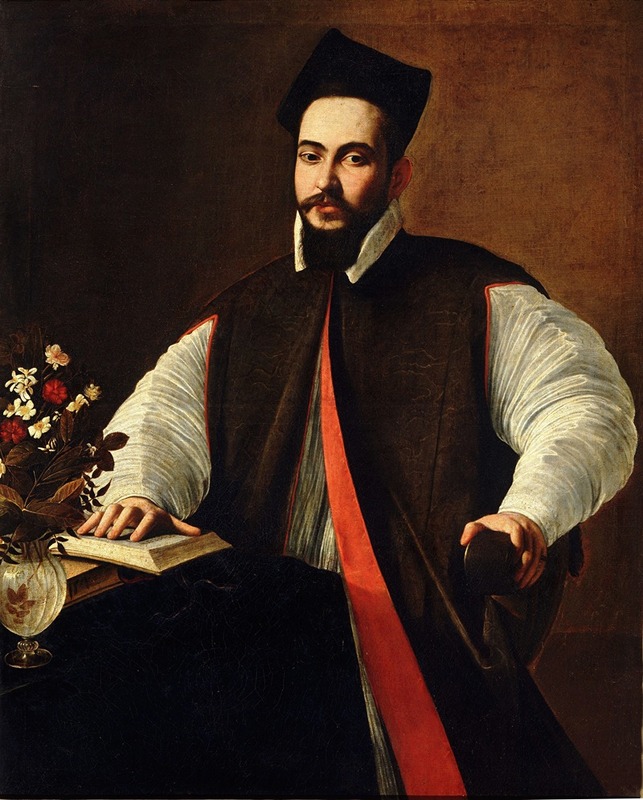
Portrait of Pope Urban VIII
Caravaggio
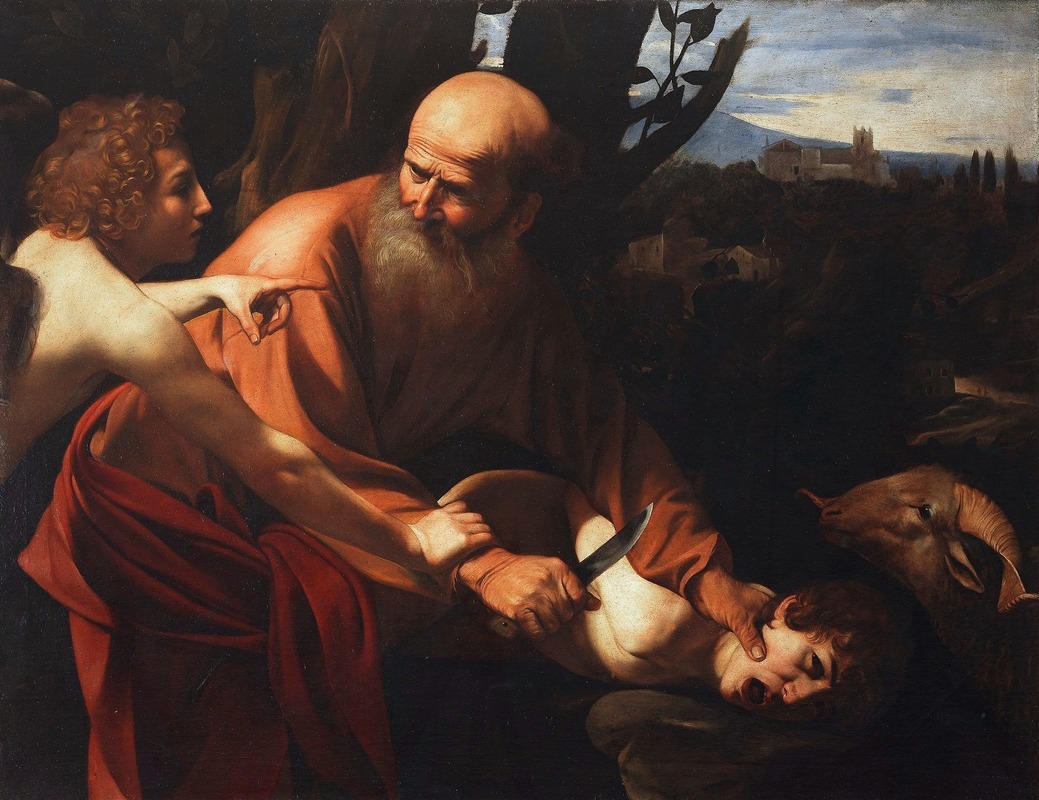
Sacrifice of Isaac
Caravaggio
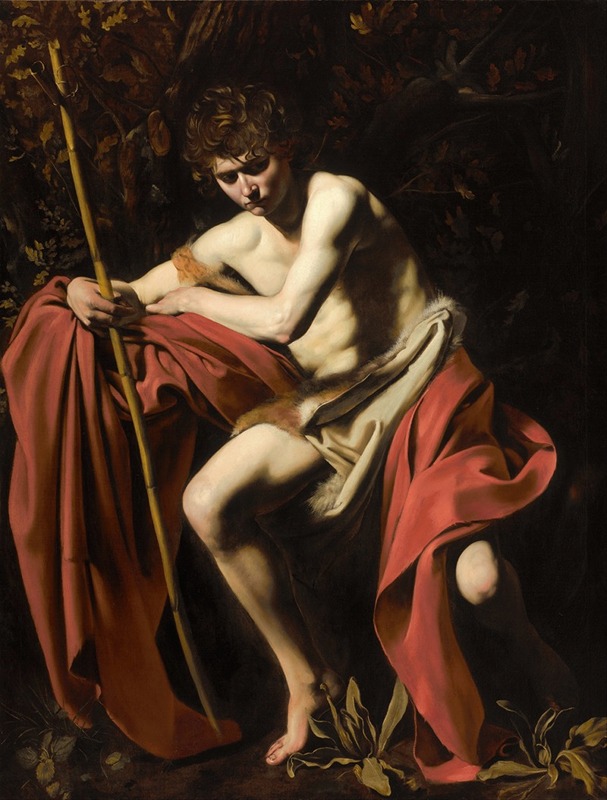
Saint John The Baptist In The Wilderness
Caravaggio
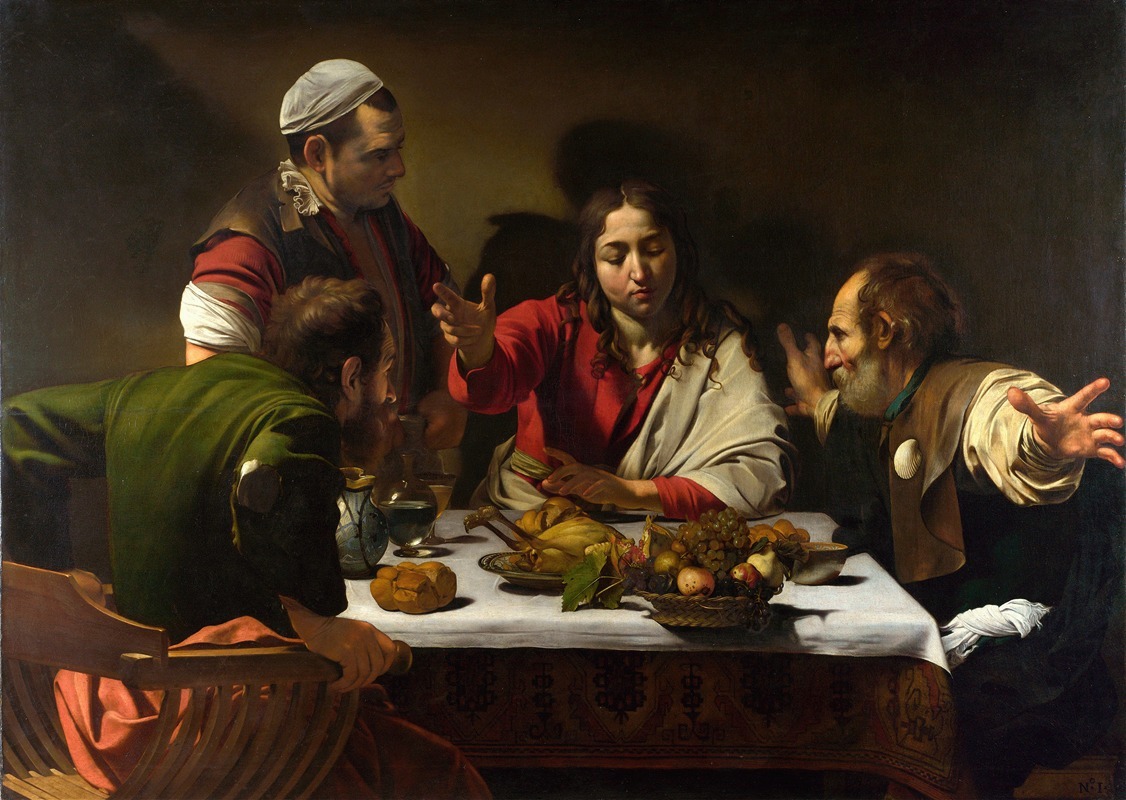
Supper at Emmaus
Caravaggio
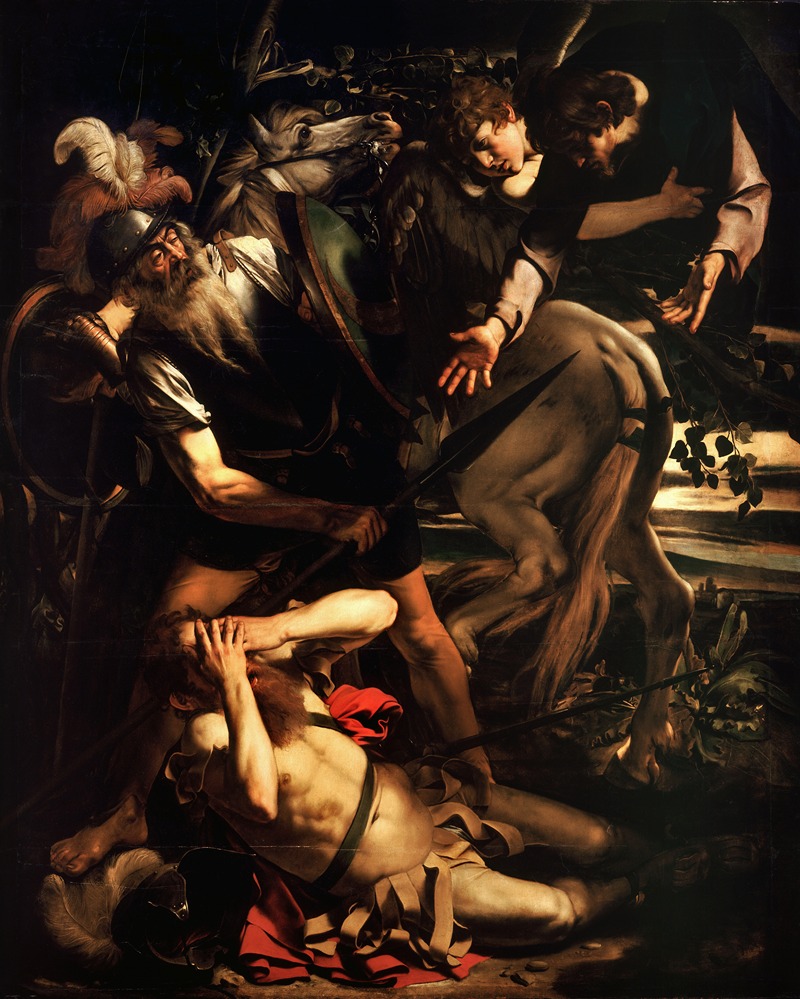
The Conversion of Saint Paul
Caravaggio
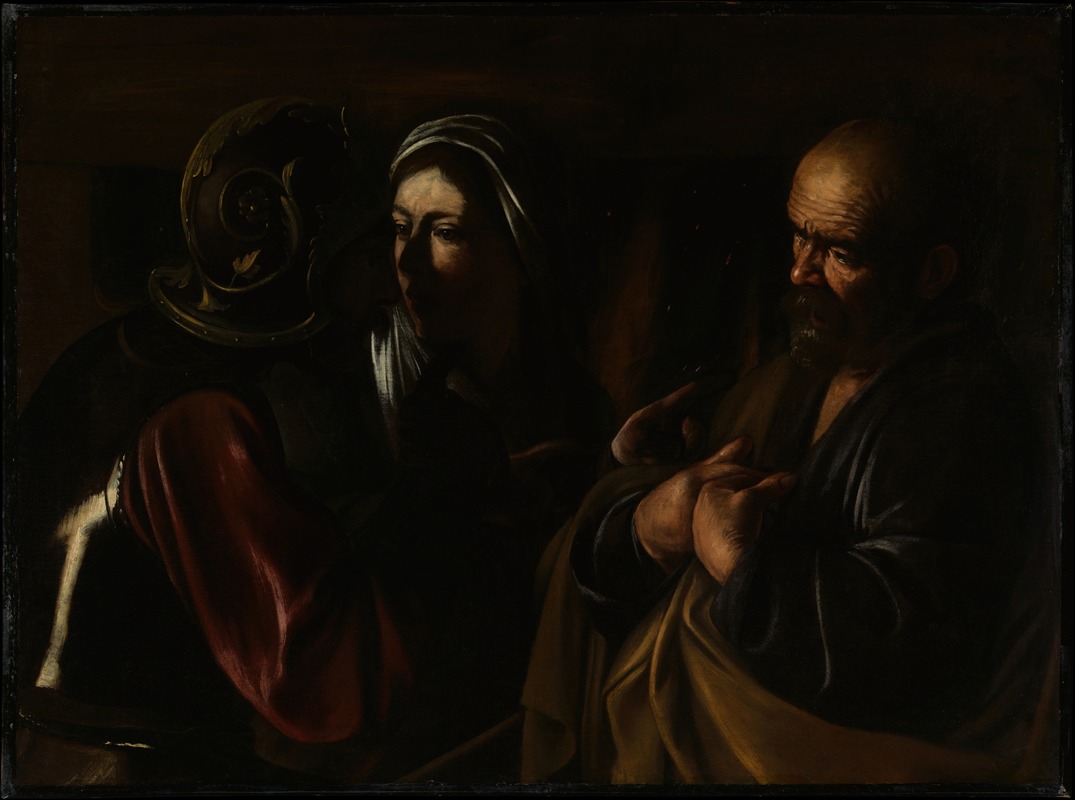
The Denial of Saint Peter
Caravaggio