
The Curfew — History & Facts
Under the brush, chaos becomes grace. In The Curfew, the gentle caress of light unfolds a story whispered by shadows and silhouettes, creating a poignant dialogue between presence and absence. Look to the horizon where soft, golden hues meld into the evening sky, drawing your gaze towards the distant cottages. Notice how the light, captured in dynamic strokes, bathes the landscape in a tranquil glow, contrasting the deepening twilight.
The figures below—clad in muted colors—embody a sense of ritualistic urgency, their movements fluid yet anchored, as they heed the approaching hour that calls them home. Delve deeper into the emotional landscape of this piece, where tension resides in the juxtaposition of day and night, duty and desire. The gentle slope of the hills, kissed by the last rays of sunlight, stands in stark contrast to the looming darkness, evoking a bittersweet longing for the warmth of day. Each brushstroke conveys an unspoken narrative of farewell, resonating with the viewer's own experiences of time slipping away, underscoring the beauty found in fleeting moments. In 1820, John Varley created this evocative scene amidst a burgeoning interest in Romanticism, a movement that celebrated emotion and individualism in the wake of the Industrial Revolution.
Working in England, Varley was influenced by nature’s dramatic contrasts, which reflected the tensions of his time. His dedication to watercolor and landscape painting aligned with a wider cultural shift toward appreciating the sublime beauty of the natural world, intertwining his vision with the evolving narrative of art history.
More Artworks by John Varley
Browse all →
Knaresborough on the River Nidd, Yorkshire
John Varley

Kirkstall Abbey near Leeds
John Varley

Bamborough Castle from the Northeast, with Holy Island in the Distance, Northumberland
John Varley
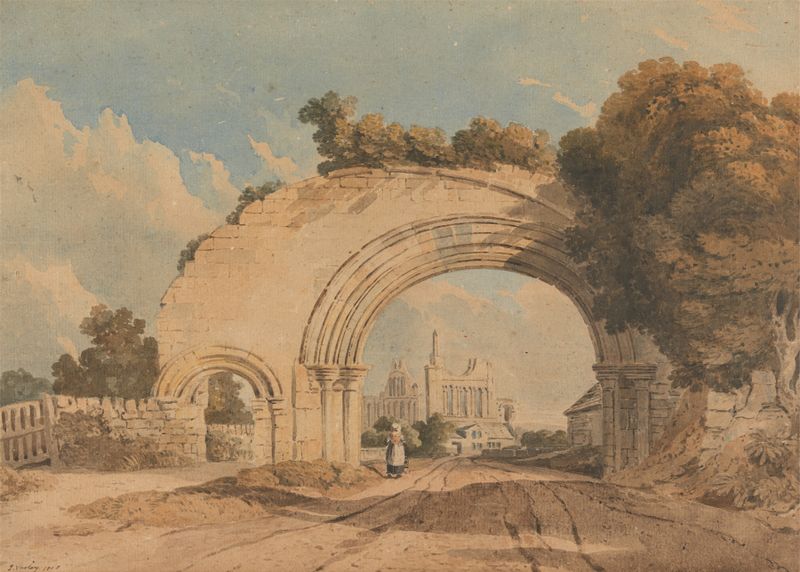
Byland Abbey, Yorkshire
John Varley

View of Conwy Castle, North Wales
John Varley
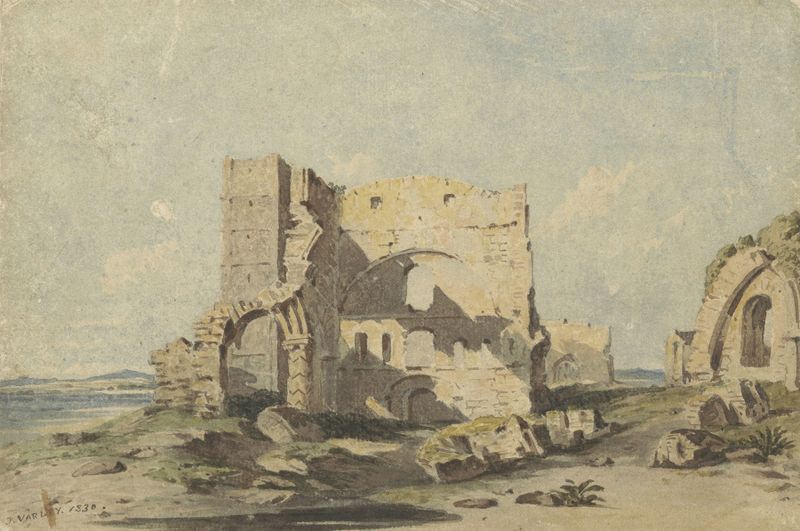
Lindisfarne Abbey op Holy Island, Northumberland
John Varley
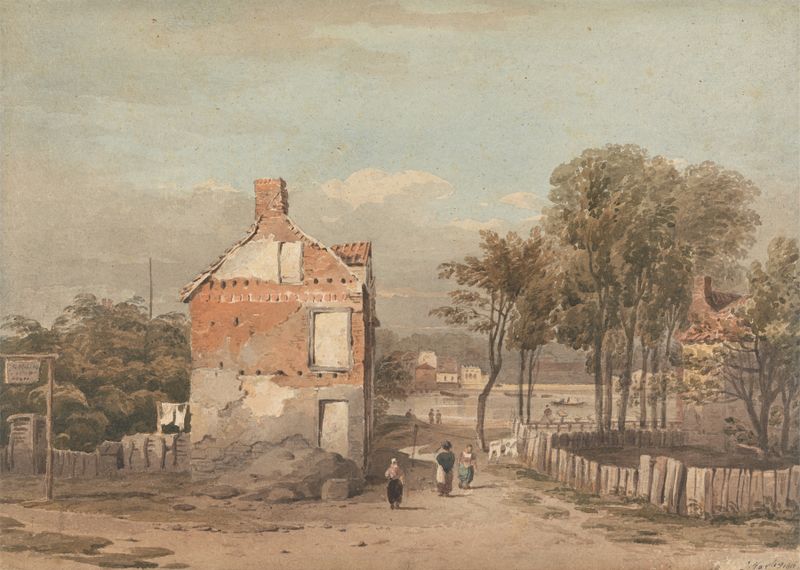
The Thames Near the Penitentiary, Millbank, London
John Varley

Vale of Clwyd, Wales
John Varley

A View along the Thames towards Chelsea Old Church
John Varley

The Thames at Windsor
John Varley





