
The Death of Lucretia — History & Facts
What holds the viewer first in The Death of Lucretia is the charged silence between three figures, caught in a single, fateful moment. The woman’s pale torso emerges from the darkness, her upturned face illuminated as if by a spotlight, eyes fixed somewhere beyond the men who flank her. One hand is guided, almost forced, toward the dagger, while the other arm is restrained, her vulnerability heightened by the exposed flesh and the small, fresh wound at her breast.
The men’s faces are shadowed, their intentions unreadable, but their physical presence is undeniable—a tangle of limbs and cloth, all energy and tension. The composition draws the eye to the intersection of hands, steel, and skin, making the act itself the painting’s silent, inescapable center. Created in 1513 by Il Sodoma, this painting belongs to the High Renaissance, a period when artists turned to classical stories to explore the extremes of human emotion and virtue. The subject of Lucretia—an ancient Roman heroine whose suicide sparked a revolution—was a favored theme, commissioned by patrons eager to display both learning and moral seriousness.
Paintings like this one were often destined for private rooms, where their intense drama could be contemplated up close. Little is recorded about the journey of this particular canvas, but its survival allows us to see how artists of the era used light, gesture, and the human body to turn history into living drama. The shadows that crowd around Lucretia seem to press in from the world outside the frame, inviting us to step closer and search for meaning in every brushstroke.
More Artworks by Il Sodoma

The Penitent Magdalene
Il Sodoma
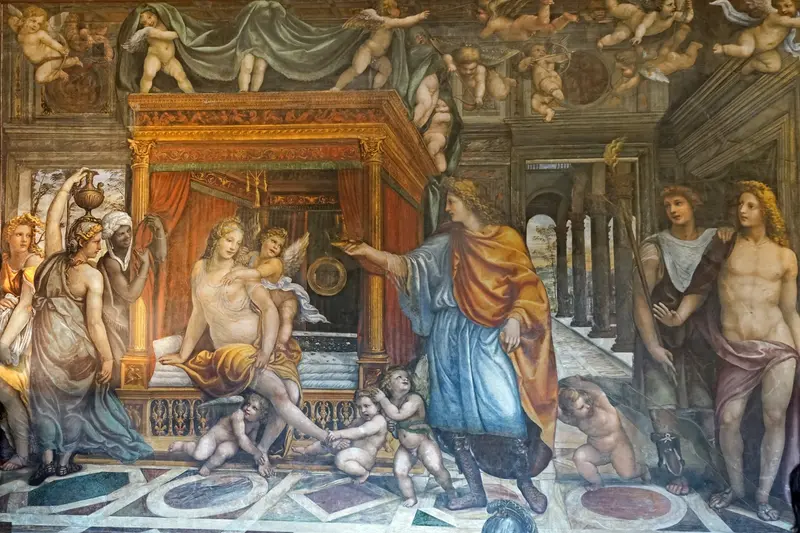
The Marriage of Alexander and Roxana, Villa Farnesina
Il Sodoma
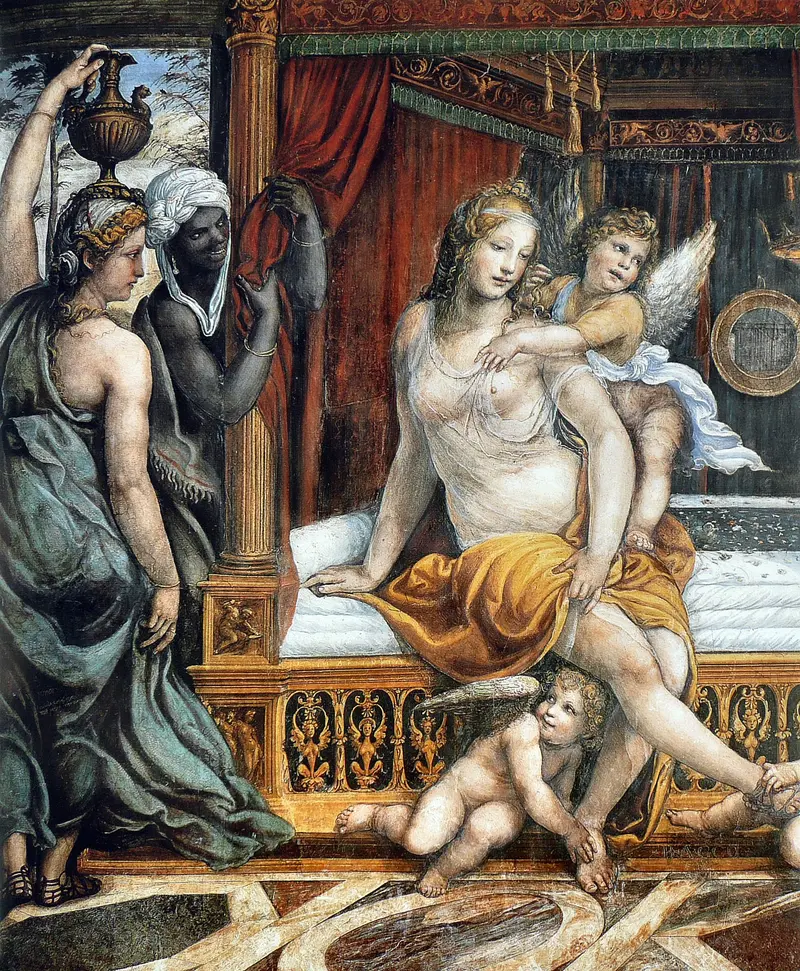
Roxana Receiving the Crown (Il Sodoma)
Il Sodoma
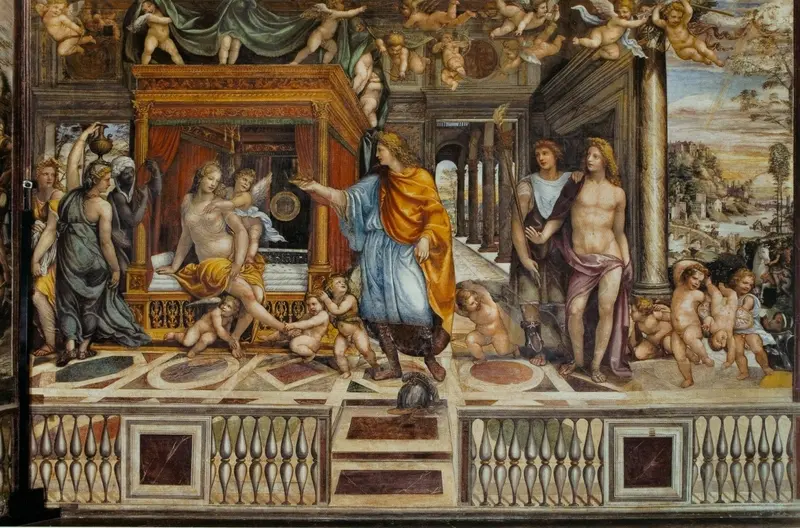
The Wedding of Alexander and Roxana (Il Sodoma)
Il Sodoma
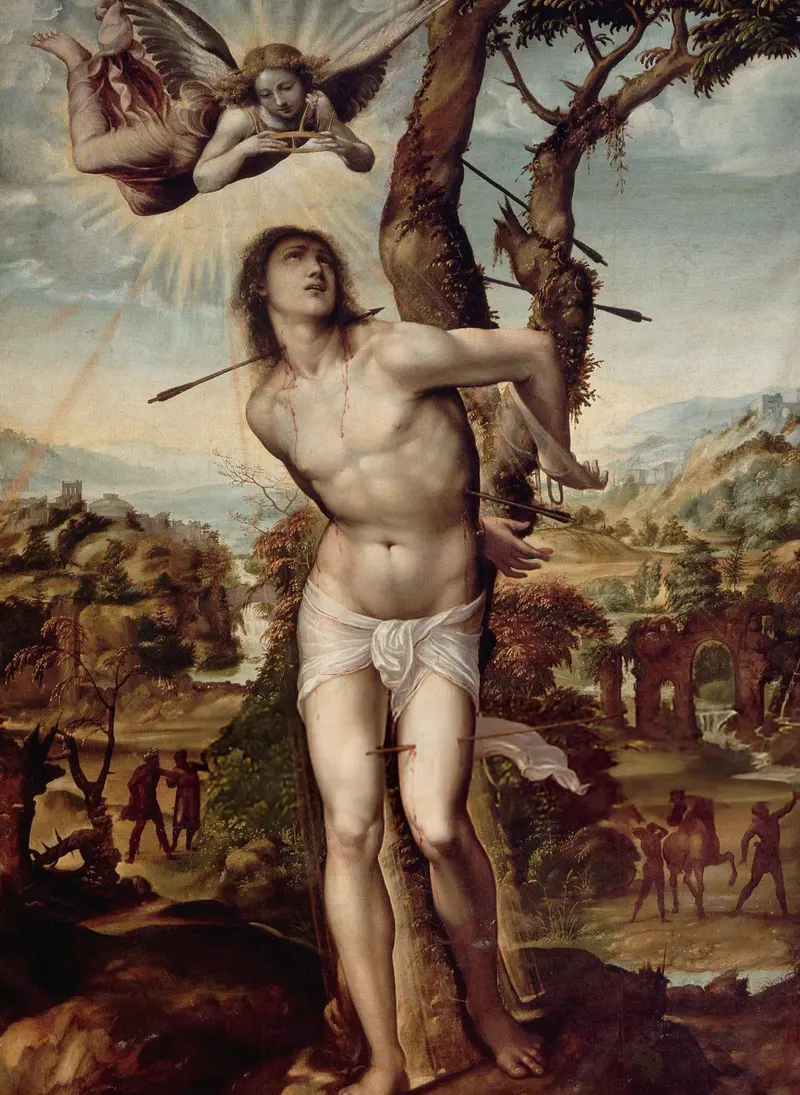
Saint Sebastian
Il Sodoma
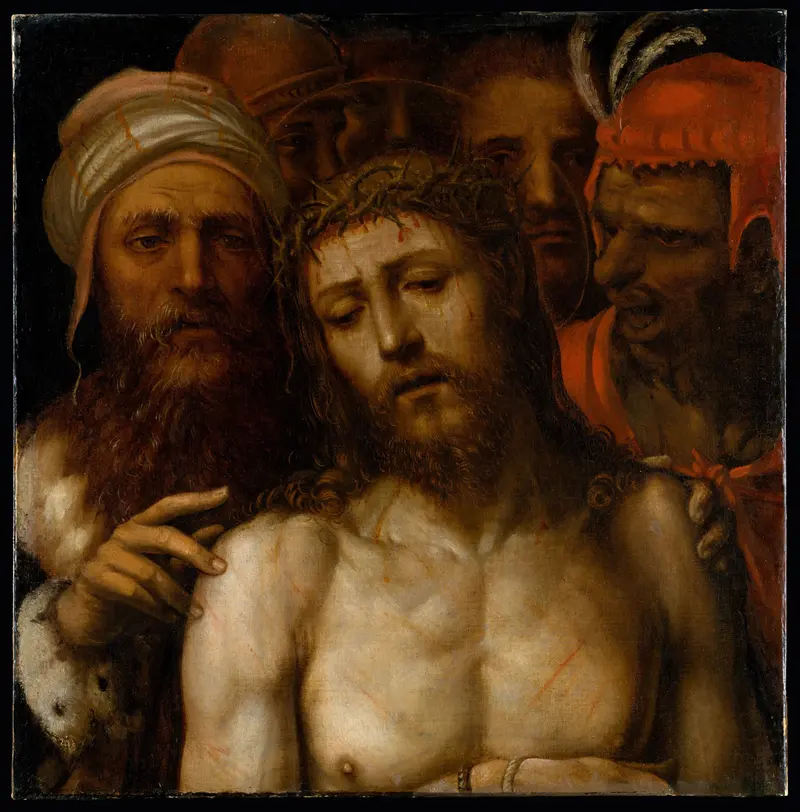
Christ Presented to the People (Ecce Homo)
Il Sodoma
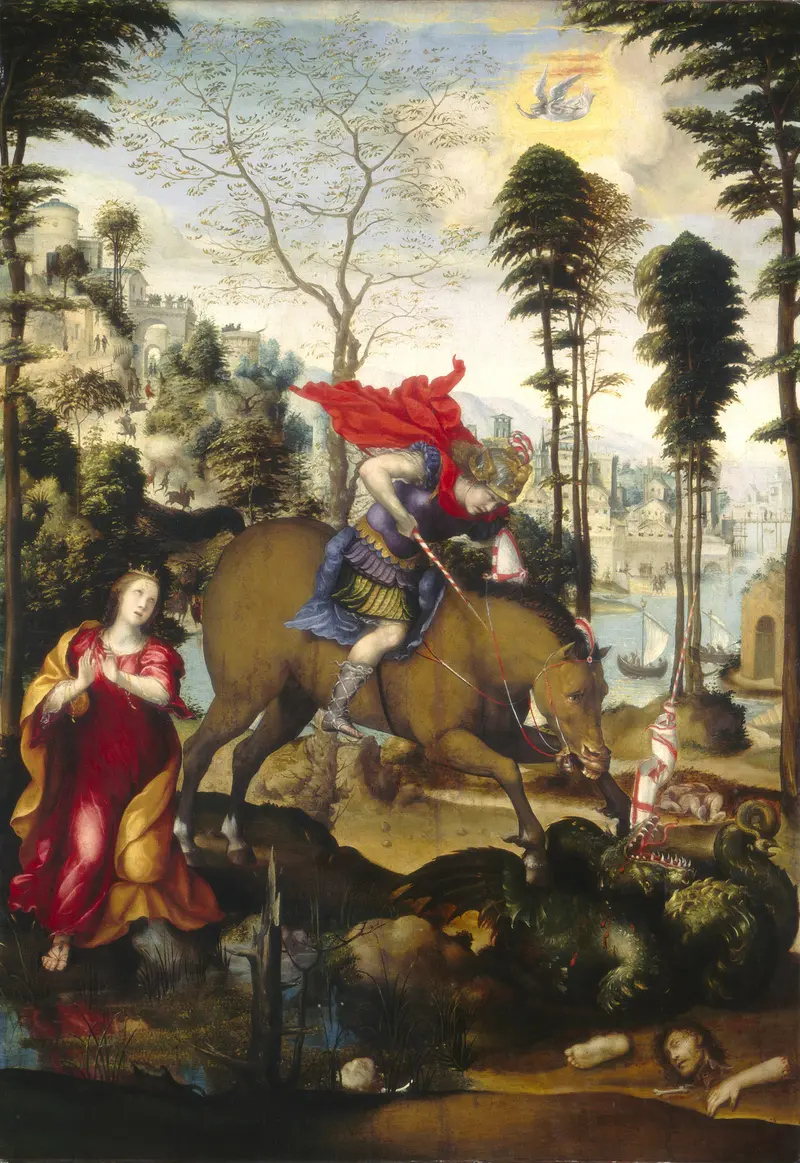
Saint George and the Dragon
Il Sodoma
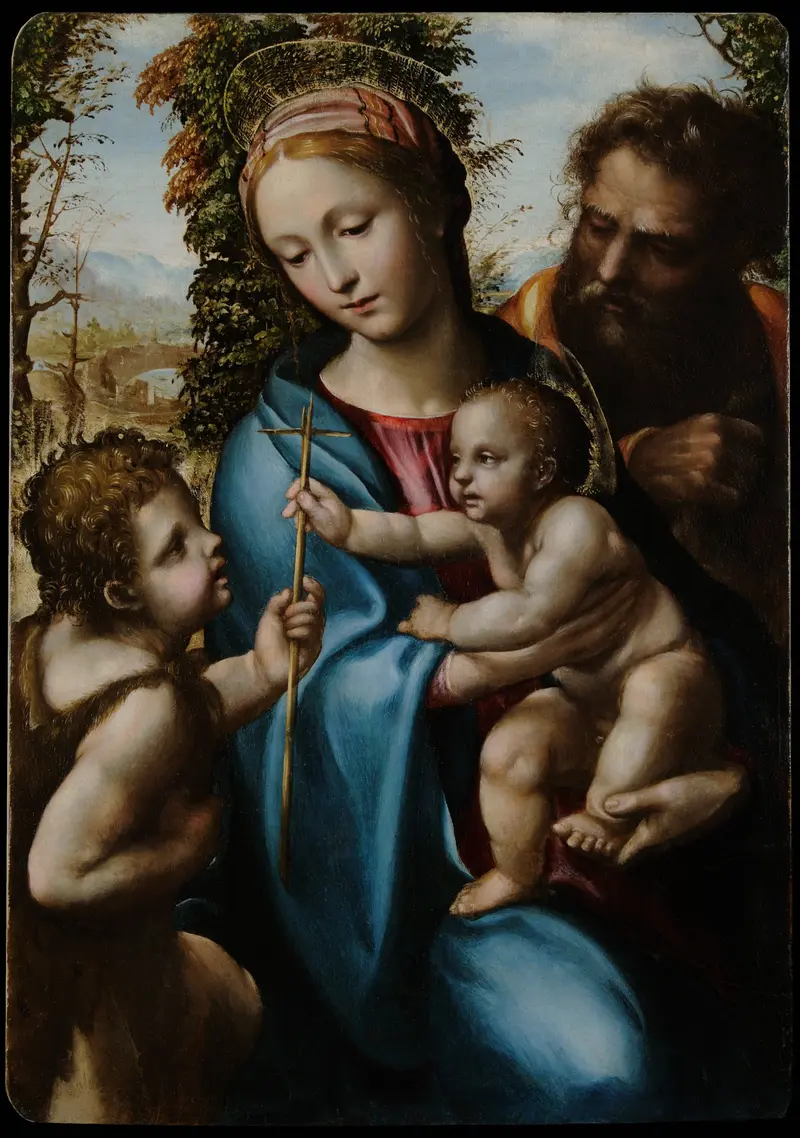
The Holy Family with the Young Saint John
Il Sodoma
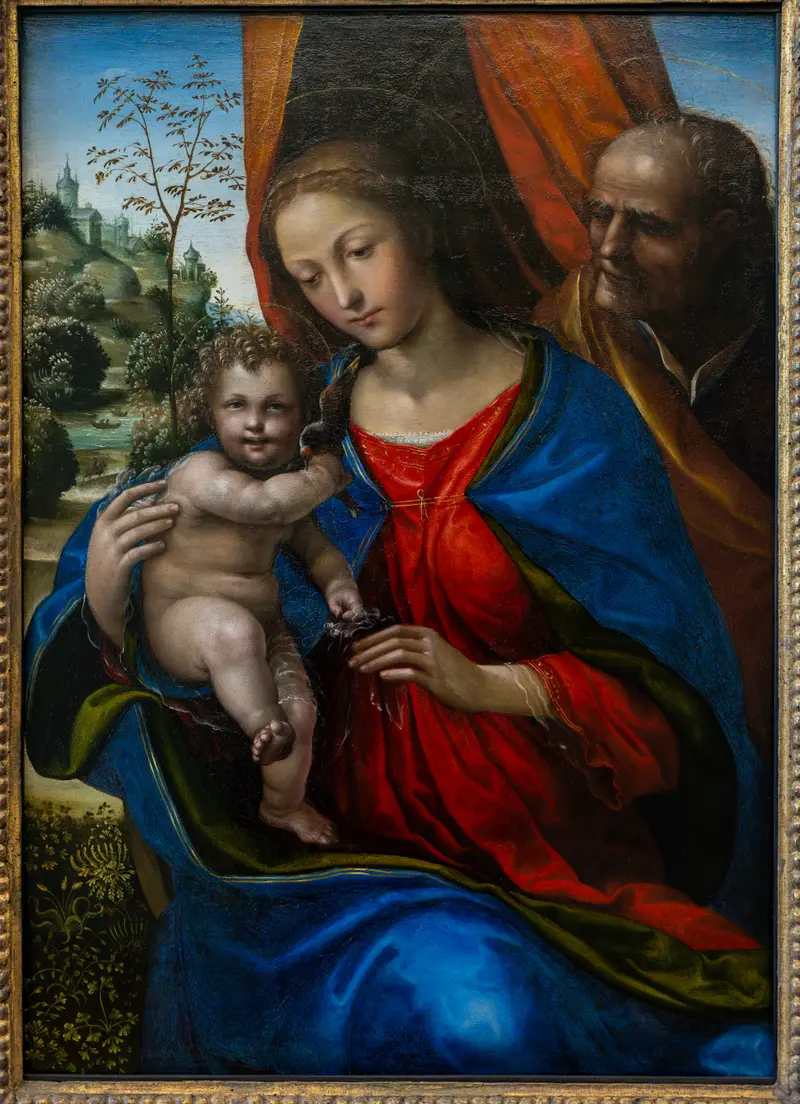
The Holy Family
Il Sodoma





