
Roxana Receiving the Crown (Il Sodoma) — History & Facts
A moment of anticipation fills the air: Roxane, seated on a grand bed beneath a canopy of crimson and gold, is not just the center of the composition but the axis around which every gaze and gesture turns. The artist, Il Sodoma, draws the viewer into the scene by layering textures—gleaming marble, soft flesh, and rippling drapery—so that the eye moves from the marble floor to Roxane’s luminous skin, and finally to the playful putti who animate the lower half of the painting. The act of crowning is not shown as a formal ceremony but as an intimate, almost playful exchange: a cherub climbs onto Roxane’s lap, his wings echoing the sweep of her golden hair, while another tugs at her foot, grounding the myth in a world of touch and warmth. The world of early sixteenth-century Italy was one of spectacle and storytelling, and paintings like this—created in 1519—were meant to delight and instruct in equal measure.
Scenes from classical history and legend were favored by patrons who saw themselves reflected in the grandeur and drama of antiquity. Il Sodoma was among the artists who excelled at weaving myth and sensuality into domestic settings, often for private rooms where such stories could be savored by a select audience. History has kept few traces of this particular Roxana Receiving the Crown, but its theatricality and rich detail invite us to linger, searching for echoes of ancient tales in every fold of fabric and every sidelong glance.
More Artworks by Il Sodoma

The Penitent Magdalene
Il Sodoma

The Death of Lucretia
Il Sodoma
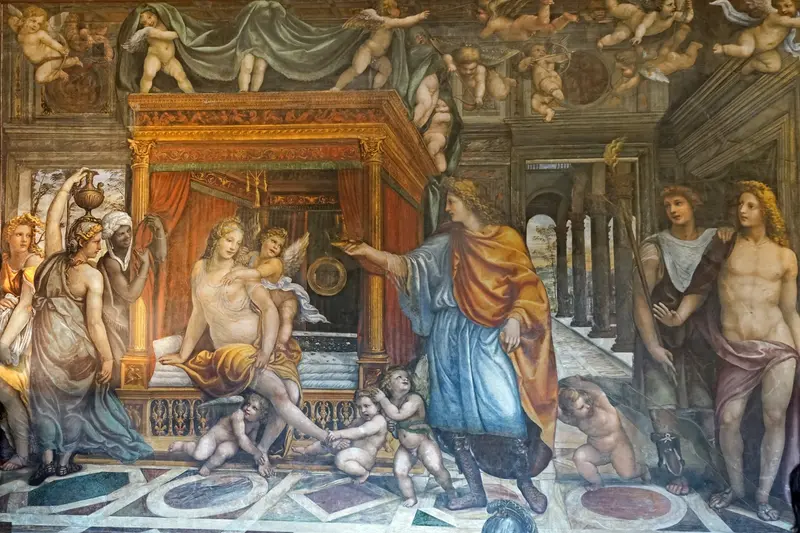
The Marriage of Alexander and Roxana, Villa Farnesina
Il Sodoma
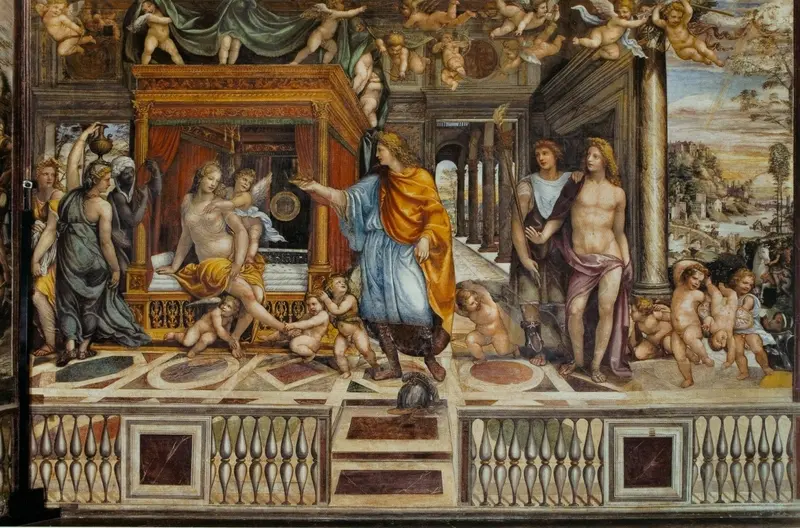
The Wedding of Alexander and Roxana (Il Sodoma)
Il Sodoma
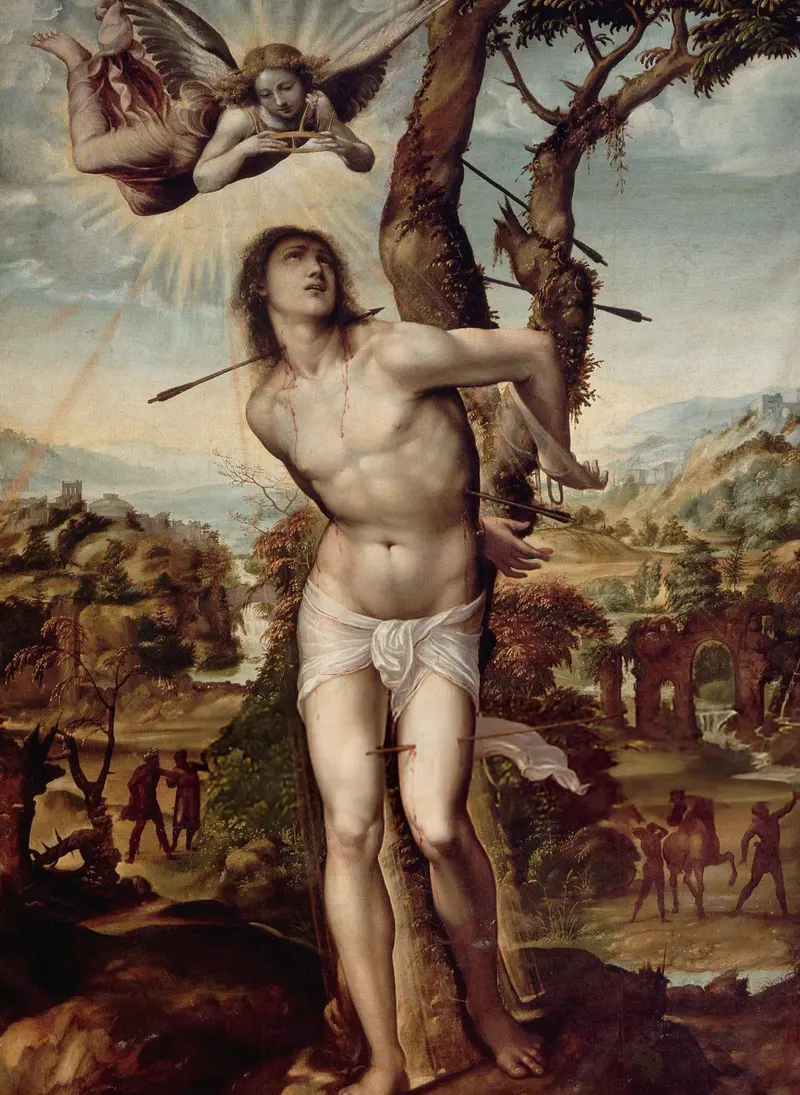
Saint Sebastian
Il Sodoma
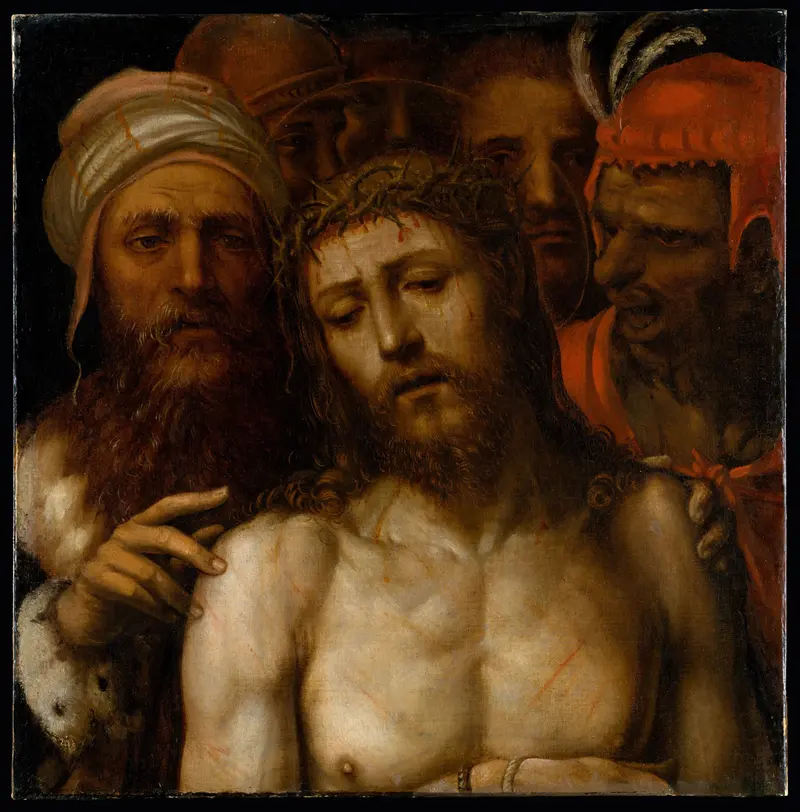
Christ Presented to the People (Ecce Homo)
Il Sodoma
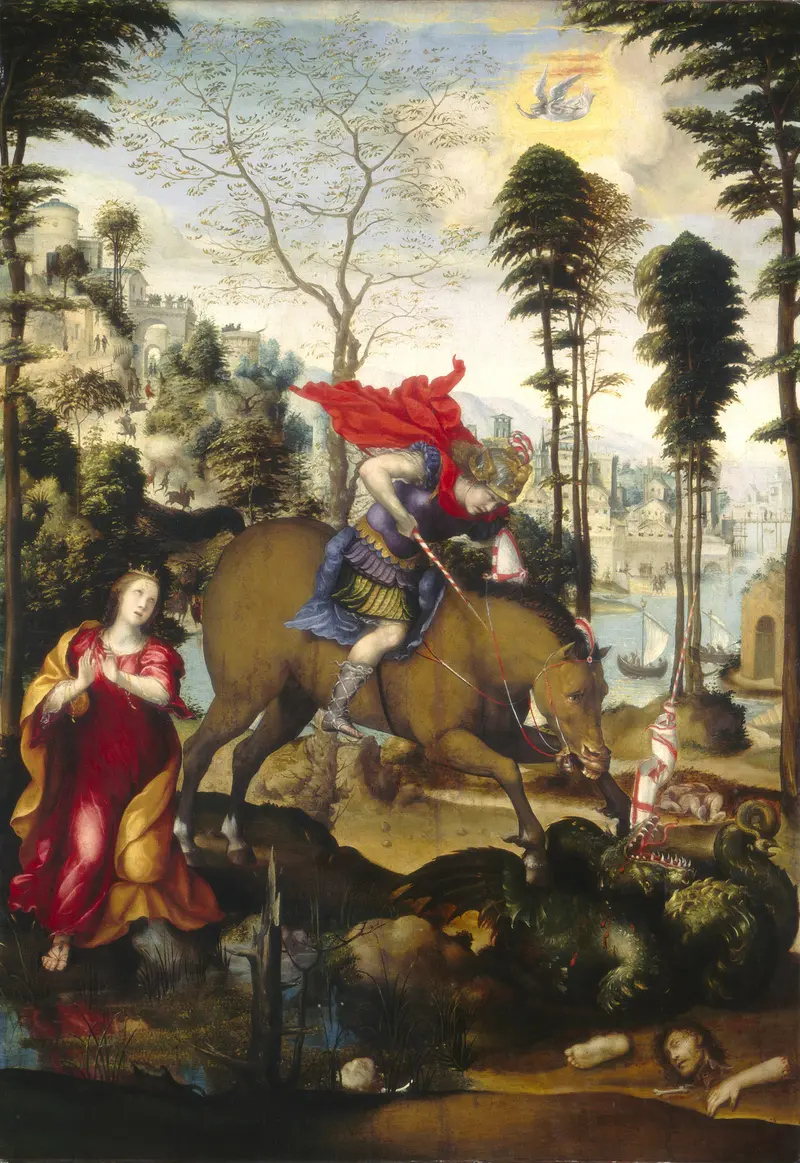
Saint George and the Dragon
Il Sodoma
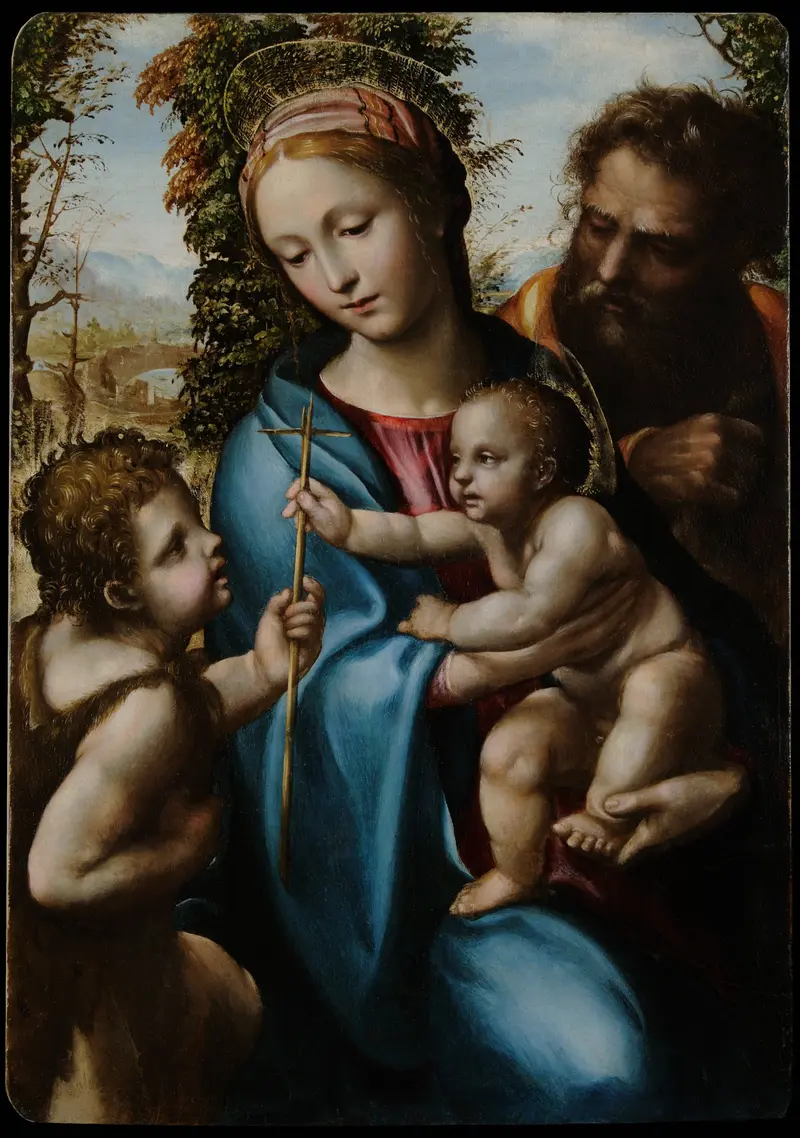
The Holy Family with the Young Saint John
Il Sodoma
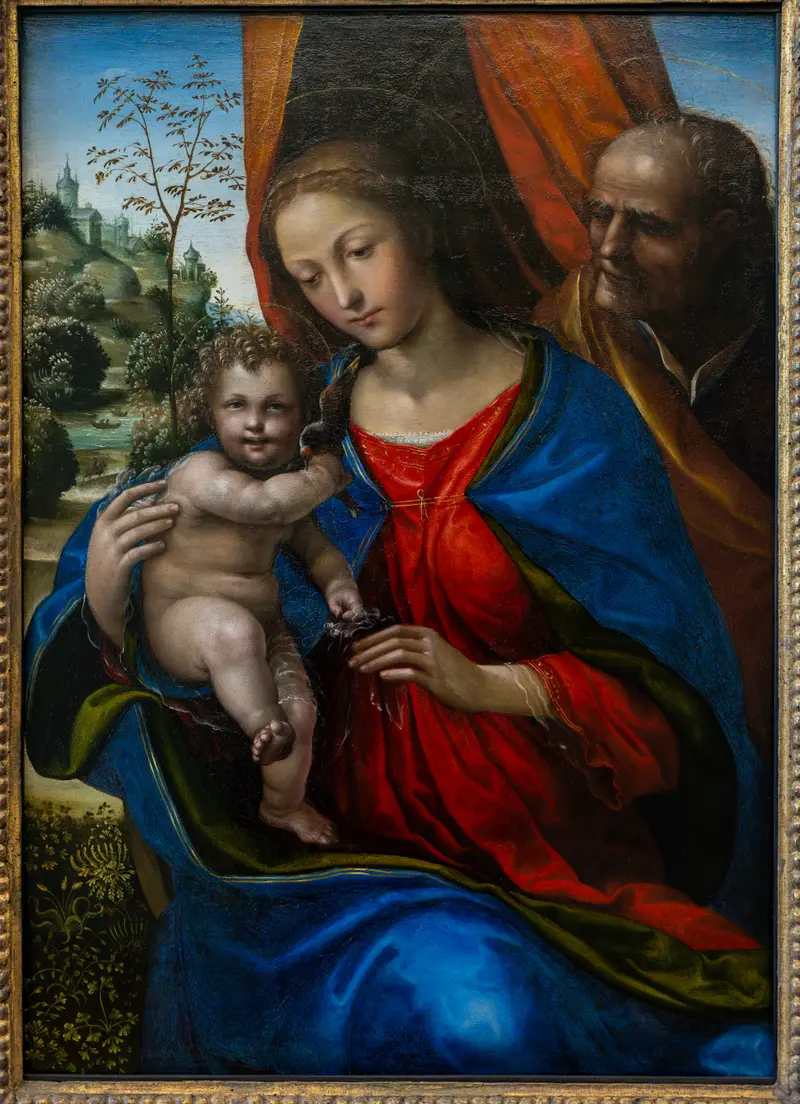
The Holy Family
Il Sodoma





