
Saint George and the Dragon — History & Facts
A knight in gleaming armor leans from his horse, lance poised in the instant before triumph or disaster, while a princess in crimson and gold clasps her hands in hope or prayer. The scene is dense with anticipation: Saint George’s scarlet cape whips behind him, echoing the bloodied ribbons that bind the dragon’s neck. The dragon itself is a mass of dark, scaly menace, its jaws wide and claws raking the earth, yet the painter gives equal weight to the lush, almost enchanted landscape that surrounds this moment—tall trees, distant castles, and a glimmering city by the water.
A pair of white birds circle the sun, a detail that lifts the eye and suggests a divine witness to the struggle below. Every element, from the princess’s golden crown to the scattered remains at the dragon’s feet, is designed to draw the viewer into the tension and hope of the story’s turning point. Painted probably around 1518, Saint George and the Dragon by Il Sodoma belongs to a world where such images were more than tales—they were declarations of faith and power. In Renaissance Italy, scenes of saints and miracles filled private chapels and civic halls, commissioned by patrons eager to proclaim their piety and status.
The artist’s intricate attention to armor, fabric, and landscape reflects the era’s fascination with both the real and the miraculous, blending earthly detail with otherworldly drama. Though little is recorded about the journey of this particular painting before its arrival at the National Gallery of Art, its survival speaks to the enduring appeal of legends rendered with such theatrical clarity. The longer you look, the more the painting reveals: a story not just of monsters and heroes, but of a world where the miraculous might break through at any moment.
More Artworks by Il Sodoma

The Penitent Magdalene
Il Sodoma

The Death of Lucretia
Il Sodoma
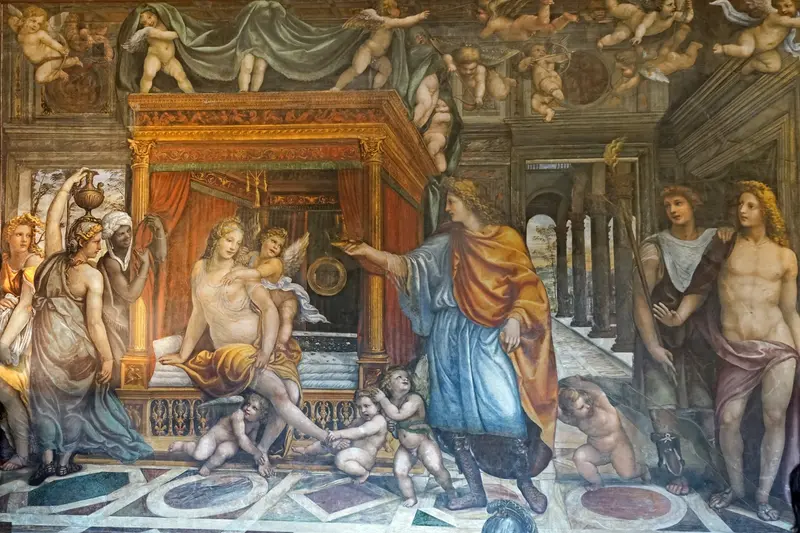
The Marriage of Alexander and Roxana, Villa Farnesina
Il Sodoma
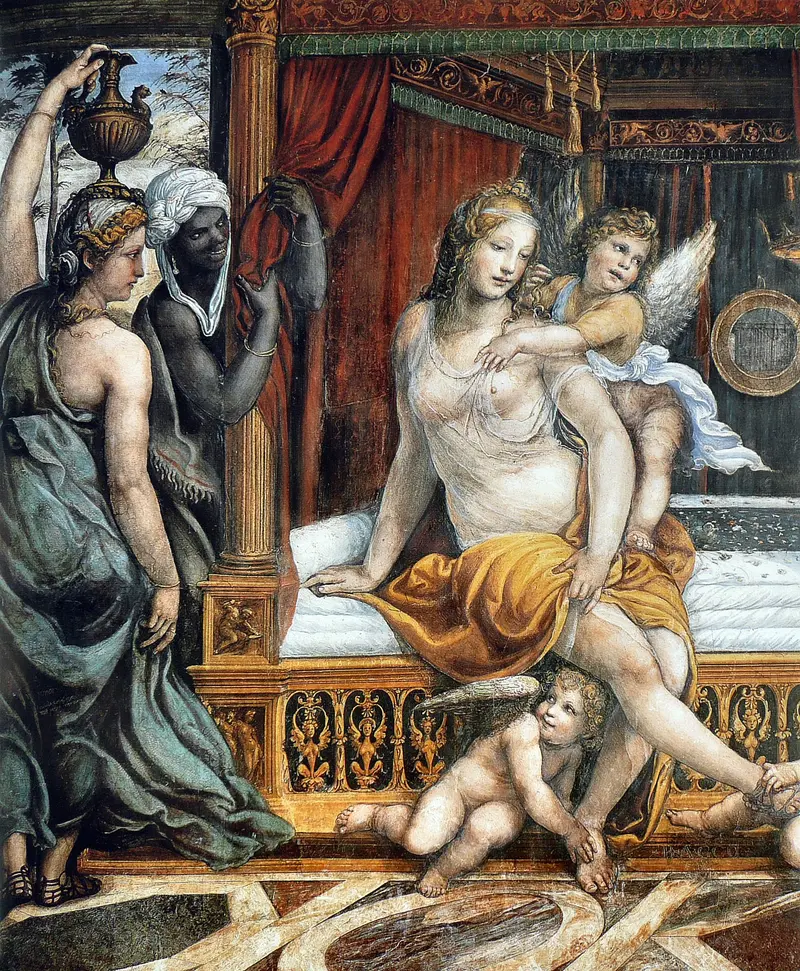
Roxana Receiving the Crown (Il Sodoma)
Il Sodoma
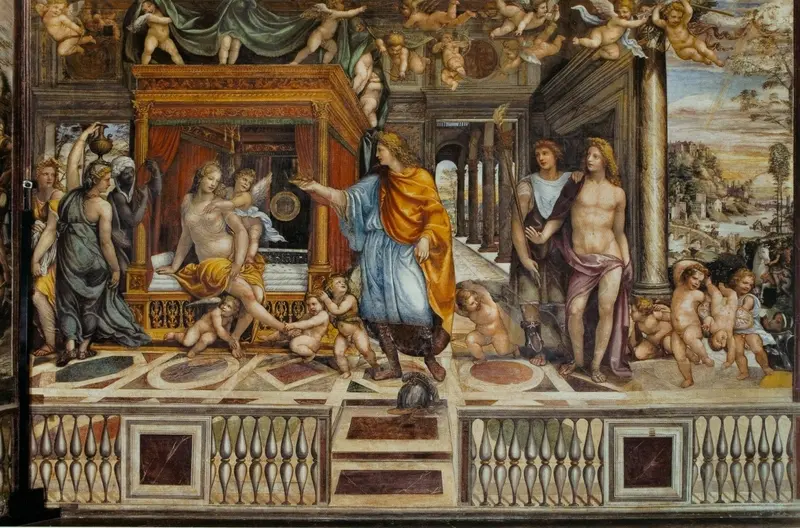
The Wedding of Alexander and Roxana (Il Sodoma)
Il Sodoma
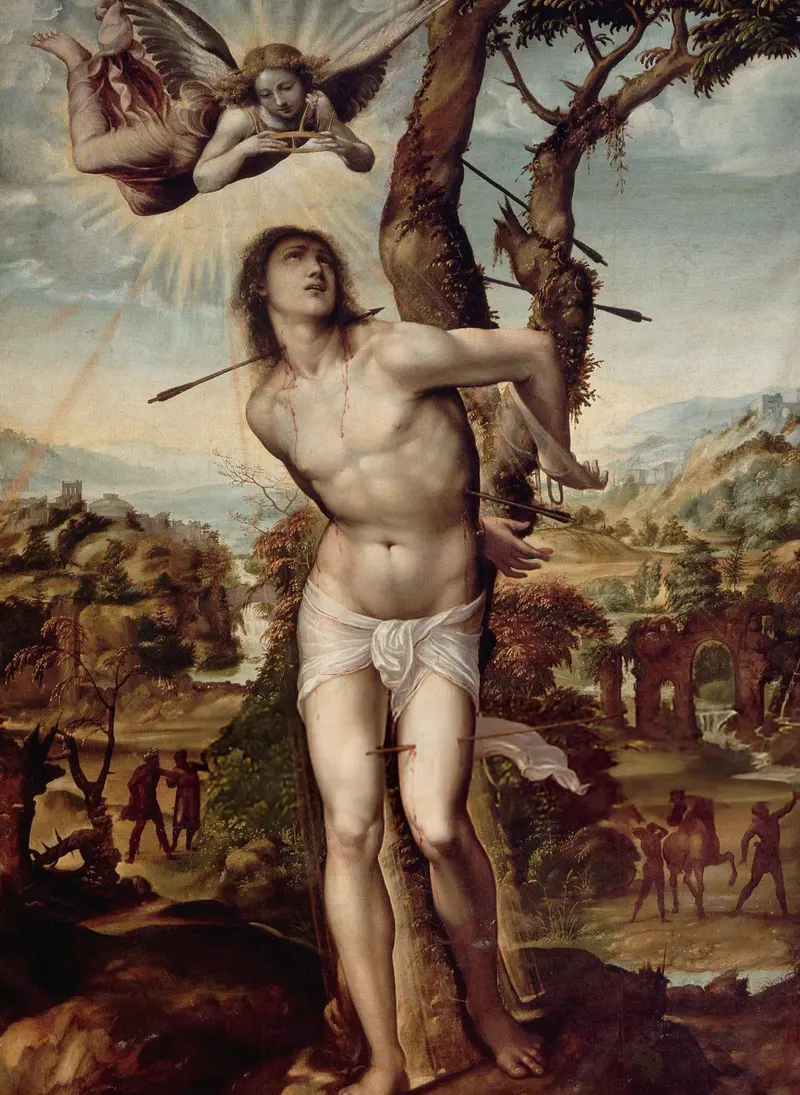
Saint Sebastian
Il Sodoma
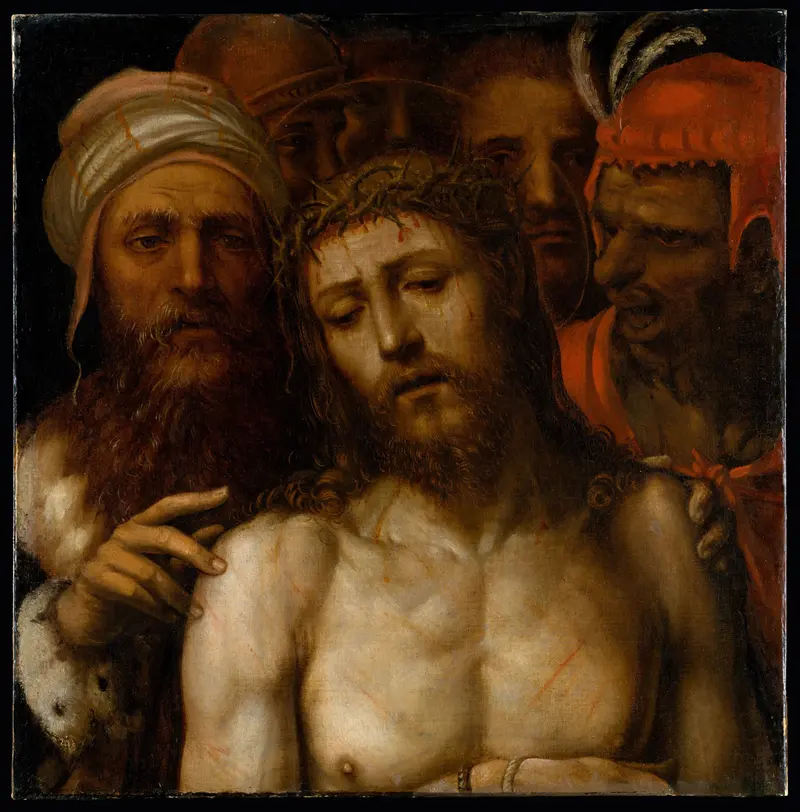
Christ Presented to the People (Ecce Homo)
Il Sodoma
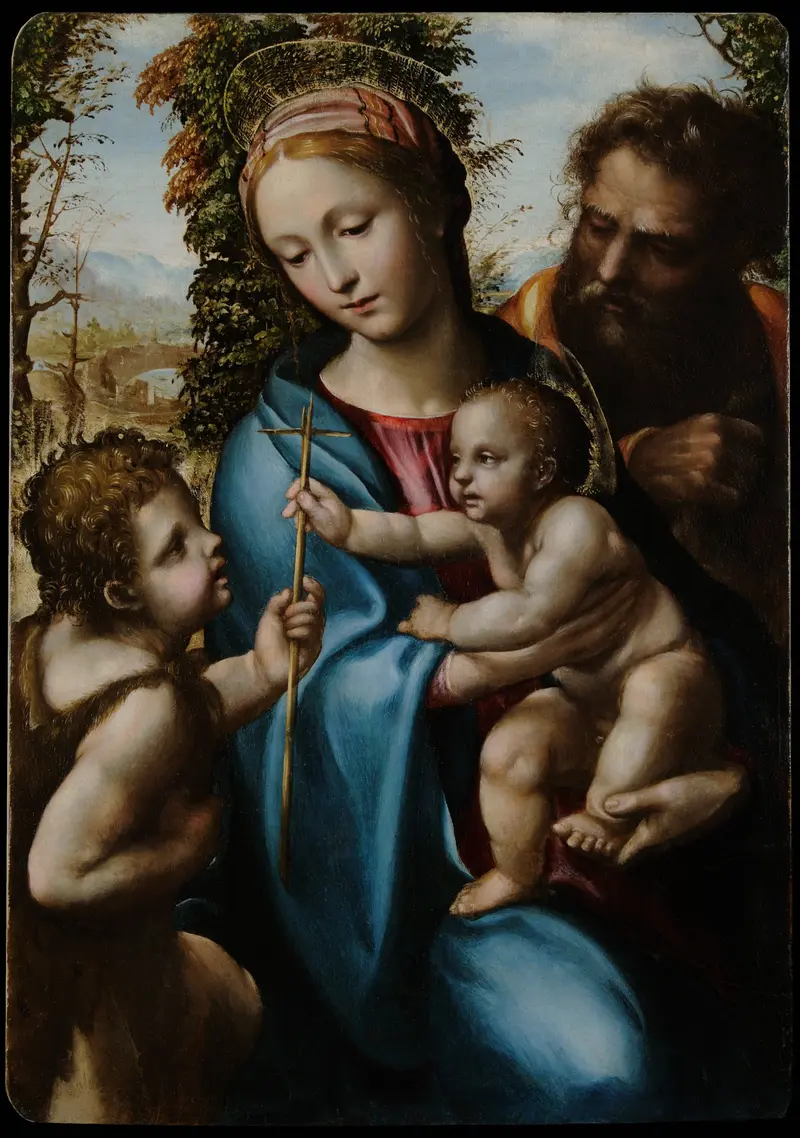
The Holy Family with the Young Saint John
Il Sodoma
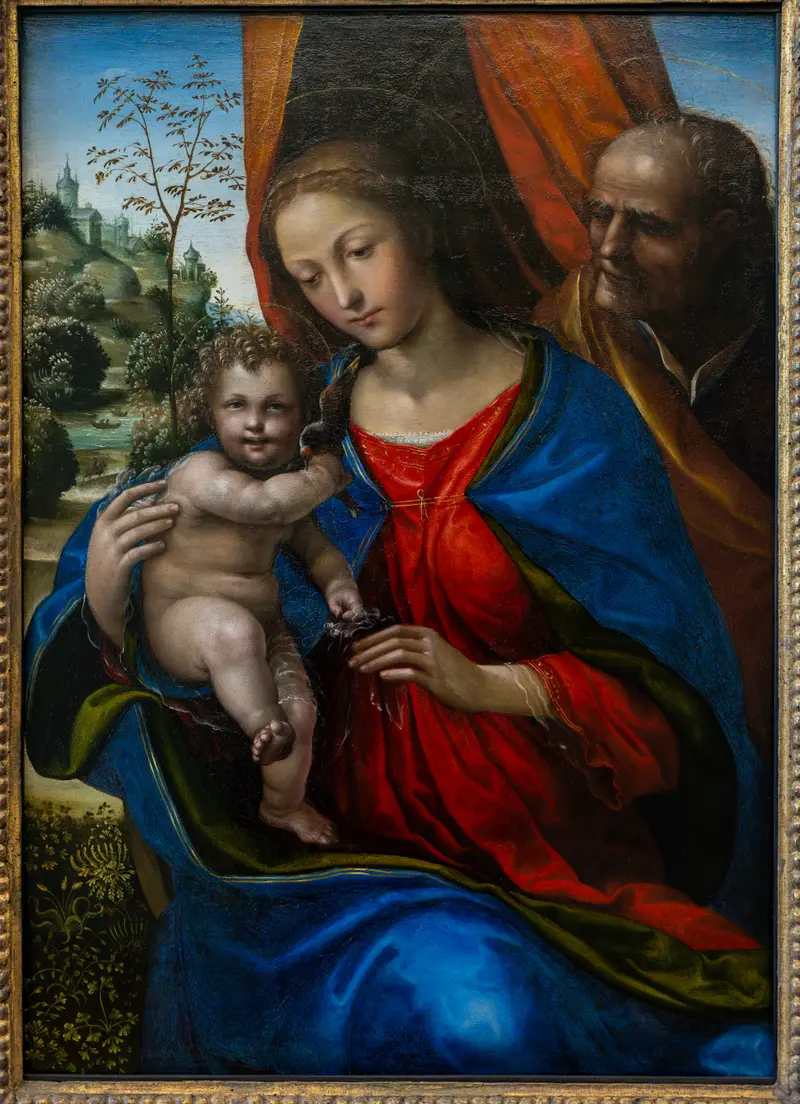
The Holy Family
Il Sodoma





