
The Holy Family — History & Facts
What first catches the eye in this Holy Family is the gentle choreography of glances: the Christ Child’s open, almost playful gaze meets the viewer directly, while Mary’s eyes fall downward in quiet contemplation, and Joseph, half-shadowed, looks on with a protective tenderness. The deep blue and vivid red of Mary’s robe anchor the scene, their folds guiding our attention to the delicate exchange of touch between mother and child. The infant’s arm encircles Mary’s neck, a gesture of both affection and dependence, while Joseph’s presence, set slightly back, adds a layer of watchfulness.
Behind them, the landscape recedes into a world of distant towers and winding rivers, as if to remind us that this moment of intimacy unfolds against the vastness of history. Works like this, attributed to Il Sodoma, belong to a tradition that flourished in Renaissance Italy, where images of the Holy Family were prized for private devotion and contemplation. Patrons sought not only theological reassurance but also a sense of the sacred made tangible through human warmth and beauty. The artist’s soft modeling of flesh, the luminous drapery, and the careful balance of figures reflect the influence of the High Renaissance, when painters competed to capture both naturalism and grace.
Though little is recorded about this specific painting—documented here only as part of a private collection in 2023—it stands as a testament to the enduring appeal of these intimate, meditative scenes. Let your eye linger on the subtle interplay of hands and glances, and imagine the silent prayers this image once inspired.
More Artworks by Il Sodoma

The Penitent Magdalene
Il Sodoma

The Death of Lucretia
Il Sodoma
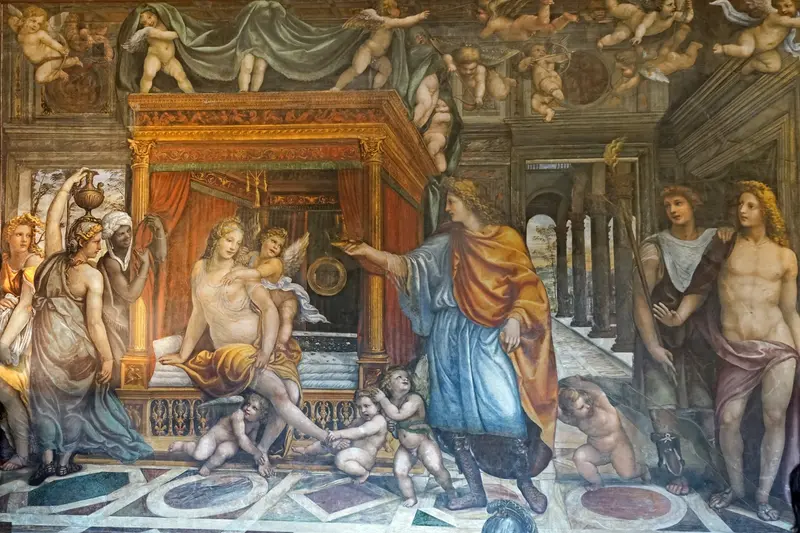
The Marriage of Alexander and Roxana, Villa Farnesina
Il Sodoma
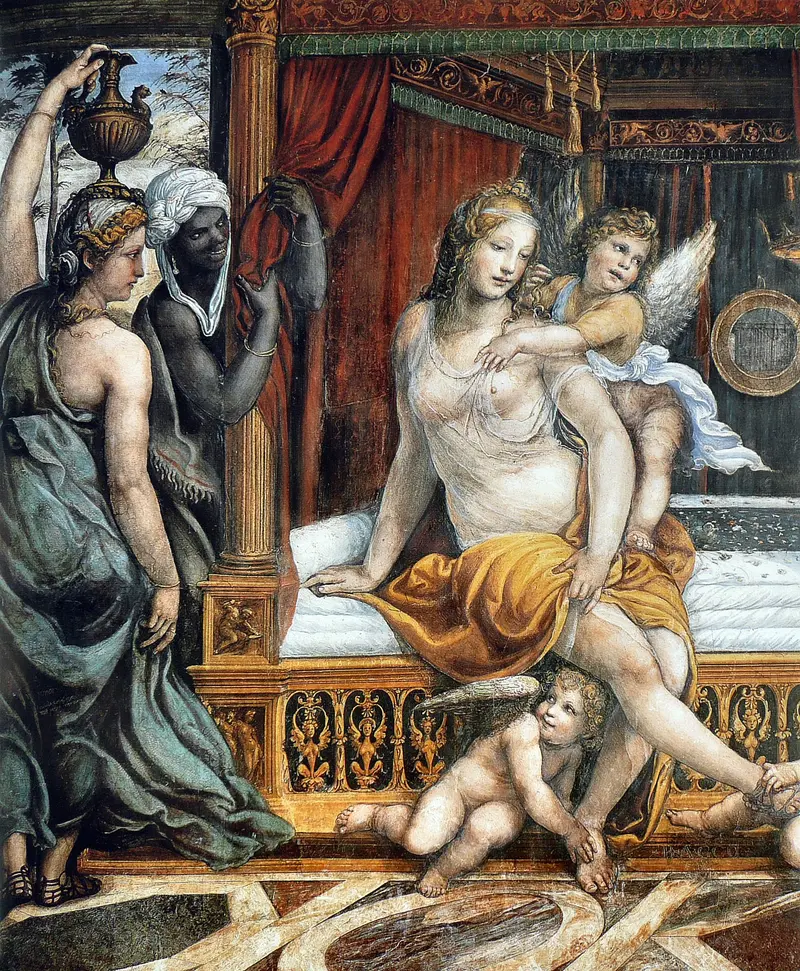
Roxana Receiving the Crown (Il Sodoma)
Il Sodoma
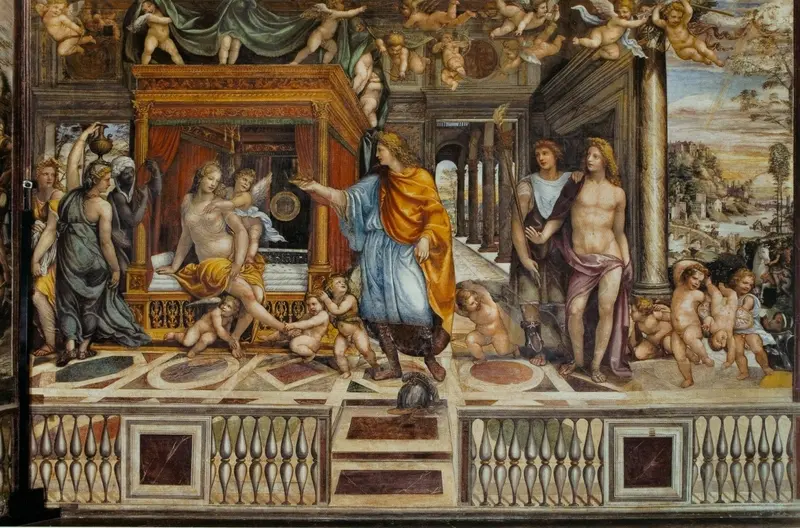
The Wedding of Alexander and Roxana (Il Sodoma)
Il Sodoma
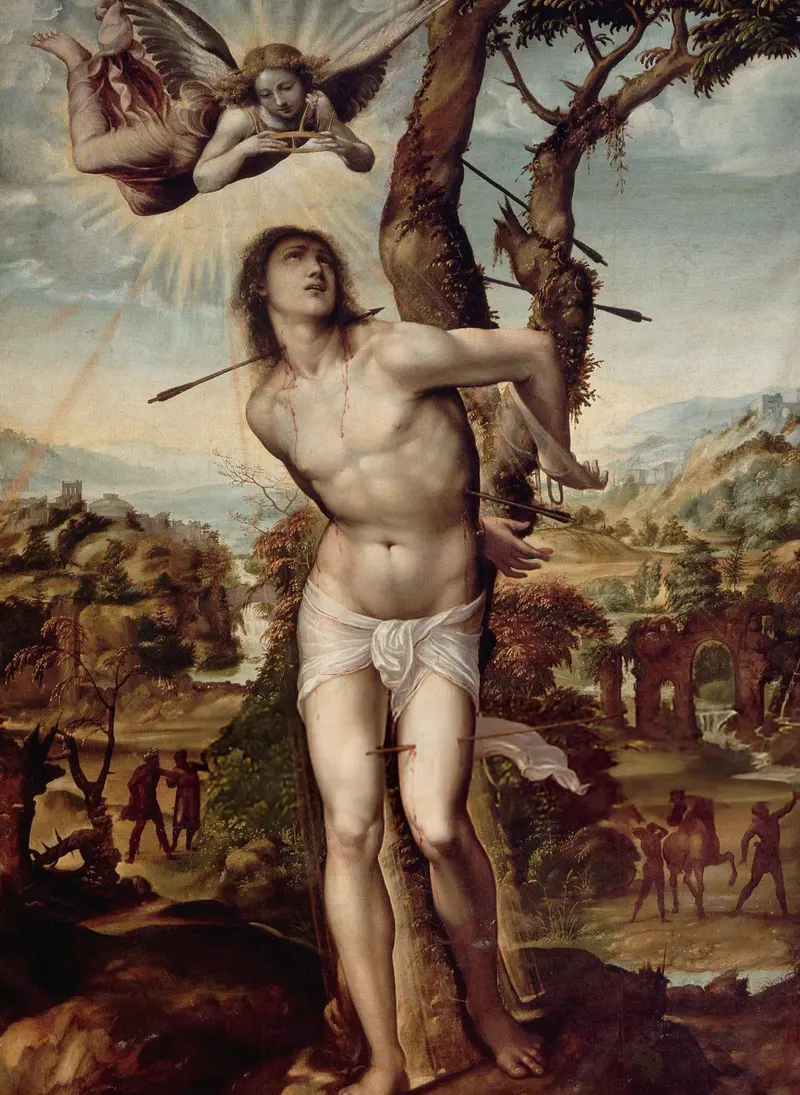
Saint Sebastian
Il Sodoma
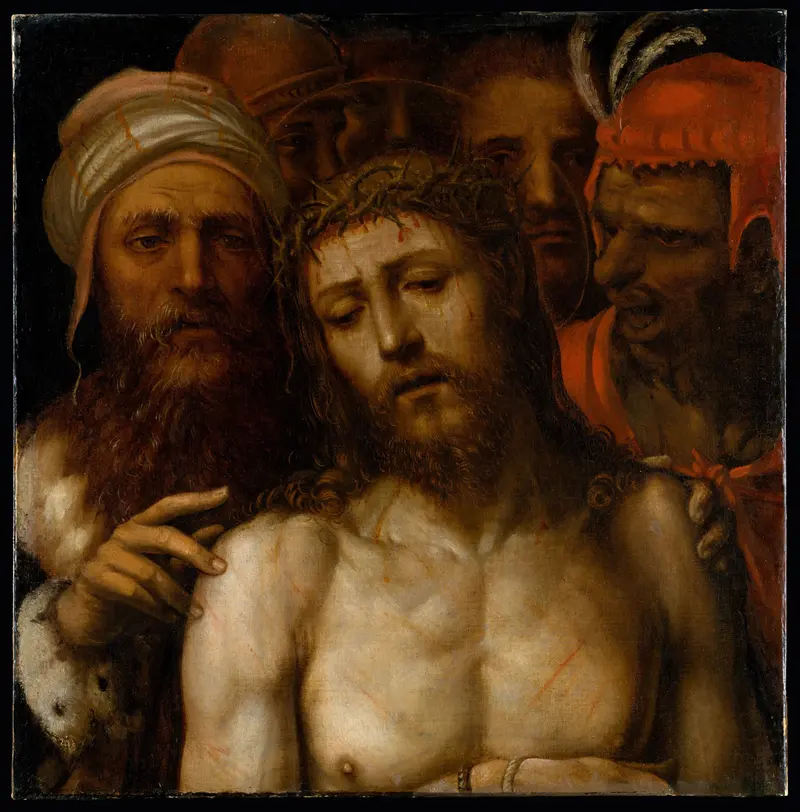
Christ Presented to the People (Ecce Homo)
Il Sodoma
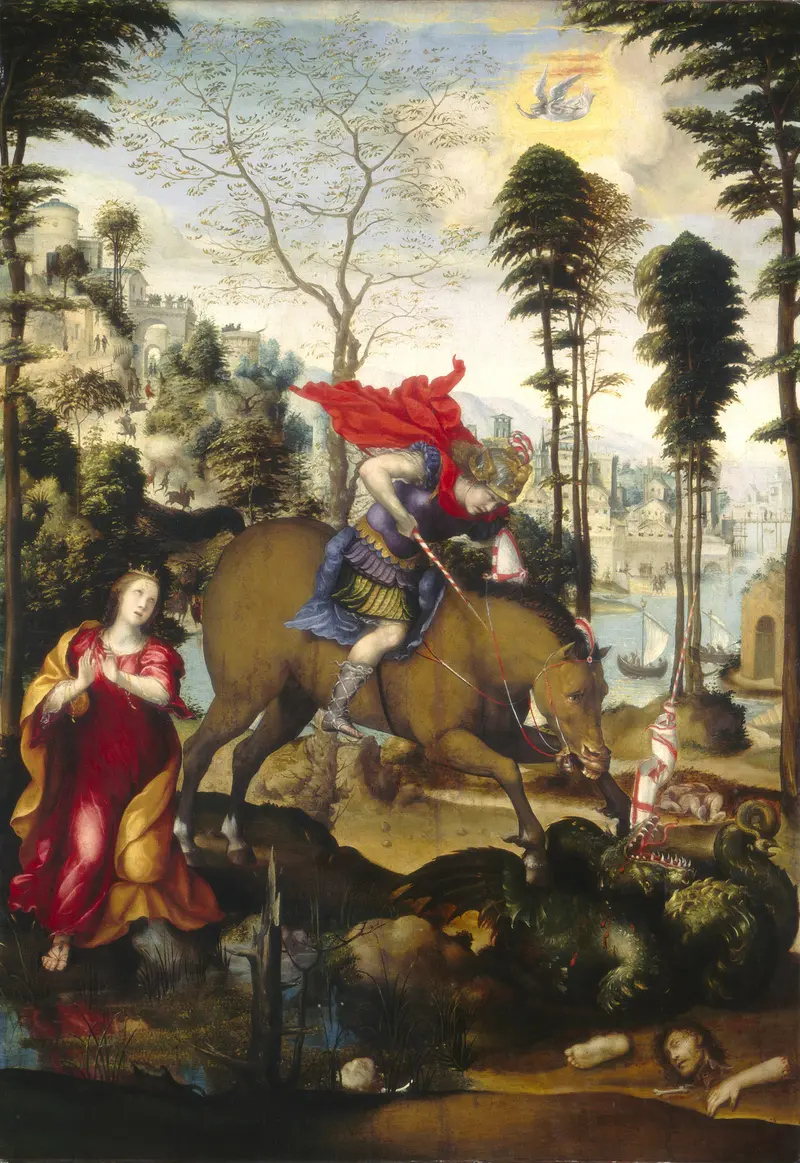
Saint George and the Dragon
Il Sodoma
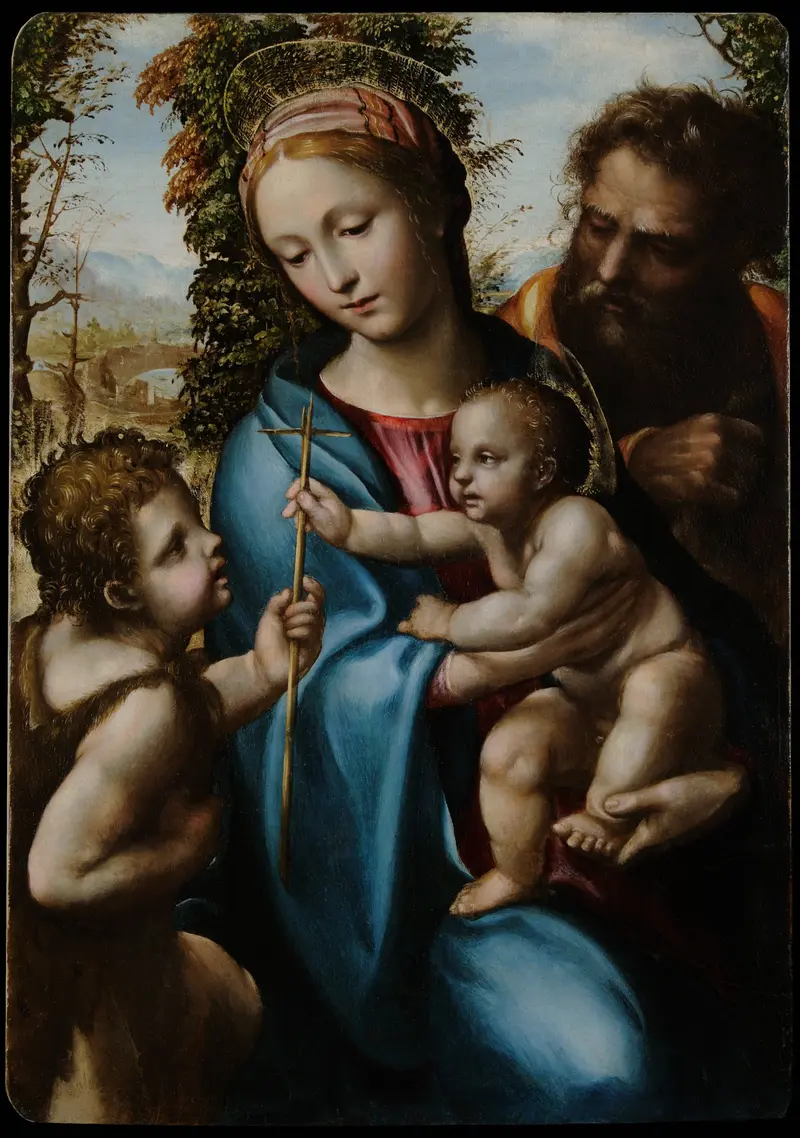
The Holy Family with the Young Saint John
Il Sodoma





