
Saint Sebastian — History & Facts
What first catches the eye in Saint Sebastian by Il Sodoma is the luminous, almost otherworldly calm of the saint’s face, even as his body is pierced by arrows. The figure is bound to a tree, his pale torso twisting in a serpentine curve, the white drapery clinging to his hips a stark contrast to the deep greens and browns of the landscape. Blood trickles delicately from each wound, but the drama is softened by the golden light that bathes Sebastian from above, where an angel descends, haloed in radiance and bearing a crown.
The composition guides the viewer upward—from the suffering body to the promise of salvation—while the distant hills and ancient ruins remind us that this moment is both historical and eternal. Painted in 1525, this work belongs to a period when images of martyrdom were not only devotional but also displays of artistic virtuosity. The Renaissance fascination with the human form is evident in the saint’s idealized anatomy, recalling the influence of classical sculpture and the innovations of Leonardo and Raphael. Such paintings were often commissioned by churches or private patrons seeking both spiritual inspiration and a testament to their own taste and piety.
Though little is recorded about the specific origins of this painting, its presence in the Uffizi today places it among the treasures of Italian Renaissance art—a testament to how the story of Sebastian, poised between agony and grace, continues to draw the eye and the imagination.
More Artworks by Il Sodoma

The Penitent Magdalene
Il Sodoma

The Death of Lucretia
Il Sodoma
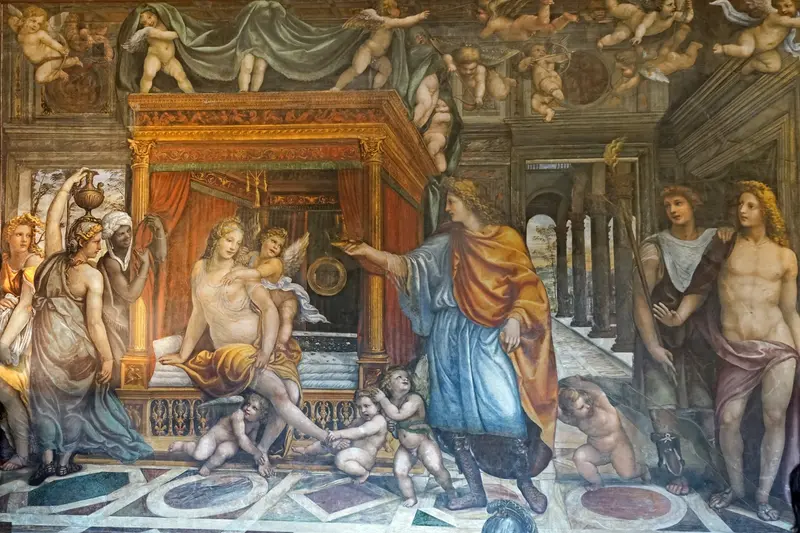
The Marriage of Alexander and Roxana, Villa Farnesina
Il Sodoma
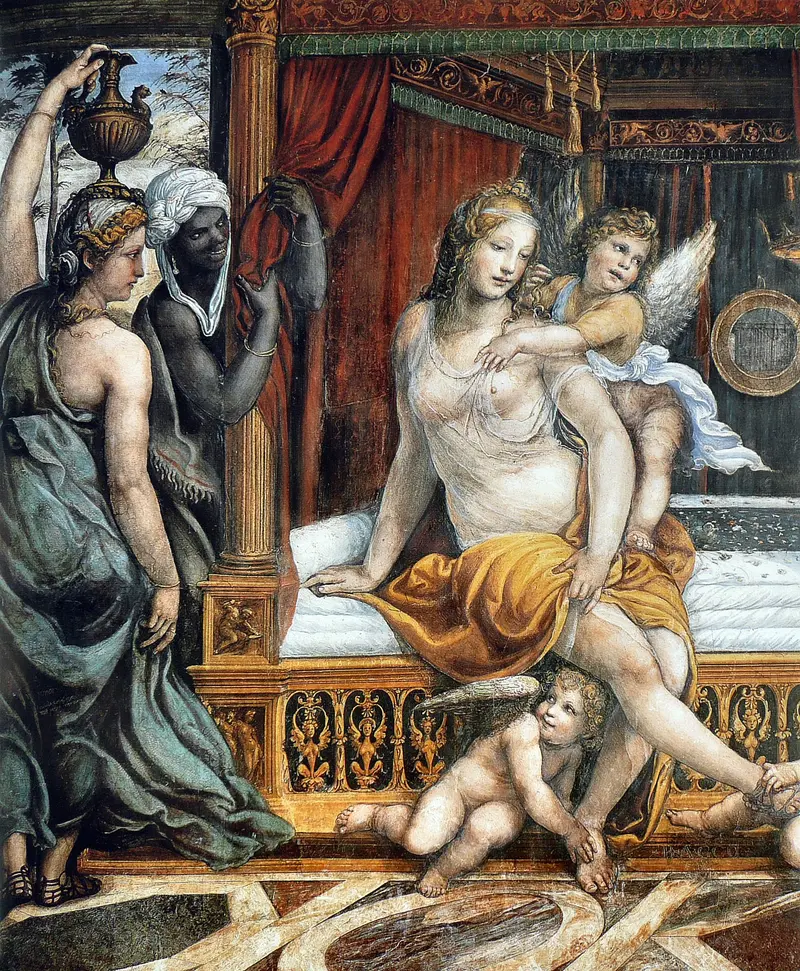
Roxana Receiving the Crown (Il Sodoma)
Il Sodoma
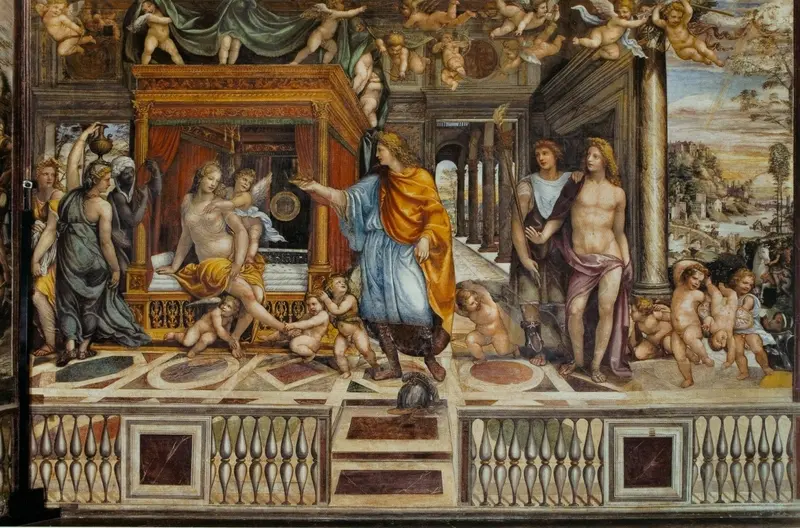
The Wedding of Alexander and Roxana (Il Sodoma)
Il Sodoma
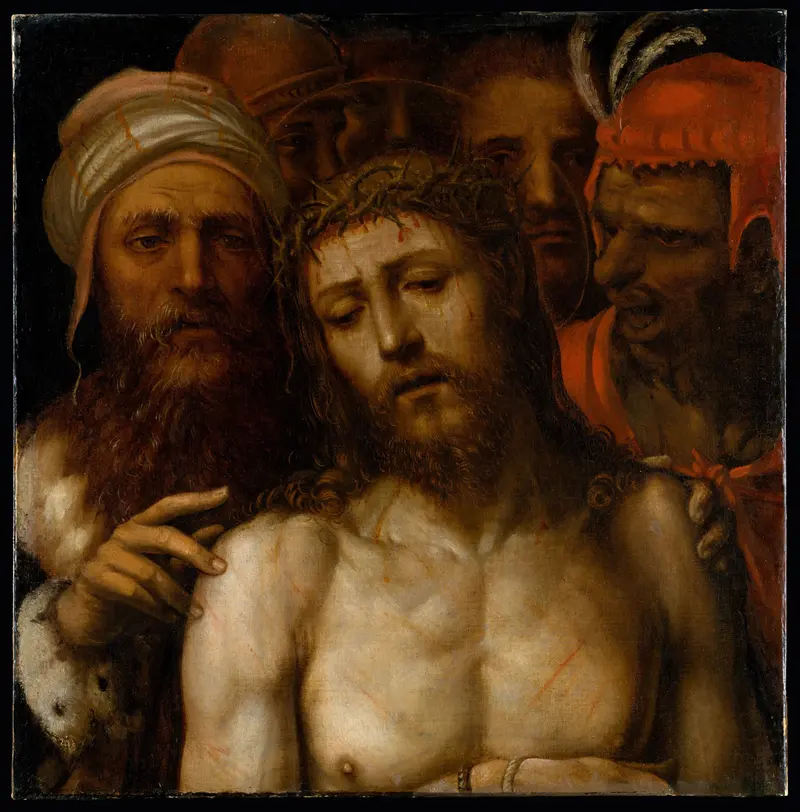
Christ Presented to the People (Ecce Homo)
Il Sodoma
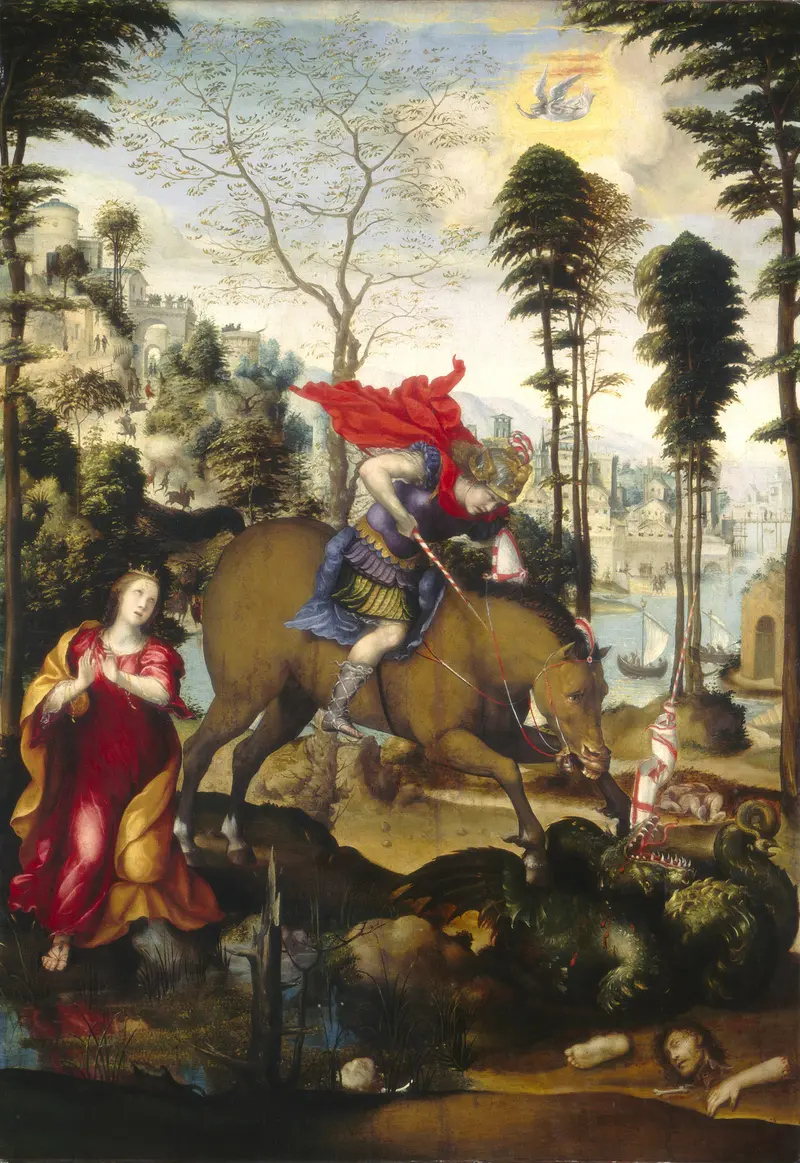
Saint George and the Dragon
Il Sodoma
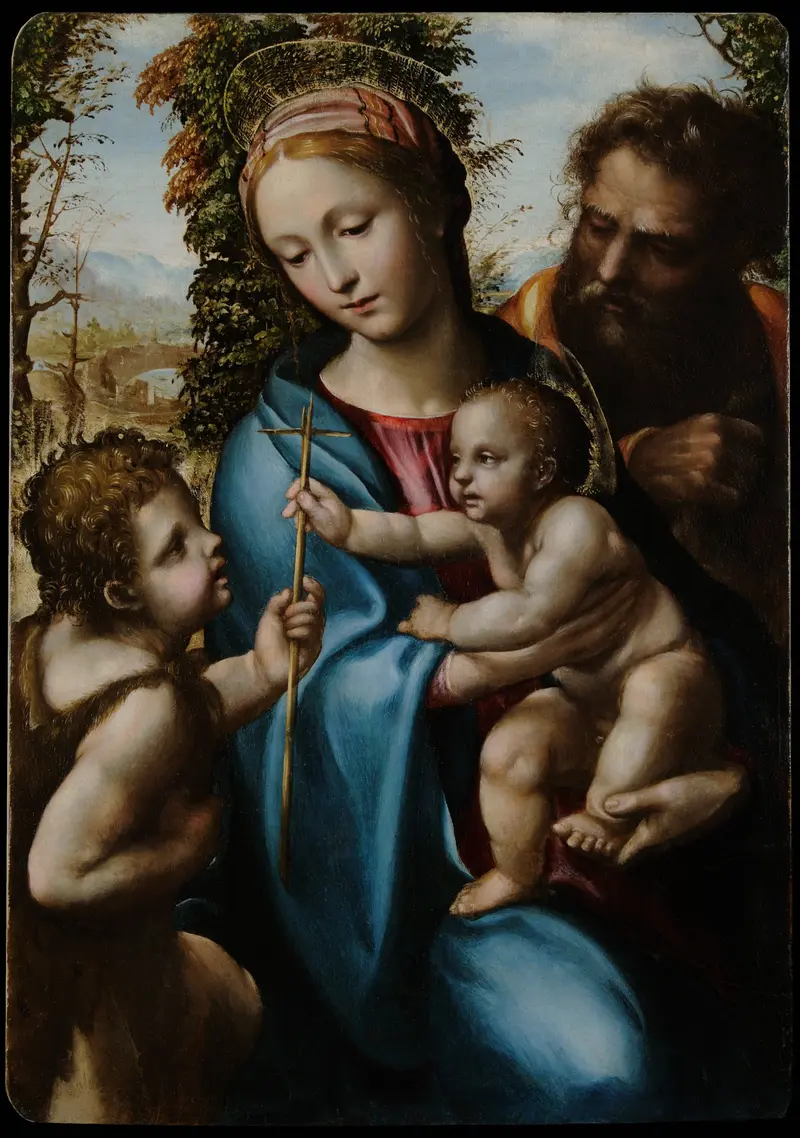
The Holy Family with the Young Saint John
Il Sodoma
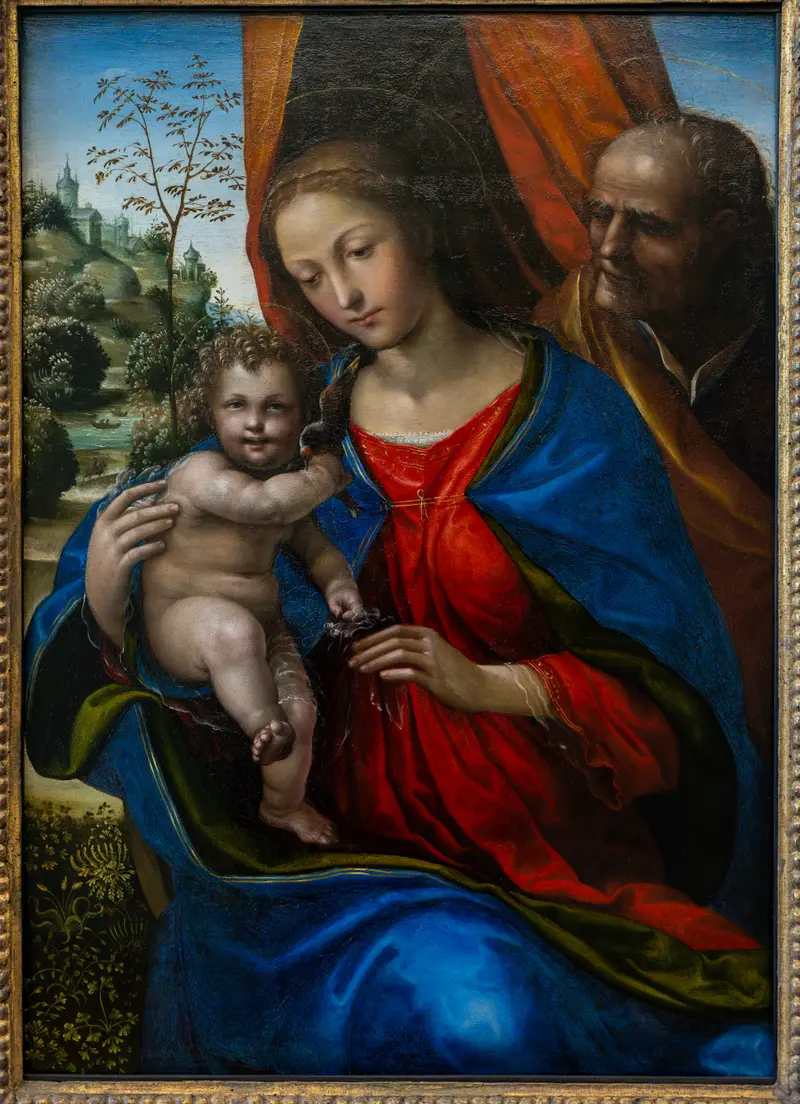
The Holy Family
Il Sodoma





