
Christ Presented to the People (Ecce Homo) — History & Facts
What draws the eye first in Christ Presented to the People (Ecce Homo) by Il Sodoma is the way the figures press in close, crowding the frame until there is barely room to breathe. The light falls most tenderly on Christ’s bare torso, picking out the wounds and the delicate modeling of flesh, while his downcast eyes and parted lips speak of exhaustion and resignation. The thorny crown bites into his brow, trickles of blood running down, and the hands that grip his shoulder and gesture at his body seem to claim and display him at once.
The palette is somber, the shadows deep, and the faces around Christ are caught in a swirl of expressions—sneering, indifferent, sorrowful—each one a study in human response to suffering. Painted between 1540 and 1549, this work belongs to a period when scenes of Christ’s Passion were commissioned for private devotion as well as public altars, intended to draw the viewer into the emotional heart of the narrative. The close cropping and psychological intensity mark it as a product of the High Renaissance’s later years, when artists like Il Sodoma sought to heighten empathy and drama. Little is recorded about the specific history of this painting, now held by the Metropolitan Museum of Art, but its survival speaks to the enduring power of such images to move and disturb.
Look again at the faces: each one invites you to imagine the story beyond the frame.
More Artworks by Il Sodoma

The Penitent Magdalene
Il Sodoma

The Death of Lucretia
Il Sodoma
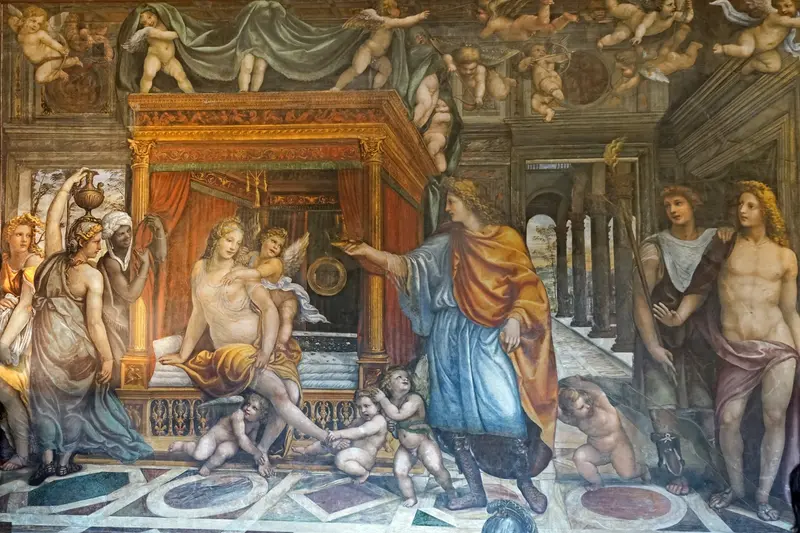
The Marriage of Alexander and Roxana, Villa Farnesina
Il Sodoma
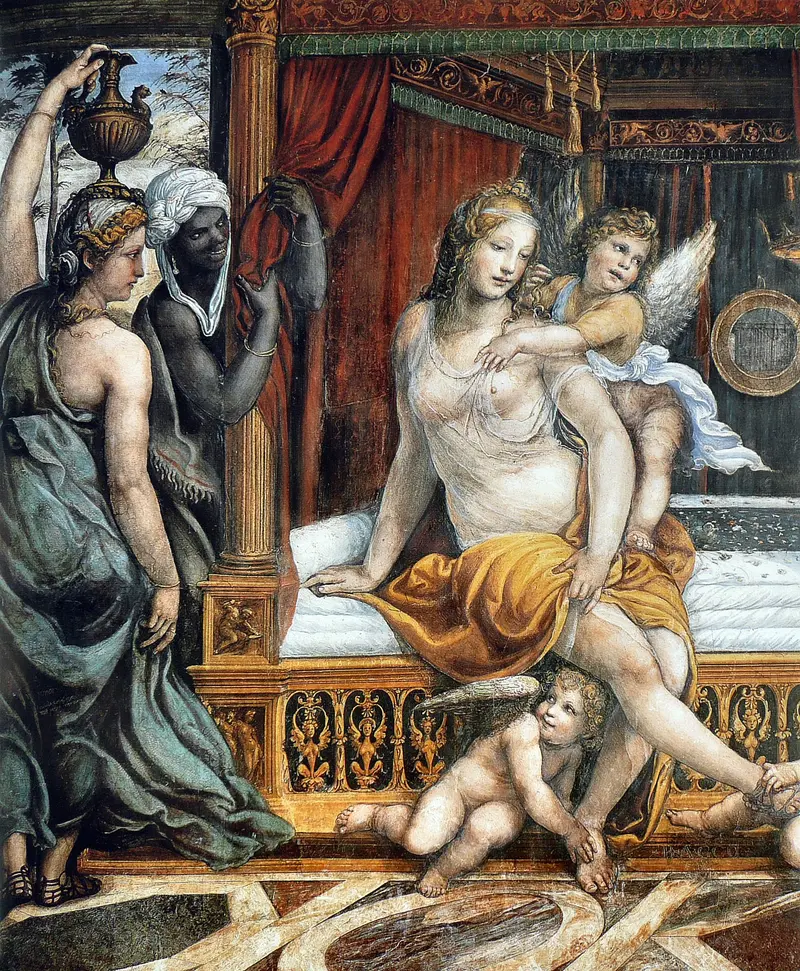
Roxana Receiving the Crown (Il Sodoma)
Il Sodoma
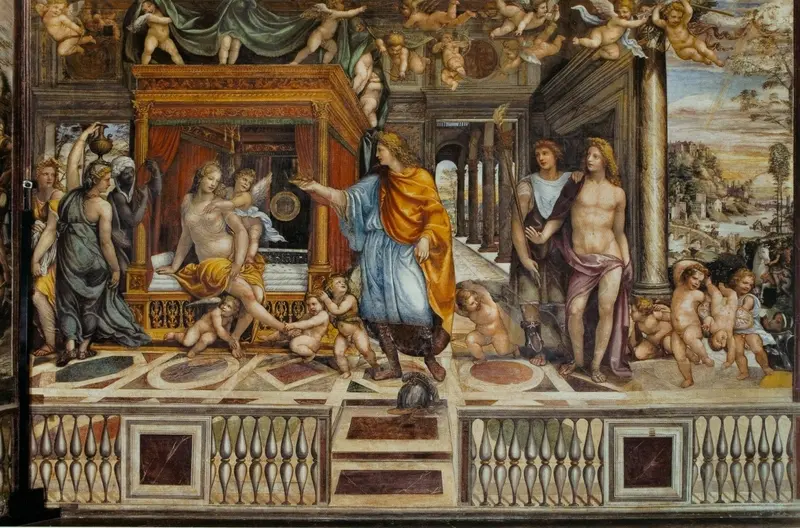
The Wedding of Alexander and Roxana (Il Sodoma)
Il Sodoma
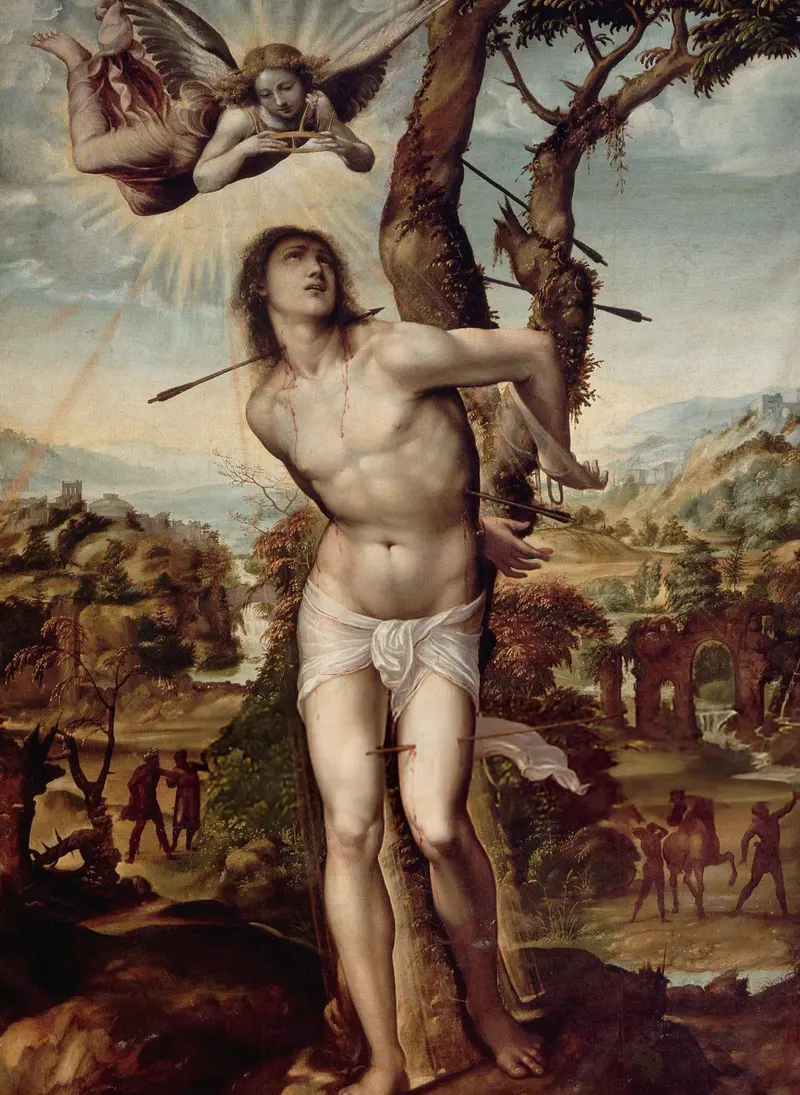
Saint Sebastian
Il Sodoma
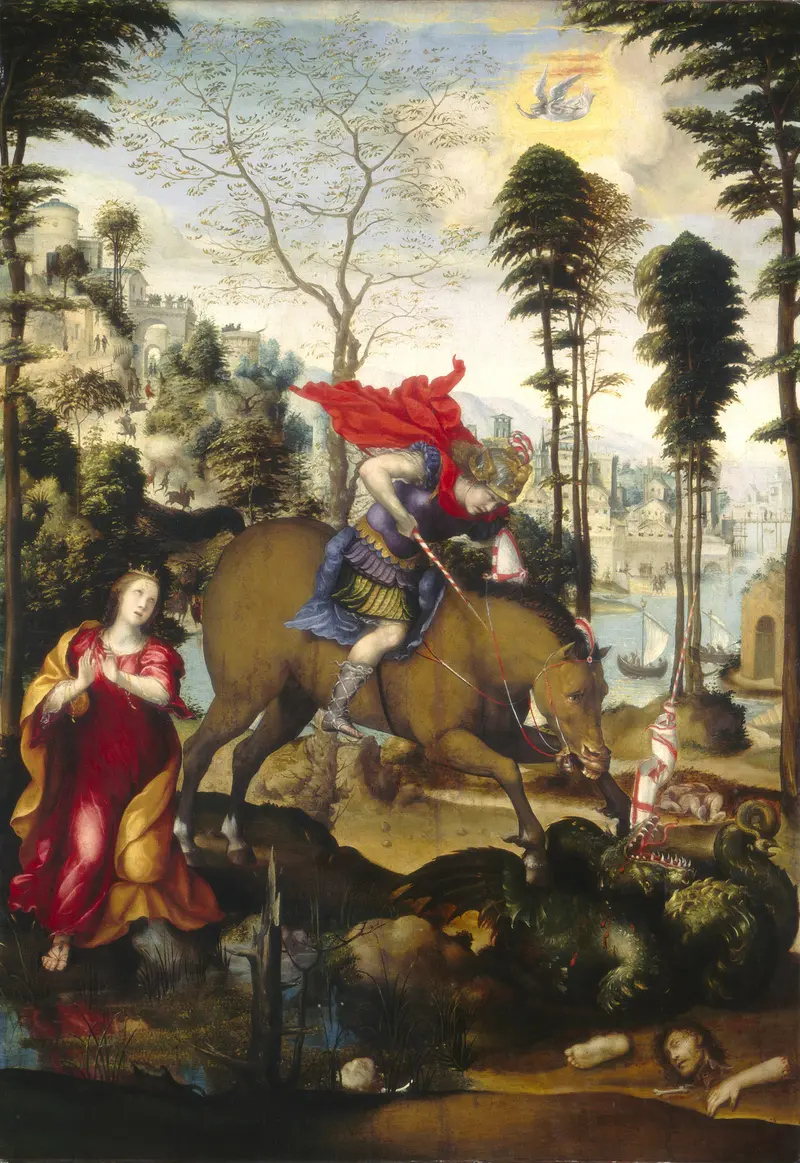
Saint George and the Dragon
Il Sodoma
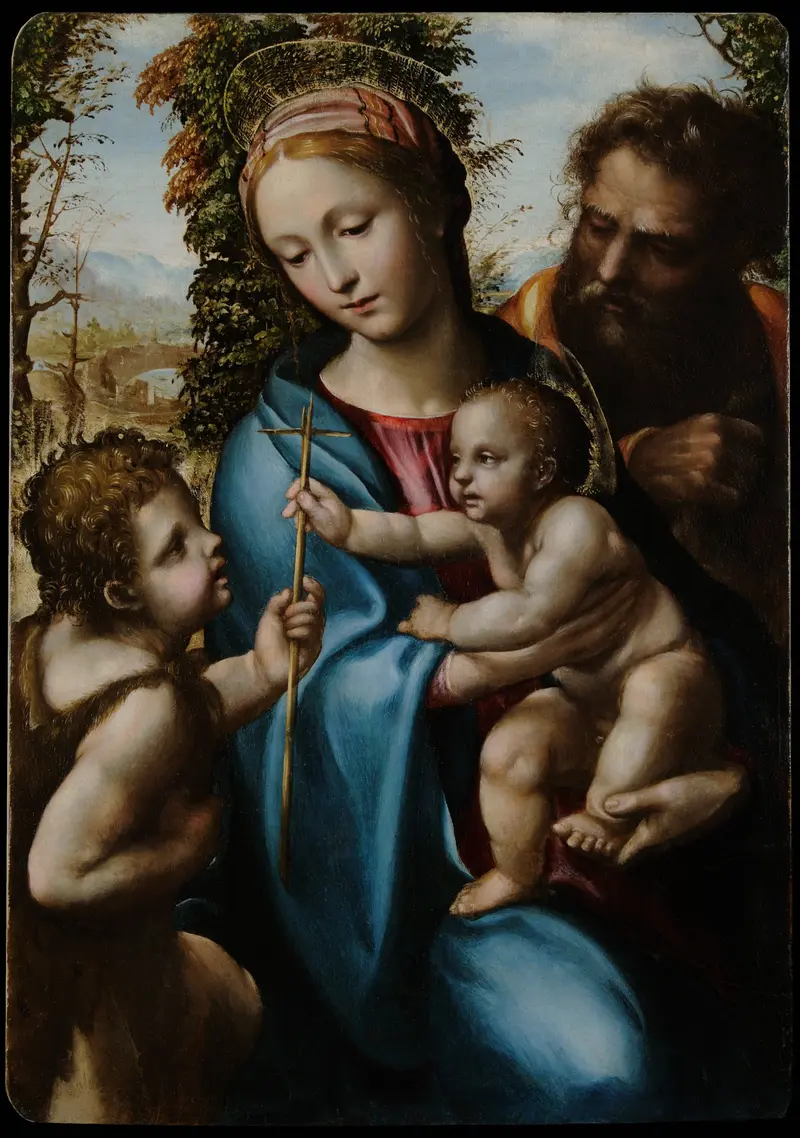
The Holy Family with the Young Saint John
Il Sodoma
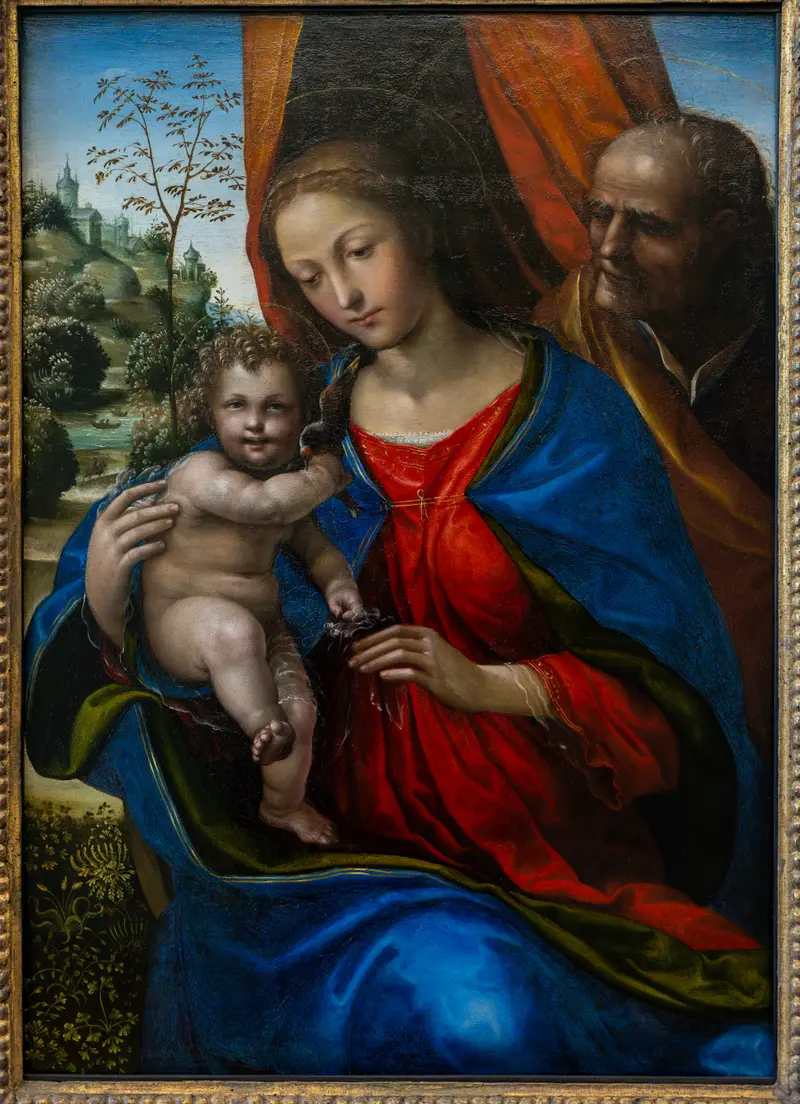
The Holy Family
Il Sodoma





