
The Penitent Magdalene — History & Facts
A woman kneels in the half-light, her body draped only in her own cascading hair, the golden strands both concealing and revealing. Her hand hovers delicately across her chest, her gaze lowered in a moment of inward reckoning. The darkness of the cave behind her presses close, yet a sliver of blue sky and distant trees opens the world beyond, a reminder of life continuing outside her solitude.
At her side, the small jar—her attribute—anchors her story, while the rough textures of rock and tangled branches echo the wildness of her chosen exile. The artist’s palette moves from the warm earth tones of the Magdalene’s skin and hair to the cool, receding landscape, guiding the eye from her penitent form to the hope of redemption beyond. Works like this Penitent Magdalene by Il Sodoma belong to a moment when Renaissance artists delighted in bringing saints and sinners alike into vivid, human focus. Such images were often commissioned for private devotion, inviting viewers to meditate on repentance and forgiveness through the figure of Mary Magdalene, whose legend as a reformed sinner resonated deeply in the spiritual climate of the time.
The painting’s unknown date and medium speak to the many mysteries that still surround lesser-known works from this period, and its appearance in the Christie’s collection reminds us how many such treasures have drifted through history, their stories half-told. Pause before her—what does her silence say to you?
More Artworks by Il Sodoma

The Death of Lucretia
Il Sodoma
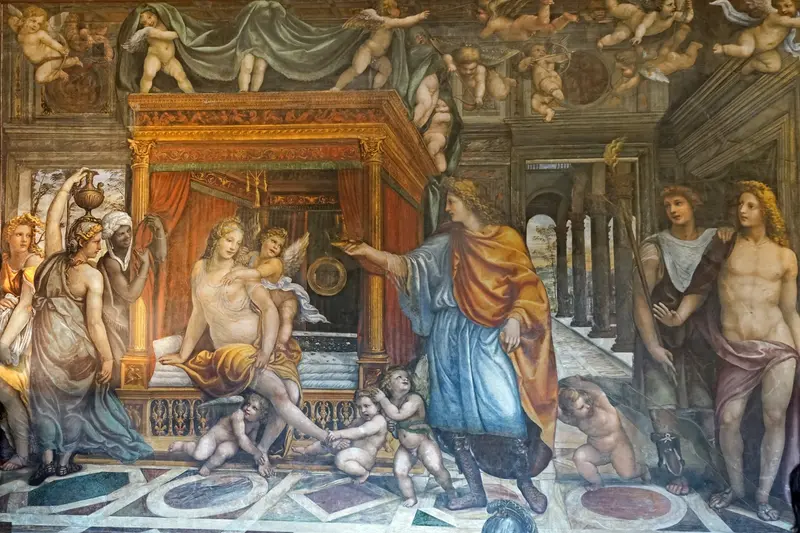
The Marriage of Alexander and Roxana, Villa Farnesina
Il Sodoma
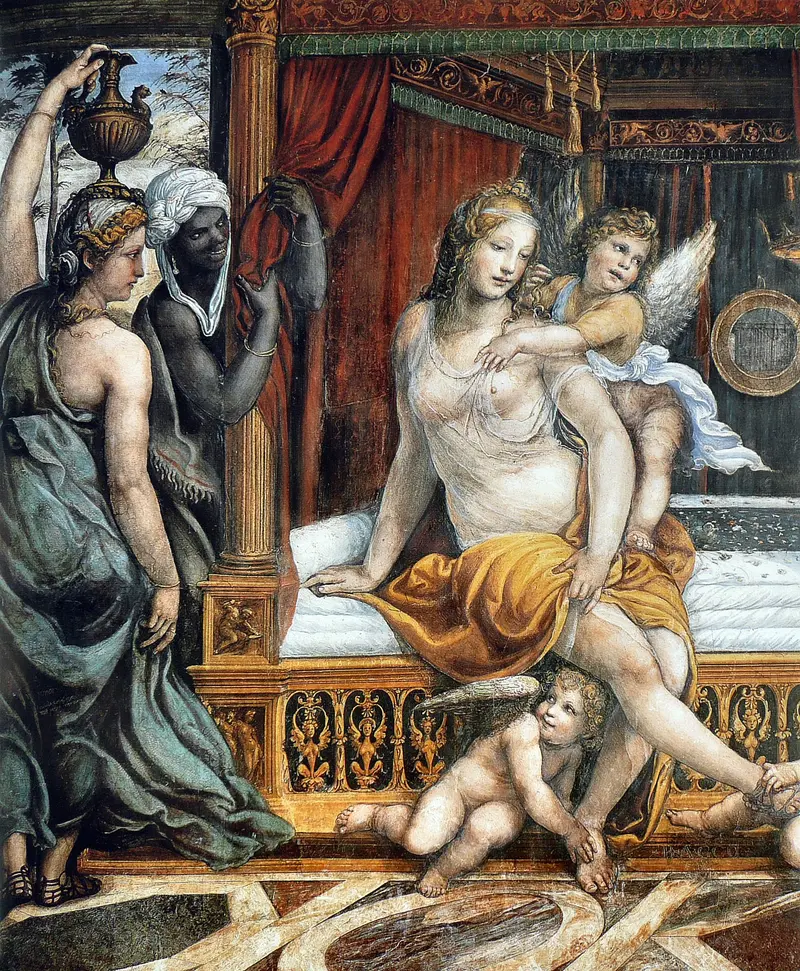
Roxana Receiving the Crown (Il Sodoma)
Il Sodoma
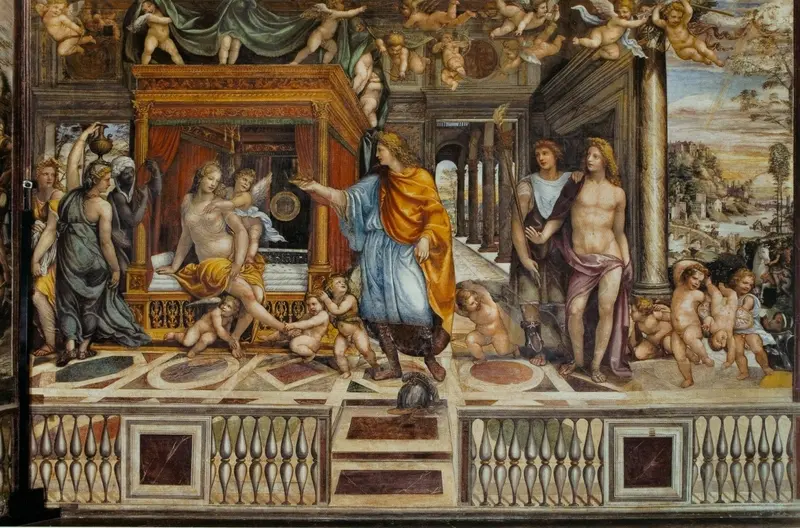
The Wedding of Alexander and Roxana (Il Sodoma)
Il Sodoma
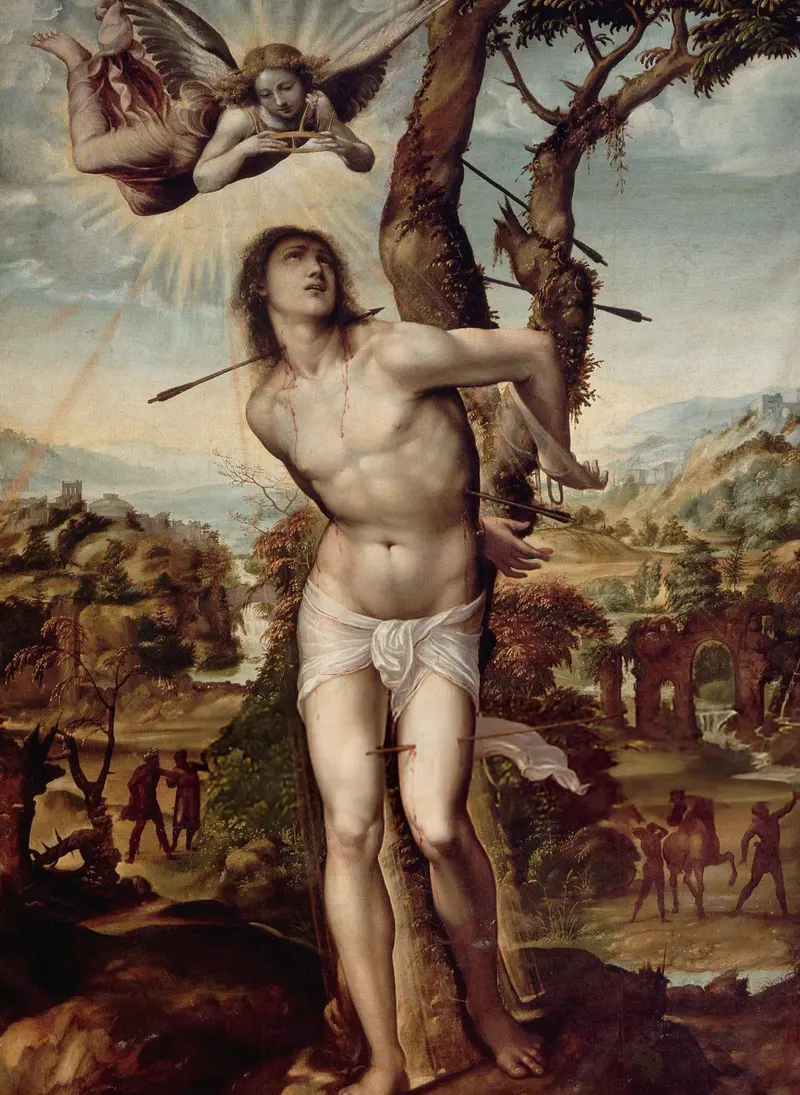
Saint Sebastian
Il Sodoma
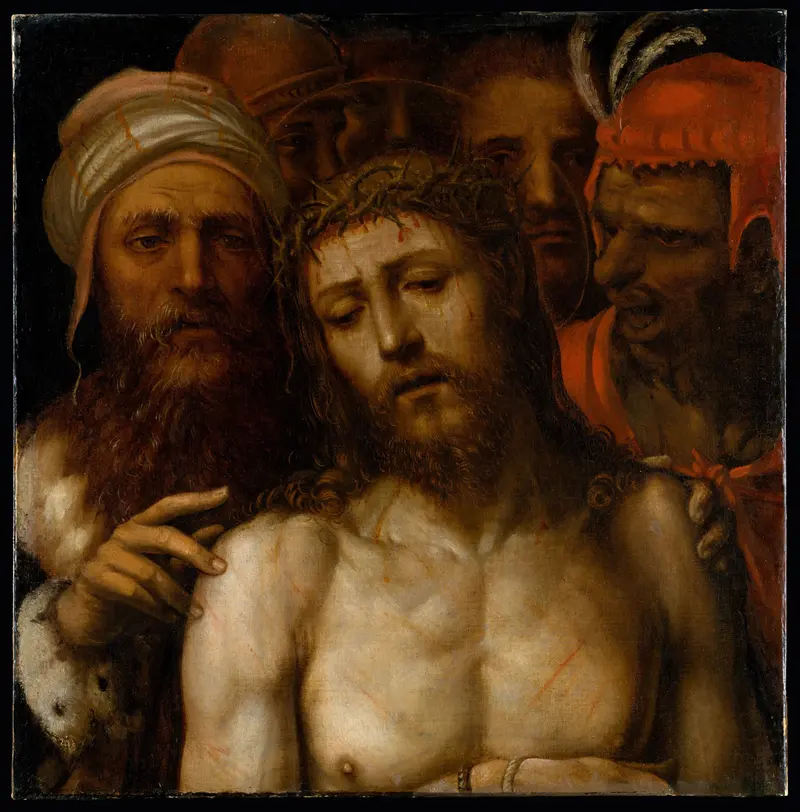
Christ Presented to the People (Ecce Homo)
Il Sodoma
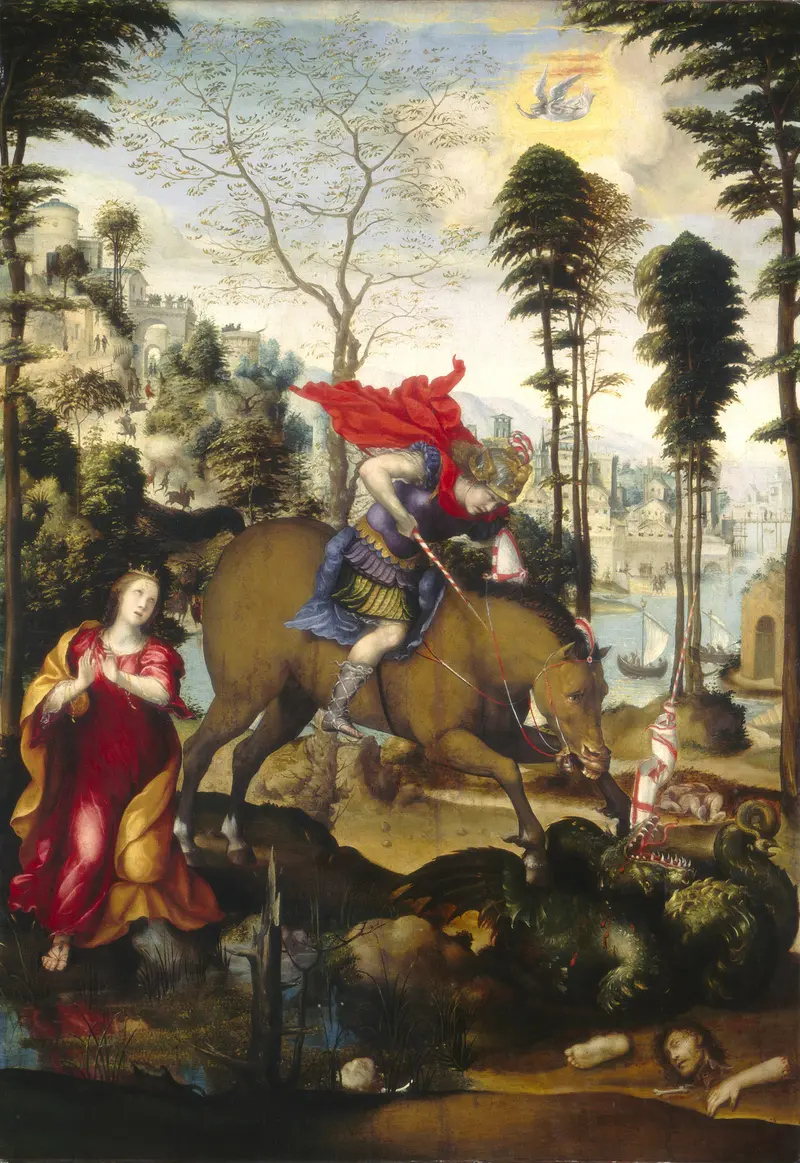
Saint George and the Dragon
Il Sodoma
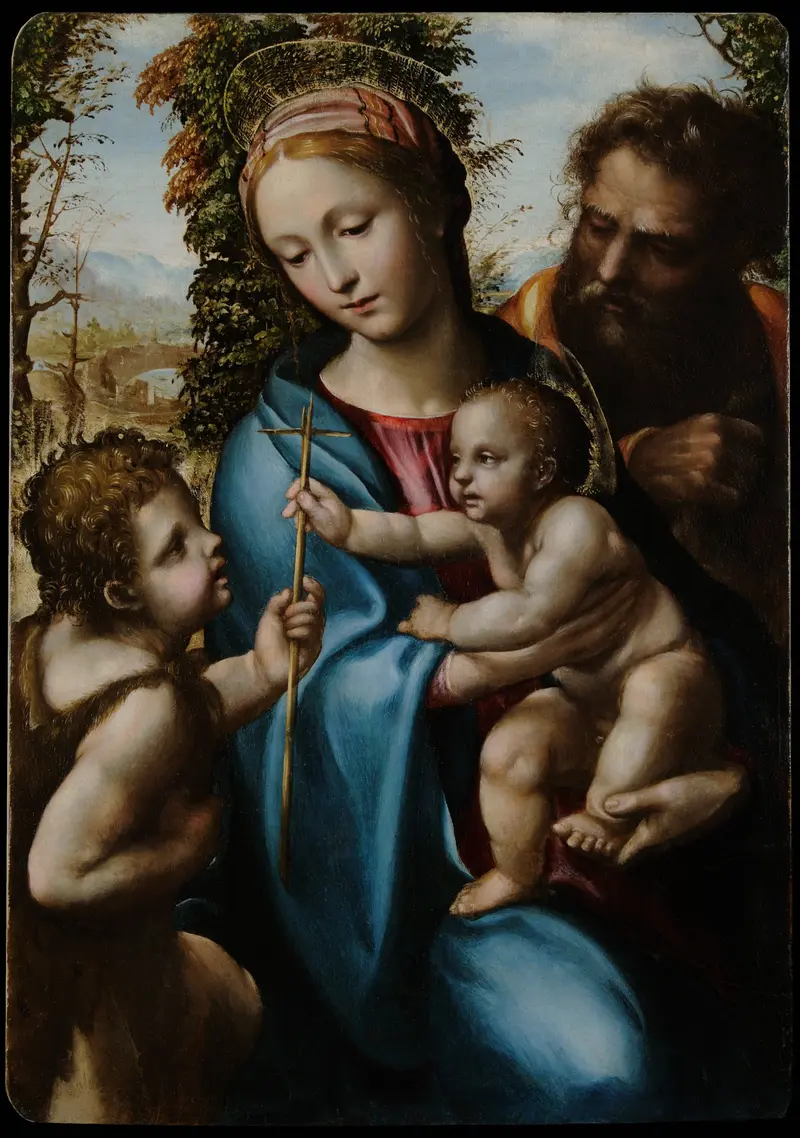
The Holy Family with the Young Saint John
Il Sodoma
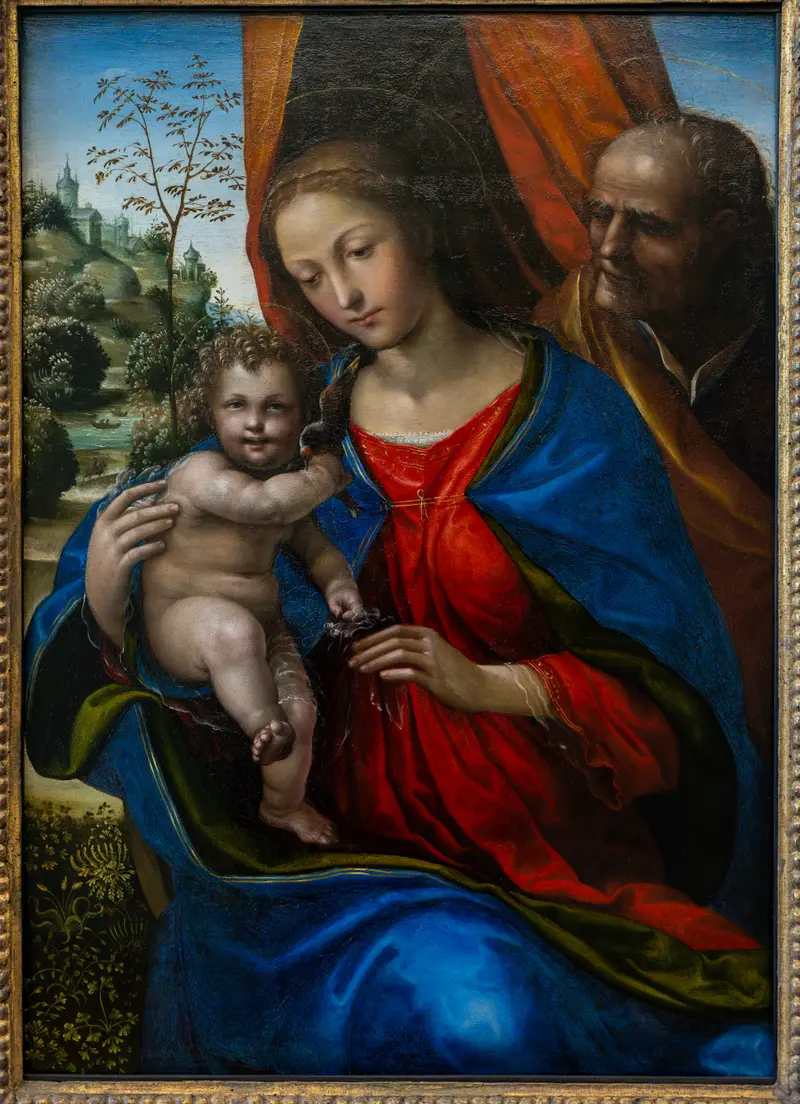
The Holy Family
Il Sodoma





